Identity, Access, Encryption, and Sensitive Data
Not sure you’re ready?
Take the ~3-minute readiness diagnostic and see where you stand.
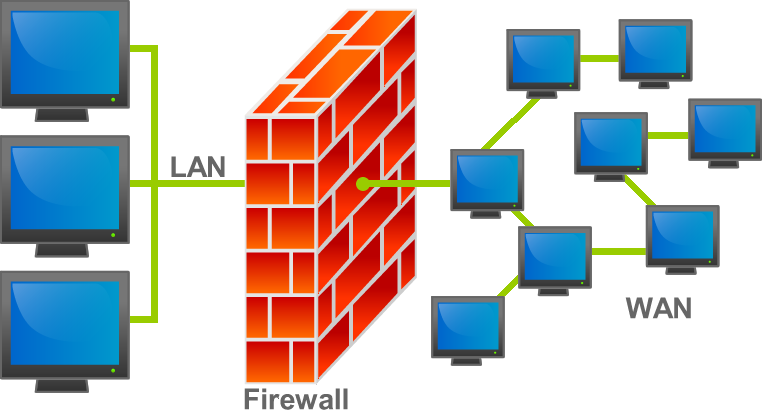
A corporate network is not a medieval castle protected by a single, physical moat; it is an invisible, sprawling metropolis where millions of digital interactions occur every second, each demanding rigorous proof of identity and a mathematical guarantee of secrecy. For a Security Operations Center (SOC) analyst, the ability to distinguish between a legitimate database administrator running a query and a compromised credential quietly exfiltrating gigabytes of data is the difference between a quiet Tuesday and a front-page data breach. We do not secure these modern networks by building thicker firewalls at the perimeter. We secure them by strictly interrogating who is requesting access, mathematically enforcing what they are permitted to do, and rendering the underlying data entirely useless to anyone who manages to bypass our checkpoints.
When you are staring at a SIEM dashboard and an alert fires for anomalous behavior, you are fundamentally looking at a failure—or an abuse—of Identity and Access Management (IAM). At its core, Identity and Access Management ensures that authorized users have the appropriate access to technology resources. It acts as the central nervous system of network security, governing every transaction through a framework we call AAA:
- Authentication is the process of verifying the identity of a user or system. It answers the question, "Are you who you claim to be?"
- Authorization determines the specific rights and permissions granted to an authenticated entity. It answers the question, "Now that we know who you are, what are you allowed to do?"
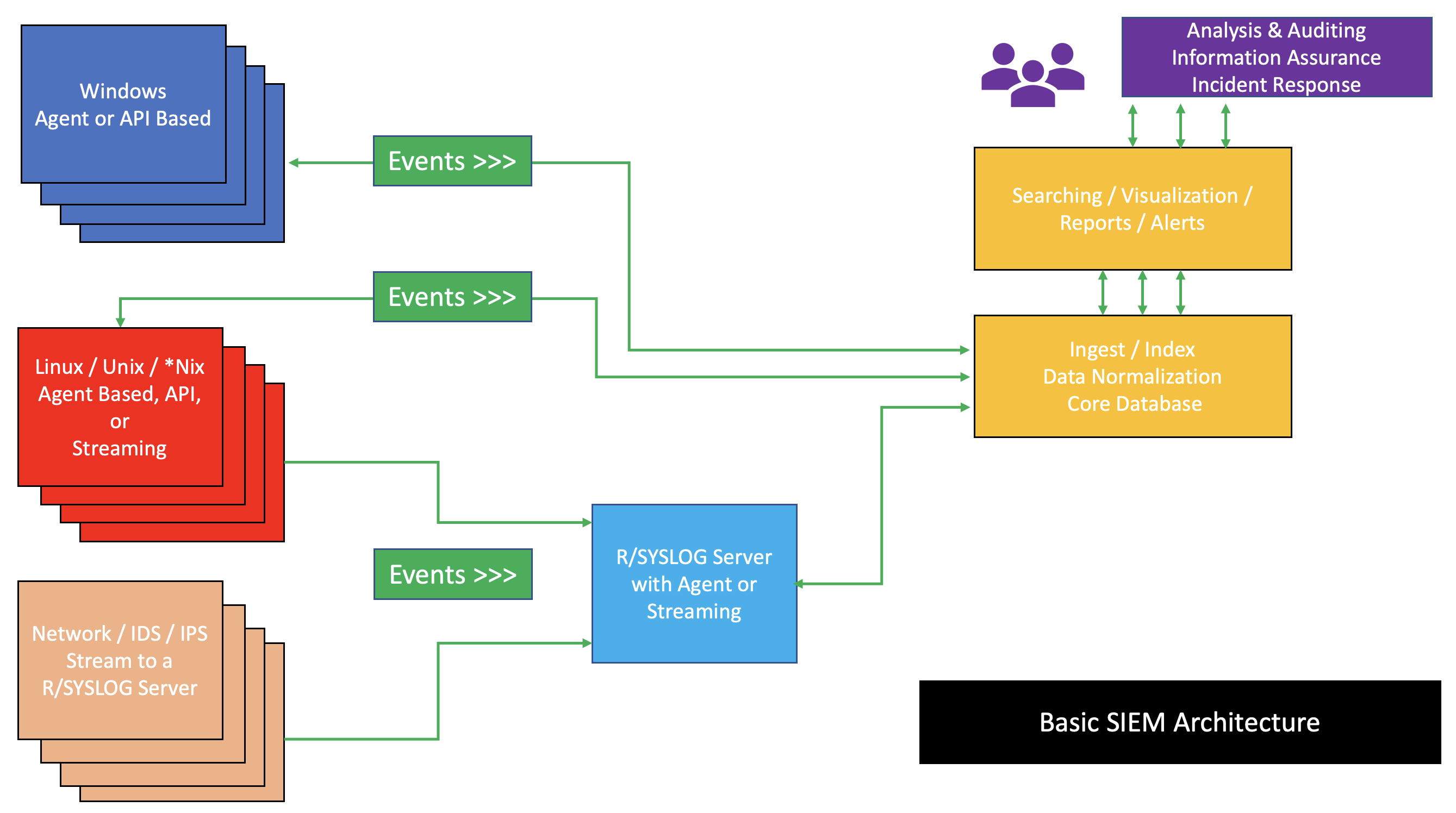
- Accounting tracks user activity and resource utilization for auditing and compliance purposes. When a breach happens, accounting provides the forensic trail that tells incident responders exactly what the adversary touched.
Proving Identity: The Mechanics of Authentication
Historically, we relied on passwords to prove identity. But passwords are mathematically weak and highly susceptible to social engineering. To build a resilient defense, we use Multi-Factor Authentication (MFA), which requires users to provide two or more distinct types of verification factors.
The three primary authentication factors are something the user knows, something the user has, and something the user is.
- Something you know: A knowledge factor is a piece of information only the user should know. Passwords and Personal Identification Numbers (PINs) are examples of knowledge factors.
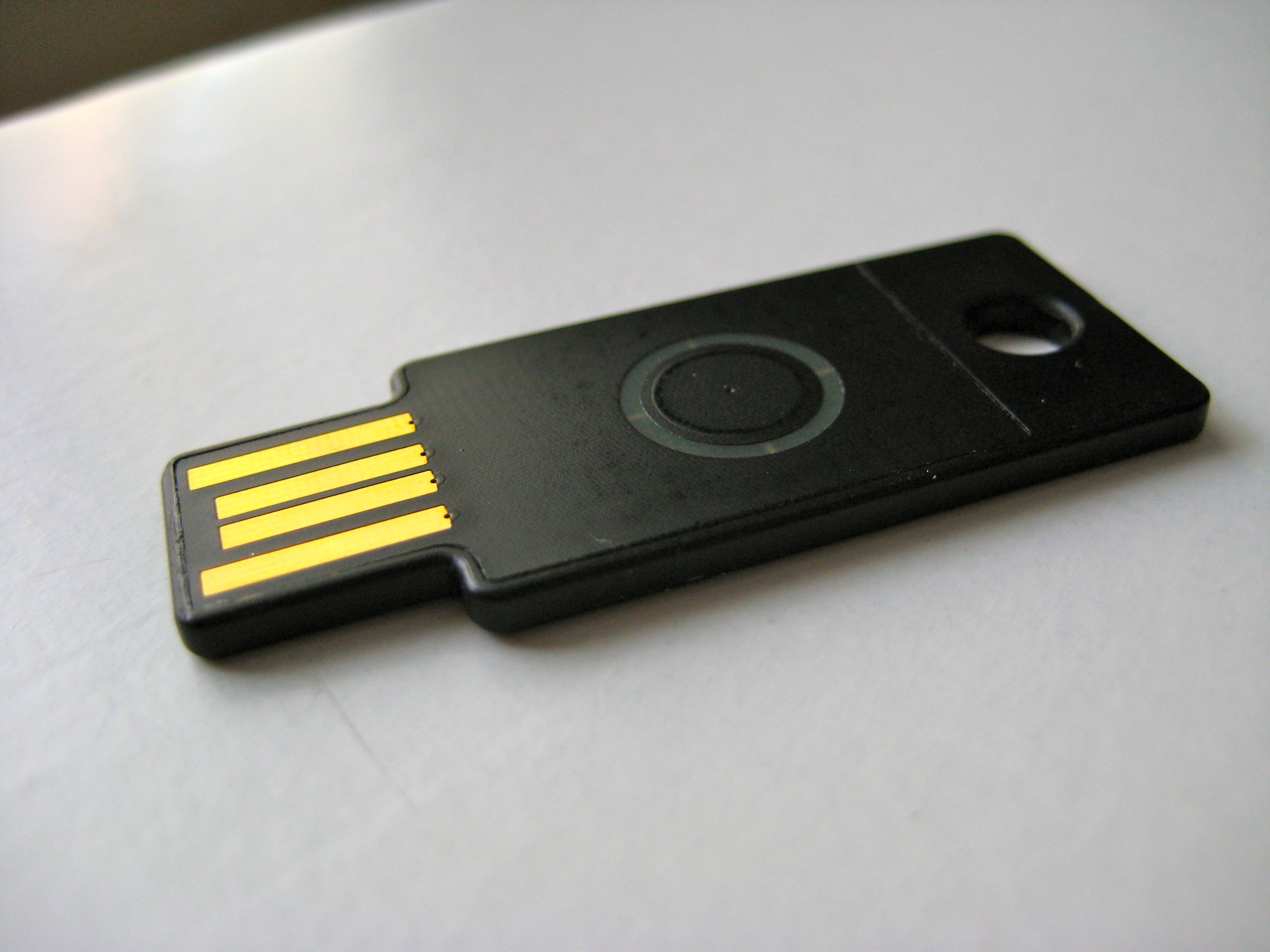
- Something you have: A possession factor is a physical object or device owned by the user. Smart cards and hardware security tokens are examples of possession factors.
- Something you are: An inherence factor relies on a unique physical or behavioral characteristic of the user. Fingerprint scans and facial recognition are examples of inherence factors.
To add context to these factors, modern systems often incorporate Location-based authentication, which verifies a user's identity based on their physical or network location. If your credentials authenticate perfectly but the request originates from a country where your company has no operations, the system can flag or block the request.
We are increasingly moving away from static secrets altogether. Passwordless authentication replaces traditional passwords with alternative verification methods. Biometrics and magic email links are common implementations of passwordless authentication. Moving further into highly secure, cryptographic implementations, we have FIDO2. FIDO2 is an open authentication standard that enables passwordless authentication using public key cryptography, entirely eliminating the risk of a centralized password database being breached.
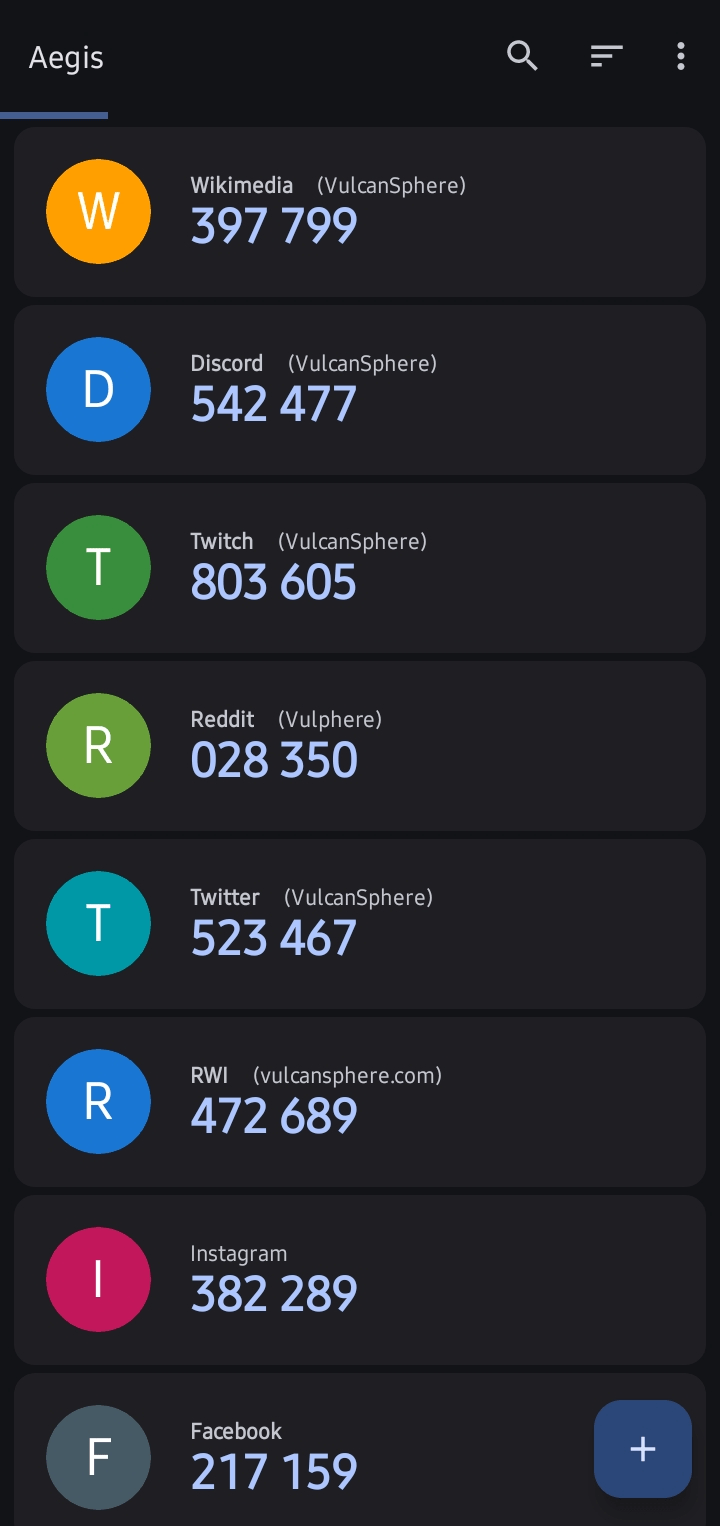
When devices require temporary, rotating codes, they often use Time-based One-Time Passwords (TOTP). These systems generate a temporary authentication code based on the current time and a shared secret key between the authenticator app and the server.
The Passports of the Web: Federation and SSO
Imagine having to show your driver's license at every single door you walk through in a building. The friction would be unbearable. Single Sign-On (SSO) solves this; it allows a user to authenticate once and access multiple independent software systems.
Under the hood, SSO relies on specialized protocols to securely pass trust between systems:
- Security Assertion Markup Language (SAML): SAML is an XML-based framework used for exchanging authentication and authorization data between identity providers (who hold your credentials) and service providers (the apps you want to use).
- OAuth 2.0: Think of OAuth 2.0 as a valet key for your car. The valet can drive the car to park it, but they cannot open the trunk or glovebox. OAuth 2.0 is an industry-standard protocol used for secure delegated authorization. It grants a third-party application limited access to a service without handing over the user's password.
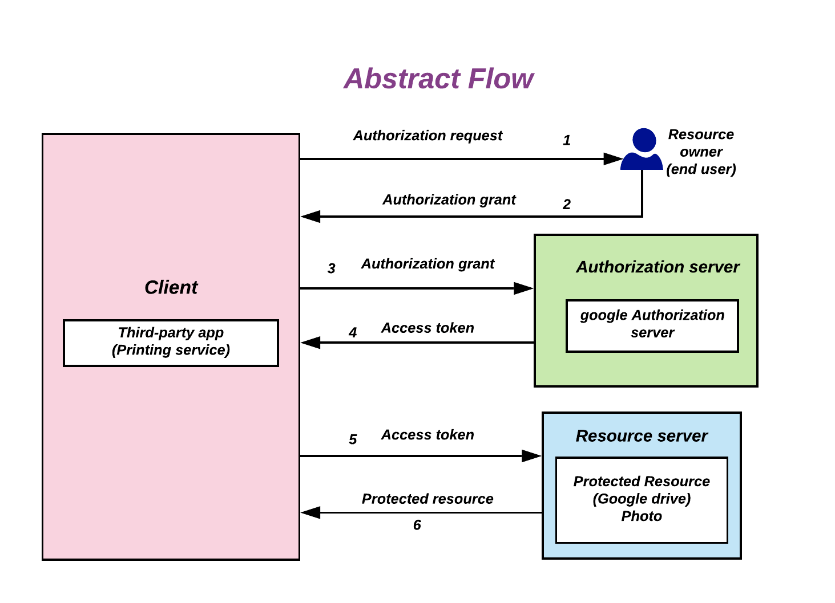
- OpenID Connect (OIDC): While OAuth handles authorization (the valet key), it doesn't inherently verify the identity of the driver. OpenID Connect is an authentication layer built on top of the OAuth 2.0 framework, effectively attaching a verifiable ID badge to that valet key.
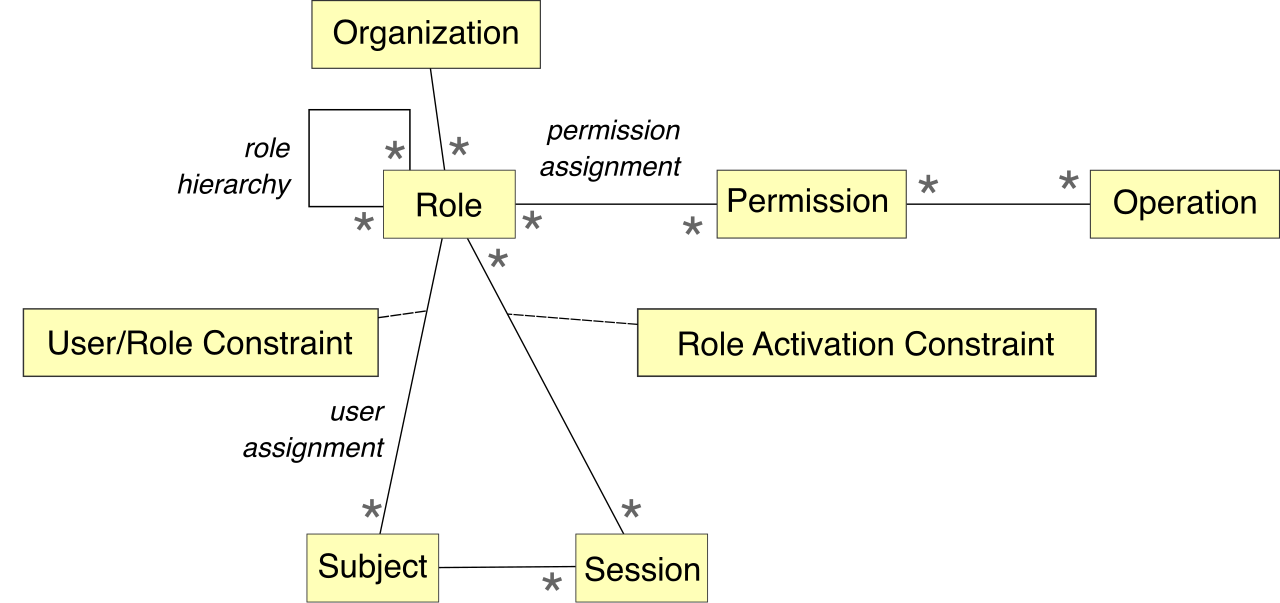
Once a user is authenticated, we must apply rigorous limitations to their capabilities. This begins with the principle of least privilege, which dictates that users should only have the minimum access rights necessary to perform their jobs. To prevent systemic abuse, we also rely on the separation of duties, an administrative control that prevents fraud or errors by requiring more than one person to complete a critical task (for example, the person who writes a large check cannot be the same person who signs it).
Organizations implement these principles through specific access control models:
| Model | Description | SOC Perspective |
|---|---|---|
| Role-Based Access Control (RBAC) | Assigns permissions to users based on their assigned job functions within an organization. | Highly scalable. If a user moves from HR to Finance, their role is simply updated. |
| Attribute-Based Access Control (ABAC) | Grants access rights based on policies combining user, resource, and environment attributes. | Highly granular. A user can only access a file if they are a manager (user attribute), the file is a financial report (resource attribute), and it is accessed during business hours (environment attribute). |
| Mandatory Access Control (MAC) | Strictly regulates access based on data classification labels and user clearance levels. | Rigid and hierarchical, favored by the military and intelligence agencies. |
When access controls fail, the mathematics of cryptography stand as the final barrier between an adversary and your sensitive data. Encryption transforms plaintext into ciphertext using an algorithm and a cryptographic key.
There are two primary paradigms of encryption:
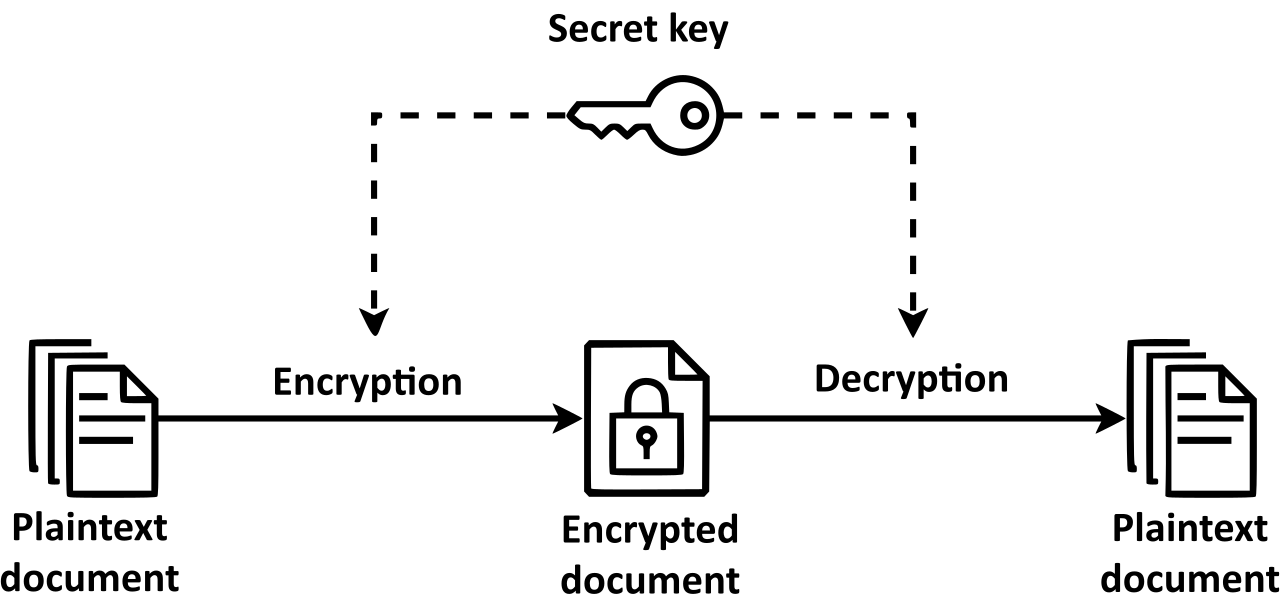
- Symmetric encryption uses the same cryptographic key for both the encryption and decryption processes. It is incredibly fast and ideal for encrypting large volumes of data. Advanced Encryption Standard (AES) is a widely used symmetric encryption algorithm.
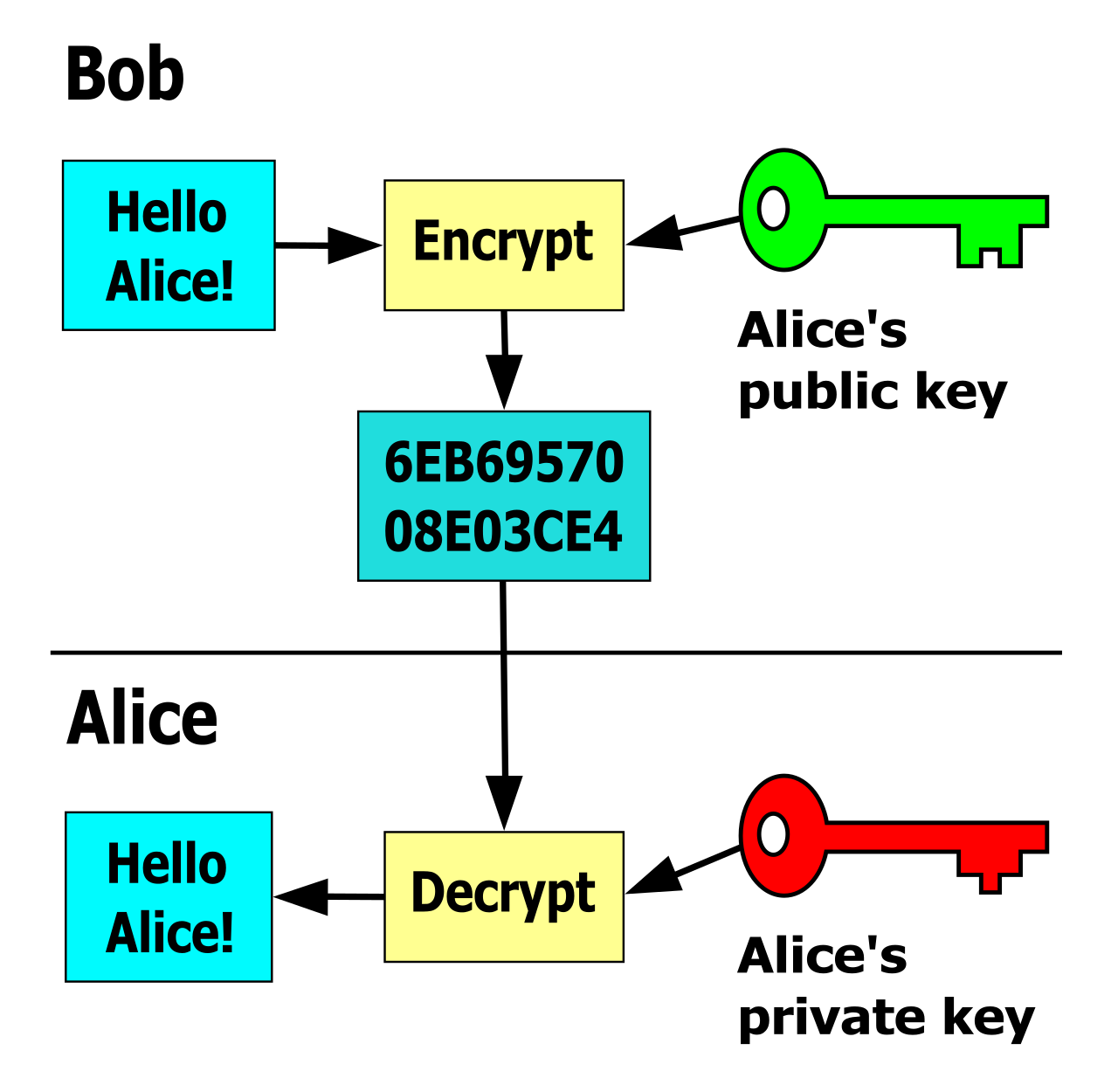
- Asymmetric encryption utilizes a mathematically linked key pair consisting of a public key (to encrypt) and a private key (to decrypt). Rivest-Shamir-Adleman (RSA) is a common asymmetric encryption algorithm used for secure data transmission. However, as computing power grows, RSA requires massive key lengths to remain secure. To solve this, Elliptic Curve Cryptography (ECC) provides strong asymmetric encryption with shorter key lengths compared to Rivest-Shamir-Adleman, making it ideal for mobile devices and modern web traffic.
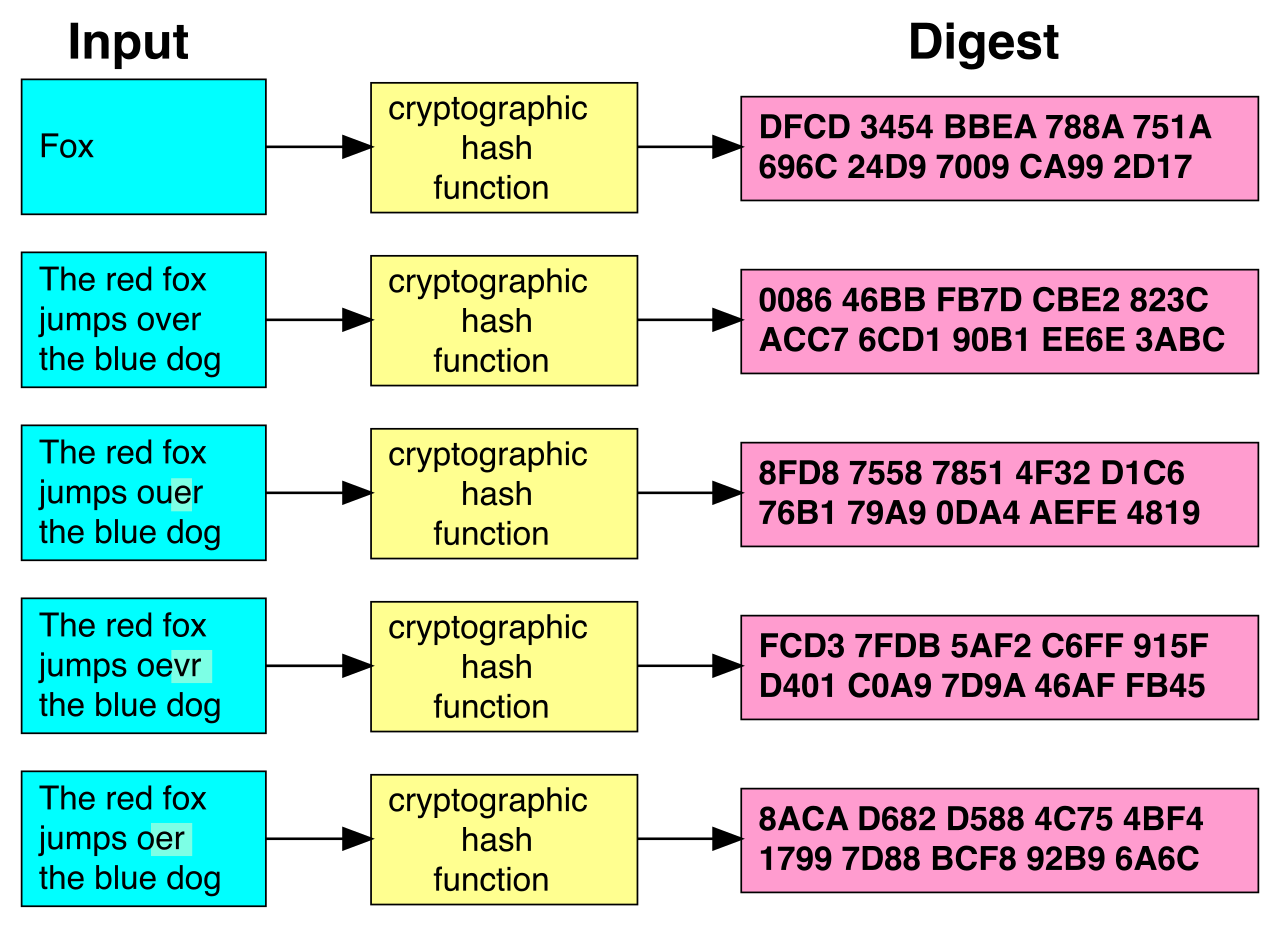
While encryption hides data, hashing proves that data has not been altered. Hashing algorithms generate a fixed-length output from a variable-length input to ensure data integrity. If a single comma changes in a terabyte-sized database backup, the hash changes entirely. Secure Hash Algorithm 256 (SHA-256) is a widely adopted cryptographic hash function used everywhere from digital signatures to forensic malware analysis.
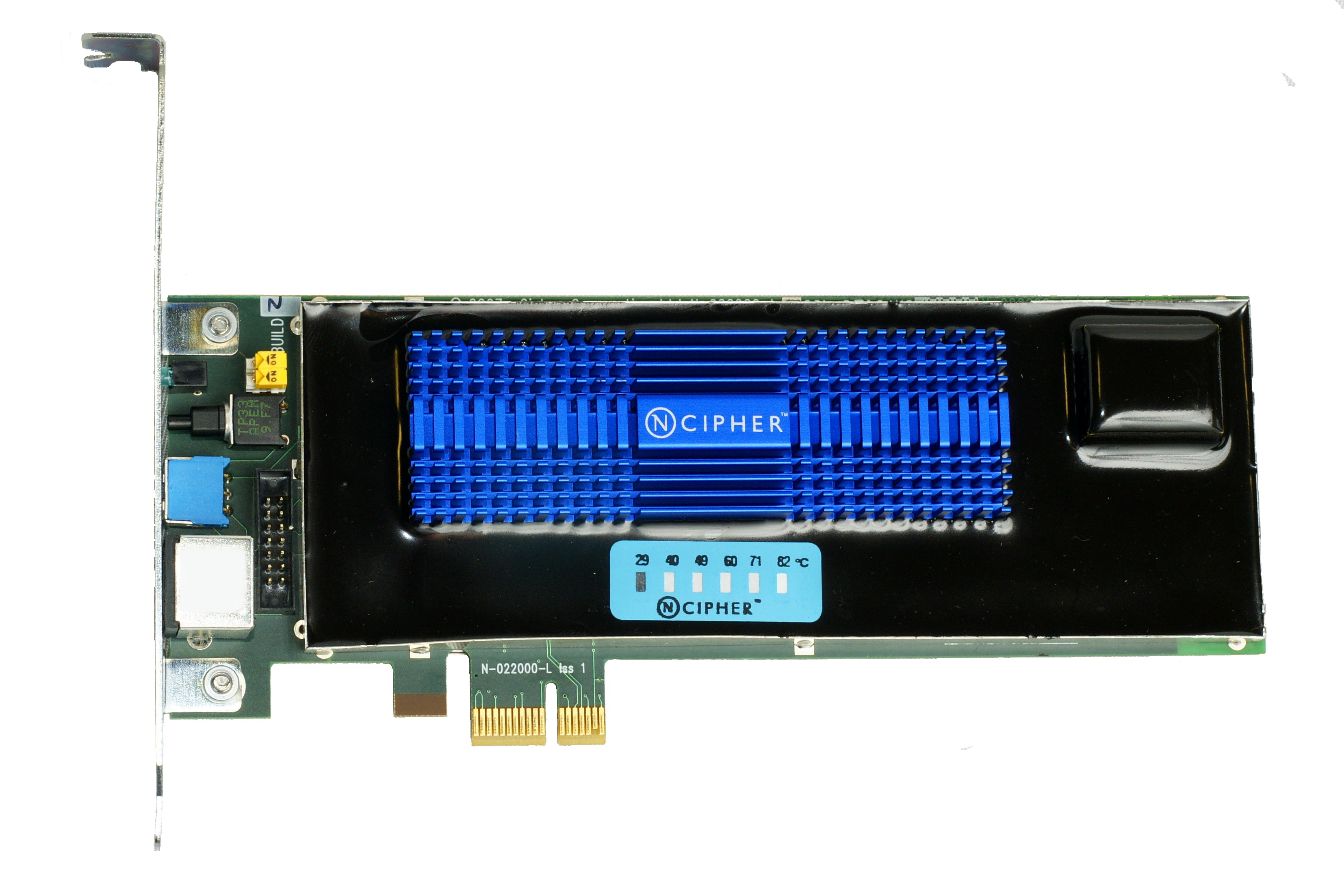
The Infrastructure of Keys Managing all these keys is a monumental task. A Public Key Infrastructure (PKI) manages the creation and distribution of digital certificates and public keys, ensuring that when you connect to a server, it is cryptographically trusted. To protect the most critical private keys (like the root keys of a PKI), organizations use a Hardware Security Module (HSM), which is a dedicated physical computing device that safeguards and manages digital keys, designed to self-destruct its contents if physically tampered with.
Data is fluid. To protect it, a SOC analyst must understand its current state, as each state requires distinct cryptographic countermeasures.
- Data at rest refers to inactive data stored physically in any digital form (hard drives, databases, backups). We protect this using Full Disk Encryption (FDE), which protects data at rest by encrypting the entire storage drive. If a laptop is stolen, FDE ensures the thief just holds a brick of useless ciphertext.
- Data in transit refers to information actively moving from one location to another across a network. When you monitor network traffic, you are looking at data in transit. Transport Layer Security (TLS) is a cryptographic protocol designed to provide communication security over a computer network, preventing attackers from intercepting or modifying data on the wire.
- Data in use refers to active data currently being accessed or processed by an application or user (residing in RAM or CPU cache). Historically, data had to be decrypted to be processed, leaving it briefly vulnerable. However, cutting-edge Homomorphic encryption allows computational operations to be performed on encrypted data without decrypting the data first.
Not all data is created equal. Incident responders prioritize their actions based on the regulatory and financial impact of the exposed information.
- Personally Identifiable Information (PII) is any data that can be used to distinguish or trace an individual's identity. Social Security numbers and full names are examples of Personally Identifiable Information.
- Protected Health Information (PHI) includes any health status or healthcare provision records linked to an individual. The compromise of PHI often triggers severe regulatory fines under laws like HIPAA.
- Cardholder Data includes the primary account number (PAN), cardholder name, expiration date, and service code. To prevent devastating financial fraud, The Payment Card Industry Data Security Standard (PCI DSS) mandates the technical and operational protection of Cardholder Data globally.
Obfuscation and Extrusion Prevention
We frequently need to use databases containing PII, PHI, or Cardholder Data for software testing or analytics, but exposing the raw data is an unacceptable risk.
To mitigate this, Data masking replaces sensitive information with structurally similar but fictitious data for use in non-production environments. A masked database looks real to a developer's application, but the "names" and "credit cards" are mathematical illusions.
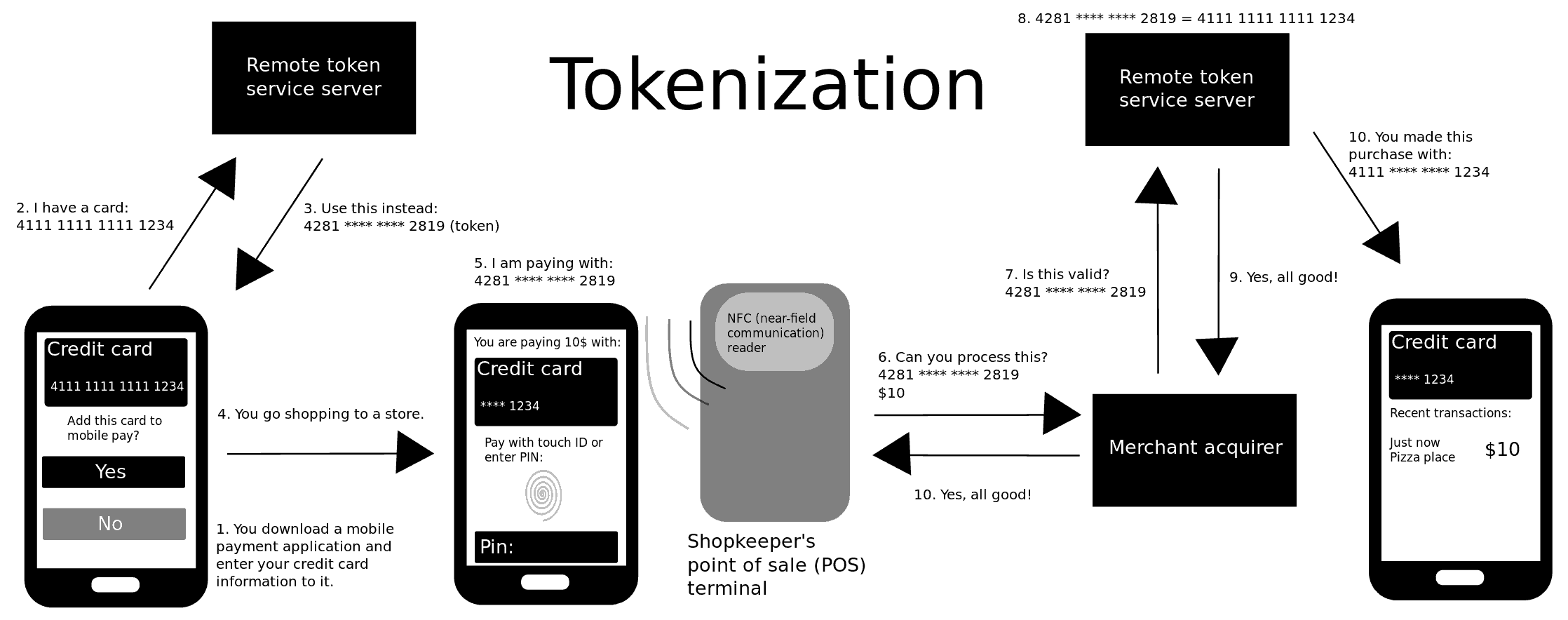
For systems that must handle transactions, Tokenization substitutes sensitive data elements with non-sensitive equivalents called tokens. If an attacker breaches a retail database utilizing tokenization, they do not steal credit card numbers; they steal tokens. Tokens used in tokenization have no extrinsic or exploitable meaning or value—they only work inside the highly guarded internal system that originally issued them.
Finally, organizations implement active guardrails against exfiltration. Data Loss Prevention (DLP) systems detect and prevent the unauthorized exfiltration of sensitive information.
- Endpoint Data Loss Prevention monitors and controls user actions on workstations to prevent sensitive data leaks (such as blocking a user from copying a spreadsheet of SSNs to a USB drive).
- Network Data Loss Prevention inspects outbound network traffic for unencrypted sensitive data, dropping packets and triggering a SOC alert if a compromised server attempts to FTP a database of patient records to a hostile IP address.
Understanding these mechanisms—how identity is established, how access is restricted, how data is cryptographically scrambled, and how sensitive information is actively contained—forms the foundational toolkit of a modern cybersecurity analyst. You aren't just reading logs; you are monitoring the continuous, mathematical pulse of digital trust.