Project Management Planning Basics
Not sure you’re ready?
Take the ~3-minute readiness diagnostic and see where you stand.
Consider the engineering of a commercial aircraft. The initial design, prototyping, and assembly of the first functional jet is a highly constrained, highly coordinated effort. It requires a definitive blueprint that dictates exactly when parts are ordered, what they cost, and how safety tolerances are verified. This blueprint is the project management plan. But once that aircraft rolls off the assembly line and takes to the skies, it enters a decades-long lifespan of commercial flights, passenger feedback, maintenance upgrades, and eventual retirement. Governing that entire ongoing lifespan requires a different strategy entirely: a product management plan. The distinction between orchestrating the creation of a specific output and managing the lifecycle of an evolving asset is the foundational boundary of professional project management.

To master the Certified Associate in Project Management (CAPM) exam, we must pull apart the machinery of planning. We must understand exactly how we lock down the variables of time, money, quality, and risk to deliver a successful output, and we must never confuse the temporary project with the permanent product.
In the realm of project management, hope is not a strategy. We rely on rigorous, documented intentions. A project management plan is a comprehensive document describing how a project will be executed. But a system in motion must be continuously measured and eventually halted. Therefore, a project management plan describes how project execution will be monitored, and just as importantly, a project management plan describes how a project will be formally closed.
According to our central framework, the PMBOK Guide states that the project management plan is developed through the Develop Project Management Plan process. The true genius of this process is integration. Complex projects are managed through specialized, granular plans, but the project management plan integrates all individual subsidiary plans into a single cohesive document.
When we build this plan, we are establishing the rules for a very specific, temporary environment. A project management plan governs the temporary endeavor required to create a new product. Its mandate is narrow and precise: a project management plan focuses on delivering specific outputs. To be considered successful, it aims to deliver outputs within defined time constraints and simultaneously aims to deliver outputs within defined budget constraints.
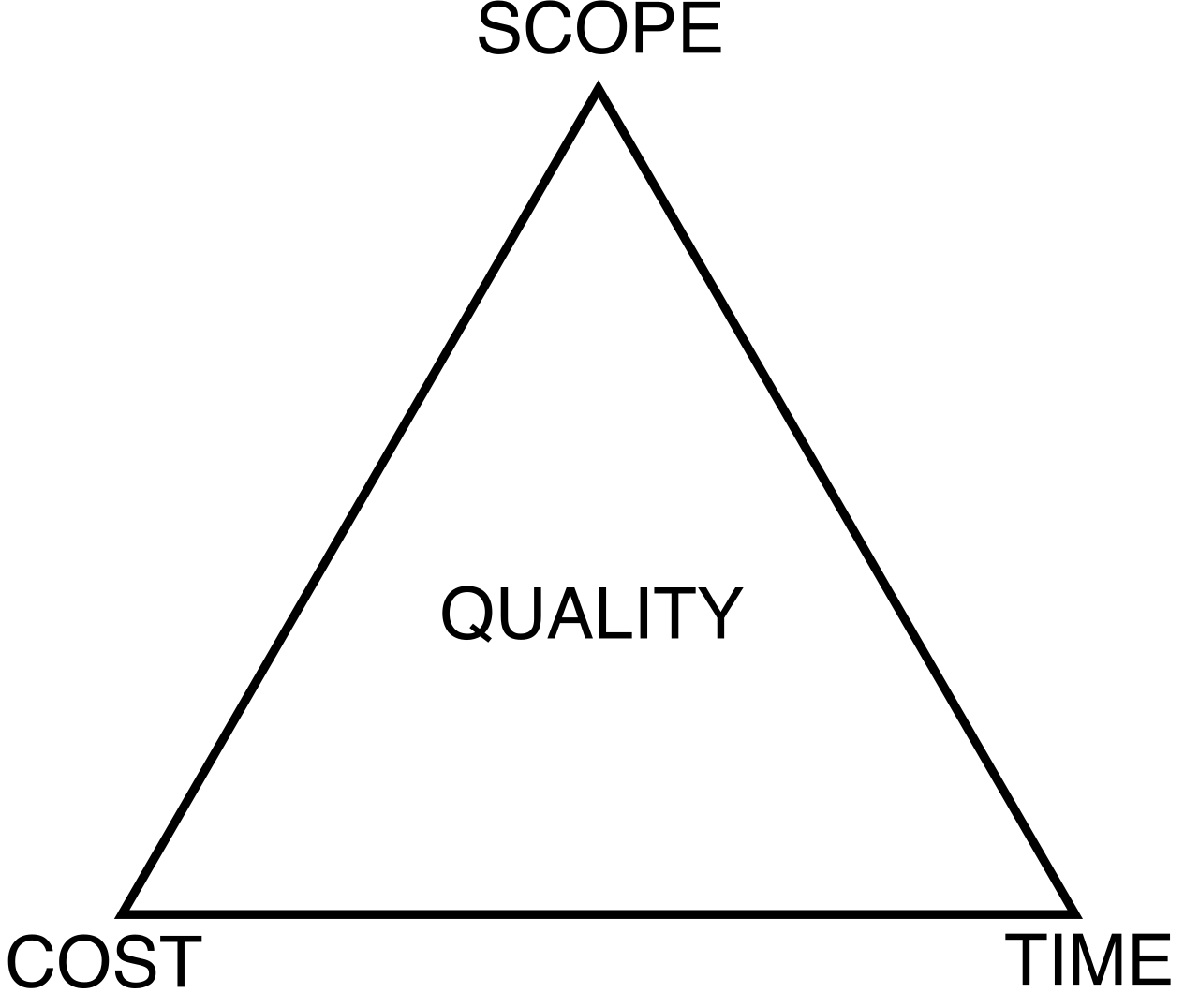
If the project management plan is the master blueprint, the subsidiary plans are the specialized schematics for the critical forces we must control: Schedule, Cost, Quality, and Risk. Let us examine the mechanics of each.
1. Schedule Planning
Time is the one constraint you can never replenish. The purpose of a schedule management plan is to establish the criteria for developing the project schedule. Notice the phrasing: it is not the schedule itself, but the criteria and rules for how the schedule is built.
Once the work begins, the schedule management plan dictates the procedures for monitoring the project timeline and defines the processes for controlling changes to the project timeline. If a stakeholder wants to delay a milestone, this plan tells us exactly how to evaluate and approve that delay.
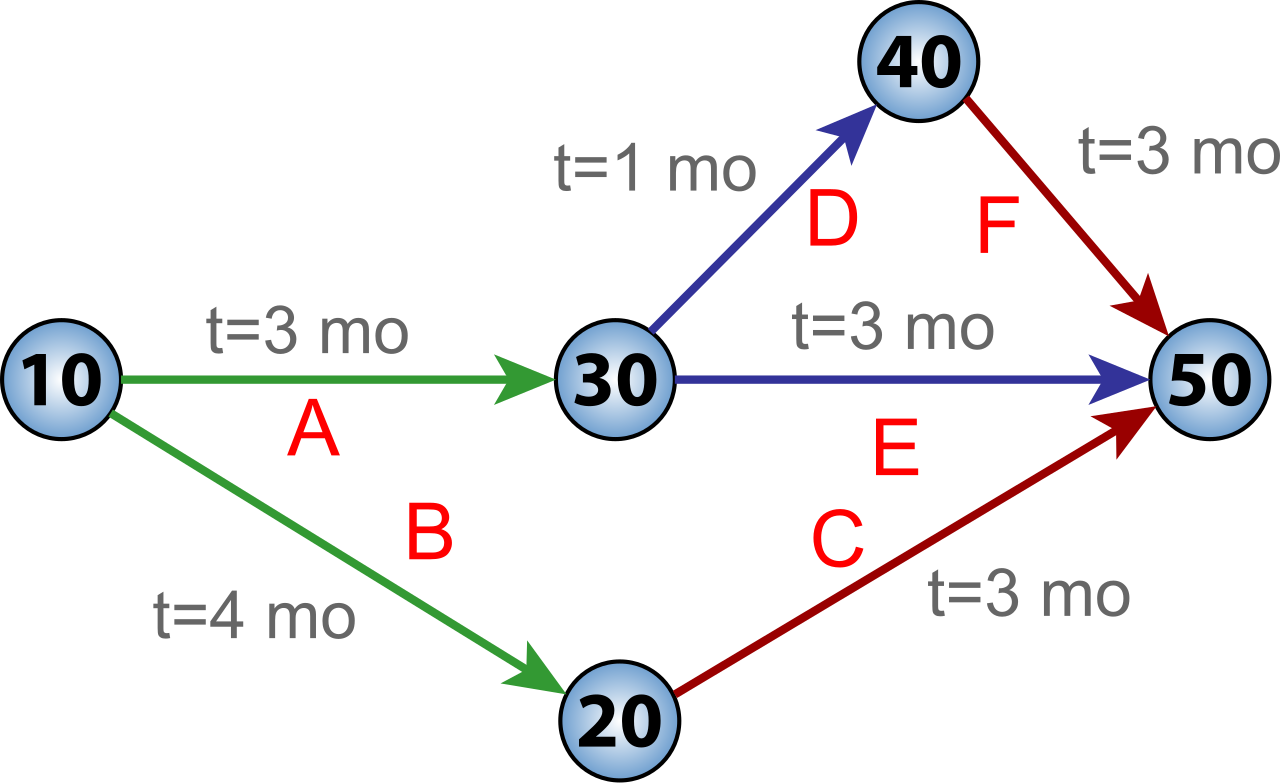
Why is this level of rigor necessary? Because effective schedule planning ensures the timely completion of all project deliverables. In any complex operation, tasks are interlinked—you cannot paint the walls before the drywall is hung. Effective schedule planning helps project managers clearly define and track task dependencies, ensuring the sequence of operations flows without friction.
2. Cost Planning
If time is the unyielding constraint, money is the fuel. The purpose of a cost management plan is to describe how project costs will be estimated. Will we use historical data? Will we estimate from the bottom up? The plan decides.
Moving forward, the cost management plan describes how project costs will be budgeted across the project lifecycle, and it details how project costs will be controlled when financial variances occur.
The physical reality of business requires this discipline because effective cost planning prevents project budget overruns. By safeguarding the financial boundaries, effective cost planning ensures an adequate return on investment for the project sponsor. If we spend $500,000 on a project designed to yield $400,000 in value, the project is a failure regardless of how beautifully it was executed.
3. Quality Planning
Delivering a product on time and under budget is useless if the product does not work. The purpose of a quality management plan is to identify the quality requirements for a project. We must remove subjectivity from the equation. The quality management plan identifies the specific quality standards applicable to project deliverables and explicitly documents how the project will demonstrate compliance with identified quality standards.
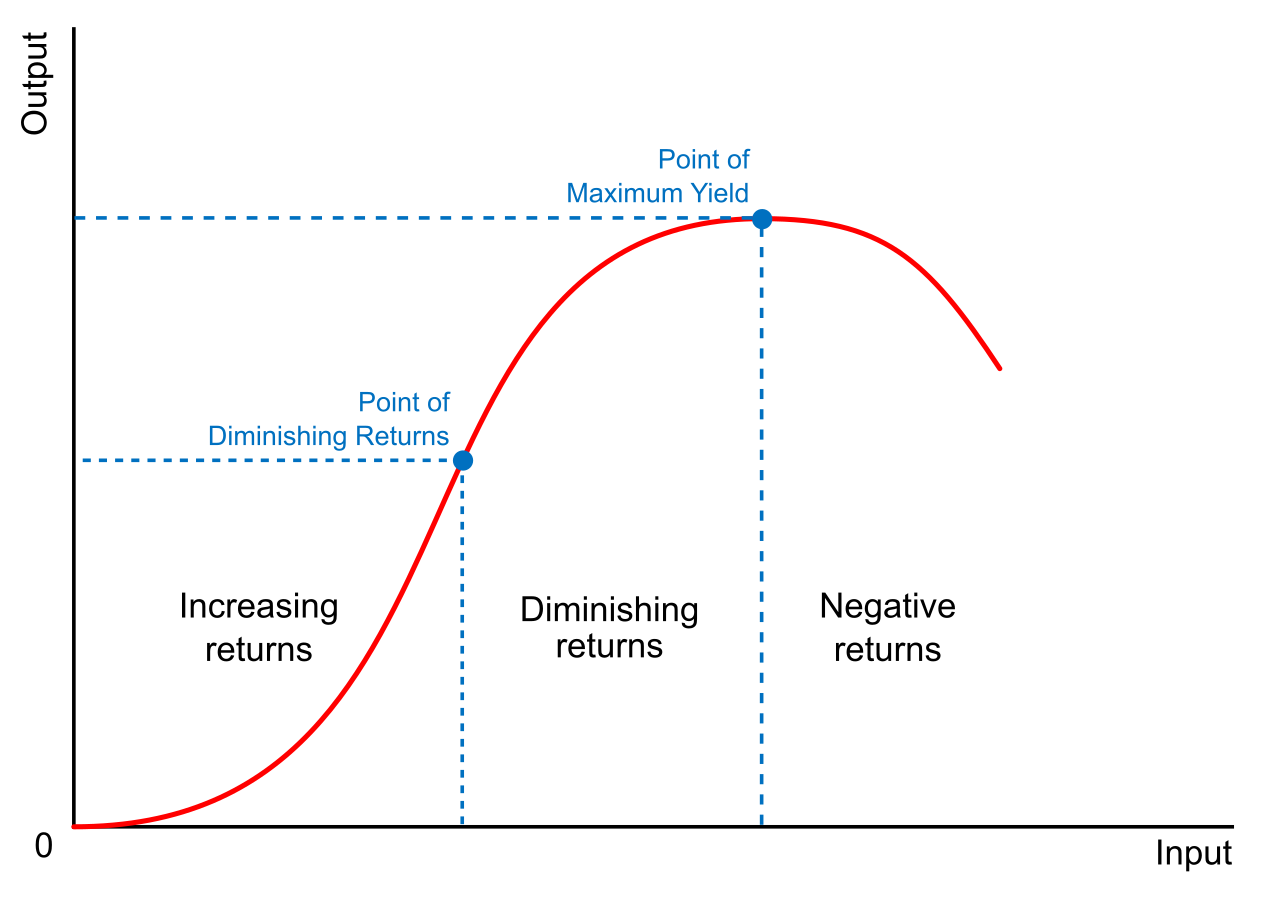
Quality, however, is subject to the laws of diminishing returns. You could spend infinite money testing a software feature, but you shouldn't. Therefore, quality planning relies on cost-benefit analysis to determine the optimal level of quality activities.
When calibrated correctly, effective quality planning ensures the final project deliverables meet customer expectations. Internally, it acts as an incredible cost-saving mechanism because effective quality planning reduces the need for expensive rework during project execution. Doing it right the first time is vastly cheaper than doing it twice.
4. Risk Planning
Uncertainty is a mathematical guarantee in any project. The purpose of a risk management plan is to define the methodology for conducting risk management activities. When a server crashes or a vendor goes bankrupt, chaos is prevented because risk management planning formally defines the roles and responsibilities for managing project risks. Everyone knows exactly who is authorized to pull the alarm and trigger the contingency funds.

Crucially, risk planning must be aligned with the risk appetite of the project stakeholders. A startup building a prototype has a vastly different tolerance for risk than an aerospace firm writing navigation software.
Once calibrated to the stakeholders, effective risk planning allows a project team to proactively identify potential threats. By seeing the storm before it hits, effective risk planning enables a project team to minimize the negative impact of project threats. But risk has two polarities—it is not only about avoiding disaster. Effective risk planning allows a project team to maximize the impact of positive opportunities, allowing us to capitalize on favorable market shifts or faster-than-expected technological breakthroughs.
As an aspiring project professional, you must be able to dissect the project management plan into its distinct components. We divide these into two main categories: the "how-to" manuals (subsidiary plans) and the measuring sticks (baselines).
The Subsidiary Plans: Think of these as the rulebooks governing specific knowledge areas.
- A scope management plan is a subsidiary deliverable of a project management plan.
- A schedule management plan is a subsidiary deliverable of a project management plan.
- A cost management plan is a subsidiary deliverable of a project management plan.
- A quality management plan is a subsidiary deliverable of a project management plan.
The Baselines: A baseline is a frozen, approved snapshot of the project against which we measure our actual performance. If the subsidiary plans are the rules of the game, the baselines are the scoreboard.
- A scope baseline is a specific deliverable contained within the project management plan. (What exactly are we building?)
- A schedule baseline is a specific deliverable contained within the project management plan. (When exactly will it be done?)
- A cost baseline is a specific deliverable contained within the project management plan. (Exactly how much will it cost?)
One of the most profound conceptual leaps you must make for the CAPM exam is understanding the hard boundary between the project and the product.
We know that a project is a temporary endeavor. Therefore, a project management plan has a definitive end date tied to project closure. Once the deliverables are handed over, the project plan's life is over.
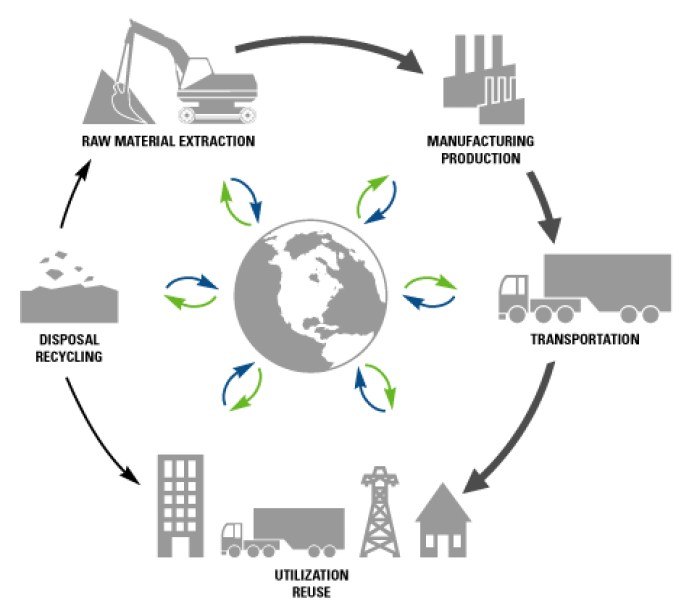
A product, however, lives on. A product management plan focuses on the entire lifecycle of a product from initial creation to final retirement. Because the market is always shifting, a product management plan is continuously updated until the product is removed from the market.
Their fundamental philosophies differ deeply. Where the project plan is obsessed with constraints, a product management plan focuses on maximizing product value. Where the project plan seeks to deliver specific outputs, a product management plan focuses on achieving product-market fit. In summary, while the project plan governs the creation, a product management plan governs the ongoing business strategy for an existing product.
The Examiner's Trap: A question may describe a team prioritizing features based on user feedback over a three-year period to increase market share. This is product management, not project management. Look for the presence of a definitive end date.
To survive the exam—and the modern workplace—you must be able to instantly categorize artifacts based on whether they belong to the temporary project or the ongoing product.
When dealing with a product management plan, you are stepping into the realm of strategy, market analysis, and continuous value delivery. Therefore:
- A product vision statement is a key deliverable of a product management plan. (Where is this product going over the next five years?)
- A product roadmap is a key deliverable of a product management plan. (What is the high-level sequence of major capabilities we will release?)
- User personas are standard deliverables within a product management plan. (Who exactly is the customer using this product?)
- A product backlog is a deliverable associated with a product management plan. (What is the prioritized list of all the features and fixes the product needs?)
- A release plan is a typical deliverable component of a product management plan. (When will we push updates to the market?)
| Feature | Project Management Plan | Product Management Plan |
|---|---|---|
| Lifespan | A project management plan has a definitive end date tied to project closure. | A product management plan is continuously updated until the product is removed from the market. |
| Primary Focus | A project management plan aims to deliver outputs within defined time constraints and budget constraints. | A product management plan focuses on achieving product-market fit and maximizing product value. |
| Key Deliverables | Baselines (Cost, Scope, Schedule) and Subsidiary Plans (Risk, Quality, Cost, Schedule, Scope). | Product vision statement, Product roadmap, User personas, Product backlog, and Release plan. |
By internalizing the deep, structural differences between managing a temporary project and an ongoing product—and by understanding the exact mechanisms we use to control cost, quality, risk, and schedule—you are no longer memorizing terms. You are seeing the matrix of project management exactly as the CAPM exam expects you to see it.