Anti-Trust Issues
Not sure you’re ready?
Take the ~3-minute readiness diagnostic and see where you stand.
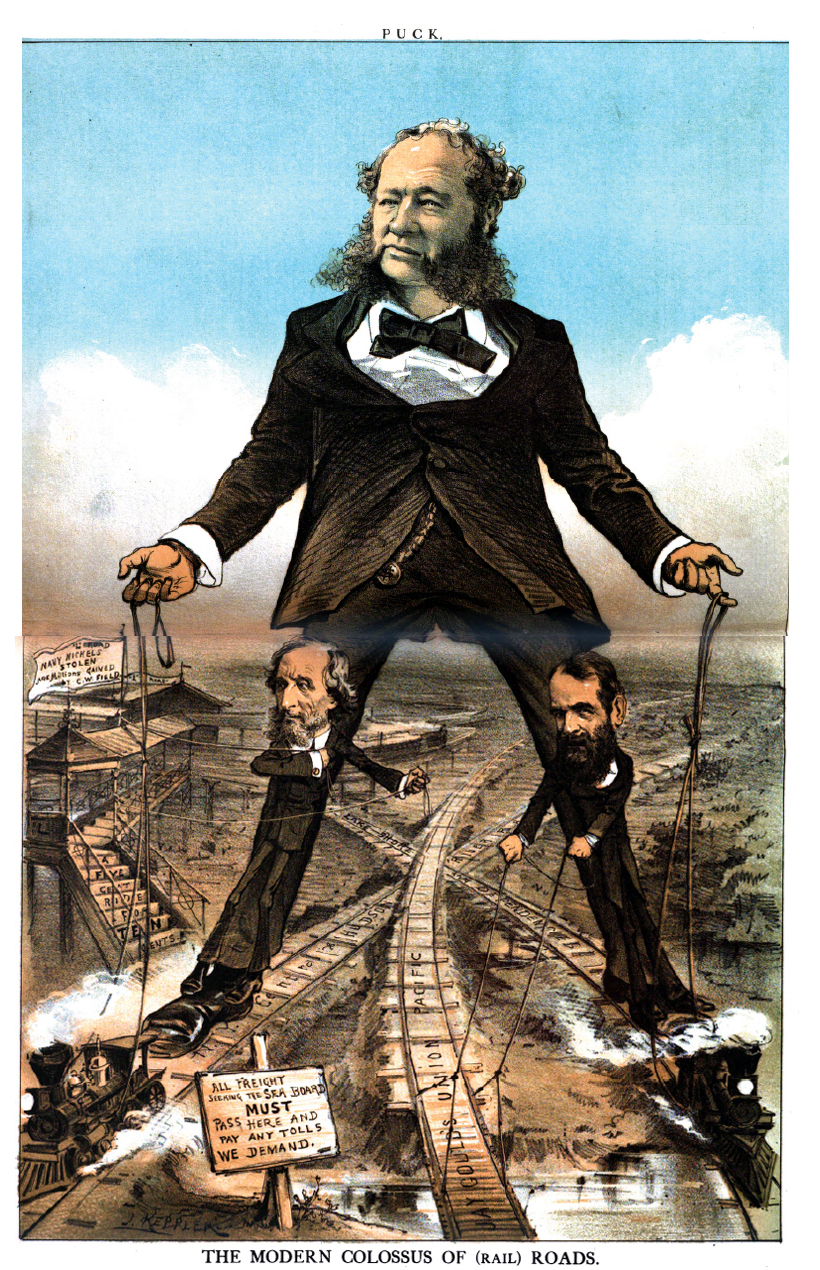
In the mechanics of a free market economy, competition acts as the fundamental regulatory force, driving down prices while elevating the quality of services. When independent actors conspire to bypass this competition, they break the foundational machinery of capitalism. For real estate professionals navigating the New York market, understanding the legal boundaries that protect this competitive environment is not merely an academic exercise—it is a critical safeguard against catastrophic legal and financial liabilities. The laws governing these boundaries, collectively known as antitrust laws, are designed to dismantle artificial market manipulation and prevent monopolies. To master these concepts is to understand precisely where vigorous business strategy ends and an illegal, market-destroying conspiracy begins.
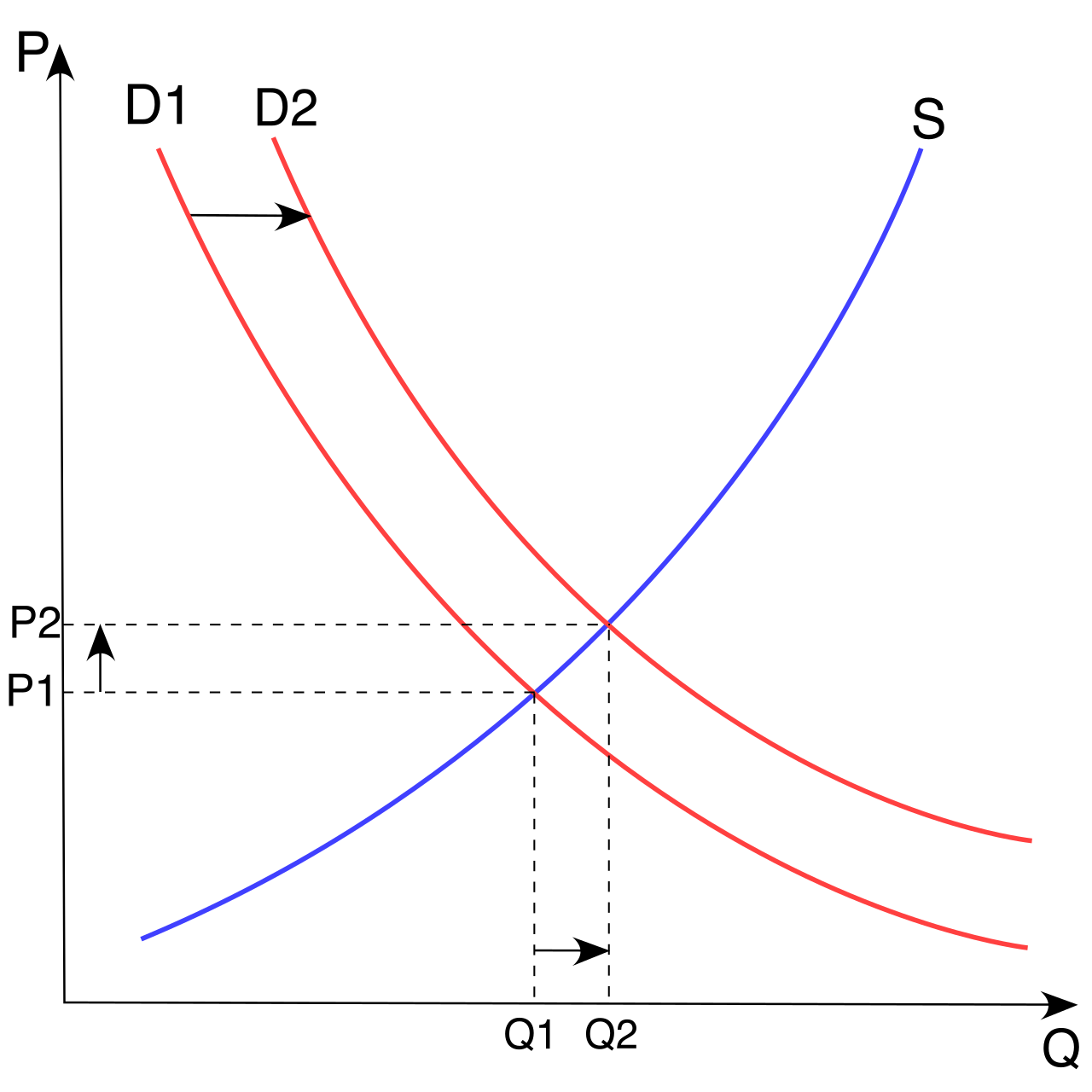
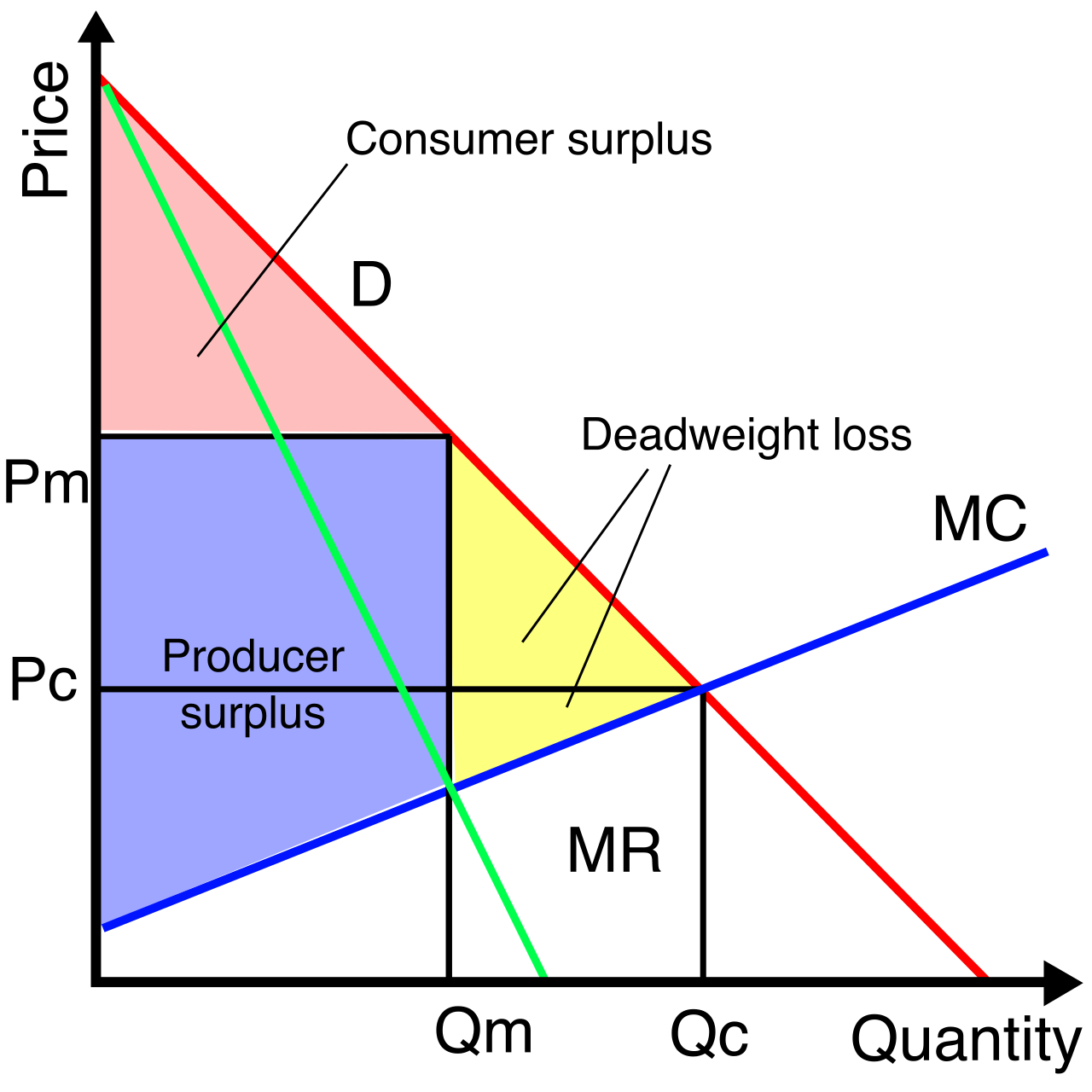
Before we can identify an antitrust violation, we must understand the framework that defines it. Fundamentally, antitrust laws promote free market competition by restricting monopolies and preventing artificial market manipulation. If the real estate market is an ecosystem, antitrust laws are the rules ensuring no group of predators can unlawfully alter the environment to guarantee their own survival at the expense of everyone else.
In the United States, this ecosystem is protected at both the federal and state levels:
- The Sherman Antitrust Act is the primary federal law prohibiting anti-competitive business practices.
- The Donnelly Act is the primary New York state law prohibiting anti-competitive business practices.
To trigger an antitrust violation under these laws, a specific condition must be met: Real estate antitrust violations require an agreement between two or more independent business entities.
This distinction between "independent entities" and a "single entity" is crucial. Think of a real estate brokerage as a single organism. The broker of record is the brain, and the affiliated salespersons are the limbs. Therefore, an internal agreement regarding compensation between a single real estate broker and the broker's affiliated salespersons does not constitute an antitrust conspiracy.
Because a brokerage firm operates as a single economic unit, a real estate brokerage firm can legally dictate the exact commission rates charged by the firm's own affiliated licensees. A principal broker can definitively tell their agents, "Our office does not accept listings for less than a 5% commission." That is lawful business policy. The crime only occurs when the broker walks across the street and makes that same agreement with a competing broker.
When competing brokerages cross the line from independent operators into collaborative conspirators, they typically fall into one of four traps. These are the core antitrust violations tested on the New York Real Estate Salesperson exam, and they are the scenarios you must be strictly vigilant against in daily practice.
1. Price Fixing: The Illusion of "Standard" Rates
Price fixing occurs when competing real estate brokers agree to set identical commission rates, or when they agree to set uniform fees for specific real estate services (such as charging an identical flat fee for comparative market analyses or lease processing).
One of the most dangerous misconceptions in real estate is the idea of "going rates." By law, real estate commission rates are fully negotiable between the principal and the broker. There is no legally mandated rate, no state-approved percentage, and no board-authorized fee.
Because rates must remain purely a product of free market negotiation, a real estate agent violates antitrust laws by merely claiming that a standard commission rate exists within the local market. If a seller asks you, "Isn't 6% the standard rate around here?" and you reply, "Yes, that's what all the brokers in town charge," you have just articulated an antitrust violation. You have artificially anchored the price in the consumer's mind based on an illusory competitor consensus.
The "Reasonableness" Fallacy A common defense among accused price-fixers is, "But the price we agreed on was fair to the consumer!" The courts do not care. Price fixing violates antitrust laws even if the agreed-upon prices are considered reasonable by the involved parties. The crime is the act of fixing the price, thereby removing the consumer's ability to let the free market dictate the cost.
2. Group Boycotting: The Exclusion Game
In a healthy market, businesses compete fiercely but they do not collude to destroy another business's ability to participate in the market. Group boycotting occurs when two or more competing brokers agree to withhold patronage from a third business entity.
Consider the reality of real estate: brokerages rely heavily on cooperation, usually facilitated through a Multiple Listing Service (MLS). What happens when a new business model enters the market, such as a brokerage offering a flat-fee listing service or a drastically reduced commission model? Traditional brokers might feel threatened.
If a group of traditional brokers get together and say, "We are going to punish this new discount broker," that is an antitrust violation. Specifically, an example of group boycotting occurs when competing real estate firms mutually agree to avoid showing the listings of a specific discount brokerage. By starving the discount broker of buyer traffic, the traditional brokers are conspiring to forcibly eject a competitor from the market, depriving consumers of a lower-cost option.
3. Market Allocation: Carving Up the Pie
If price fixing is about controlling what people pay, market allocation is about controlling where and to whom people can go for services.
Market allocation occurs when competing brokers agree to divide geographic territories to eliminate mutual competition. Imagine Broker A and Broker B are the two dominant firms in a county. They meet for coffee and Broker A says, "I will only take listings on the north side of the highway, and you only take listings on the south side. We will stop stepping on each other's toes." By doing this, they have created two localized monopolies. A seller on the north side no longer has Broker B as an alternative, meaning Broker A can lower their service quality or raise their rates without fear of competition.
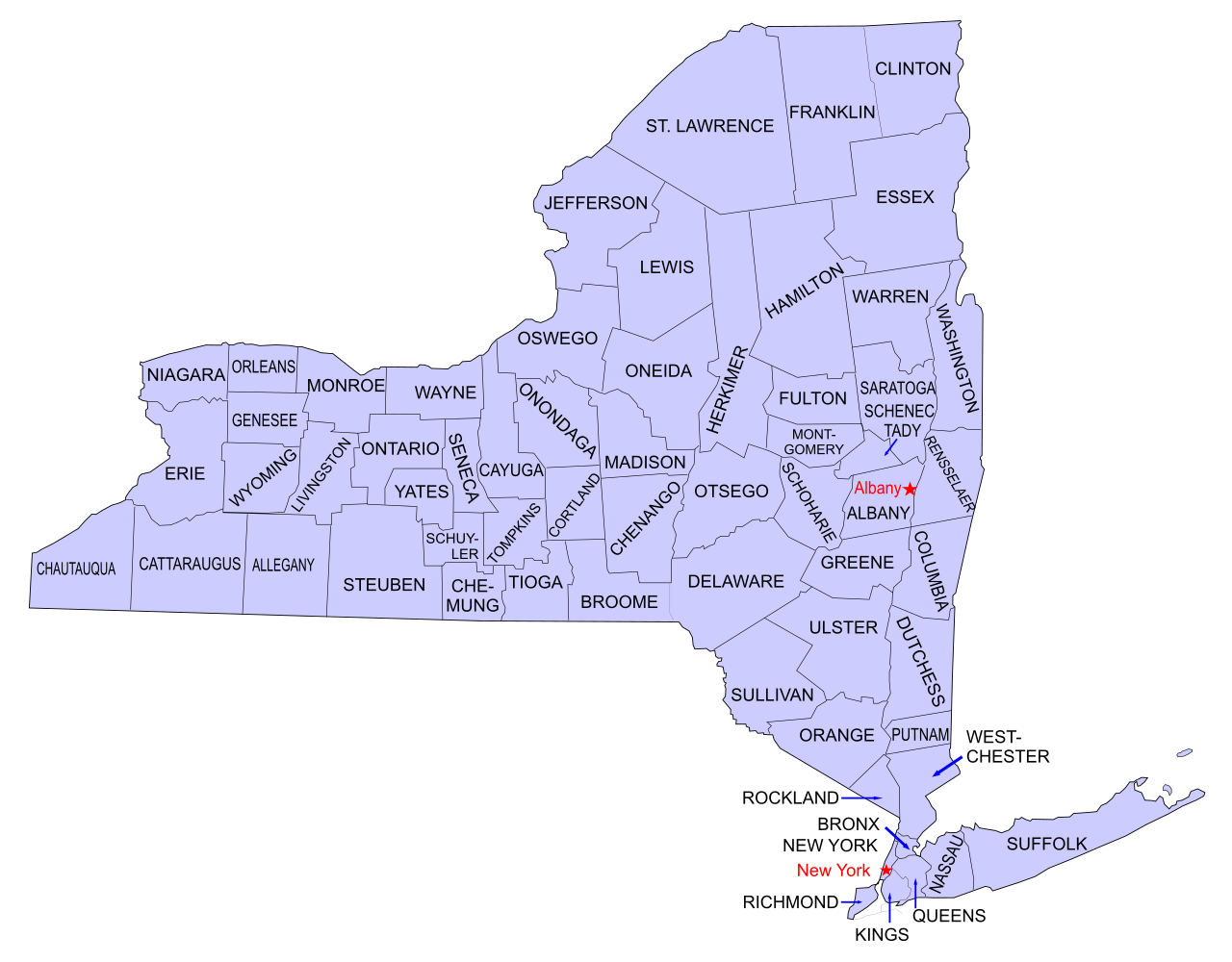
Geographic boundaries are not the only way to allocate a market. Market allocation also occurs when competing brokers agree to divide potential clients based on property price ranges. If Broker A agrees to only handle properties under $500,000, while Broker B agrees to solely handle luxury properties above $500,000, they have unlawfully carved up the consumer base to eliminate mutual competition.
4. Tie-In Arrangements: The Forced Package Deal
A tie-in arrangement leverages a consumer's desire for one product to force them into buying something else. Specifically, it requires a buyer to purchase a second distinct product as a mandatory condition for purchasing the primary product.
In real estate, the "product" is often a service, a piece of land, or a loan. A tie-in arrangement violates antitrust laws when a developer sells a vacant lot only on the condition that the buyer hires a specific real estate broker.
Let us look closely at why this breaks the free market. The buyer wants the land (the primary, "tying" product). The developer holds the power over that land. If the developer says, "I will only sell you this dirt if you sign an exclusive right-to-sell agreement with my sister's real estate brokerage for the home you eventually build here," the developer has unlawfully forced the purchase of a secondary "tied" product (the brokerage service). The buyer is stripped of their right to shop the open market for the best real estate agent.
One of the most terrifying realities for an unwary real estate professional is how easily an antitrust investigation can be triggered. You do not need a signed contract, an email chain, or a secret midnight meeting to be convicted of an antitrust conspiracy.
Antitrust enforcement agencies can penalize real estate professionals for unwritten anti-competitive agreements. The courts understand that conspirators rarely write down their crimes. Furthermore, antitrust enforcement agencies can penalize real estate professionals for implied anti-competitive agreements based on parallel business behavior.
What does "parallel business behavior" mean? Imagine three different brokerages suddenly, on the exact same day, raise their minimum commission requirements to the exact same percentage, and simultaneously implement identical junk fees. Even without a paper trail, investigators can look at this parallel behavior and infer that an implied agreement took place.
Because of this, mere proximity to anti-competitive discussions is intensely dangerous. Real estate professionals face antitrust liability for merely discussing compensation models with competing brokers at trade association meetings. If you are sitting at a table at a local Board of Realtors luncheon, and another broker starts complaining about commission compression and suggests everyone "hold the line at 6%," you must not just stay silent. Silence can be legally interpreted as quiet assent to a conspiracy. You must loudly announce your departure, physically leave the room, and immediately report the incident to your principal broker.

The state and federal governments do not view antitrust violations as mere administrative errors or ethical lapses; they view them as theft from the public, and they prosecute them aggressively.
Violations of the federal Sherman Antitrust Act can result in severe financial penalties as well as criminal imprisonment. The New York Donnelly Act carries similarly devastating, felony-level consequences at the state level.

Summary of Penalties
| Law | Violator Type | Financial Penalty | Criminal / Prison Consequence |
|---|---|---|---|
| Sherman Act (Federal) | Individual | Up to $1,000,000 | Up to 10 years in federal prison |
| Sherman Act (Federal) | Corporation | Up to $100,000,000 | N/A (Corporations cannot be imprisoned) |
| Donnelly Act (NY State) | Individual | Up to $100,000 | Classified as a Class E felony |
| Donnelly Act (NY State) | Corporation | Up to $1,000,000 | Classified as a Class E felony |
Note: Under the New York Donnelly Act, an individual violator can face criminal fines of up to one hundred thousand dollars, while a corporate violator can face criminal fines of up to one million dollars. Furthermore, a violation of the New York Donnelly Act is classified as a Class E felony.
For a real estate professional, an antitrust conviction is the end of a career. Beyond the massive fines and potential decades in prison, a Class E felony conviction under the Donnelly Act ensures the permanent revocation of your real estate license.
Closing Perspective
When you step into the real estate market, you are participating in one of the largest engines of wealth creation in the United States. The rules of antitrust—Sherman and Donnelly—exist to keep the engine running smoothly for the consumer. By fiercely competing on your own merits, negotiating your own compensation independently, and refusing to participate in exclusionary or price-fixing behavior, you not only protect yourself from severe criminal liability; you uphold the very integrity of the market you serve.