Completing the Signature Page
Not sure you’re ready?
Take the ~3-minute readiness diagnostic and see where you stand.
In the intricate machinery of New York real estate transactions, trust is not an assumption; it is a legally mandated declaration. Long before contracts are drafted or escrow accounts are funded, the foundational alignment of loyalty and duty between an agent and a consumer must be established. This mechanism of transparency is codified in New York Real Property Law Section 443, which strictly requires real estate licensees to present a written agency disclosure form to prospective buyers and sellers. This is not merely a bureaucratic hurdle—it is the absolute starting line of professional representation. To operate without executing this protocol is to navigate a complex legal landscape blindfolded, risking the very license that allows a practitioner to operate in the state.
The timing of the agency disclosure is not arbitrary. New York law dictates that the New York agency disclosure form must be presented at the first substantive meeting with a prospective client or customer.
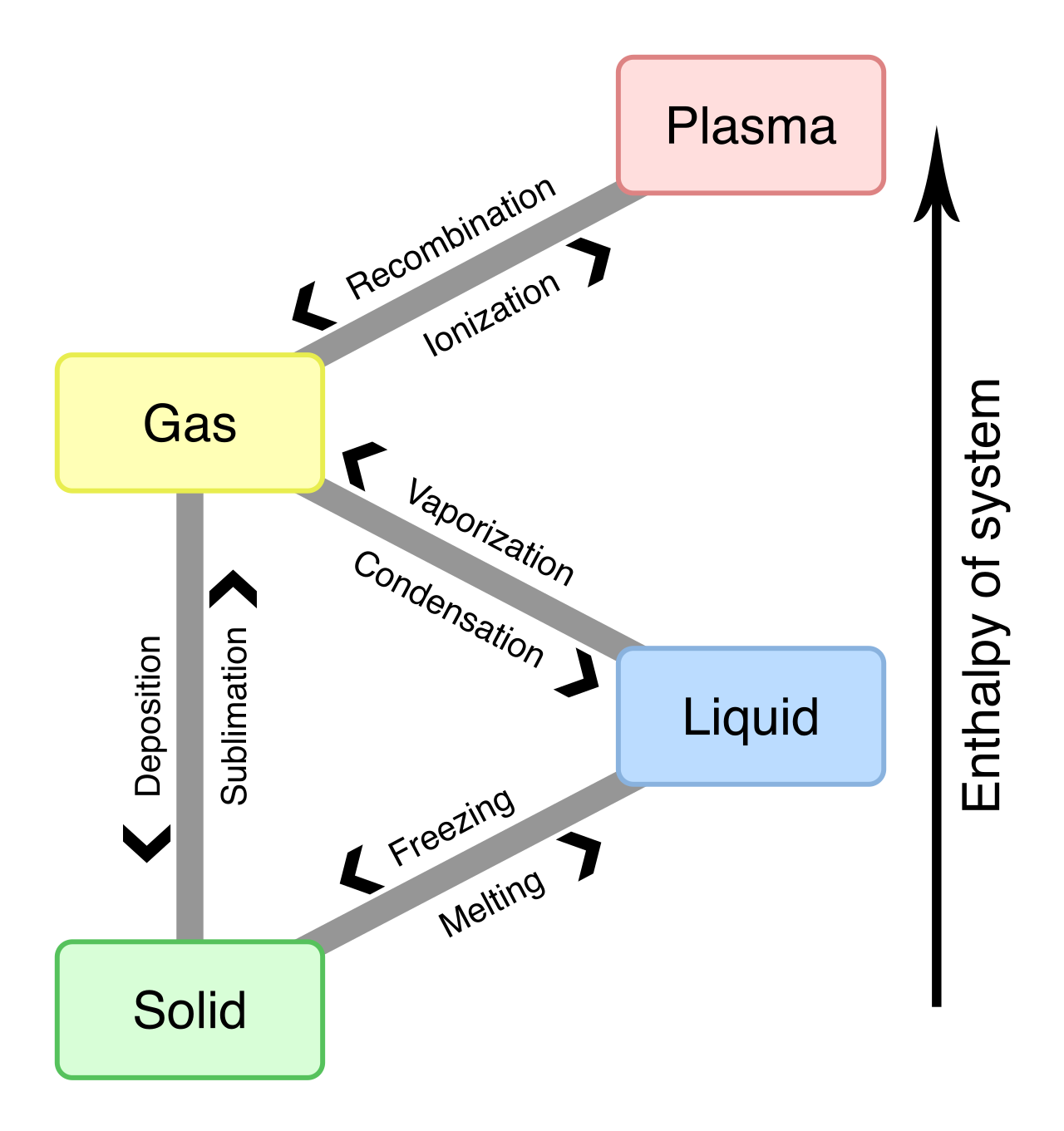
But what defines "substantive"? In physics, a phase change occurs when energy alters the state of matter—from ice to water, or water to steam. In real estate, the interaction changes state from a casual encounter to a substantive meeting the moment a prospective buyer or seller begins discussing specific real estate needs with an agent. The dialogue shifts from the abstract to the concrete.
To recognize this phase change in the field, watch for these specific triggers. A first substantive meeting definitively occurs when:
- A real estate licensee begins showing specific properties to a prospective buyer. (Unlocking a door to a specific listing is a concrete act of real estate service).
- A real estate licensee discusses a prospective buyer's financial capabilities. (If a consumer reveals they are pre-approved for an $850,000 mortgage, they are offering confidential data that requires agency clarity).
- A real estate licensee discusses pricing strategies with a prospective seller. (Analyzing comparables and suggesting a listing price crosses the threshold into substantive representation).
Because this disclosure establishes the rules of engagement, timing relative to contracts is critical. The agency disclosure form must be presented before a real estate agent enters into a listing agreement with a seller. Equally, it must be presented before a real estate agent enters into a buyer representation agreement with a buyer. A consumer cannot legally bind themselves to your representation if they have not yet been disclosed exactly what your representation entails.
The open house environment is uniquely perilous for agency disclosure. You are standing in a property, surrounded by strangers who are inherently interested in real estate. However, the law provides a buffer: casual conversation at an open house does not constitute a first substantive meeting. Discussing the neighborhood amenities or the weather does not trigger the requirement.
The phase change at an open house relies on the depth of the consumer's inquiry.
| Casual Encounter (No Form Required) | First Substantive Meeting (Form Required) |
|---|---|
| "What a lovely day to be looking at houses." | A prospective buyer expresses an intent to make an offer on the home. |
| "Are there many other homes for sale in this area?" | A prospective buyer asks detailed questions about the property's condition, such as the age of the roof or the state of the foundation. |
| "Thanks for letting us walk through." | The buyer asks, "Would the seller accept $50,000 below asking?" |
Once the conversation crosses into intent or detailed property mechanics, the agent must pause the conversation and present the disclosure form.
In modern real estate, the first substantive meeting rarely happens in a pristine office setting. Often, consumers reveal their specific real estate needs, financial capabilities, or pricing strategies remotely. The law adapts to the medium of communication.
If a first substantive meeting occurs over the telephone, it is physically impossible to hand a consumer a piece of paper. In this scenario, the agent must provide the agency disclosure form during the first face-to-face meeting that follows that phone call.
Conversely, the digital age offers instantaneous delivery. If a first substantive meeting occurs over email—for instance, a buyer emails you their target neighborhoods and mortgage pre-approval—the agent must transmit the agency disclosure form electronically to the consumer. A prompt reply attaching the form fulfills the statutory requirement.
A common psychological friction point in real estate is the moment an agent slides a document across the table. Consumers are understandably wary of signing anything. It is imperative that you deeply understand, and effectively communicate, the nature of the document.
Crucial Concept: The New York agency disclosure form is not a legally binding contract. It creates no financial obligation. It is entirely a mechanism of informed consent, ensuring the consumer knows who represents whom.
Because it holds no contractual weight, a consumer possesses the legal right to refuse to sign the New York agency disclosure form.
When a consumer refuses, inexperienced agents often freeze, assuming the transaction is dead. This is incorrect. A real estate agent is legally permitted to continue working with a consumer who refuses to sign the agency disclosure form. The state does not punish the consumer for their apprehension, nor does it punish you for their refusal—provided you follow the strict documentation protocols that follow.
If a consumer invokes their right to refuse, the burden of proof shifts to the licensee. The Department of State requires absolute evidence that you fulfilled your duty under Section 443, even if the consumer declined to participate. Therefore, when a consumer refuses to sign the agency disclosure form, the real estate agent must officially document the refusal.
To achieve this, the agent documenting a refusal to sign must complete a written declaration stating the facts of the refusal. This is an official record created by you, the agent. To be compliant, this written declaration of refusal must contain four specific elements:
- The Identity: It must explicitly state the name of the consumer who refused to sign the agency disclosure form.
- The Chronology: It must include the exact date and time the agency disclosure form was presented to the consumer.
- The Rationale: It must include the specific reason given by the consumer for refusing to sign the form (e.g., "Consumer stated they never sign documents without their attorney present").
- The Attestation: It must be signed and affirmed by the real estate agent who presented the original form.
Protocol Post-Refusal
Once the written declaration is complete, you have two immediate administrative duties.
First, toward the consumer: an agent must provide a copy of the unsigned agency disclosure form to the consumer who refused to sign the document. Even though they rejected it, they are entitled to walk away with the text that was presented to them.
Second, toward your brokerage: a real estate agent must promptly provide the completed written declaration of refusal to the agent's employing broker. The broker is ultimately responsible for the compliance of their agents, and this document shields the brokerage from liability.
The real estate industry relies heavily on mandated record-keeping to ensure fair dealing and regulatory oversight. When it comes to agency disclosure, the Department of State requires a robust institutional memory.
- New York law requires a real estate broker to retain a copy of all signed agency disclosure forms for a period of three years.
- Equally critical, New York law requires a real estate broker to retain a copy of the written declaration of refusal to sign for a period of three years.
Whether the consumer happily signs the document or vehemently refuses, the paperwork generated at that first substantive meeting remains locked in the broker's files for 36 months. Understanding this timeline—and the meticulous sequence of presenting, explaining, and documenting the disclosure—is what separates a licensed amateur from an elite, legally compliant real estate professional.