Organizational Patterns and Text Structures
Not sure you’re ready?
Take the ~3-minute readiness diagnostic and see where you stand.
Imagine handing a student the architectural blueprints for a suspension bridge and asking them to identify why the structure will not collapse under its own weight. They cannot simply point to the steel cables or the concrete towers in isolation; they must understand how the spatial arrangement of those materials creates tension and compression. Reading informational texts operates on the exact same principle. When we teach students to analyze informational writing, we are teaching them to reverse-engineer an author's thought process. We are asking them to look past the surface content to see the load-bearing invisible structures—the organizational patterns, the subtle shifts in syntax, and the structural signposts—that support the text's central purpose. For an English educator, mastering these structural mechanics is what separates a superficial summary from a profound critical analysis.
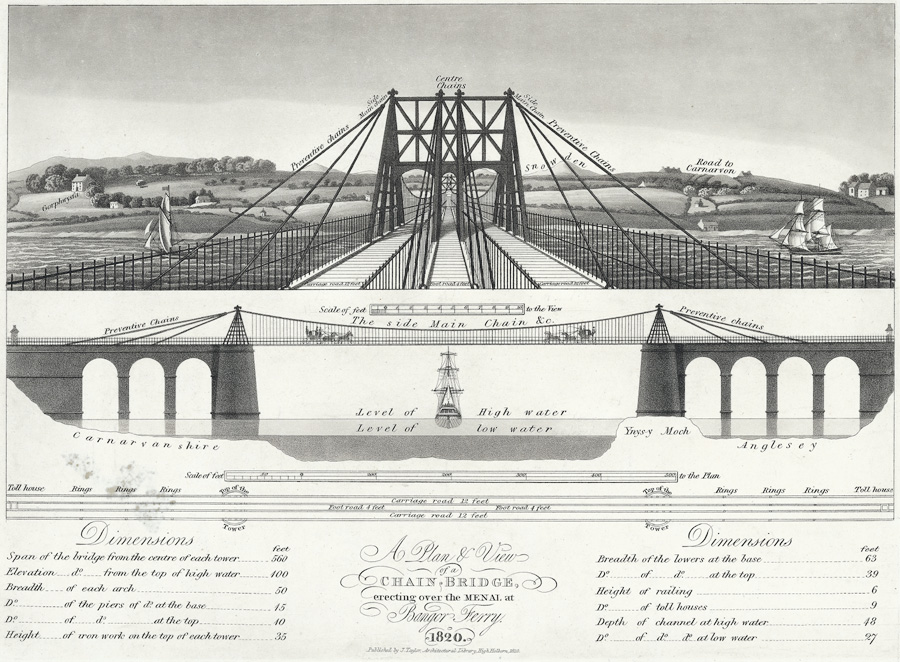
Before a reader can analyze how a text is built, they must understand what is actually being constructed. Students often conflate what a text is about with what a text means.
The topic of a text is the broad subject matter being discussed. It is the raw material—for instance, "climate change," "the American Revolution," or "cellular mitosis."
The central idea, however, differs from the topic by expressing a specific viewpoint or assertion about the subject matter. It is the overarching message the author wants to convey about the topic. If the topic is "the American Revolution," the central idea might be, "The American Revolution was driven as much by economic frustration as by ideological desire for liberty."
When analyzing informational texts, we encounter two manifestations of the central idea:
- Explicit central idea: This is directly stated by the author within the text. In an informational essay, a thesis statement frequently serves as the explicit central idea, giving the reader an unmistakable compass for the argument ahead.
- Implicit central idea: This is never directly stated by the author. Instead, readers must infer an implicit central idea from the accumulated details and evidence presented in the text. It requires the reader to synthesize the clues left by the writer.
Why this matters for your classroom: When a student reads a historical document and says, "It's about the Civil War," they have only identified the topic. Pushing them to articulate the implicit central idea forces them to transition from passive consumers of information to active interpreters of meaning.
Authors do not merely state a central idea; they must build it. Authors develop a central idea by providing supporting details. These details act as the empirical and logical weight that anchors the author's assertion.
You will teach students to look for three primary classes of supporting details:
- Statistical evidence: Hard data and numbers that provide objective proof.
- Anecdotal evidence: Brief narratives or stories that illustrate a point in a relatable, human way.
- Expert testimony: Quotations or insights from recognized authorities in a given field.
However, a text rarely presents a central idea in its final, perfectly sculpted form in the first paragraph. Instead, authors engage in refining a central idea, which involves narrowing a broad concept into a more specific claim as the text progresses.
One of the most elegant ways an author achieves this refinement is through negation. Authors use contrasting details to refine a central idea by demonstrating what the central idea does not entail. By defining the negative space around an idea—showing the reader the boundaries of what is false or irrelevant—the author sharpens the focus on what is true.

If supporting details are the building blocks, organizational patterns provide a structural framework for presenting information logically. Recognizing these patterns allows readers to anticipate what comes next and understand why the author arranged the information in a particular way.
Below is a breakdown of the primary organizational patterns you must master (and teach), along with the lexical clues—or signal words—that reveal their presence.
| Organizational Pattern | Structural Function | Common Signal Words |
|---|---|---|
| Chronological | Arranges events according to the specific time those events occurred. Used heavily in historical texts and biographies. | subsequently, meanwhile, finally |
| Sequential | Provides step-by-step instructions for completing a process. (Note: Unlike chronological, which is bound to historical time, sequential is bound to procedure). | first, next, then |
| Cause-and-Effect | Explains the reasons a specific event happened and describes the resulting consequences of a specific event. | consequently, therefore, as a result |
| Problem-Solution | Introduces a specific issue or negative situation, and then outlines a method for resolving an identified issue. | dilemma, remedy, resolve |
| Compare-and-Contrast | Highlights the similarities between two or more subjects, while also highlighting the differences between two or more subjects. | conversely, likewise, on the other hand |
| Spatial | Describes items as those items appear in physical space. Crucial in technical writing, geography, and descriptive passages. | adjacent to, beneath, parallel to |
Specialized Hierarchical Patterns
Beyond the standard associative patterns above, authors also arrange information based on weight and category:
-
Order of Importance: This organizational pattern ranks details according to their level of significance. An author might build up to their most compelling argument (ascending) or start with their strongest point (descending).
-
Inverted Pyramid: Frequently utilized in journalism, an inverted pyramid organizational pattern presents the most critical information at the very beginning of the text. As the article progresses, the details become increasingly specific and less vital to the core understanding.
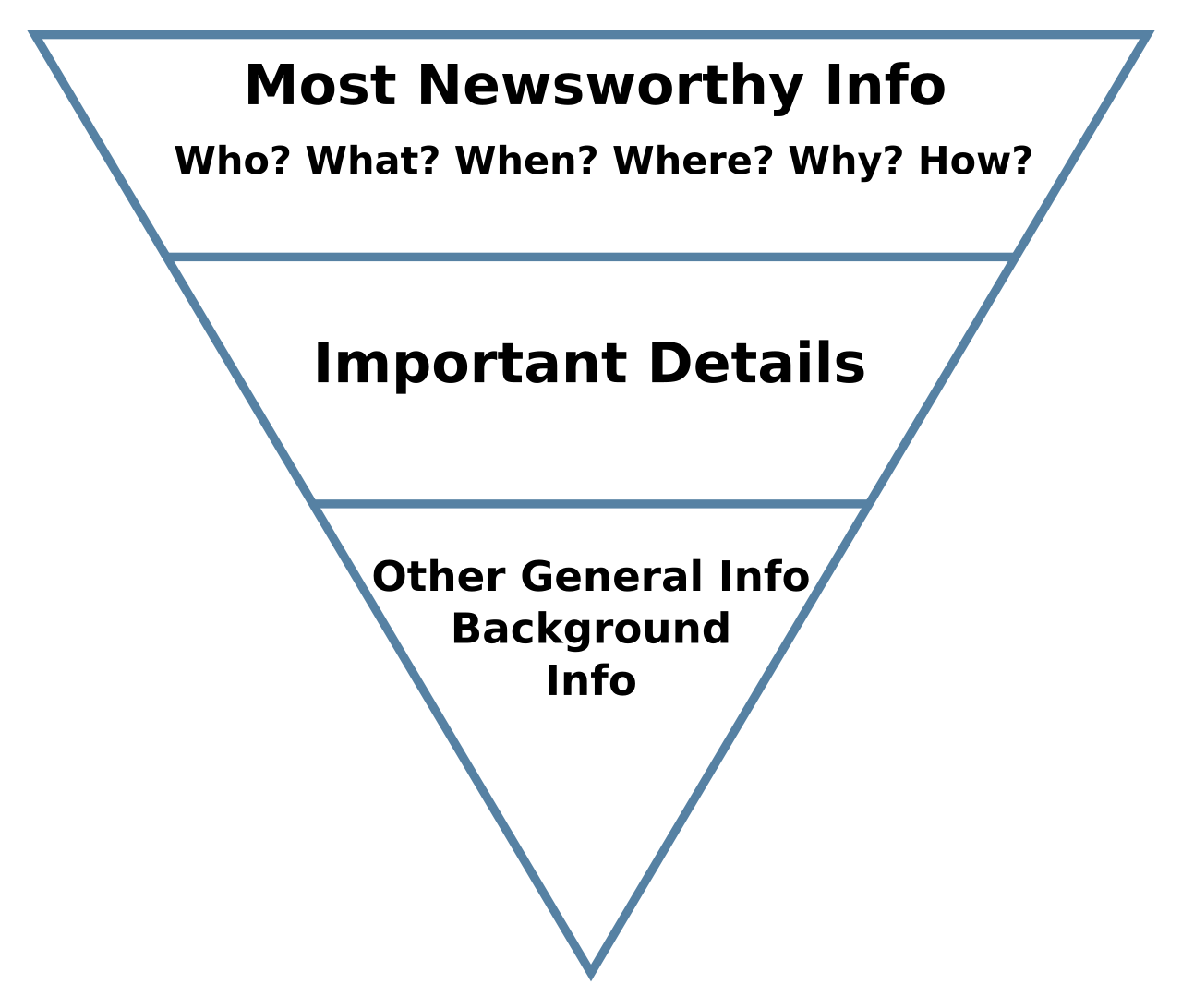
The inverted pyramid structure prioritizes the most critical information at the very beginning of a text, gradually narrowing down to highly specific, less essential details. -
Classification: A classification organizational pattern groups broad subjects into smaller categories. It assigns items to specific categories based on shared characteristics, helping readers process massive amounts of distinct information by recognizing shared traits.
Once the macro-structure (the organizational pattern) is established, the author must engineer the micro-connections between sentences and paragraphs. A text without these connections is like a brick wall without mortar.
-
Transitional words connect ideas by clarifying the logical relationship between sentences or paragraphs. They are the gears that shift the reader's mind seamlessly from one thought to the next.
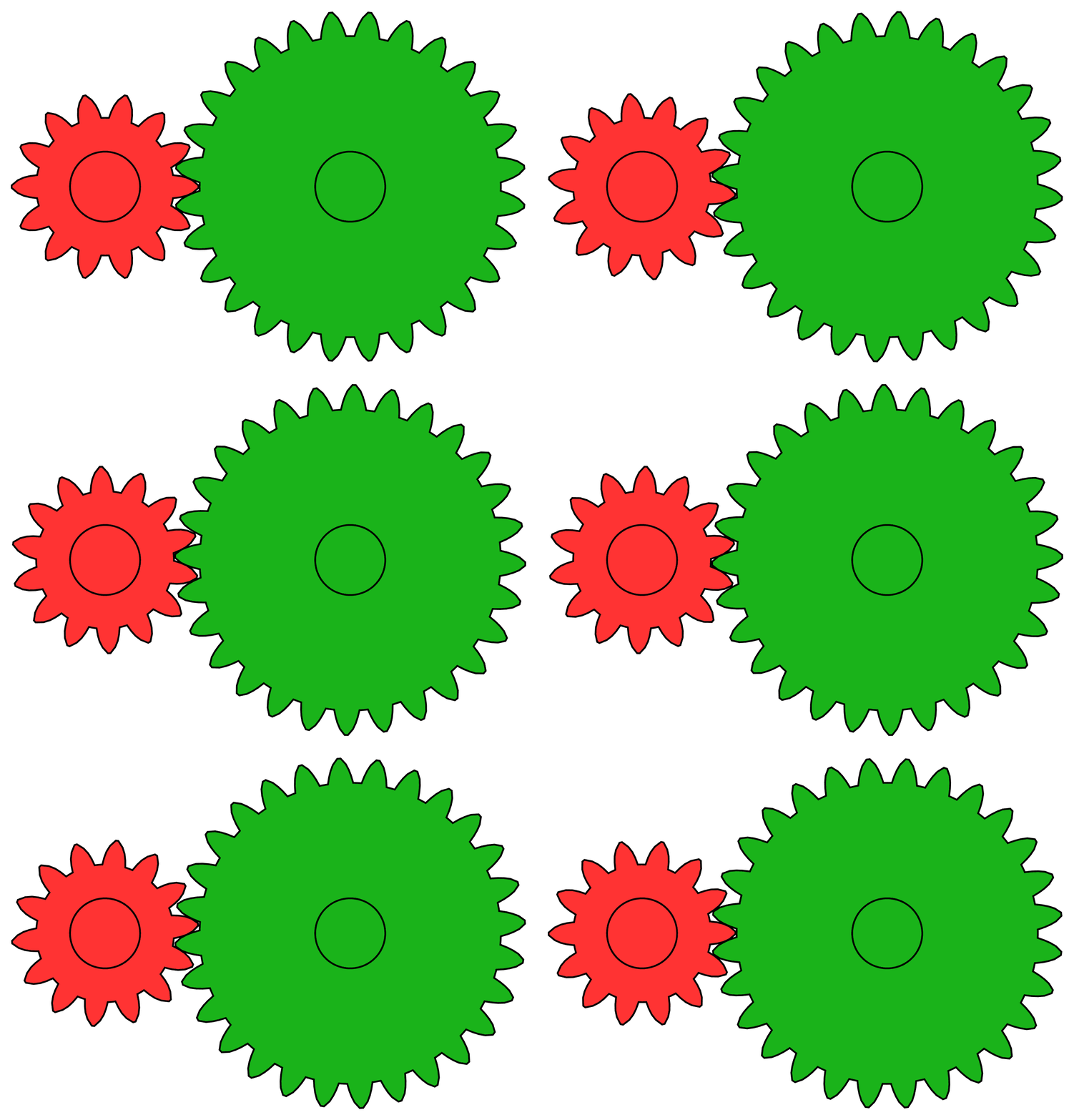
Much like intermeshing gears transferring physical momentum, transitional words transfer logical momentum, moving the reader's comprehension smoothly between distinct sentences and paragraphs. -
Parallel structure connects ideas by using the identical grammatical form for coordinating elements. (e.g., "We must investigate the data, evaluate the findings, and publish the results.") This creates a rhythm that signals to the reader that these ideas hold equal weight.
-
Analogies connect an unfamiliar idea to a highly familiar idea. If an author is explaining quantum entanglement, they might use the analogy of a pair of magic dice. This bridges the cognitive gap for the reader.
-
Juxtaposition distinguishes ideas by placing contrasting concepts side-by-side to highlight their differences. By forcing two opposing ideas into the same visual or conceptual space, the author forces the reader to acknowledge the friction between them.
Finally, we must look outside the prose itself. Text features are structural elements located outside the main body of the text. They are not merely decorative; text features help readers navigate informational content effectively and provide vital context that reinforces the central idea.
Think of these features as the user interface of a book or article.
Pre-Reading and Sectional Navigation
- A table of contents outlines the major sections and page numbers at the beginning of a text, giving the reader an immediate bird's-eye view of the text's organizational pattern.
- Headings identify the overarching topic of an entire section or chapter.
- Subheadings break broader sections of text into smaller and more specific topics, guiding the reader through the nuances of the author's argument.
Visual and Typographical Cues
-
Bold or italicized fonts signal the importance of specific terms to the central idea. They act as visual magnets, drawing the eye to the specialized vocabulary the reader must master.
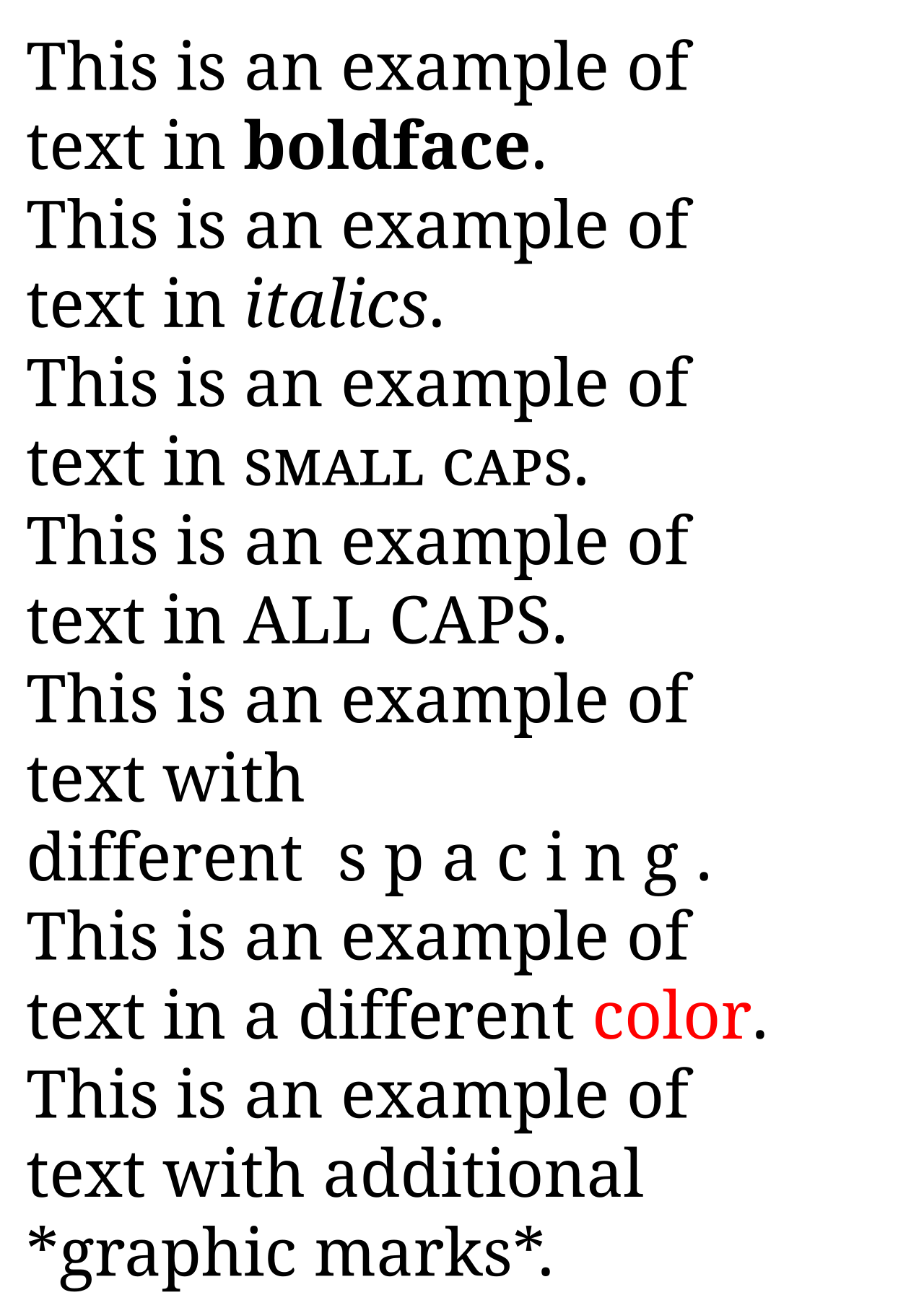
Typographical emphasis, such as bolding and italicizing, serves as a visual cue to alert readers to crucial vocabulary and foundational concepts within a text. -
Captions explain the content and relevance of visual aids like photographs and charts. A chart is useless if the reader does not understand how it corroborates the main text; captions provide that vital link.
Supplementary Context
- Sidebars provide supplementary information related to the main text. Because sidebars are visually separated from the primary narrative flow of the main text, they allow the author to offer deep dives into related trivia or case studies without derailing the primary argument.
- Footnotes provide citations or additional context at the bottom of a page without interrupting the main text flow. They offer a quiet, parallel conversation for the academically curious reader.
Post-Reading Reference
-
A glossary is an alphabetical list of specialized terms and definitions found at the end of a book. It ensures the reader has a unified dictionary for the author's specific jargon.
-
An index is an alphabetical list of specific topics located at the end of a book. Crucially, an index provides the corresponding page numbers for locating specific topics within a book, allowing a reader to trace a single thematic thread across multiple, disparate chapters.
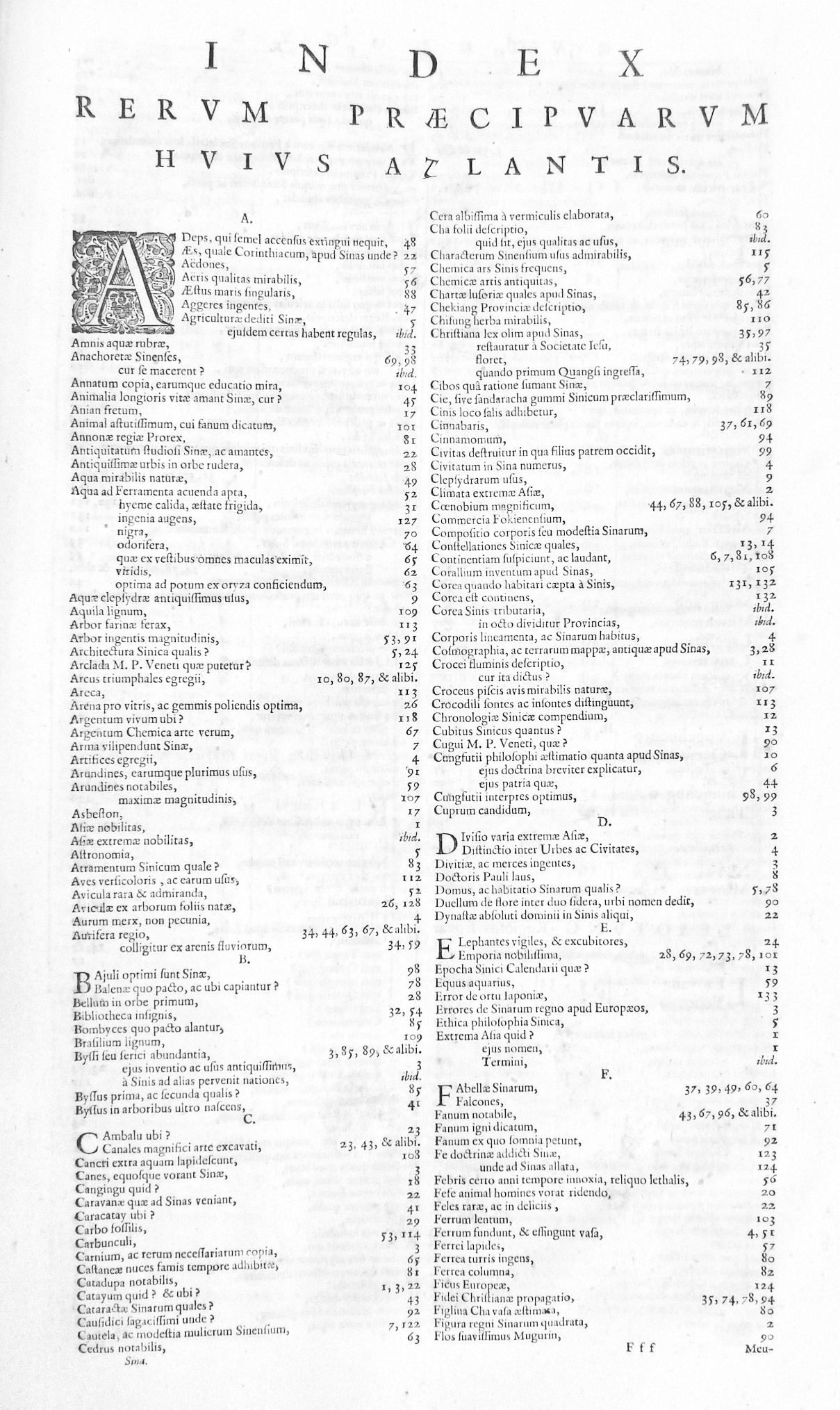
An index from a 1655 atlas. Indexes serve as critical post-reading navigational tools, allowing readers to map and trace specific thematic threads across disparate sections of a text.
Professional Application: When teaching students to tackle dense informational passages on standardized tests or in research projects, train them to scan text features before reading a single sentence of the main body. If they read the title, the headings, the captions, and the bolded words, they have already mapped the architecture of the text. They have already predicted the central idea.