Global Interactions and Colonization (1200-1750 CE)
Not sure you’re ready?
Take the ~3-minute readiness diagnostic and see where you stand.
Imagine a modern geopolitical crisis severing the global supply chain overnight—microchips, pharmaceuticals, and rare earth metals suddenly blocked from reaching western markets. Prices would skyrocket, panic would set in, and the world’s greatest engineers and logistics experts would immediately pivot to finding alternative routes to secure these vital resources. This is precisely what happened in the mid-fifteenth century, not with microchips, but with pepper, cinnamon, and silk. When the Ottoman Empire’s capture of Constantinople in 1453 disrupted overland trade routes to Asia, it severed Europe's traditional economic lifeline. This single geopolitical shock launched an era of unprecedented global interactions, colonization, and exploration (1200–1750 CE).
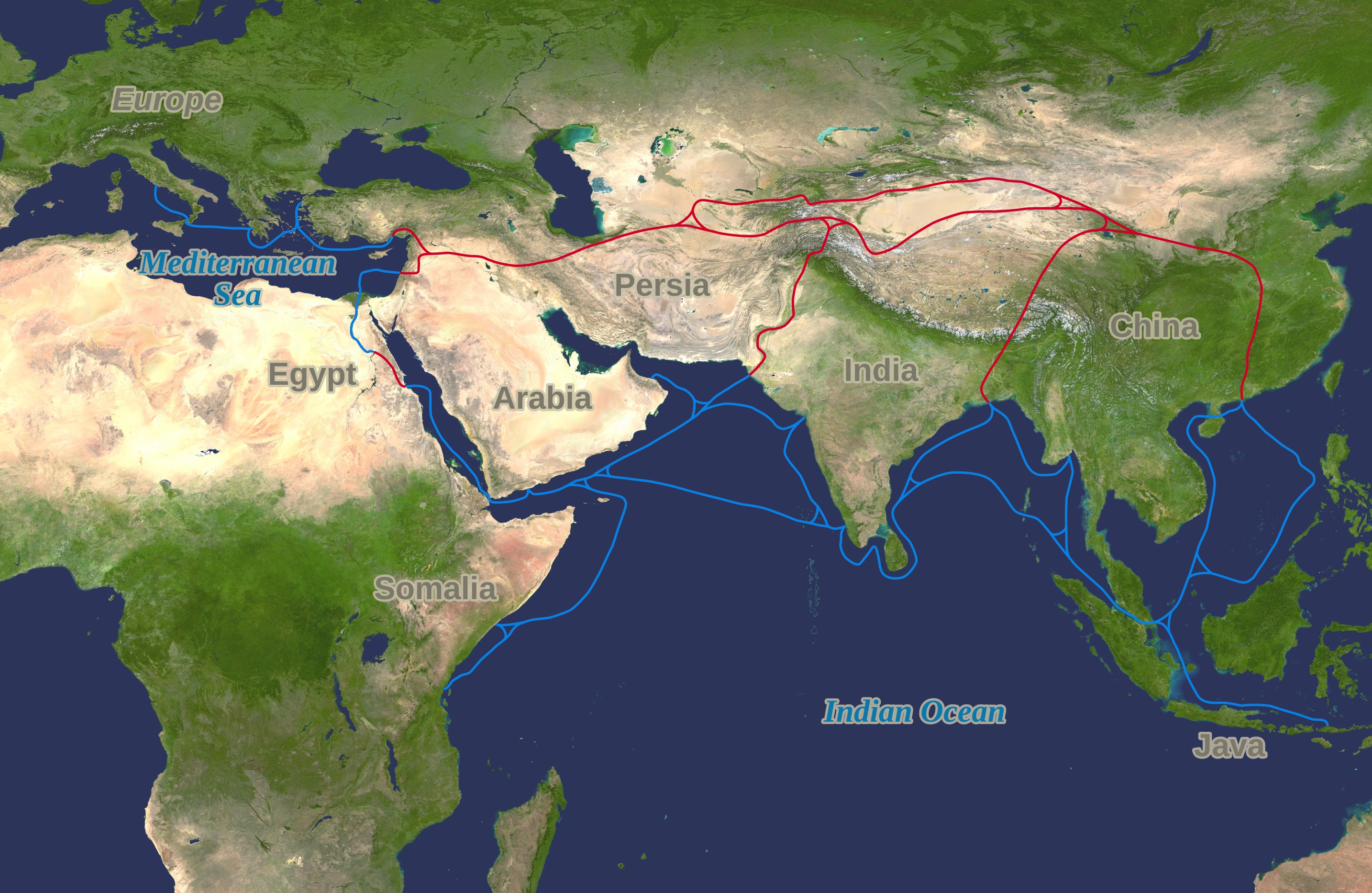
To teach the Age of Exploration effectively, you must demystify the motives. Your students might imagine early explorers as romantic adventurers seeking glory for its own sake. In reality, they were pragmatists trying to solve an economic bottleneck. Because the Ottomans controlled the eastern Mediterranean, European nations sought direct sea routes to Asian markets to bypass Ottoman middlemen in the spice trade.
But desire does not equal capability. To sail into the terrifying unknown of the open ocean, Europe needed a technological revolution. Think of this era as the fifteenth-century equivalent of the Space Race. The epicenter of this research and development was the Iberian Peninsula, where Prince Henry the Navigator established an observatory and school of navigation at Sagres, Portugal. Sagres became a hub—an early Silicon Valley—where cartographers, shipwrights, and sailors collaborated to synthesize the era's cutting-edge technologies.
What were these vital pieces of hardware?
- The Astrolabe: Borrowed from Islamic scholars, the astrolabe allowed sailors to determine their ship’s latitude by measuring the angle of the sun or stars. It was the Y-axis of an early GPS.
- The Magnetic Compass: Originally invented in China, the magnetic compass enabled navigators to maintain a consistent directional heading across open oceans, solving the problem of spatial orientation when land vanished from sight.
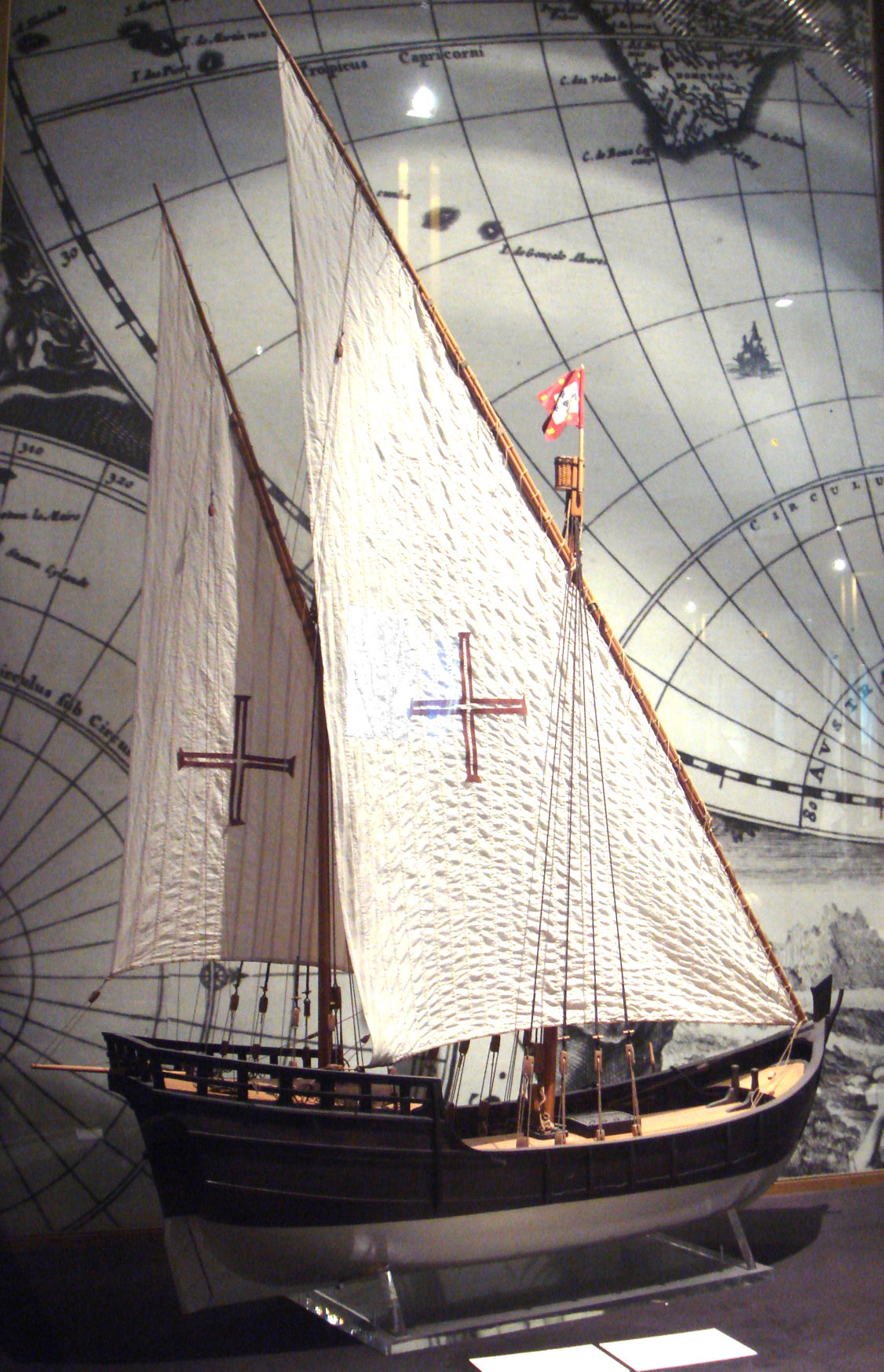
- The Caravel: You can’t cross an ocean in a rowboat, nor can you explore shallow coastal estuaries in a massive galleon. The caravel was a small maneuverable sailing ship developed by the Portuguese in the 15th century. It was the perfect hybrid vehicle for exploration.
- Lateen Sails: Square sails only work when the wind is blowing behind you. By adopting triangular lateen sails, [this] enabled ships to tack against the wind, fundamentally altering naval physics. Ships could now zig-zag forward even with a headwind, freeing them from the absolute tyranny of weather patterns.
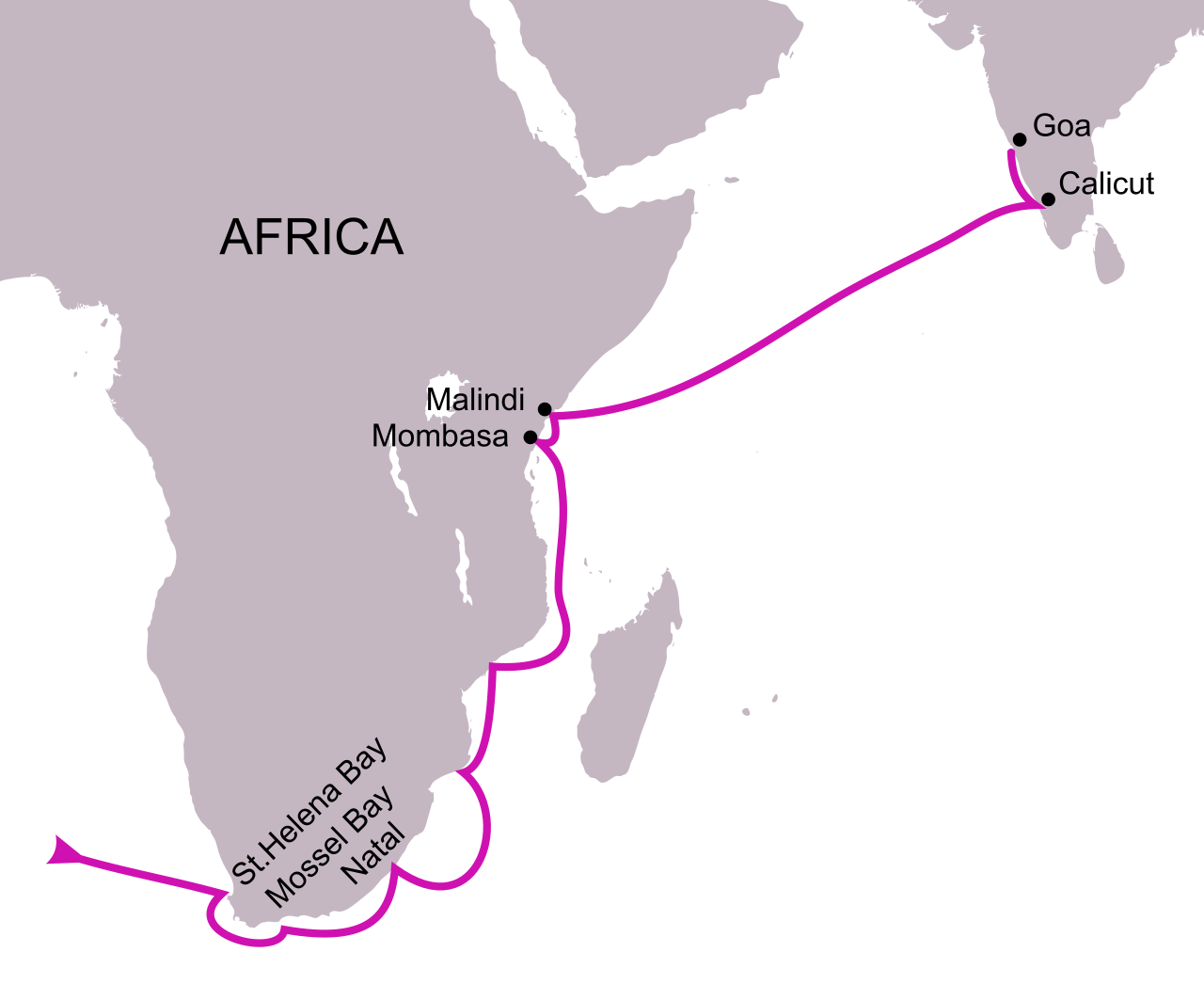
Armed with these tools, the Portuguese steadily crept down the coast of Africa until Vasco da Gama successfully navigated around the Cape of Good Hope to reach India in 1498. The monopoly was broken. The global economy would never be the same.
While the Portuguese pushed south and east, the Spanish gambled on a radically different vector. Relying on an underestimation of the Earth's circumference, Christopher Columbus reached the Caribbean in 1492 while seeking a westward route to Asia.
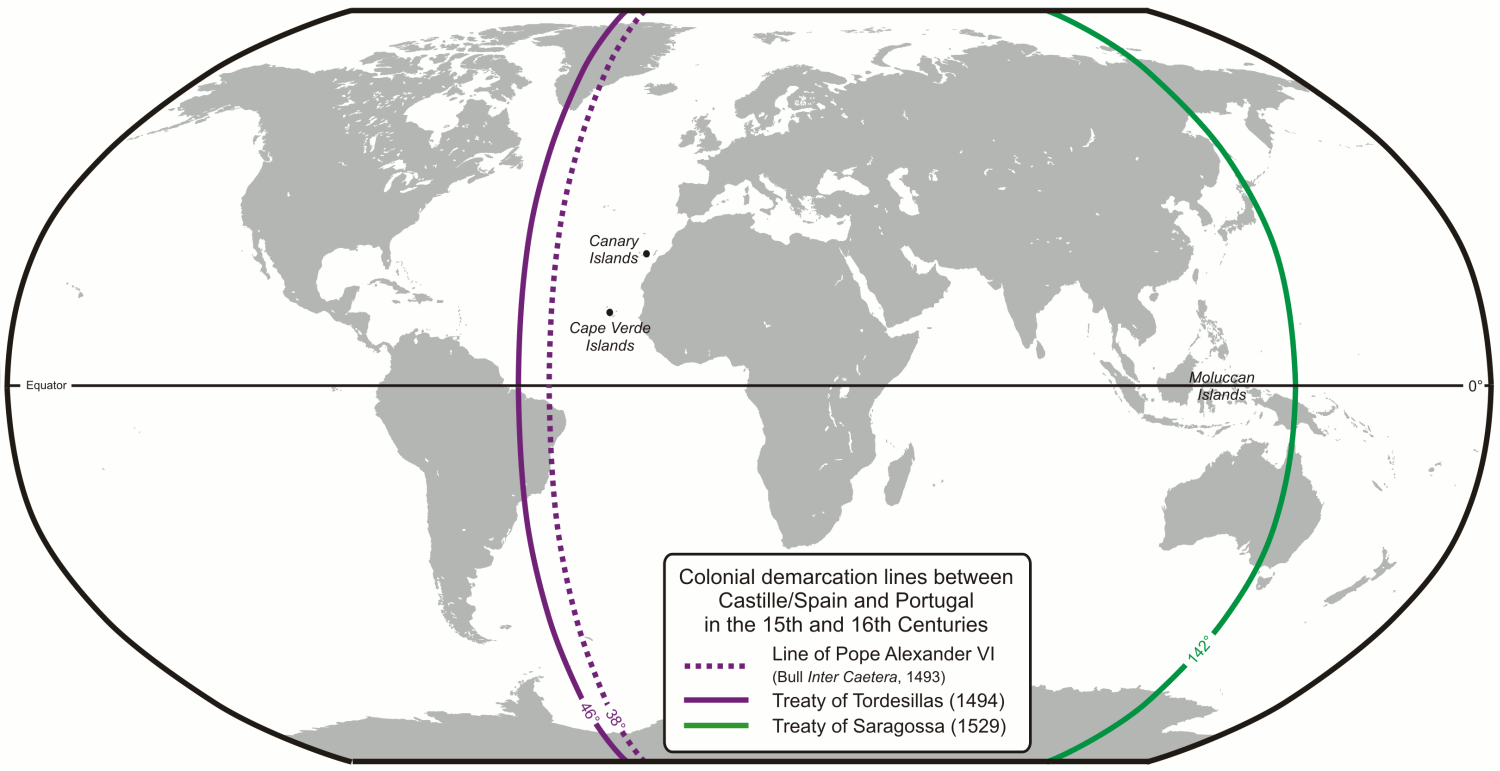
The sudden realization that there were entirely new continents between Europe and Asia created a geopolitical crisis between the two naval superpowers. To avoid a devastating war, diplomacy intervened: the Treaty of Tordesillas in 1494 divided the newly discovered lands outside Europe between Portugal and Spain. Draw a line down a map of the Atlantic for your students—everything to the east (like Brazil and Africa) went to Portugal; everything to the west went to Spain.
This line inaugurated a brutal era of conquest. In Mesoamerica, Hernán Cortés led the Spanish expedition that caused the fall of the Aztec Empire. When Cortés arrived on the mainland, Moctezuma II was the ruler of the Aztec Empire at the time of the Spanish arrival in 1519. Through a combination of superior metallurgy, indigenous alliances, and psychological warfare, Cortés dismantled a massive, highly organized state. Further south, the Andes witnessed a similar fate when Francisco Pizarro captured the Inca emperor Atahualpa in 1532.
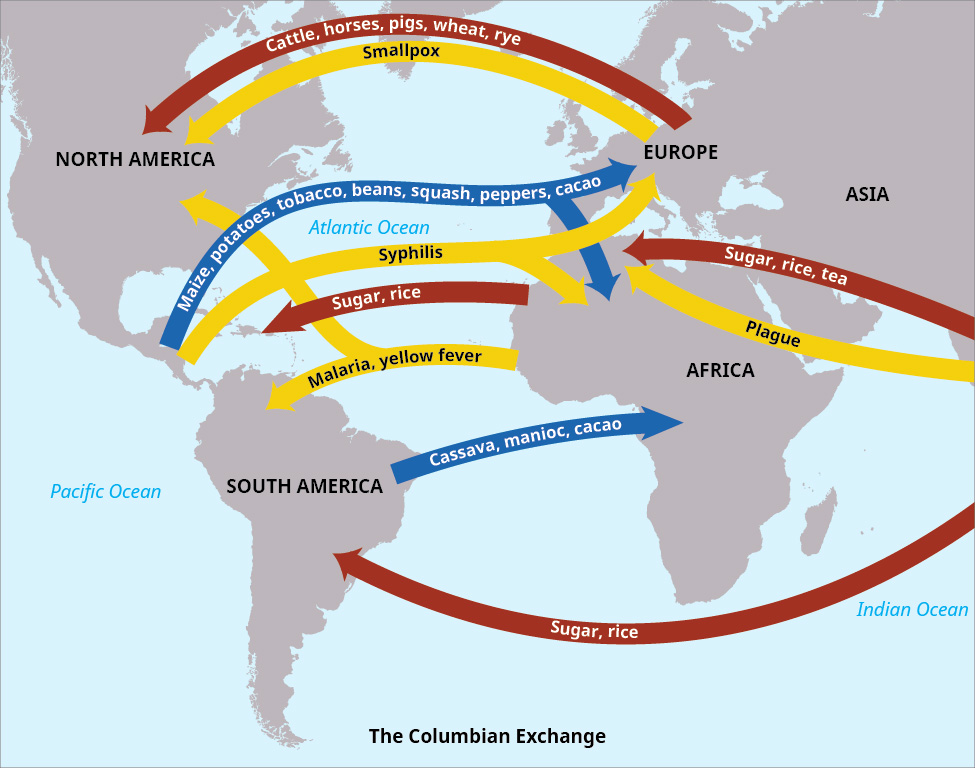
When you teach this period, you must emphasize that these conquests were not purely military—they were overwhelmingly biological. The reunion of the Eastern and Western Hemispheres after millions of years of separation sparked the most profound environmental transformation in human history.
The Columbian Exchange: A concept articulated by historian Alfred Crosby, indicating that the Columbian Exchange involved the widespread transfer of plants, animals, culture, and diseases between the Americas and the Old World.
The Devastation of the Americas
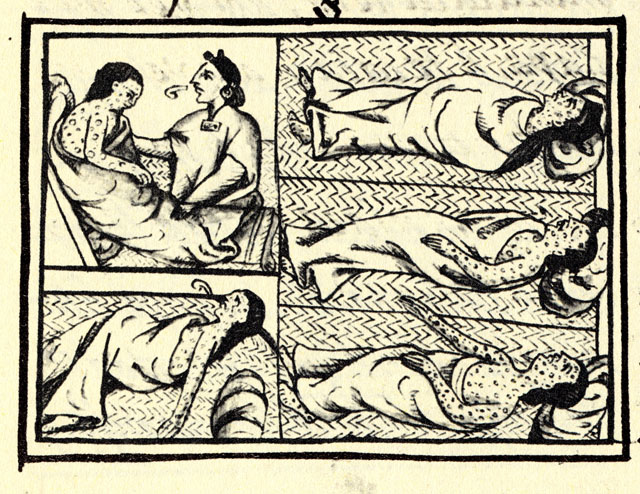
Why did massive, sophisticated empires like the Aztec and Inca collapse so rapidly? The invisible vanguard of the Spanish conquest was microscopic. Because the Americas had been geographically isolated, Indigenous populations in the Americas lacked biological immunity to Old World diseases.
When European explorers brought diseases such as smallpox, measles, and influenza to the Americas, the result was apocalyptic. Old World diseases caused massive demographic collapse among Indigenous populations in the Americas, wiping out up to 90% of the population in some regions within a century.
Furthermore, the physical landscape was radically altered when European explorers introduced horses, cattle, and pigs to the Americas. The plains cultures of North America, for instance, were entirely reshaped by the introduction of the horse, while feral pigs disrupted delicate local ecosystems.
The Revitalization of the Old World
The biological exchange flowed both ways, but with radically different demographic outcomes. While the Americas suffered a population collapse, Europe and Asia experienced a boom. Why? Calories.
The Americas introduced high-calorie crops like potatoes and maize to Europe and Asia. You can grow vastly more calories of potatoes on a rocky, miserable acre of European soil than you can wheat. Consequently, the introduction of American crops caused significant population growth in Europe and Asia, fueling urbanization and providing the human capital that would eventually drive the Industrial Revolution.
With immense new territories under their control, European powers needed labor to extract wealth. In the Spanish colonies, this resulted in immediate exploitation.
The Spanish utilized the encomienda system to extract forced labor from indigenous populations in the Americas.
The Encomienda: A legal and economic framework where the Spanish crown granted a colonist the labor of a specified number of Indigenous people. The encomienda system theoretically required Spanish landowners to protect and Christianize indigenous laborers, but in reality, it functioned as a brutal regime of enslavement and lethal overwork.
The sheer cruelty of this system did not go unchallenged. Bartolomé de las Casas was a Spanish Dominican friar who advocated for the rights of Indigenous peoples in the Americas, famously penning A Short Account of the Destruction of the Indies, which detailed the horrific abuses of the colonists.
The Transatlantic Slave Trade
As indigenous populations collapsed from disease and overwork, European colonizers faced a labor shortage just as they discovered the massive profitability of plantation agriculture. The demand for enslaved African labor in the Americas was primarily driven by labor-intensive cash crops like sugar and tobacco.
This demand catalyzed one of the darkest chapters in human history. The Transatlantic slave trade transported millions of enslaved Africans to the Americas. This systemic human trafficking was the grim foundation of triangular trade networks [that] linked Europe, Africa, and the Americas across the Atlantic Ocean.
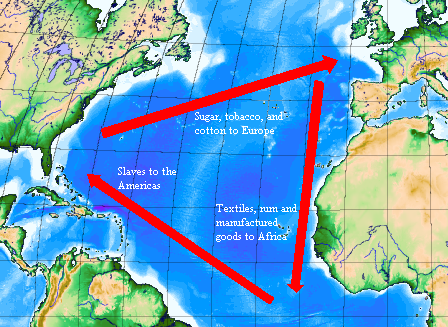
Map this for your students as a self-perpetuating economic engine:
- European merchants traded manufactured goods for enslaved people in West Africa. (Textiles, rum, and firearms flowed into Africa).
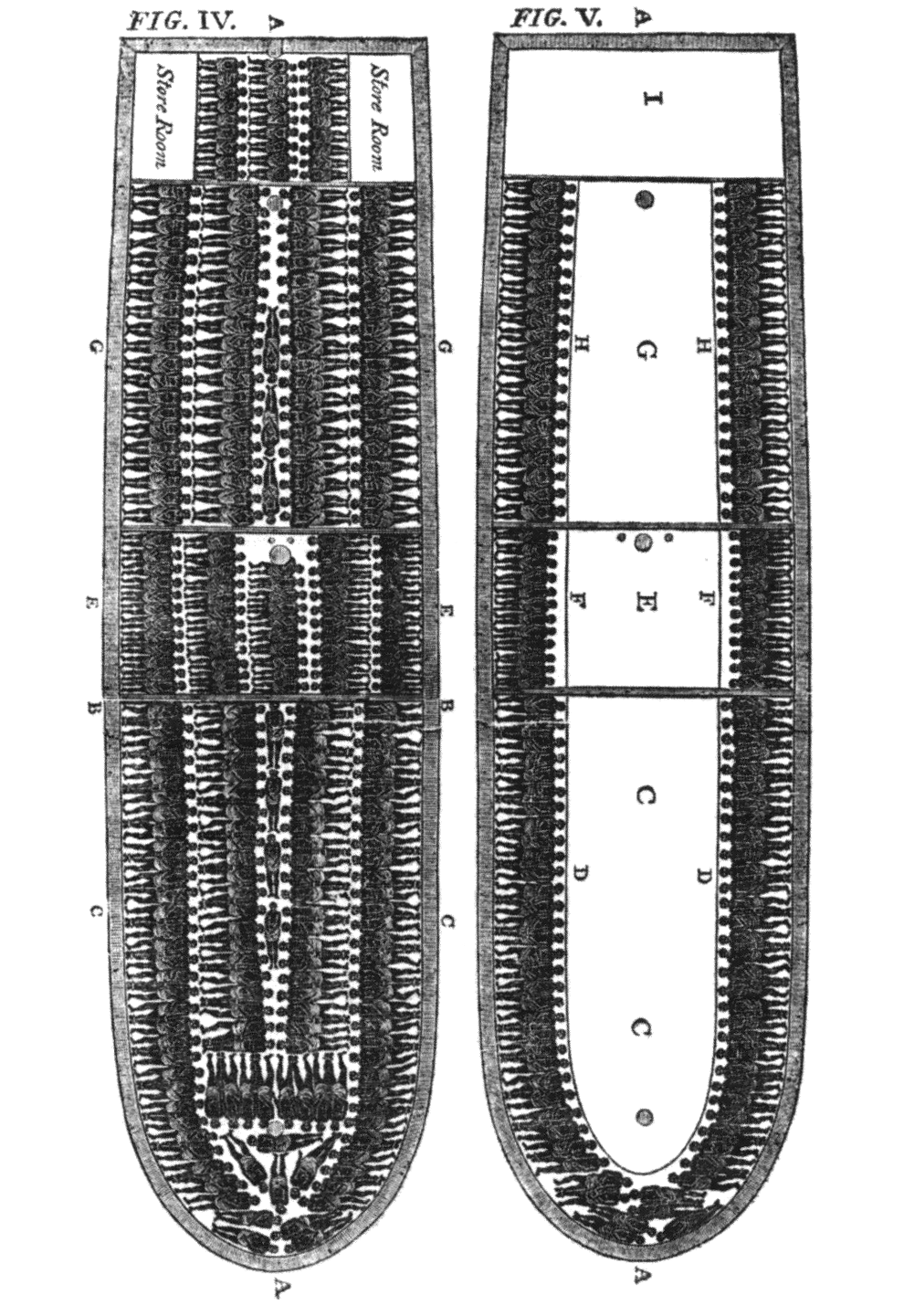
- The Middle Passage was the brutal sea journey undertaken by slave ships from West Africa to the West Indies. (The human cargo endured unimaginable horrors, with immense mortality rates).
- Enslaved people produced raw commodities (sugar, cotton, tobacco) in the Americas, which were shipped back to Europe to be manufactured into goods.
The Casta System
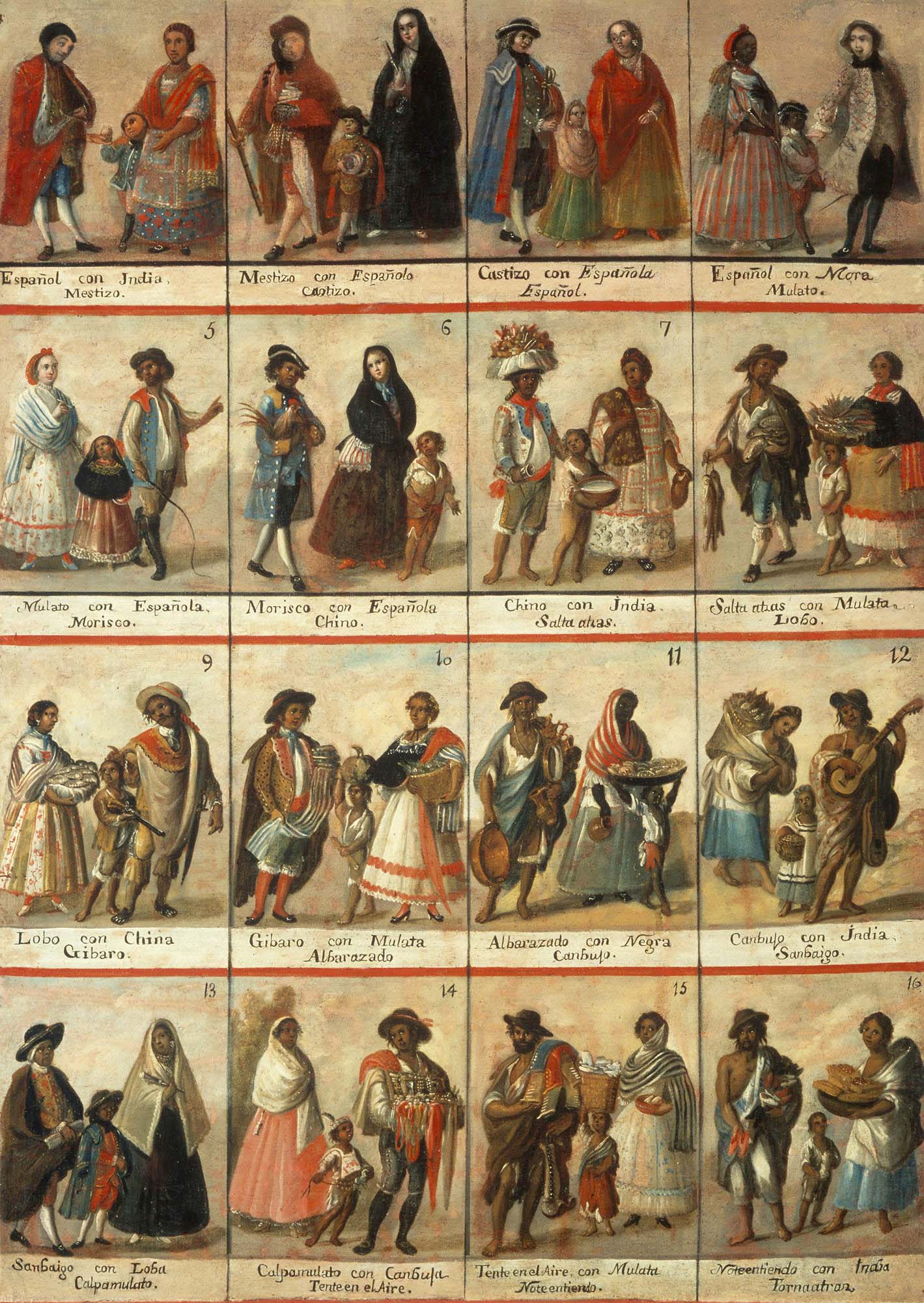
In Spanish America, the demographic blending of Europeans, Indigenous peoples, and Africans led to a complex, state-mandated social hierarchy designed to maintain power in the hands of a white elite. The casta system categorized individuals in Spanish America based on racial ancestry and birthplace.
| Casta Classification | Definition |
|---|---|
| Peninsulares | Individuals born in Spain who held the highest government positions in the Spanish colonies. (The top of the pyramid). |
| Creoles (Criollos) | Individuals of Spanish descent born in the Americas. (Wealthy, but barred from the highest offices, causing resentment that later fueled independence movements). |
| Mestizos | Individuals of mixed European and Indigenous American descent. (Often working-class artisans or farmers). |
Underlying all this conquest and trade was a specific economic philosophy that you must ensure your students grasp: mercantilism. Imagine the world's wealth as a pie of fixed size; to get a larger piece, you must take it from someone else.
Mercantilism posits that a nation's wealth depends on accumulating precious metals. To achieve this, mercantilism encourages nations to maximize exports and minimize imports, ensuring a favorable balance of trade where silver and gold continually flow into the national treasury.
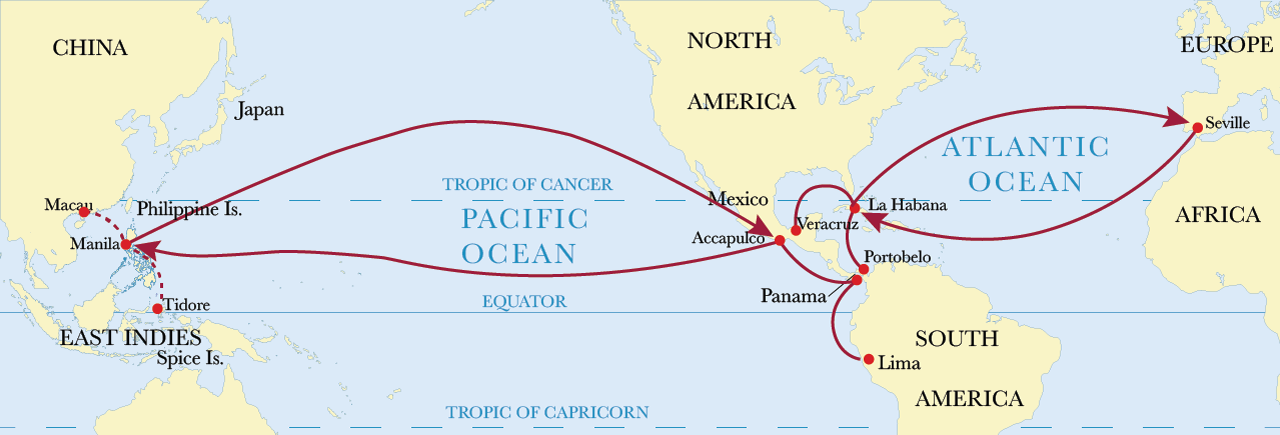
Spain hit the absolute jackpot in this regard. Spain extracted massive quantities of silver from the Potosí mine in present-day Bolivia. The "Cerro Rico" (Rich Mountain) became the beating heart of the global economy. This silver didn't just stay in Europe; it funded the world's first truly global trade network. The Manila galleons transported silver from Acapulco to the Philippines to trade for Asian luxury goods, such as Chinese silk and porcelain.
However, Spain fundamentally misunderstood macroeconomics. They believed money was wealth. By flooding their domestic economy with silver without increasing the actual production of goods, they triggered an economic crisis. The massive influx of New World silver into Europe caused a period of high inflation known as the Price Revolution.
The Invention of Corporate Capitalism
While Spain relied on state-run extraction, northern European nations innovated financially. Building global trade networks is insanely expensive and risky—ships sink, pirates attack, and storms destroy cargo. No single merchant could bear that risk.
The solution? Joint-stock companies allowed multiple investors to pool capital and share the risks of overseas expeditions. If you own 1% of 100 ships, a single shipwreck won't bankrupt you. This is the birth of the modern stock market.
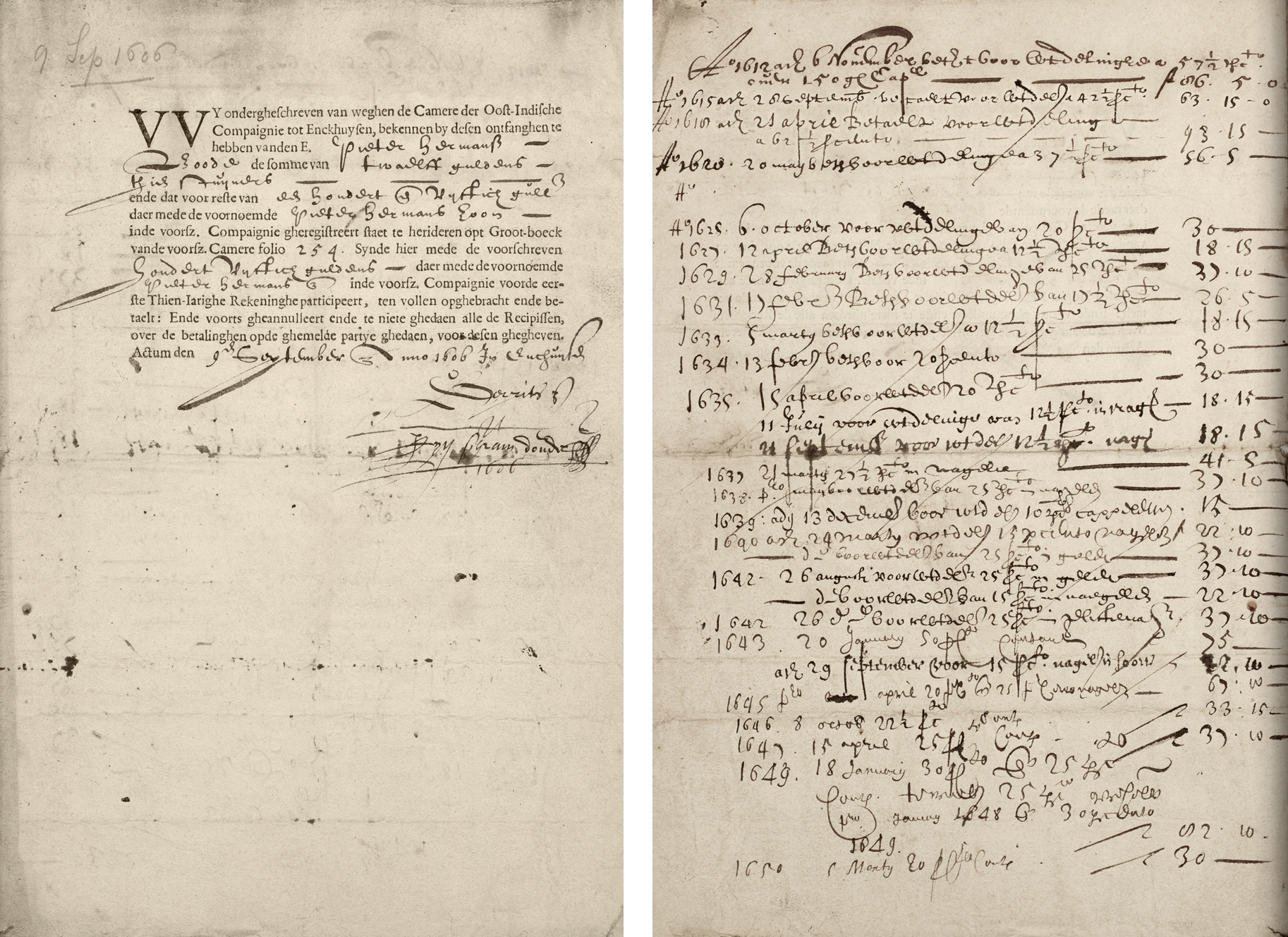
The most famous of these was a megacorporation. The Dutch East India Company was established in 1602 to control the spice trade in the Indian Ocean. Operating almost as an independent nation, it possessed its own military and the power to wage war.
To maximize the profitability of these ventures, the Dutch engaged in brilliant maritime engineering. The fluyt was a Dutch cargo vessel designed to maximize space and crew efficiency. Unlike heavily armed Spanish galleons, the fluyt was lightly armed, cheap to build, required a small crew, and held a massive amount of cargo. Unsurprisingly, the development of the fluyt facilitated Dutch dominance in 17th-century global maritime trade.
Finally, it is crucial to teach your students that colonized and marginalized peoples were not merely passive victims; they actively navigated and negotiated their cultural survival. When a colonizing power imposes its religion, the result is rarely a clean erasure of the past. Instead, humans synthesize.
Syncretism: The amalgamation of different religions, cultures, or schools of thought. Syncretism often emerged in colonial societies as marginalized peoples integrated their beliefs with the imposed religion of the colonizers.
This blending allowed indigenous and enslaved populations to preserve their spiritual identities while outwardly complying with the mandates of colonial authorities.
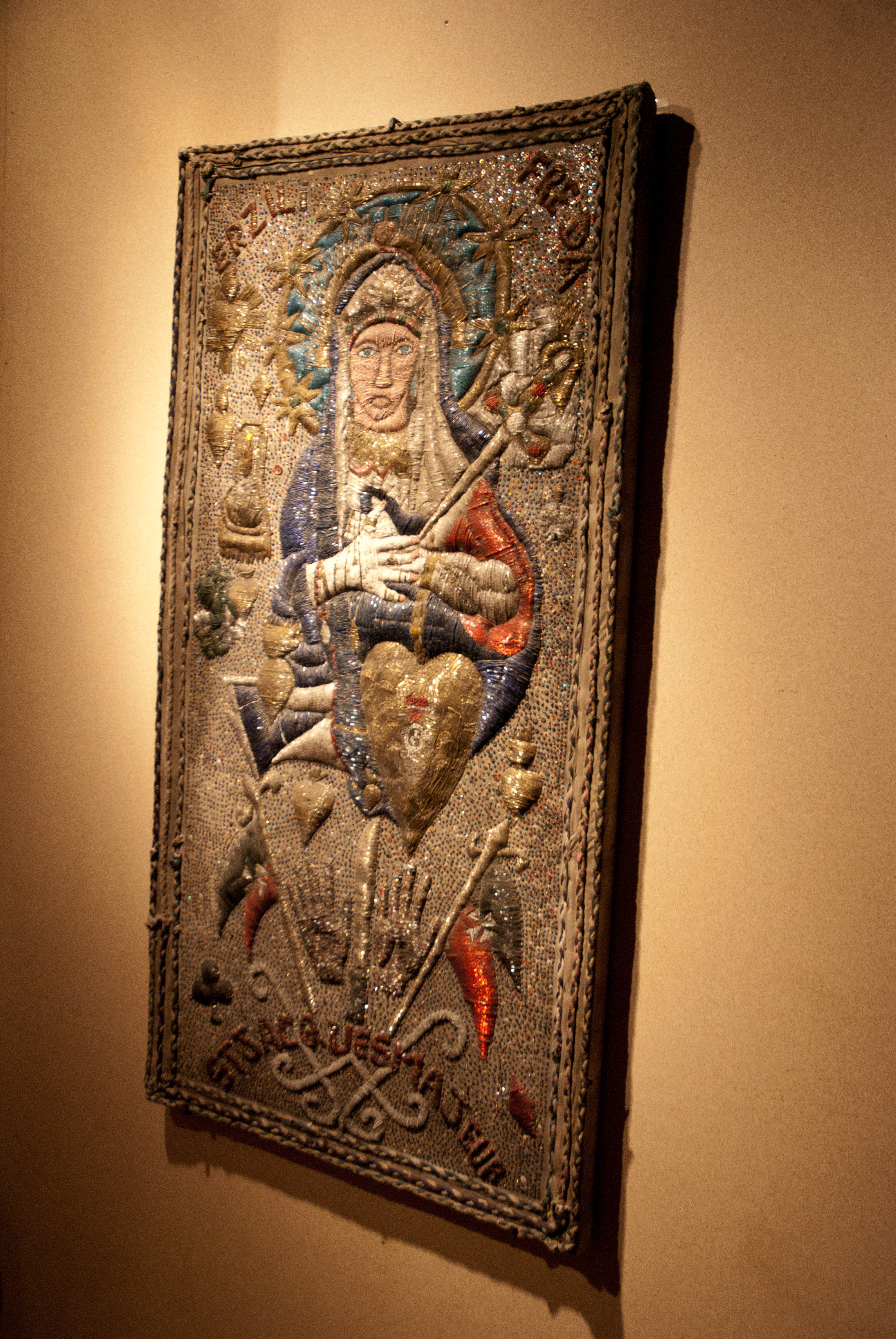
- In the Caribbean, syncretic religions like Vodou developed from the blending of West African spiritual traditions with Catholicism. Saints were often mapped onto African deities, allowing practitioners to secretly honor their ancestors.
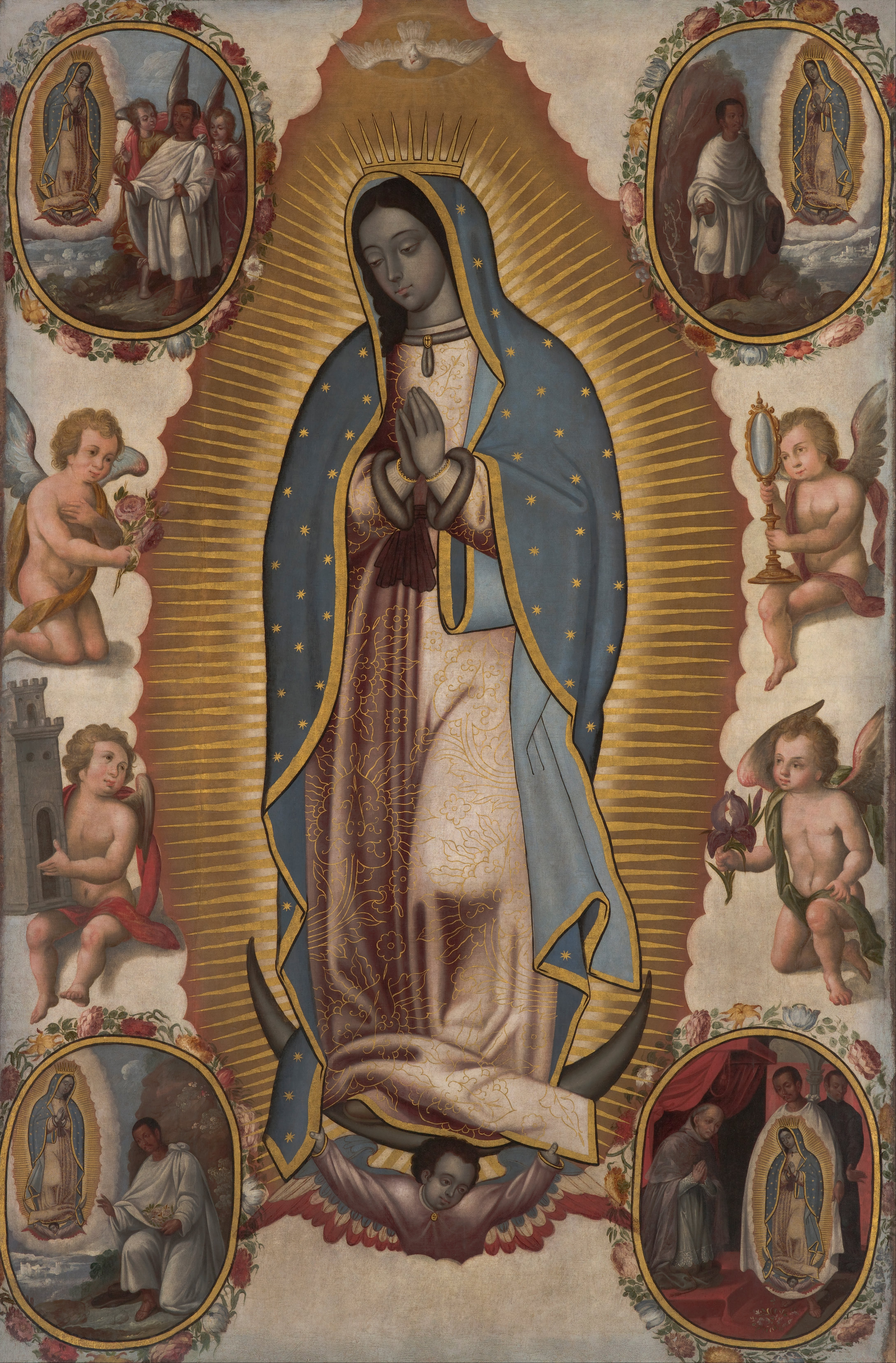
- In Mexico, a similar profound synthesis occurred. The Virgin of Guadalupe became a powerful symbol of Mexican identity by blending indigenous and Catholic iconography. Appearing to an indigenous man (Juan Diego) on a hill sacred to the Aztec mother goddess Tonantzin, and depicted with darker skin, the Virgin of Guadalupe represents the ultimate fusion of two incredibly distinct worlds into a new, unifying cultural force.
As a social studies teacher, your goal is to help students see the period from 1200 to 1750 CE not as a disconnected list of names and dates, but as the chaotic, incredibly complex forging of the modern, interconnected world. The coffee they drink, the languages they speak, and the global economic forces that dictate their futures were all born on the decks of caravels and in the silver mines of Potosí.