Transformation of Classical Civilizations
Not sure you’re ready?
Take the ~3-minute readiness diagnostic and see where you stand.
When a massive physical structure collapses, the kinetic energy does not simply vanish; it displaces outward, altering everything in its proximity. The same principle applies to human institutions. When the Western Roman Empire collapsed in 476 CE, it did not mean the end of history in Europe; rather, it meant the sudden evaporation of centralized authority. The fall of the Western Roman Empire created a political vacuum in Western Europe. The vast, interconnected infrastructure of the Pax Romana gave way to localized survivalism. For the next millennium, the story of global history is the story of how invasions, the spread of brilliant new ideas (both scientific and religious), and the relentless human desire for trade forged a totally new, interconnected world.
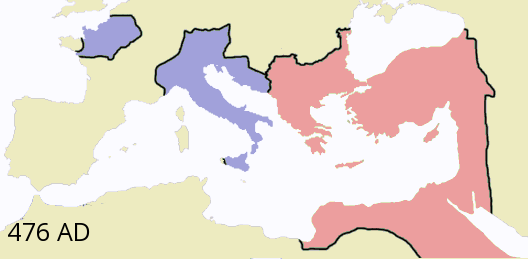
As a future social studies teacher, your task is to show your students that the period from 300 to 1400 CE is not a disjointed list of random kings and wars. It is an era defined by networks. Ideas, trade goods, armies, and even microbes traveled along the exact same routes. Let’s break down the mechanics of this transformation.
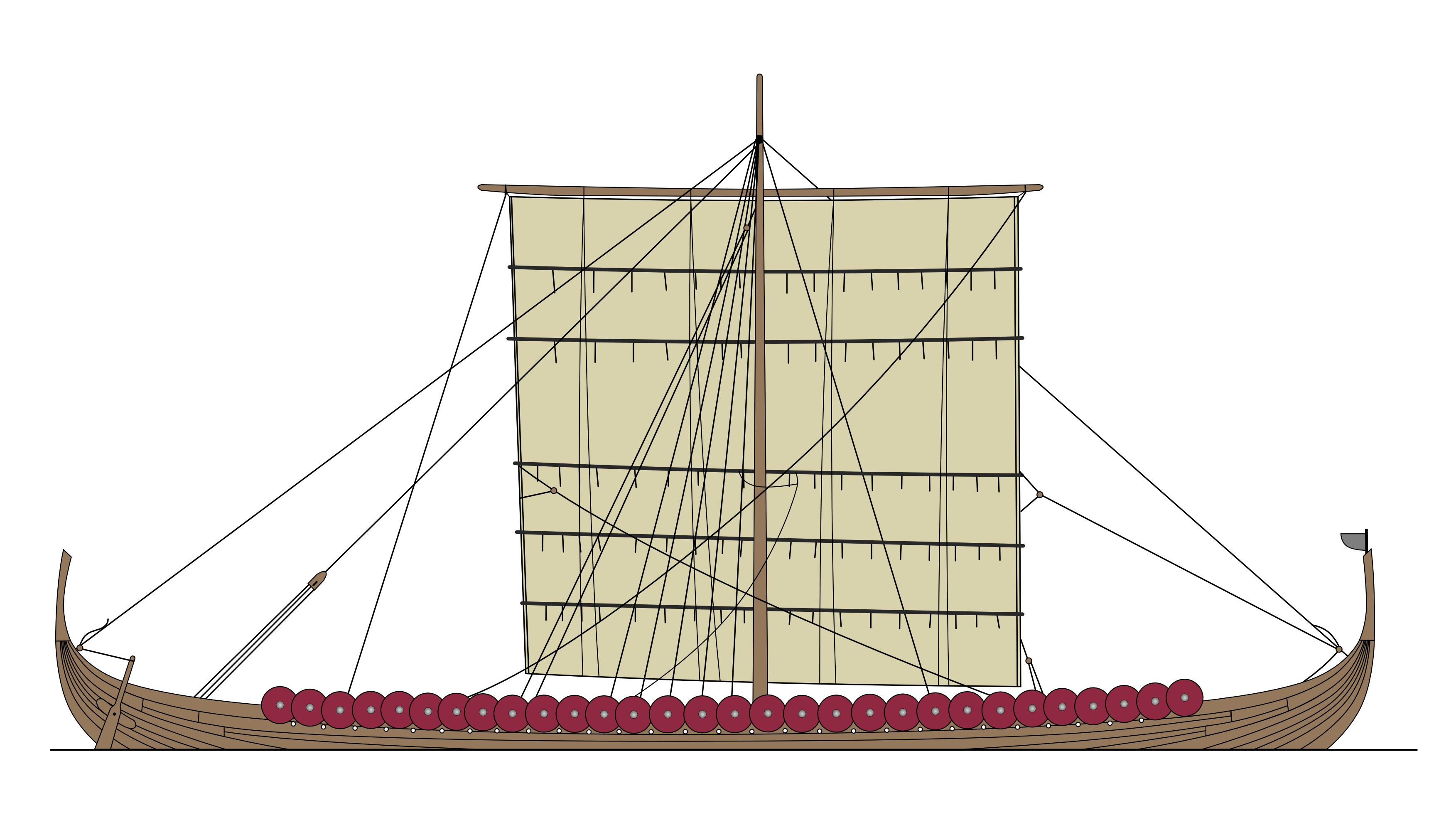
Nature abhors a vacuum, and so does geopolitics. Without Roman legions to patrol the frontiers, Western Europe became highly vulnerable. Between the eighth and eleventh centuries, Viking invasions targeted coastal and river settlements throughout Europe. The physics of Scandinavian engineering made this terror possible: Scandinavian Vikings utilized shallow-draft longships to navigate both open oceans and inland rivers, allowing them to strike deep into the European interior without warning.
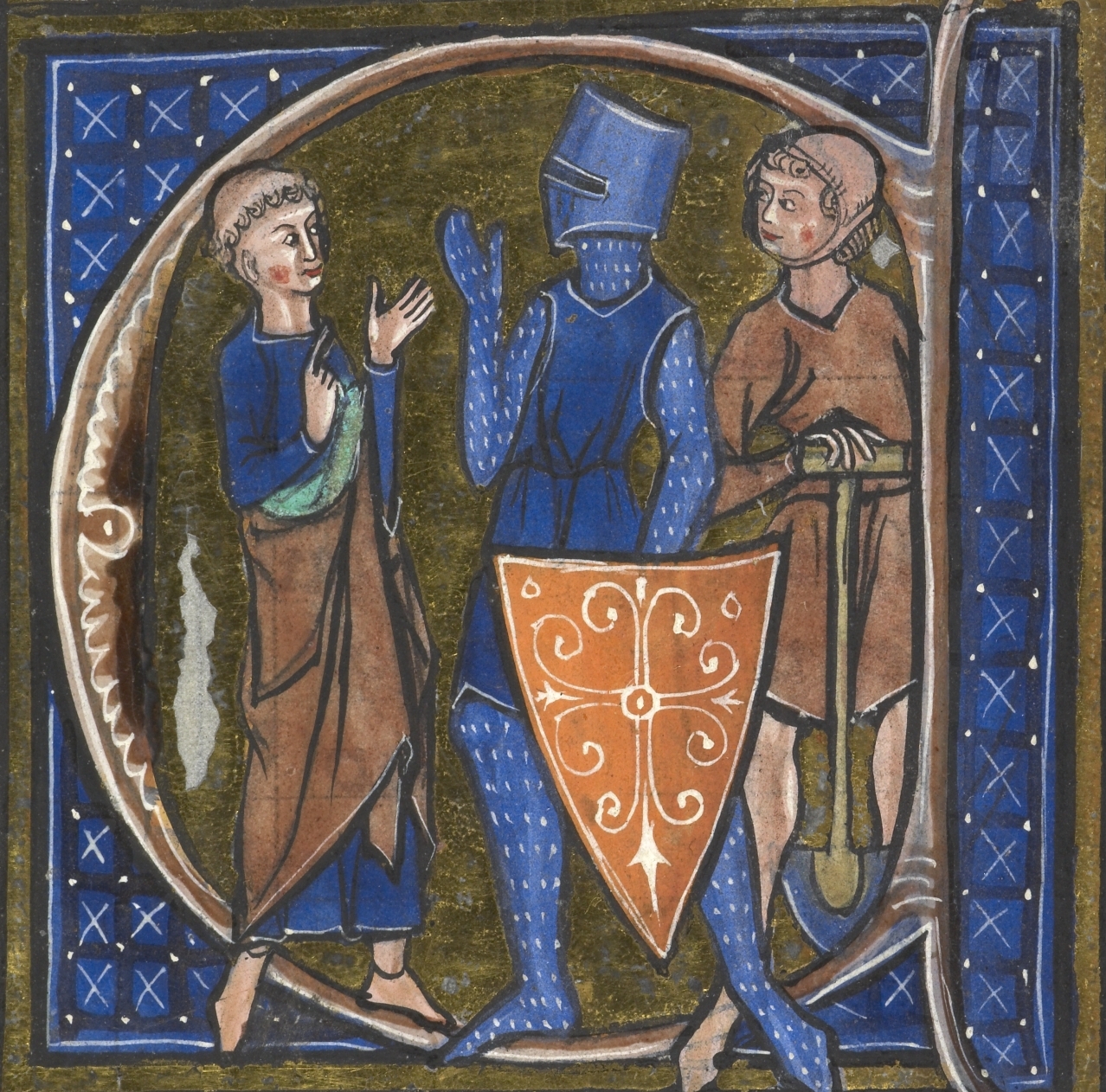
Simultaneously, Europe faced pressure from Magyars to the east and Muslim forces to the south. How does a society respond when the central government cannot protect it? It decentralizes. Feudalism emerged in medieval Europe as a decentralized system of mutual obligation. Land was exchanged for military service and labor. This was not a primitive regression; it was a highly logical adaptation. European feudalism provided local defense against invasions by Vikings, Magyars, and Muslims.
Amidst this political fragmentation, institutions of continuity were required.
- In the West, the Roman Catholic Church served as the primary unifying institution in medieval Western Europe, providing shared cultural identity, administration, and literacy.
- In the East, the Roman Empire never actually fell; it simply became Greek. The Byzantine Empire preserved Roman legal traditions through the compilation of Justinian's Code. Crucially for the trajectory of the West, the Byzantine Empire acted as a geographical and military buffer between Western Europe and the Islamic world.
Teacher's Framing Tip: Have your students imagine Feudalism as a neighborhood watch program that mutated into a government. When the local police (Rome) disappear, you rely on the guy down the street with a high wall and weapons (the Lord). You farm his land; he keeps you alive. It is an economic and military transaction.
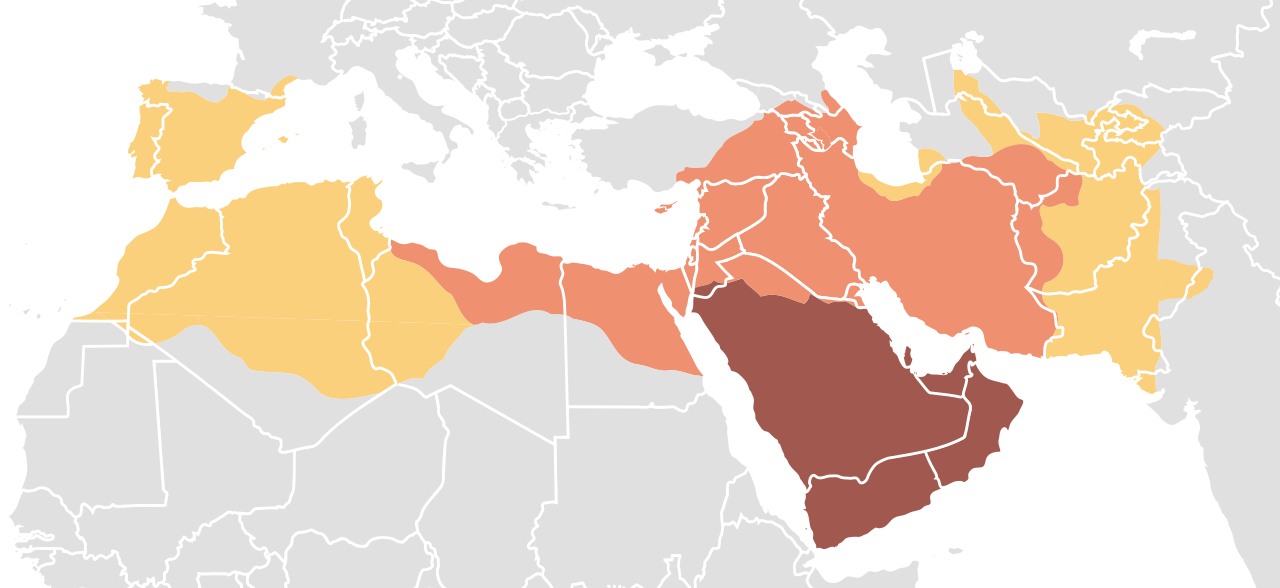
While Europe was decentralizing, the Arabian Peninsula was experiencing a profound unification. The Prophet Muhammad founded Islam in the early seventh century CE in the Arabian Peninsula. Unlike earlier religions that spread slowly over centuries, Islam expanded with breathtaking speed. The spread of Islam unified diverse cultural groups across the Middle East and North Africa under a common religious framework, creating a vast zone of shared language (Arabic), law, and commerce.
However, rapid expansion inherently brings friction. A permanent political schism emerged almost immediately. The Sunni and Shia branches of Islam split over the succession of leadership after the death of Muhammad in 632 CE.
Despite internal divisions, the political states representing the Islamic world—the Caliphates—became the global centers of gravity.
- The Umayyad Caliphate established Damascus as an imperial capital and pushed the borders of the empire into Europe. In fact, Muslim forces conquered the Iberian Peninsula in 711 CE, transforming modern-day Spain into a flourishing hub of Islamic culture (Al-Andalus).
- They attempted to push further north into Francia (modern France), but Charles Martel defeated an Umayyad army at the Battle of Tours in 732 CE. This is a massive turning point in world history, as the Battle of Tours halted the northward expansion of Islam into Western Europe.
Following the Umayyads, the center of Islamic power shifted east. The Abbasid Caliphate established the city of Baghdad as a new imperial capital in 762 CE. If you want to show your students the pinnacle of medieval intellectual achievement, look at Abbasid Baghdad.
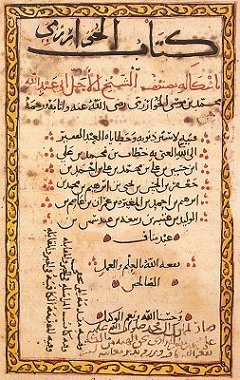
During the Islamic Golden Age, Baghdad was the Silicon Valley of its day. The Abbasid Caliphate sponsored the translation of ancient Greek and Indian texts into Arabic. Through an institution known as the House of Wisdom in Baghdad, which functioned as a major intellectual center, scholars preserved and advanced mathematics, astronomy, and medicine.
By the 11th century, religious boundaries were hardening. In 1054 CE, Christianity suffered its own massive fracture: The Great Schism of 1054 CE divided Christianity into the Roman Catholic Church and the Eastern Orthodox Church.
Shortly after, the Byzantine Empire (Eastern Orthodox) found itself under intense pressure from Seljuk Turks (Islamic) and appealed to the West for help. Pope Urban II initiated the First Crusade at the Council of Clermont in 1095 CE. The Crusades aimed to reclaim control of the Holy Land from Islamic rule.
The timeline of the Crusades is a pendulum of conquest and reconquest:
- Christian Crusaders captured Jerusalem during the First Crusade in 1099 CE.
- A century later, the brilliant Muslim commander Saladin recaptured Jerusalem from Christian control in 1187 CE.
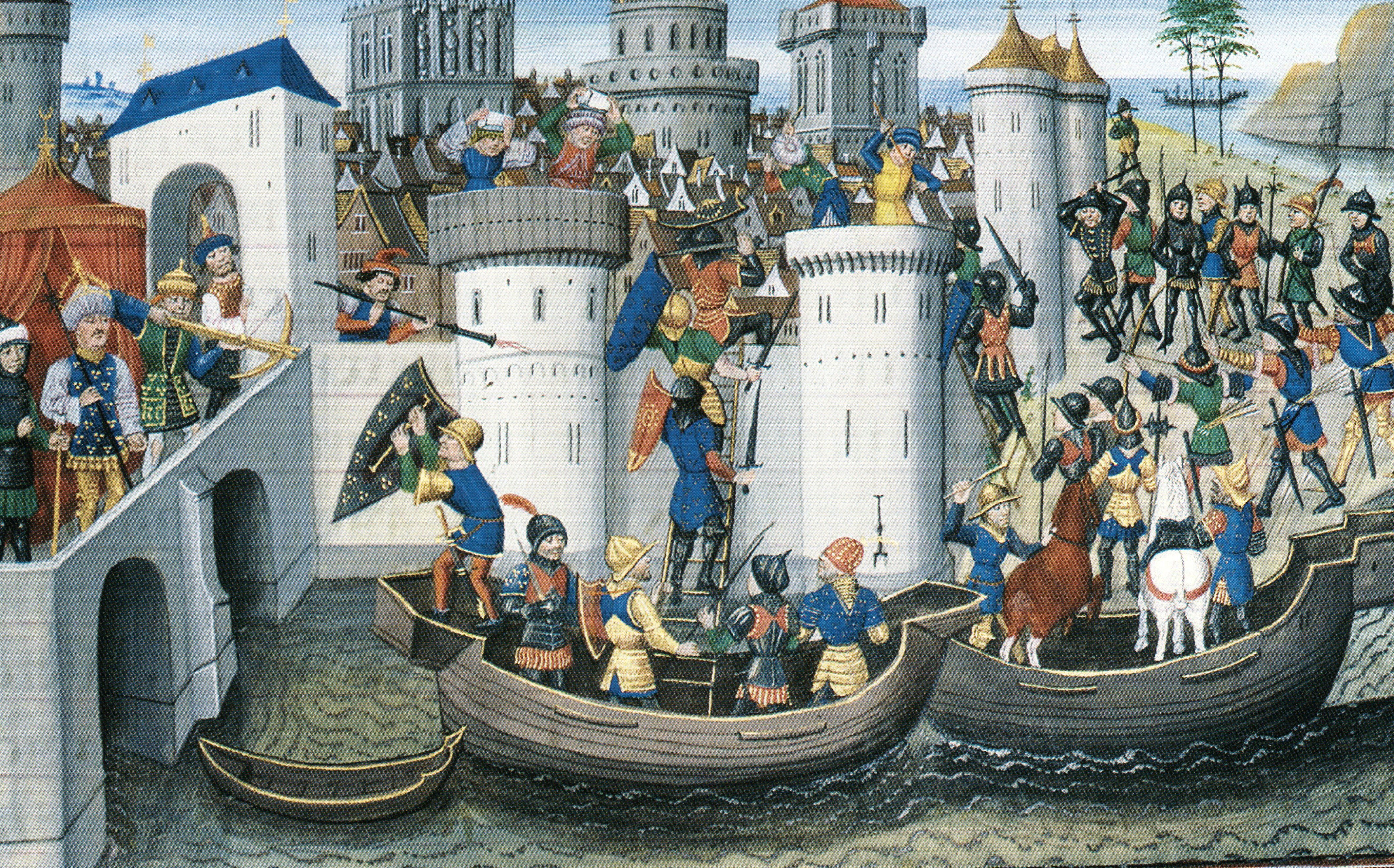
- The holy wars eventually devolved into naked political opportunism. The Fourth Crusade resulted in the sack of the Christian city of Constantinople in 1204 CE. Fellow Christians burning a Christian capital exposes the economic and political motivations hiding beneath religious rhetoric. Consequently, the sack of Constantinople during the Fourth Crusade severely weakened the Byzantine Empire, leaving it vulnerable to its eventual collapse in 1453.
The Great Irony of the Crusades
Here is the core cause-and-effect relationship you must drill into your students: the Crusades were a military failure for Europe, but an economic and intellectual triumph.
- The Crusades stimulated demand in Europe for Middle Eastern and Asian trade goods (spices, silks, perfumes). European palates had been awakened.
- The Crusades facilitated the transfer of Greco-Roman and Islamic knowledge to Western Europe. The Crusaders went to conquer, but they came back with Arabic numerals, algebra, translated Greek philosophy, and medical treatises. This intellectual injection directly laid the groundwork for the European Renaissance.
In the 13th century, the geopolitical map was violently redrawn by a new variable from the Asian steppes. Genghis Khan united the nomadic Mongol tribes in 1206 CE. Through terrifyingly effective cavalry tactics and siege engineering, the Mongol Empire became the largest contiguous land empire in human history.
Their expansion was devastating to the existing Islamic power structures. Mongol forces sacked Baghdad in 1258 CE. The destruction was absolute—rivers reportedly ran black with the ink of the books from the House of Wisdom and red with blood. The Mongol sack of Baghdad ended the Abbasid Caliphate.
Yet, the Mongol conquests are a paradox. Once the bloodshed stopped, the sheer scale of Mongol control created unprecedented stability. The Pax Mongolica facilitated safe travel and trade along the Silk Road. For the first time, a merchant could walk from Italy to China under the protection of a single empire.
A Principle of Networks: Trade routes never carry only goods. They are arteries for ideas. Just as Islam spread along trade routes, centuries earlier Buddhism spread from India to China along the Silk Road trade networks.
While the Silk Road dominated Eurasia, two other massive trade networks reshaped the Southern Hemisphere.
Trans-Saharan Trade
Imagine trying to cross an ocean of sand. You need the right "ship." Trans-Saharan trade routes relied on camel caravans for transportation. The economics of this route were based on a perfectly balanced geographical equation: Trans-Saharan trade networks primarily exchanged West African gold for North African salt. (Salt was essential for preserving food and retaining water in human bodies).
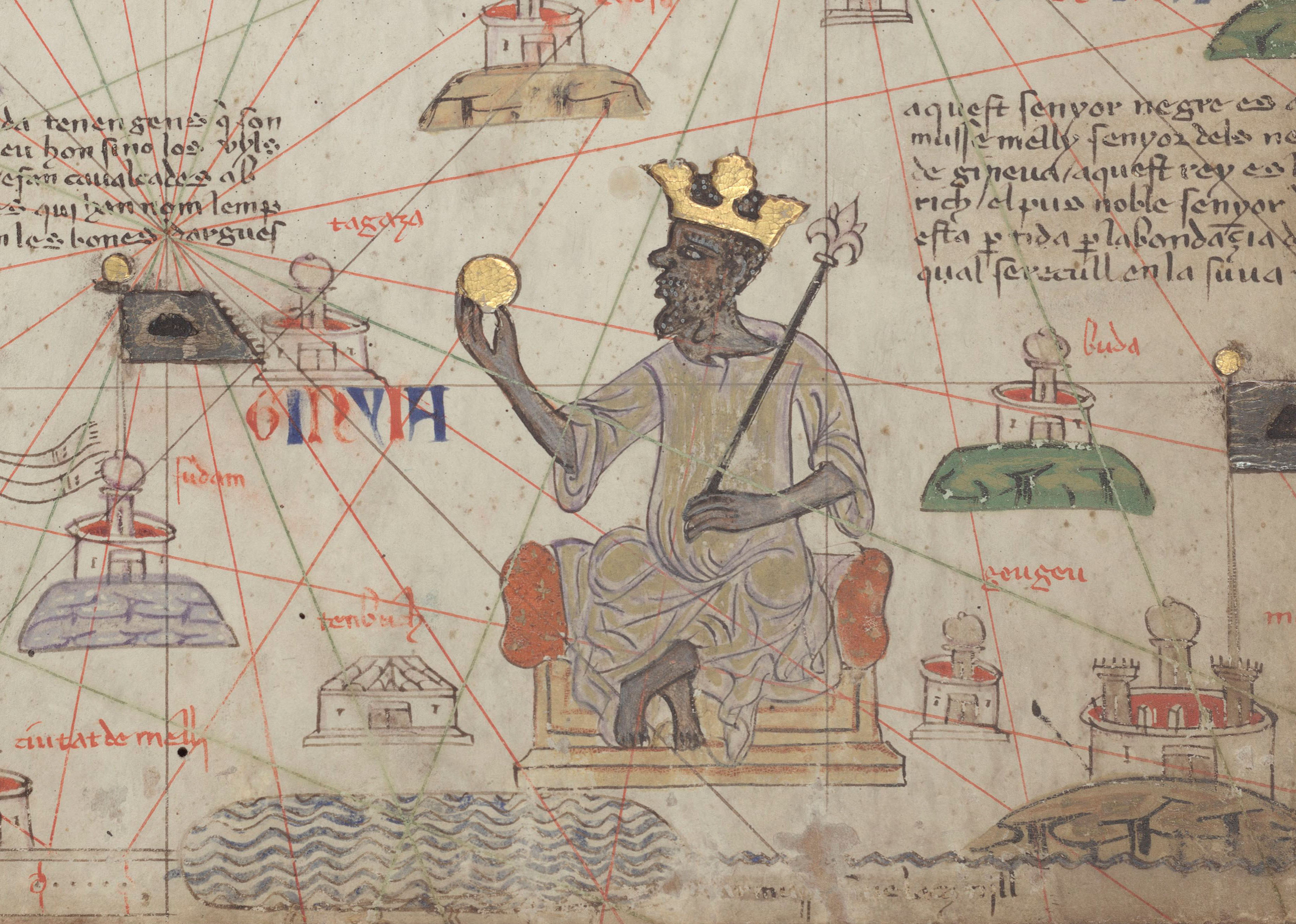
As Arab traders crossed the desert looking for gold, they brought their faith. Muslim merchants introduced Islam to West Africa via Trans-Saharan trade routes. This was largely a peaceful, economically driven religious conversion. The immense wealth of these West African Islamic kingdoms was showcased when the Mali Empire ruler Mansa Musa completed a highly publicized pilgrimage to Mecca in 1324 CE, dispensing so much gold along the way that he temporarily collapsed the economy of Cairo.
Further south, demographic shifts were fundamentally altering the continent. Bantu migrations spread agriculture and ironworking technology throughout sub-Saharan Africa. When these Bantu peoples reached the East Coast and interacted with Arab traders, a beautiful linguistic and cultural synthesis occurred: Swahili culture emerged on the East African coast from the blending of Bantu and Arab Islamic influences.
Indian Ocean Trade
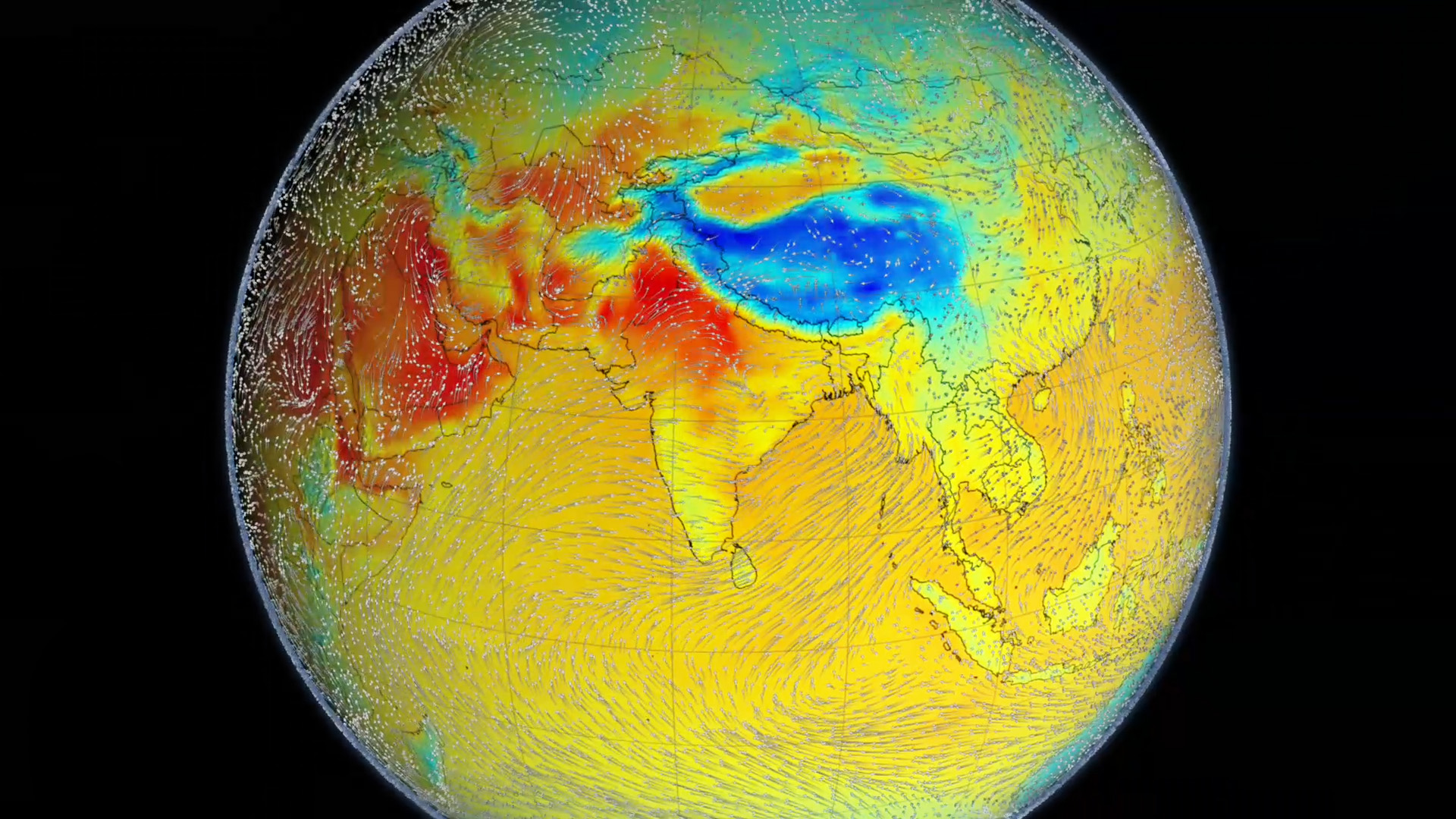
The Indian Ocean was the world's most dynamic maritime highway. It was governed by meteorology: Indian Ocean trade relied on the seasonal patterns of monsoon winds. Merchants knew that the winds blew northeast for half the year and southwest for the other half.
Technological innovations optimized this travel:
- Arab merchants utilized the astrolabe for maritime navigation in the Indian Ocean, allowing them to calculate latitude using the stars.
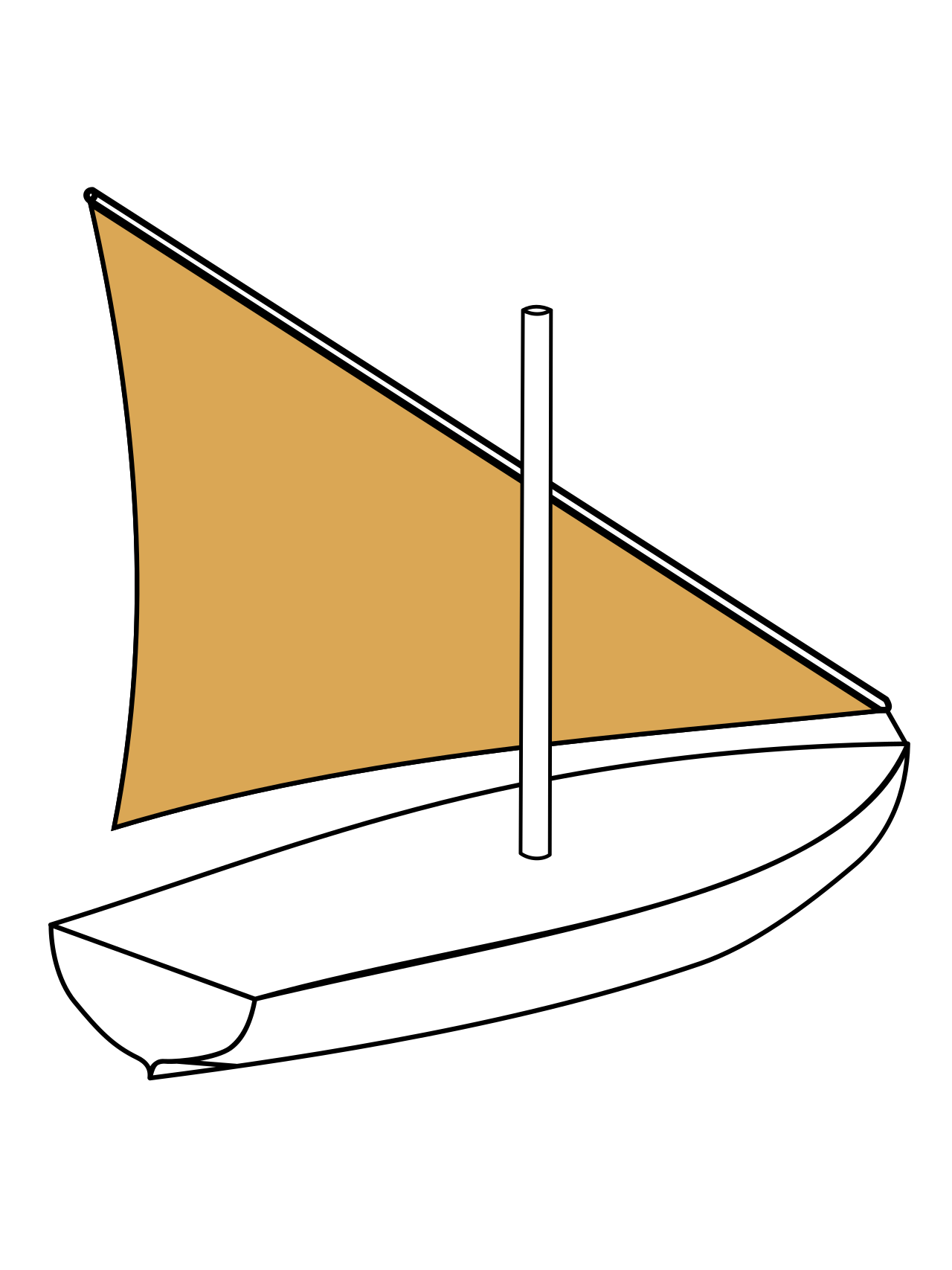
- The lateen sail allowed merchant ships to sail against the wind in the Indian Ocean. (This triangular sail acts like an airplane wing, creating lift that pulls the ship forward even when sailing into a headwind).
Just like the Sahara, this network moved more than spices. Indian Ocean trade networks facilitated the spread of Islam to coastal East Africa and Southeast Asia.
Simultaneously, Islam was moving overland into South Asia. The Delhi Sultanate established Islamic rule over large parts of the Indian subcontinent starting in the thirteenth century. The collision of Islamic monotheism and Hindu polytheism was complex, but it ultimately resulted in the creation of a syncretic Indo-Islamic culture, blending architecture, art, and administrative practices.
We end this era with a stark lesson in the dangers of hyper-connectivity. The Pax Mongolica made trade seamless, but microbes do not care if a host is a merchant or an emperor. The Bubonic Plague spread across Eurasia in the fourteenth century along established trade routes.
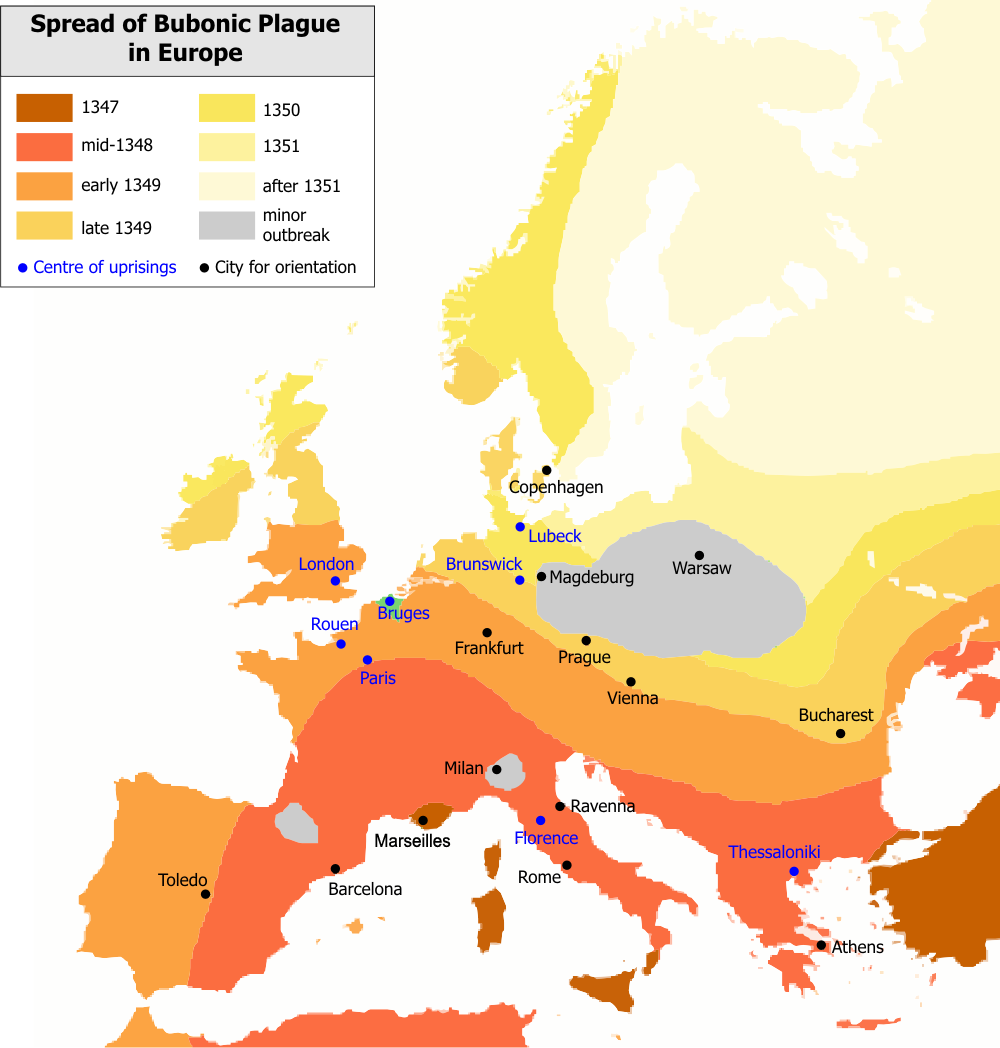
The impact was apocalyptic. The Black Death drastically reduced the European population in the mid-fourteenth century, killing roughly a third to half of the continent.
But as a social studies teacher, you must focus on the economic fallout of this tragedy. Think of this as a supply and demand graph. The supply of labor suddenly plummeted. The massive population loss from the Black Death caused severe labor shortages in medieval Europe.
When labor is scarce, its value goes up. Peasants who survived suddenly realized they had leverage. They could demand wages or better conditions from their lords. Therefore, labor shortages from the Black Death accelerated the decline of the manorial system in Western Europe. The decentralized, rigid system of feudalism began to unravel, paving the way for the rise of centralized nation-states and the early modern economy.
Final Study Summary for the 5081 Exam
To ace the exam, remember these cause-and-effect pairings:
- Fall of Rome → Power vacuum → Rise of Feudalism & the unifying power of the Catholic Church.
- Invasions (Vikings/Magyars) → Need for local defense → Solidification of the manorial system.
- Spread of Islam → Preservation of Greek/Indian texts (Abbasids) → Eventual transfer back to Europe via Crusades.
- The Crusades → Military failure / Economic success → High demand for Eastern goods.
- Mongol Empire → Sack of Baghdad (ends Abbasids) AND Pax Mongolica → Trade flourishes.
- Trade Routes → Spread of Islam to West Africa (Camels) and SE Asia (Monsoons) → Also spreads the Bubonic Plague.
- Black Death → Labor shortages → End of European Feudalism.