World Wars and the Cold War
Not sure you’re ready?
Take the ~3-minute readiness diagnostic and see where you stand.
History is not a series of isolated events, but a highly pressurized, interconnected system where a localized spark can incinerate the global architecture. In 1914, Europe was a masterpiece of lethal engineering, a continent wired together by secret treaties and fueled by industrial militarism. When a teenage nationalist fired two shots in Sarajevo, the architecture collapsed, plunging humanity into a seventy-five-year cycle of total war, ideological extremisms, and a nuclear standoff that redefined human existence. For a secondary social studies educator, teaching the twentieth century means teaching the mechanics of cause and effect on a planetary scale. It requires showing students how the unresolved wreckage of one conflict becomes the foundation for the next—how the punitive treaties of 1919 fertilized the totalitarian nightmares of the 1930s, and how the ashes of 1945 gave rise to both the Cold War and the violent, uneven process of global decolonization. This is the anatomy of the modern world.
To teach the outbreak of the First World War, you must show your students that nobody accidentally falls into a global catastrophe. Europe built the machinery for its own destruction through four overlapping forces: militarism, alliances, imperialism, and nationalism.
Militarism refers to the glorification of military power and the maintenance of large standing armies.
In the early 20th century, militarism contributed to the outbreak of the First World War by accelerating an arms race among European powers. Nations measured their worth by the tonnage of their dreadnoughts and the size of their infantry. But armies alone do not cause world wars; diplomacy does. A complex system of secret alliances divided Europe into two rival camps before the First World War.
- The Triple Entente originally consisted of Great Britain, France, and Russia.
- The Triple Alliance originally consisted of Germany, Austria-Hungary, and Italy.
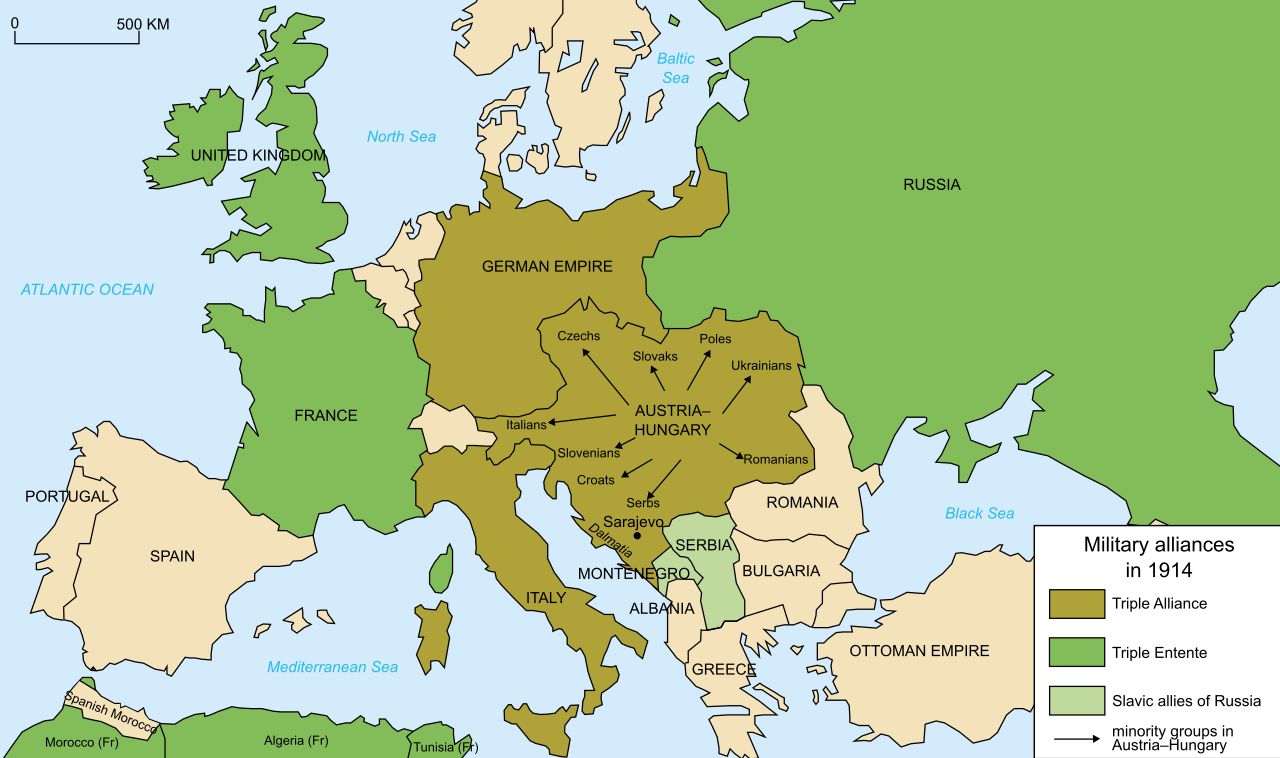
Add to this the friction of empire. Imperialist competition for colonies in Africa and Asia increased diplomatic tensions among European powers. Finally, you have the localized fuel: Nationalism fueled movements for independence among Slavic groups within the Austro-Hungarian Empire.
The system was wired. All it needed was a spark. In June 1914, a young Serbian nationalist named Gavrilo Princip assassinated Archduke Franz Ferdinand of Austria. The assassination of Archduke Franz Ferdinand triggered the existing alliance system to initiate the First World War. Like dominoes, the declarations of war cascaded.
The Strategy and the Stagnation
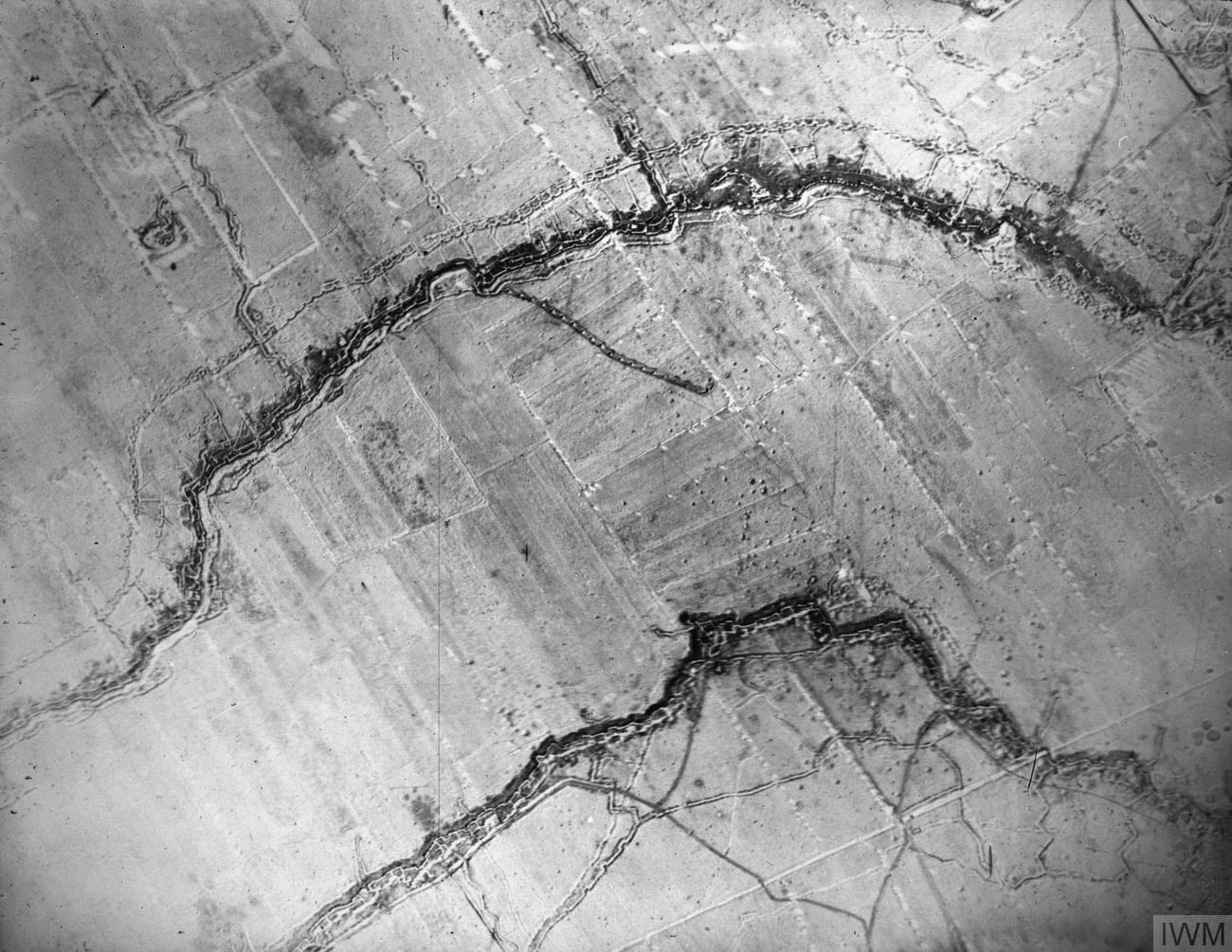
Germany faced a geographic nightmare: enemies on both sides. The Schlieffen Plan was the military strategy of Germany to avoid a two-front war by rapidly defeating France before fighting Russia. It failed. The result was a grotesque military stalemate. Trench warfare on the Western Front during the First World War led to prolonged military stalemates, with millions of men living and dying in the mud for yards of territory.
The Russian Pivot and the War's End
While the West bled in the trenches, the Russian Empire fractured. The strain of war triggered the Bolshevik Revolution in 1917, which led to the overthrow of the Russian Provisional Government. The architect of this revolution, Vladimir Lenin, established the first communist state in Russia, profoundly altering the ideological landscape of the 20th century.
By 1918, the war had ground the Central Powers into submission. The First World War resulted in the collapse of the Russian, Austro-Hungarian, German, and Ottoman empires. The map of the world was entirely redrawn.
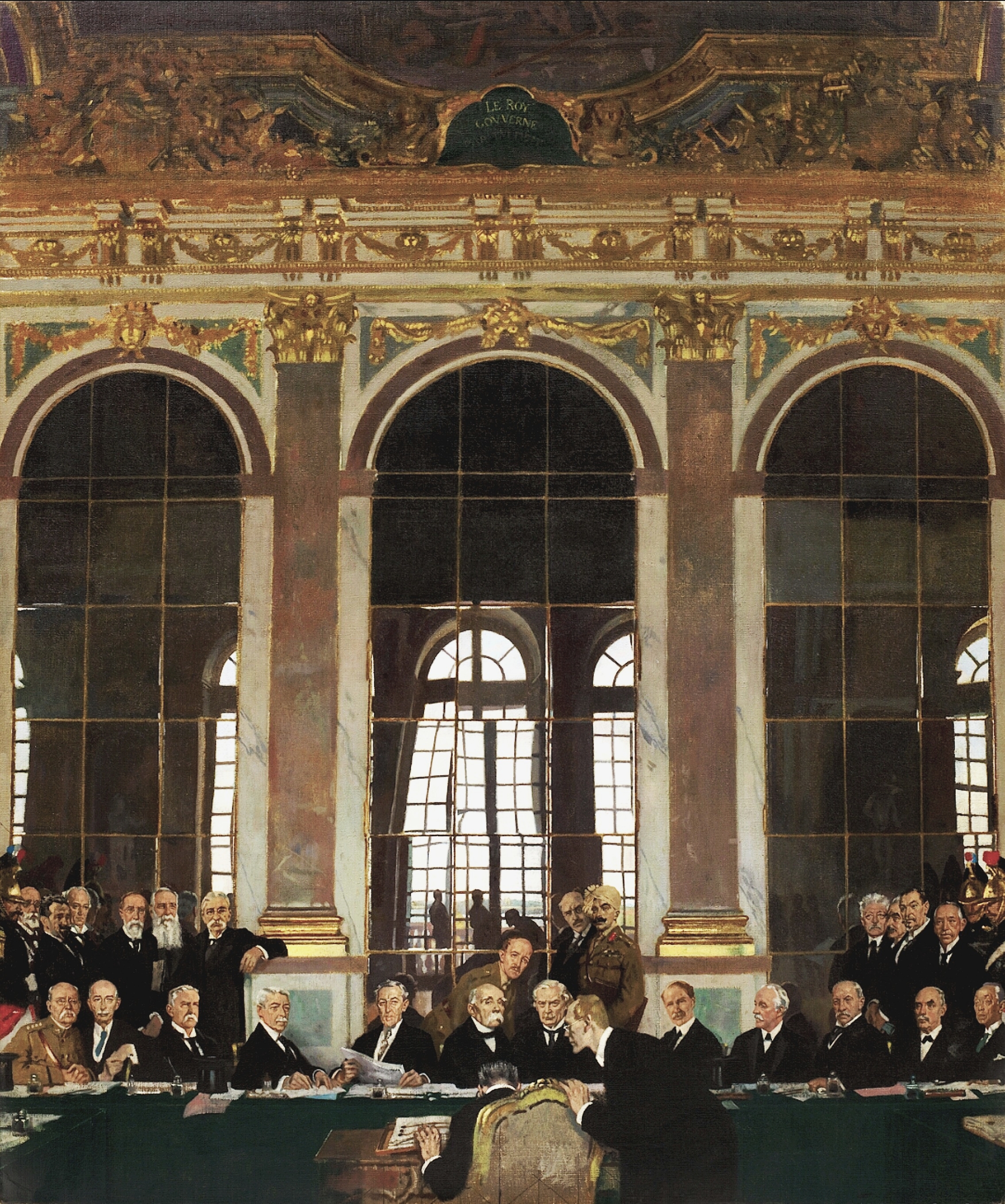
The Treaty of Versailles ended the state of war between Germany and the Allied Powers in 1919. But rather than forging a sustainable peace, it planted the seeds of the next war. The treaty:
- Forced Germany to accept full responsibility for starting the First World War (the infamous "War Guilt" clause).
- Imposed heavy financial reparations on Germany, crippling its nascent postwar economy.
To prevent future conflicts, the League of Nations was created after the First World War to provide an international forum for resolving disputes. However, it was fundamentally flawed from the start. Reflecting a sudden pivot back to isolationism, the United States Senate refused to ratify the Treaty of Versailles, meaning the United States never joined the League of Nations, stripping the organization of its most vital democratic enforcer.
Imagine a society reeling from mass death, economic ruin, and national humiliation. This is the petri dish for extremism. Severe economic distress from the Great Depression undermined democratic governments in Europe after the First World War. People stopped demanding liberty; they demanded bread and order.
Totalitarianism is a political system in which the state recognizes no limits to its authority and regulates every aspect of public and private life.
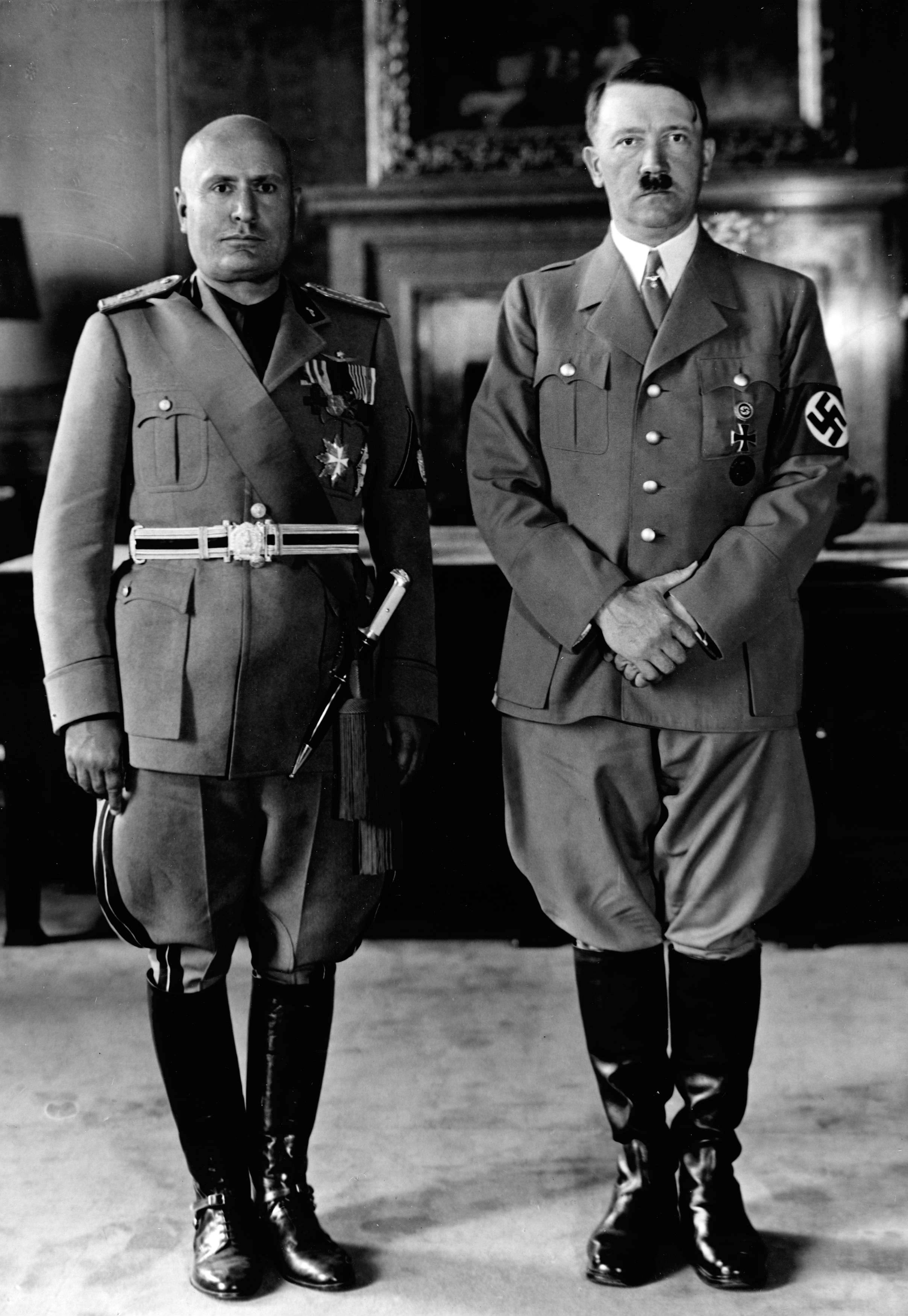
In Italy, Benito Mussolini established a fascist dictatorship in 1922. He pioneered Fascism, which promotes extreme nationalism, militarism, and the violent suppression of political opposition.
In Germany, the punitive reality of 1919 became a political weapon. Adolf Hitler capitalized on German resentment over the Treaty of Versailles to build support for the Nazi Party. By democratic mechanics that were quickly dismantled, Adolf Hitler was appointed Chancellor of Germany in 1933. The state was weaponized against its own people; the Nuremberg Laws of 1935 institutionalized antisemitic racial theories in Nazi Germany, laying the legal groundwork for genocide.
Meanwhile, in the Soviet Union, Joseph Stalin established a totalitarian communist regime during the 1920s and 1930s. Stalin transformed Russia through sheer, brutal force. He implemented rapid industrialization through a series of centralized Five-Year Plans and enforced the violent collectivization of agriculture, resulting in widespread terror and artificial famines.
Why didn't the democracies stop Hitler early? Because they remembered the horrors of the trenches. They practiced appeasement, a policy that involved making political or material concessions to aggressive powers to avoid conflict. Great Britain and France practiced appeasement toward Nazi Germany during the 1930s. The pinnacle of this failure was the Munich Agreement of 1938, which allowed Nazi Germany to annex the Sudetenland region of Czechoslovakia.
Appeasement only feeds the crocodile. On September 1, 1939, Nazi Germany invaded Poland. The invasion of Poland by Nazi Germany marked the beginning of the Second World War in Europe.
The Combatants and the Global Theater
- The Axis Powers of the Second World War primarily consisted of Germany, Italy, and Japan.
- The Allied Powers of the Second World War primarily consisted of Great Britain, the Soviet Union, and the United States.
The United States initially remained out of direct combat, acting as the "arsenal of democracy." But on December 7, 1941, the surprise attack on Pearl Harbor by the Japanese Imperial Navy brought the United States into the Second World War.
The conflict unleashed unimaginable horrors. Chief among them was the Holocaust: the systematic, state-sponsored genocide of six million Jews by the Nazi regime. When teaching this, emphasize that the Holocaust was not an accidental byproduct of war, but a primary, industrial objective of the Nazi state.
The Climax and the New Order
By 1945, the Axis powers were broken. At the Yalta Conference in 1945, the major Allied leaders resulted in the agreement to divide post-war Germany into occupation zones, foreshadowing the Cold War map.
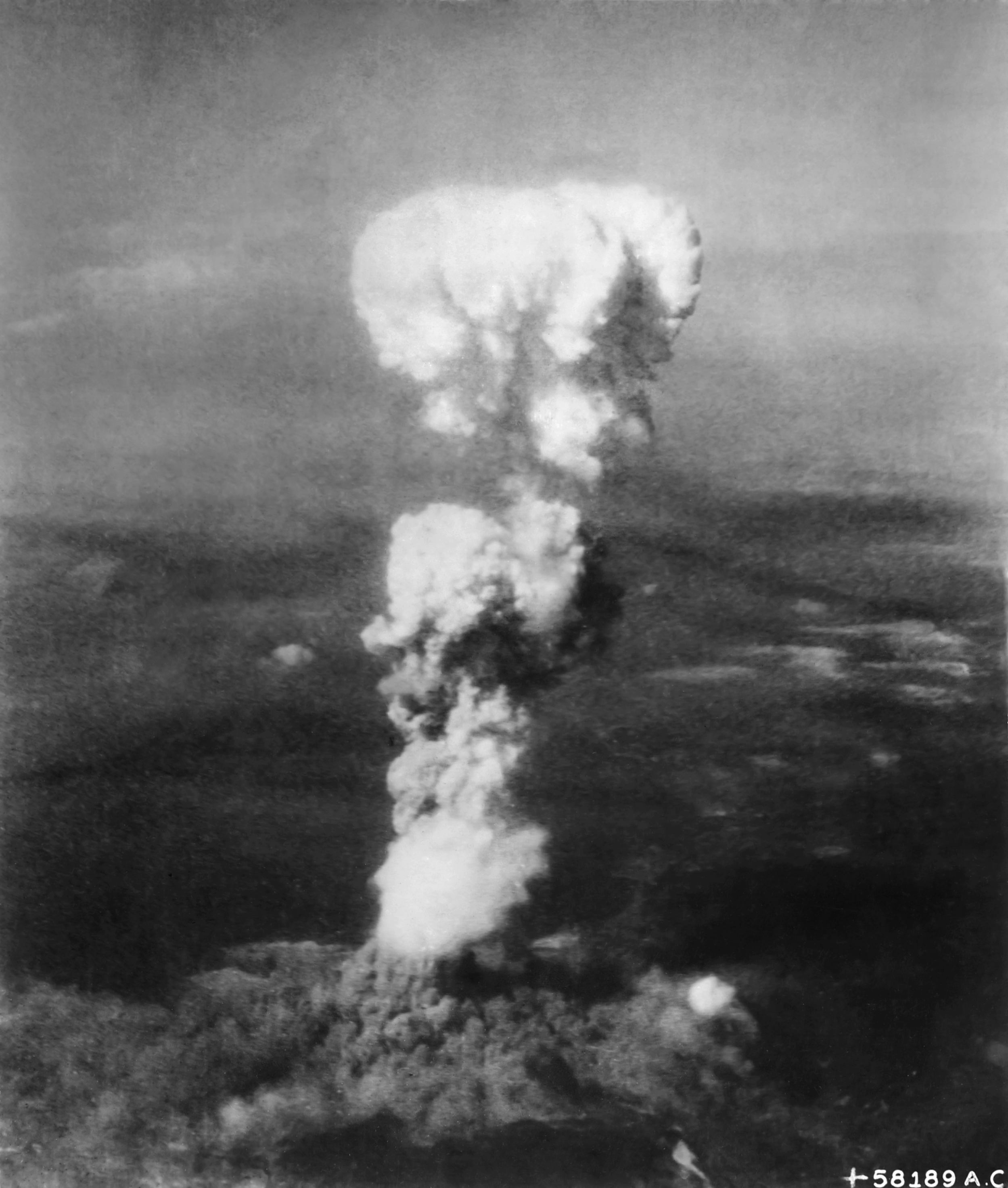
In the Pacific, the war ended with a profound technological terror. The United States dropped atomic bombs on the Japanese cities of Hiroshima and Nagasaki in August 1945. From a strategic standpoint, the use of atomic bombs on Japan hastened the unconditional surrender of the Japanese Empire.
From the ashes of this destruction, global leaders attempted to try international cooperation once more. The United Nations was established in 1945 to maintain international peace and security, this time with the full participation of the United States.
The moment the Second World War ended, a new conflict began. The Cold War was a state of geopolitical tension between the United States and the Soviet Union without direct large-scale military conflict.
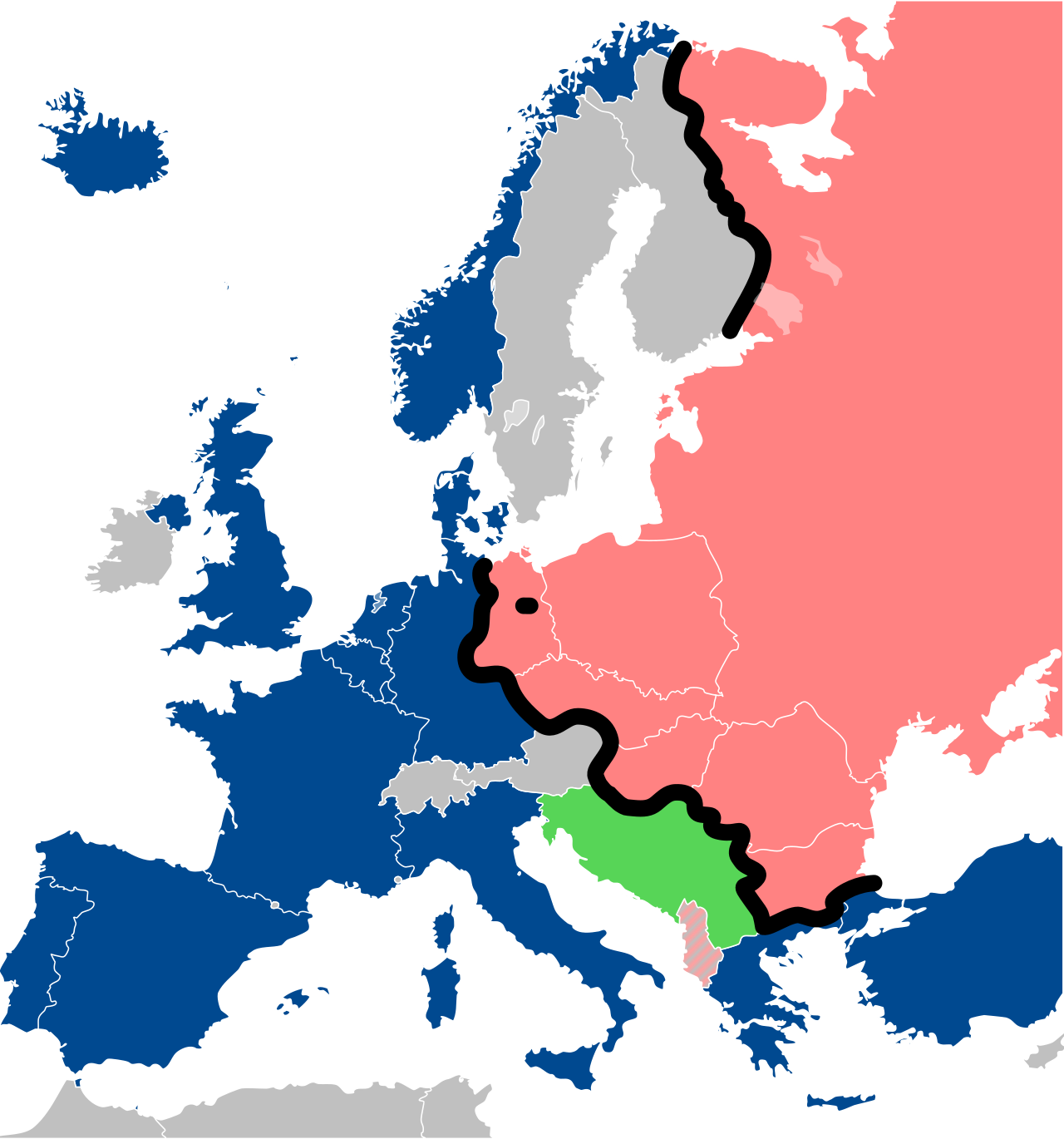
Why did they fight? Because of irreconcilable worldviews. The ideological struggle of the Cold War pitted democratic capitalism against authoritarian communism. Winston Churchill famously declared that an Iron Curtain had descended—a political boundary dividing Europe into two separate areas from the end of the Second World War until the end of the Cold War.
Containment and the European Theater
The United States responded with a grand strategy. The policy of containment aimed to prevent the spread of communism beyond existing Soviet borders. This was articulated in the Truman Doctrine, which pledged American political, military, and economic assistance to democratic nations under threat from authoritarian forces.
Knowing that economic despair breeds radicalism, the U.S. enacted the Marshall Plan, which provided billions of dollars in American economic aid to rebuild Western European economies after the Second World War.
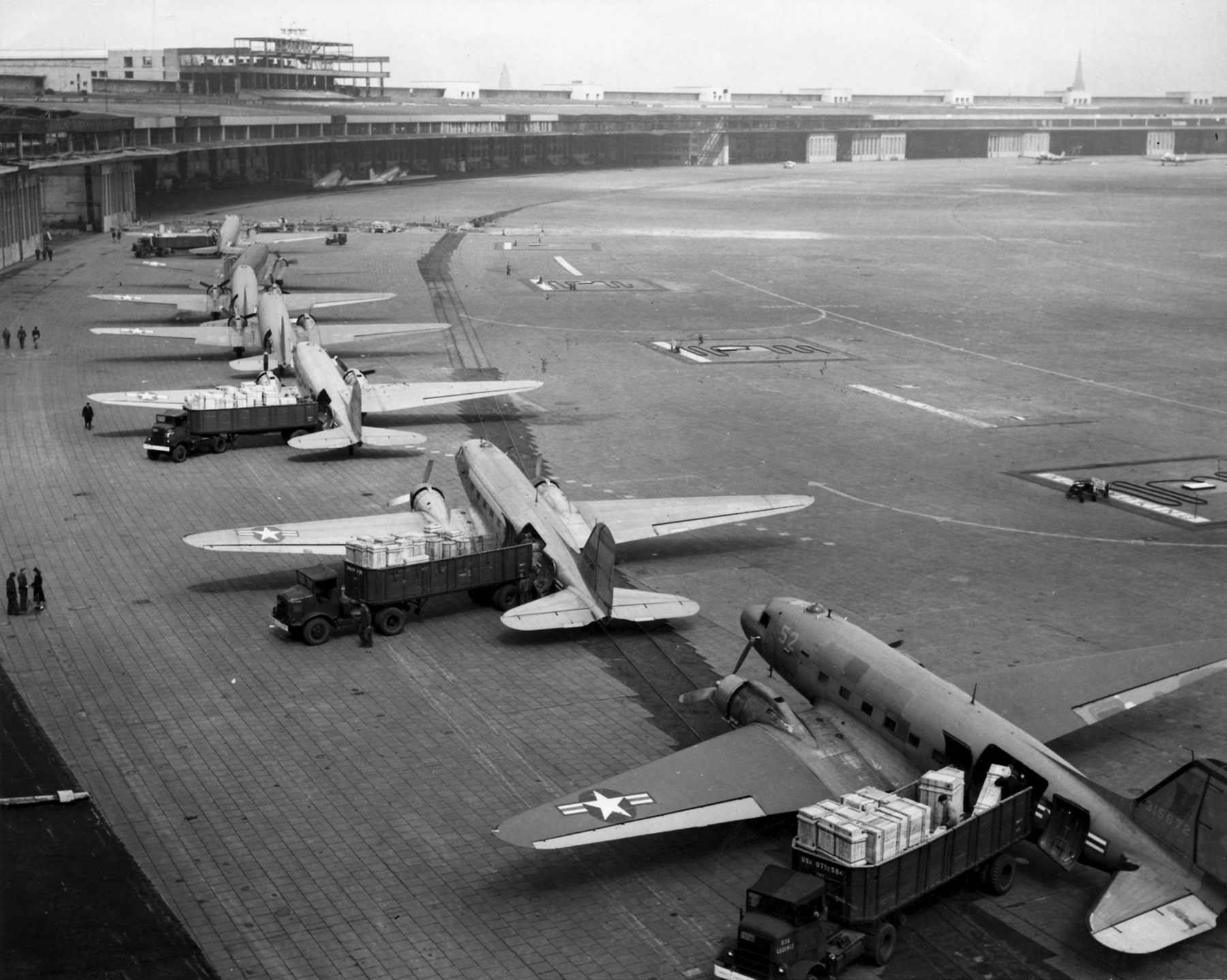
The first major test occurred in Germany. The Berlin Blockade of 1948 was one of the first major international crises of the Cold War. The Soviets cut off land access to the western-occupied zones of Berlin. The United States and Great Britain responded to the Berlin Blockade by airlifting food and fuel to West Berlin, an extraordinary logistical feat that broke the blockade without firing a shot.
This tension solidified into formal military alliances:
- The North Atlantic Treaty Organization (NATO) is a collective security alliance formed by the United States and Western European nations in 1949.
- In response, the Warsaw Pact was a collective defense treaty signed by the Soviet Union and Eastern Bloc satellite states in 1955.
The Asian Theater and the Domino Theory
In Asia, the Cold War turned exceptionally hot. The Chinese Communist Revolution concluded in 1949 with the establishment of the People's Republic of China under Mao Zedong. Mao's subsequent domestic policies were catastrophic. The Great Leap Forward was a Chinese economic campaign that caused a massive famine and millions of deaths. Later, the Cultural Revolution in China aimed to violently purge remnants of capitalist and traditional elements from Chinese society.
American foreign policy in Asia was governed by the domino theory, which posited that the fall of one nation to communism would lead to the successive fall of neighboring nations. This justified massive military interventions:
- The Korean War began in 1950 when communist North Korea invaded non-communist South Korea. It was a brutal conflict that ended in an armistice in 1953 with the Korean peninsula divided near the 38th parallel.
- Later, the Vietnam War was a Cold War proxy conflict between the communist North Vietnamese and the United States-backed South Vietnamese.
The Nuclear Brink
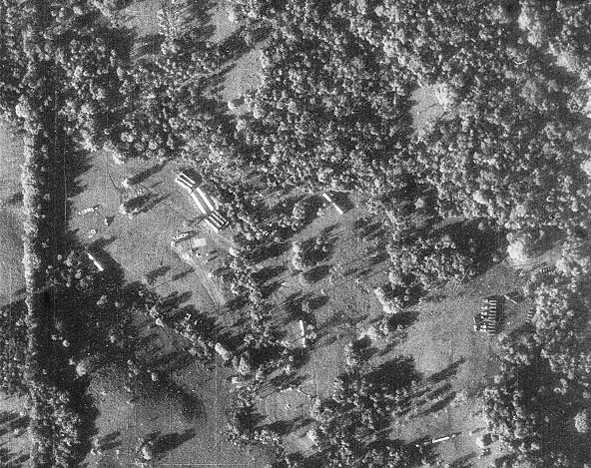
The ultimate terror of the Cold War was nuclear annihilation. The Cuban Missile Crisis of 1962 brought the United States and the Soviet Union to the brink of nuclear war over Soviet missile installations 90 miles off the coast of Florida. Ultimately, they stepped back. Why? Because of a grim psychological guarantee: The concept of mutually assured destruction (MAD) deterred the United States and the Soviet Union from launching nuclear weapons. If one fired, both would die.
While the U.S. and USSR wrestled for dominance, another tectonic shift was occurring: Decolonization is the process by which colonies become independent of the colonizing country.
Why did it happen so fast after 1945? Simply put: the colonizers were broke. The financial and military exhaustion of European colonial powers after the Second World War accelerated the global decolonization process.
Asia and the Middle East
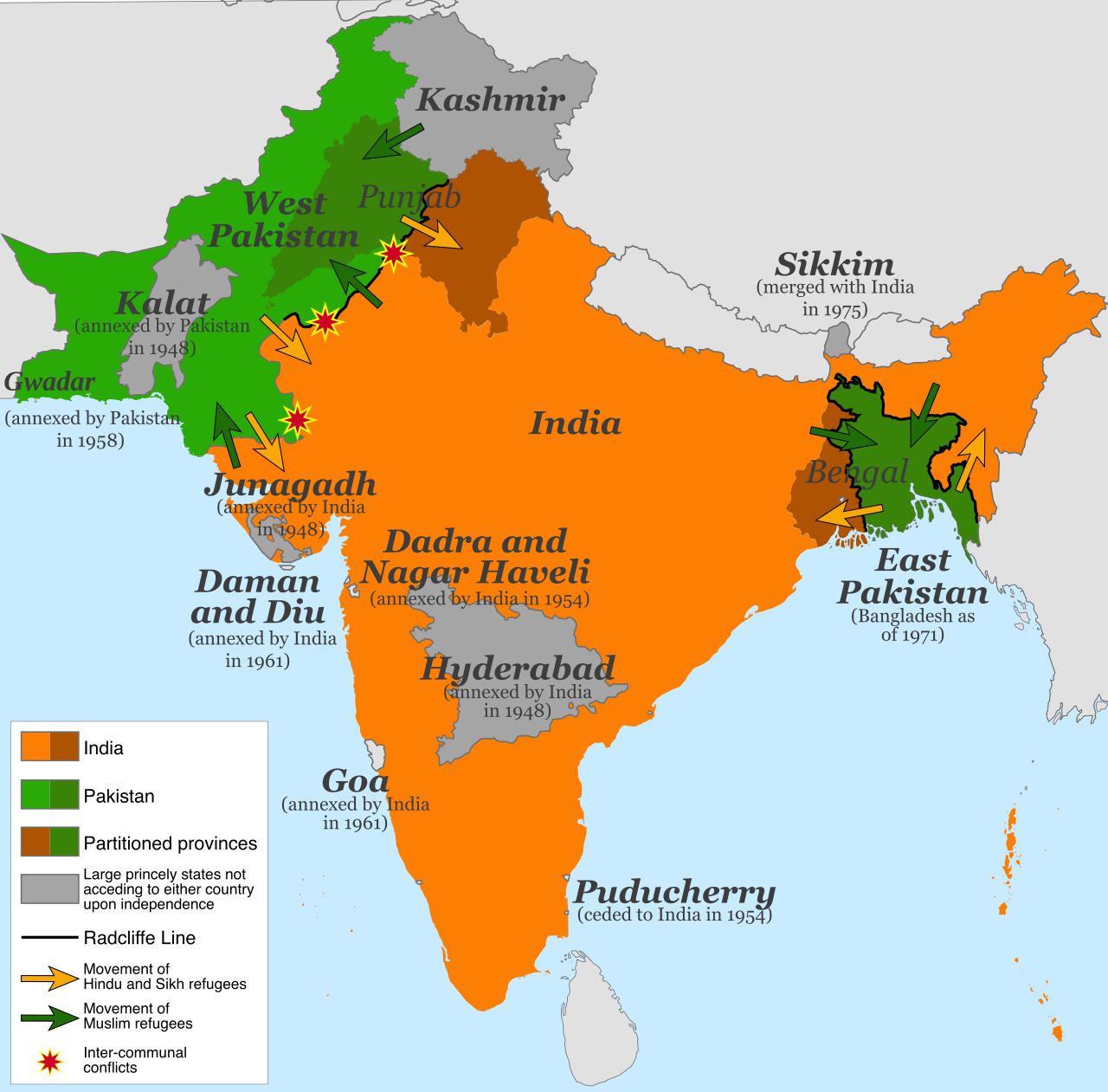
The crown jewel of the British Empire broke away when India gained independence from British colonial rule in 1947. However, sectarian tensions led to a bloody division. The partition of British India in 1947 created the separate independent nations of Hindu-majority India and Muslim-majority Pakistan.
In the Middle East, the roots of modern conflict were laid during and after the World Wars. Decades earlier, the Balfour Declaration of 1917 announced British support for the establishment of a national home for the Jewish people in Palestine. Following the horrors of the Holocaust, the international community acted. The United Nations Partition Plan for Palestine in 1947 recommended the creation of independent Arab and Jewish states, leading to the creation of Israel and the onset of the Arab-Israeli conflicts.
Africa
The winds of change swept through Africa. Kwame Nkrumah led the Gold Coast to independence from Great Britain in 1957. Stripping away its colonial moniker, the newly independent nation of the Gold Coast was renamed Ghana in 1957, serving as a beacon for Pan-African independence.
Further south, a dark counter-movement occurred. Apartheid was a system of institutionalized racial segregation and discrimination enforced by the white minority government in South Africa, which persisted until the early 1990s.
A Third Path
Not every newly independent nation wanted to be a pawn in the U.S.-Soviet chess match. The Non-Aligned Movement was formed during the Cold War by nations seeking to avoid formal military alliances with either the United States or the Soviet Union.
By the 1980s, the Soviet system was rotting from the inside. Its command economy could not keep pace with Western technological innovation, and its people were weary of state repression.
Realizing the system needed oxygen to survive, a new Soviet premier, Mikhail Gorbachev introduced the policies of glasnost and perestroika in the Soviet Union during the 1980s.
- Glasnost was a Soviet policy calling for increased political openness and transparency in government institutions.
- Perestroika was a political movement aimed at restructuring the stagnant Soviet economic and political system.
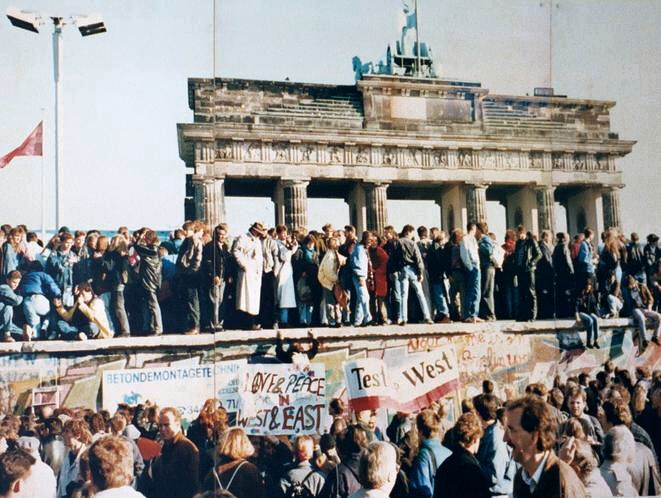
But you cannot grant a little bit of freedom to a society held together by force. The reforms triggered a chain reaction. Across Eastern Europe, satellite states threw off their communist governments. The physical manifestation of this occurred when the Berlin Wall fell in November 1989. The fall of the Berlin Wall symbolized the impending collapse of communist regimes throughout Eastern Europe.
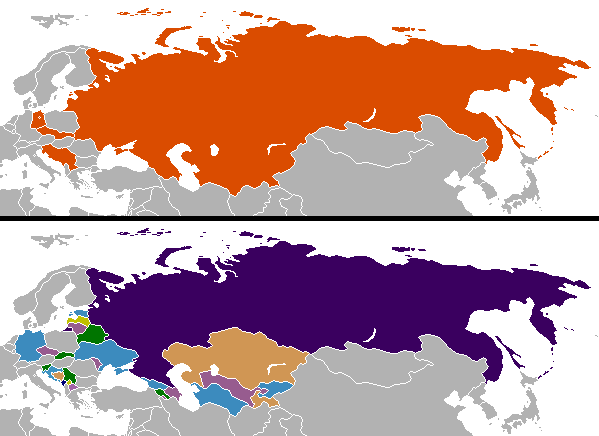
The core could not hold. Without firing a shot, the superpower imploded. The Soviet Union officially dissolved into fifteen independent republics in 1991. Geopolitically, the dissolution of the Soviet Union marked the definitive end of the Cold War.
To the Educator: When you look at the 20th century, do not teach it as a list of dates. Teach it as a study in physics. Show your students how the pressure cooker of imperialism and alliances burst in WWI. Show them how the vacuum of the Great Depression sucked totalitarianism into power. Show them how the nuclear physics of WWII created a Cold War that froze direct conflict but ignited proxy wars and accelerated decolonization globally. Master these connections, and you won't just pass the 5081 exam—you'll give your students the lens to understand the world they live in today.