Concepts of Chronology and Historical Sources
Not sure you’re ready?
Take the ~3-minute readiness diagnostic and see where you stand.
Consider the profound cognitive leap required of a young child attempting to understand the past. They can interact with a physical object, measure its length with a ruler, and weigh it on a scale. Time, however, is an invisible architecture. To an eight-year-old, an event that happened ten years ago feels indistinguishable in distance from an event that occurred two centuries ago; both are simply categorized in the mind as "before I was born."
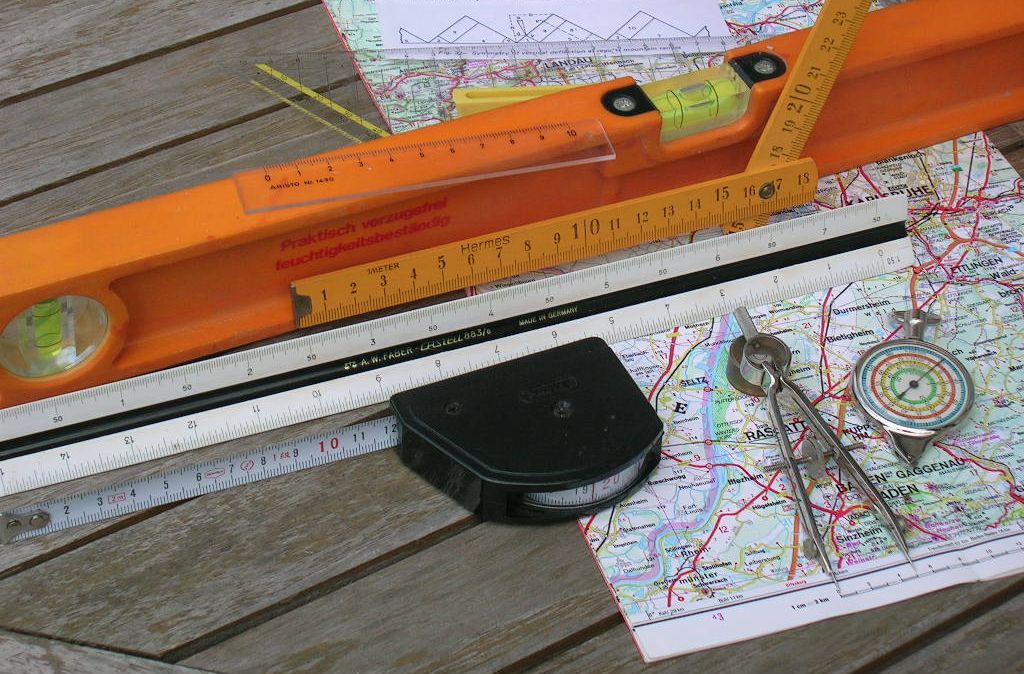
As educators, we are tasked with giving form to the formless. We must teach students not merely a sequence of disconnected facts, but the structural tools required to measure, map, and evaluate the human experience. Teaching historical content is not about demanding rote memorization; it is about cultivating a specific, analytical way of looking at the world. It requires translating the abstract dimensions of time into concrete, visual frameworks and guiding young minds to interrogate the evidence left behind by those who lived before us.
Before students can understand why historical events happened, they must understand when they happened. Chronology is the conceptual arrangement of events in the exact order of their occurrence. It is the spine of history. Without a chronological framework, historical events collapse into an undifferentiated jumble.
To teach chronology, we rely on a specific spatial tool: the timeline. A timeline is a visual representation of chronological events plotted along a drawn line. Because young children are highly visual and concrete thinkers, timelines help elementary students visualize the abstract concepts of past, present, and future.
The Mathematics of Timelines
When we introduce timelines, we are fundamentally teaching a mathematical concept disguised as a historical one. Timelines can represent different scales of time such as decades, centuries, or millennia.
- A decade is a continuous period of ten years.
- A century is a continuous period of one hundred years.
- A millennium is a continuous period of one thousand years.
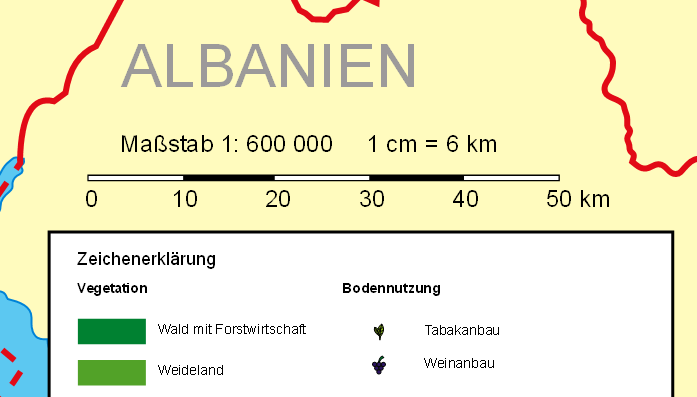
Teacher Knowledge Alert: The Spatial Misconception A common elementary student misconception is that events placed closer together on a timeline occurred closer in time, regardless of the indicated scale. If a timeline condenses 500 years into one inch, and expands the last 10 years across ten inches, a student may look at the visual proximity of two ancient events and assume they happened days apart. Therefore, teachers must explicitly teach the mathematical concept of scale when introducing timelines to students.
Beyond fixed numerical increments, students will also encounter qualitative periods of time. An era is a long and distinct period of history defined by a particular feature or characteristic (such as the Victorian Era or the Mesozoic Era).
Navigating the Calendar: Eras and Counting
We measure physical space from an origin point—a zero. Our historical calendar system operates on a similar principle, though the terminology shifts depending on secular or religious contexts.
| Secular Designation | Historical / Religious Equivalent | Direction of Counting |
|---|---|---|
| BCE (Before Common Era) | BC, meaning Before Christ, is the historical equivalent to the BCE time designation. | BCE dates count backward toward year zero. |
| CE (Common Era) | AD, meaning Anno Domini, is the historical equivalent to the CE time designation. | CE dates count forward from year one. |
A critical, often-overlooked mathematical quirk of our calendar system that frequently confuses students is the transition point: There is no year zero in the Gregorian calendar. The year 1 BCE is immediately followed by the year 1 CE.

Furthermore, calculating centuries requires a minor mental leap for students. The twentieth century encompasses the years 1901 through 2000. Because the first century consisted of years 1 through 100, the name of the century is always one digit ahead of the hundreds column of its years (e.g., the 1900s are the 20th century).
Why do we plot events on a timeline at all? We do it to track two fundamental historical dynamics: change and continuity.
Change over time refers to how places, people, or objects transform across different historical periods. Conversely, historical continuity refers to aspects of life or society that remain the same across different historical periods.
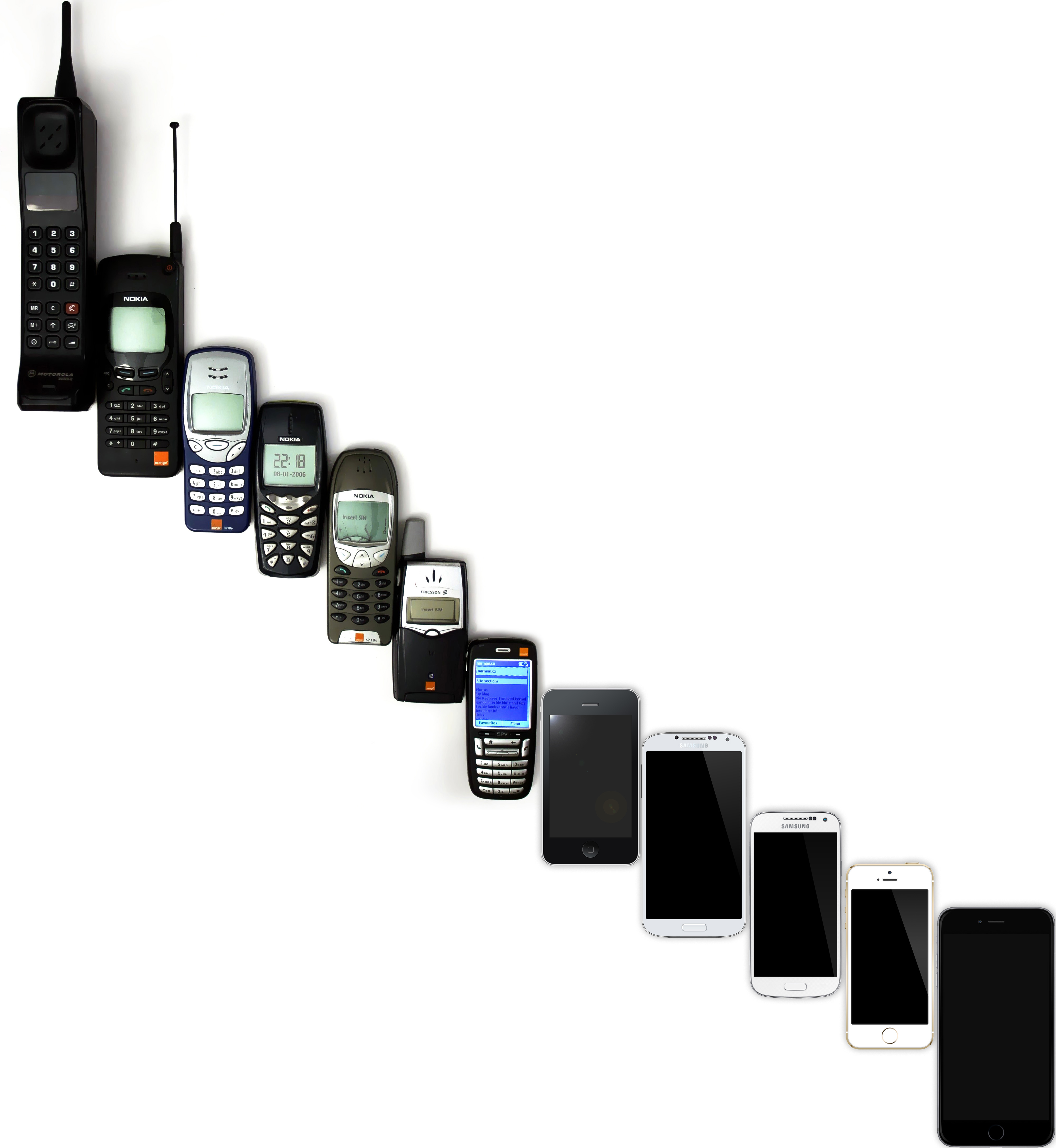
A timeline showing the evolution of communication—from the telegraph to the telephone to the smartphone—illustrates change over time. The fact that humans have consistently sought faster, more reliable ways to connect with one another across long distances illustrates historical continuity. Guiding students to recognize these dual forces prevents them from viewing history as a series of isolated leaps, helping them see the ongoing, unbroken thread of human existence.
Historians are essentially detectives; they cannot travel back in time, so they must reconstruct the past using the evidence left behind. We categorize this evidence into two distinct groups.
Primary Sources: The Unfiltered Past
A primary source is a first-hand account or piece of evidence from the specific time period being studied. These sources offer us direct interaction with the people of the past.
- Textual Primary Sources: Diaries and personal letters are examples of primary historical sources. An autobiography is categorized as a primary historical source because the author is writing about their own lived experiences.
- Visual and Physical Primary Sources: Original photographs and historical artifacts are examples of primary historical sources.
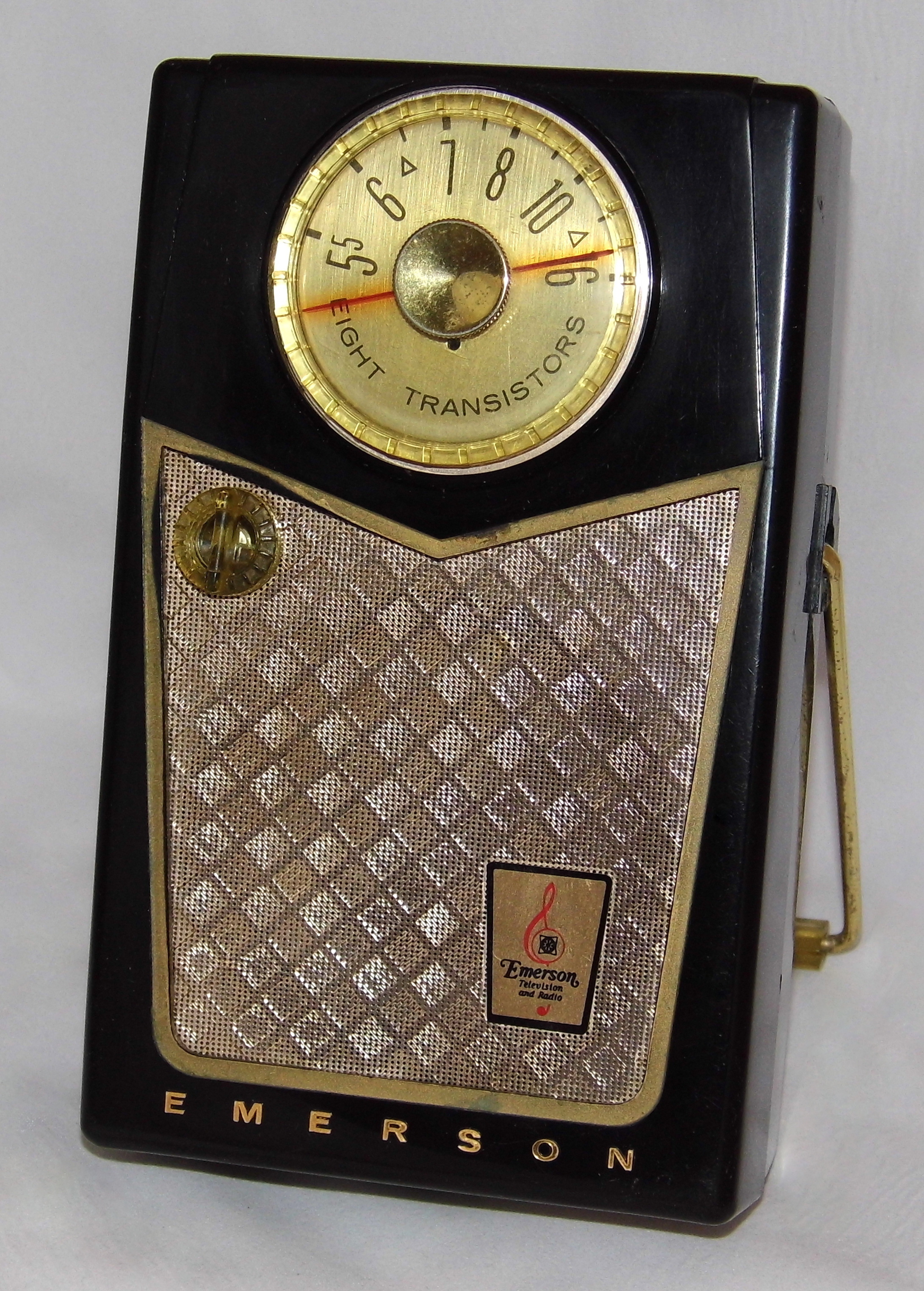
- Material Culture: A specific subset of physical artifacts is material culture. Material culture includes physical objects from the past used as primary historical sources—ranging from ancient pottery shards to a 1950s transistor radio.
Primary sources provide direct unfiltered evidence about a historical event, object, or person. However, "unfiltered" does not inherently mean "true."
Secondary Sources: The View from Above
A secondary source is created by someone who did not experience first-hand or participate in the historical events described. Instead of providing raw data, secondary sources analyze, interpret, or synthesize information gathered from primary sources.
- Modern history textbooks are examples of secondary historical sources.
- Encyclopedias and historical monographs are examples of secondary historical sources.
- A biography written years after the subject's death is categorized as a secondary historical source.
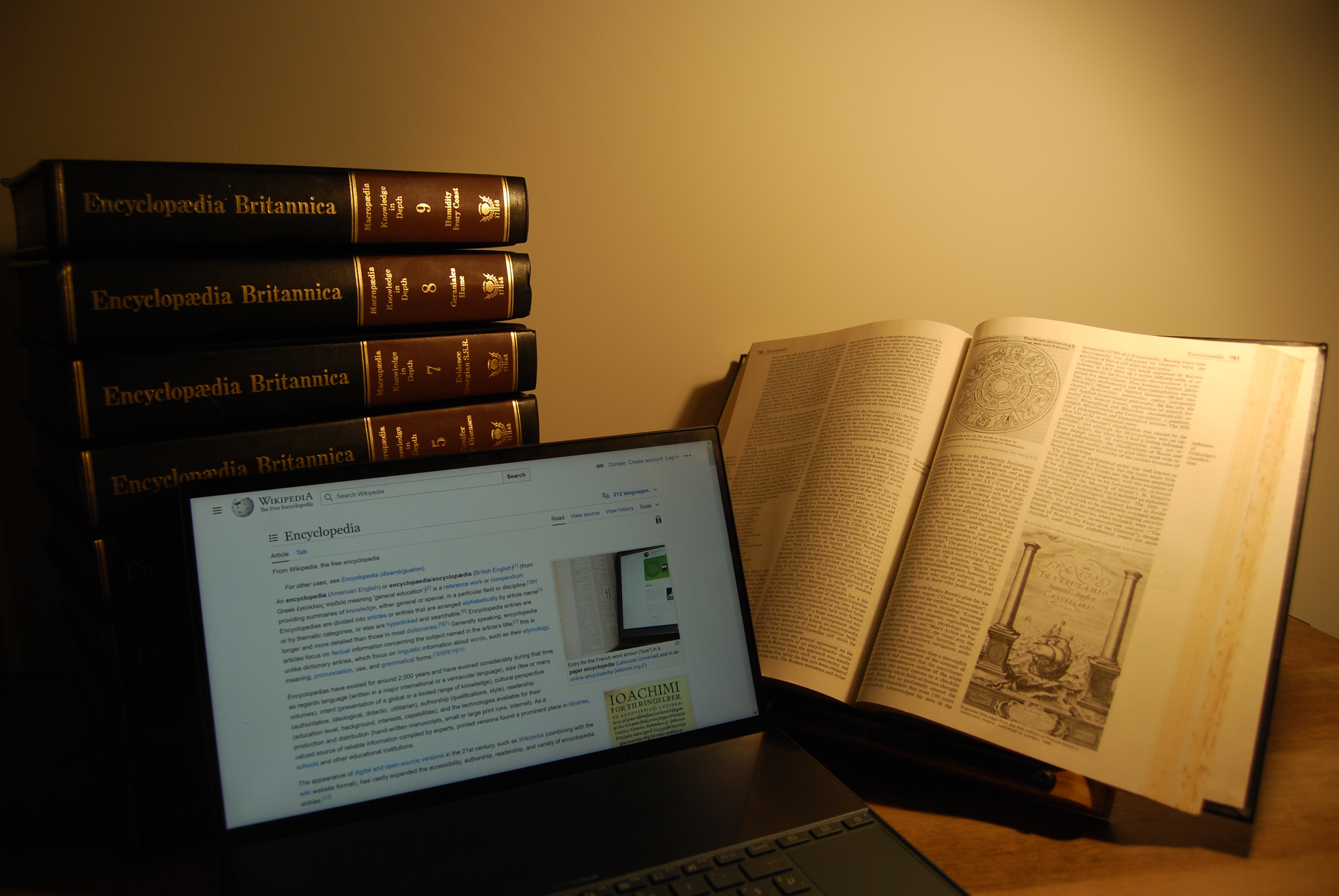
Teacher Knowledge Alert: The "Primary Means Perfect" Misconception Elementary students frequently hold the misconception that a primary source is always more accurate than a secondary source. They assume that because a person was there, their account is flawless. Teachers must actively deconstruct this. Primary sources frequently contain factual inaccuracies, exaggerations, or highly limited personal perspectives. By contrast, secondary sources provide broad historical context that is often lacking in isolated primary documents.
Think of it like a football game. The quarterback (primary source) gives you an intense, immediate, on-the-ground view of a single play. But the quarterback cannot see the entire field at once, nor do they possess absolute objectivity. The sportswriter in the press box (secondary source), writing the next day after reviewing the footage, provides the context of the entire game.
To prevent students from passively absorbing information, we must teach them the analytical skills required to evaluate historical sources. This involves three distinct cognitive actions:
- Sourcing is the analytical act of determining who created a document and understanding the creator's perspective. Before a student even reads a text, they should ask: Who wrote this? When? Why?
- Contextualization involves placing a historical source within its original era to properly understand the source's meaning. Words, images, and behaviors mean different things in different time periods.
- Corroboration is the process of comparing multiple historical sources to determine areas of agreement and disagreement. We never rely on a single document to establish the truth of an event.
Bias, Credibility, and Audience
As students engage in sourcing and corroboration, they must confront the reality of human nature. Every historical source contains some level of authorial bias. Historical bias refers to a disproportionate weight in favor of or against a specific idea, group, or historical narrative. Bias is not necessarily malicious; it is simply the lens through which an individual views the world.
To utilize a source effectively, we must assess its credibility. Credibility refers to the trustworthiness and reliability of a historical source.
- Determining the author's underlying purpose is a necessary step in evaluating the credibility of any historical source. Was the document written to inform, to persuade, to justify a mistake, or to entertain?
- Furthermore, an author's intended audience heavily influences the content, omissions, and tone of a historical document. A letter a soldier writes to his commanding officer will read vastly differently than a letter he writes to his young daughter, even if describing the exact same battle.
The Trap of Presentism
When elementary students first encounter historical practices that differ from their own, their immediate reaction is often harsh moral judgment. Presentism is the flawed practice of judging past historical events strictly by modern standards and values.
If a student scoffs at the medical practices of the 18th century as "stupid," they are engaging in presentism. Teachers should guide students to avoid presentism by explicitly contextualizing the historical norms of the era being studied. We do not excuse the past, but we must understand the parameters of knowledge, culture, and survival that governed the decisions of the people living in it.
Knowing historical content is only half the battle; the other half is Content Knowledge for Teaching (CKT). How do we make these rigorous historical concepts accessible to an eight-year-old?
Selecting developmentally appropriate historical sources requires matching the text's reading level to the elementary students' abilities. A primary source written in 17th-century English will frustrate, not enlighten, a third grader.
When adapting sources for the classroom, utilize the following pedagogical strategies:
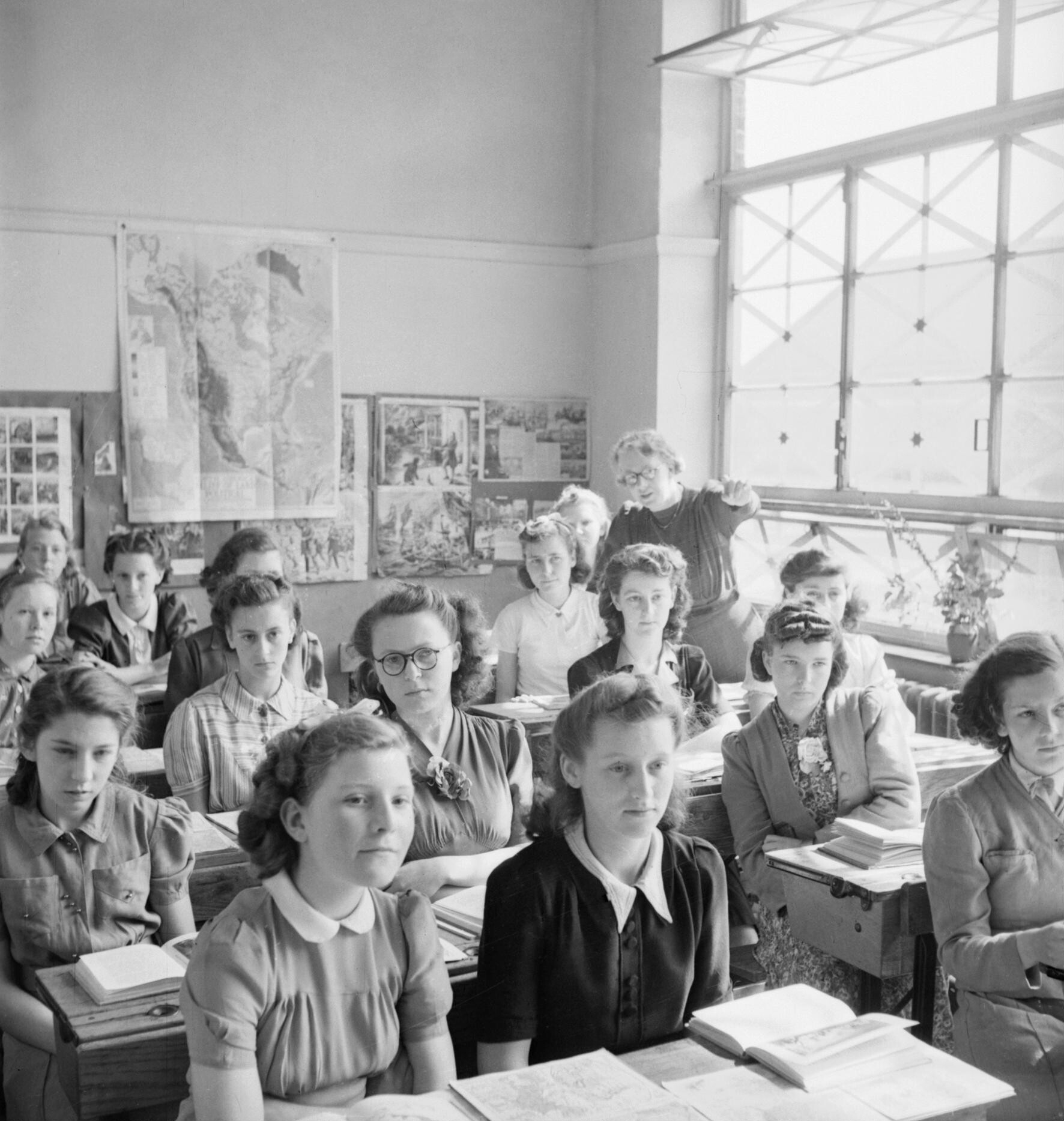
- Leverage the Visual: Visual primary sources like historical photographs are highly appropriate for early elementary students lacking advanced reading skills. A photograph of a turn-of-the-century classroom immediately sparks questions about change and continuity without requiring phonics mastery.
- Utilize Material Culture: Do not limit inquiry to paper. Analyzing material culture allows non-reading students to engage meaningfully in the historical inquiry process. Holding a physical artifact like a heavy antique iron, or examining its design, makes history a tangible, sensory experience.
- Modify Textual Sources: When you must use text, adapt it. Modified primary sources adapt complex historical language to make original documents accessible to younger readers. You retain the original meaning but update archaic vocabulary and syntax.
- Use the Power of Excerpting: You do not need to assign an entire historical speech. Excerpting involves selecting a short focused passage from a larger historical document to maintain elementary student engagement. A single, powerful paragraph is often enough to practice the skill of sourcing.
- Ground History in the Familiar: Finally, using local history sources helps elementary students connect abstract historical concepts to their immediate physical environment. When a child analyzes a historical map of their own town, or a photograph of their school from fifty years ago, the abstraction of "the past" suddenly anchors itself to the sidewalks they walk every day.