Property Disclosures on the Arizona Real Estate Salesperson (AZ-RES): What's Tested and How to Study It
In short
Disclosure runs through about 20 questions across the two AZ-RES papers — 9 on the General exam, and 11 on the Arizona State exam once consumer protection law is included. The material covers what makes a fact material, the federal environmental rules, and the short Arizona list of things a seller is free to stay silent about.
What the exam tests about disclosure
What has to be disclosed
The whole subject rests on one definition. A material fact is anything that would affect a reasonable buyer's decision to buy or what they would be willing to pay. Known material facts have to be disclosed.
Physical defects are the obvious category: a roof at the end of its life, a cracked foundation, plumbing that backs up, a heating system that has failed. So are things that don't touch the structure at all but still move the price — a boundary dispute with a neighbor, an unpermitted addition, a pending special assessment from the HOA.
The exam separates defects by whether they can be seen. A patent defect is visible on a walkthrough. A latent defect is hidden and would not turn up in an ordinary inspection. That is the one a seller can be held liable for concealing, because the buyer had no way of finding it for themselves.
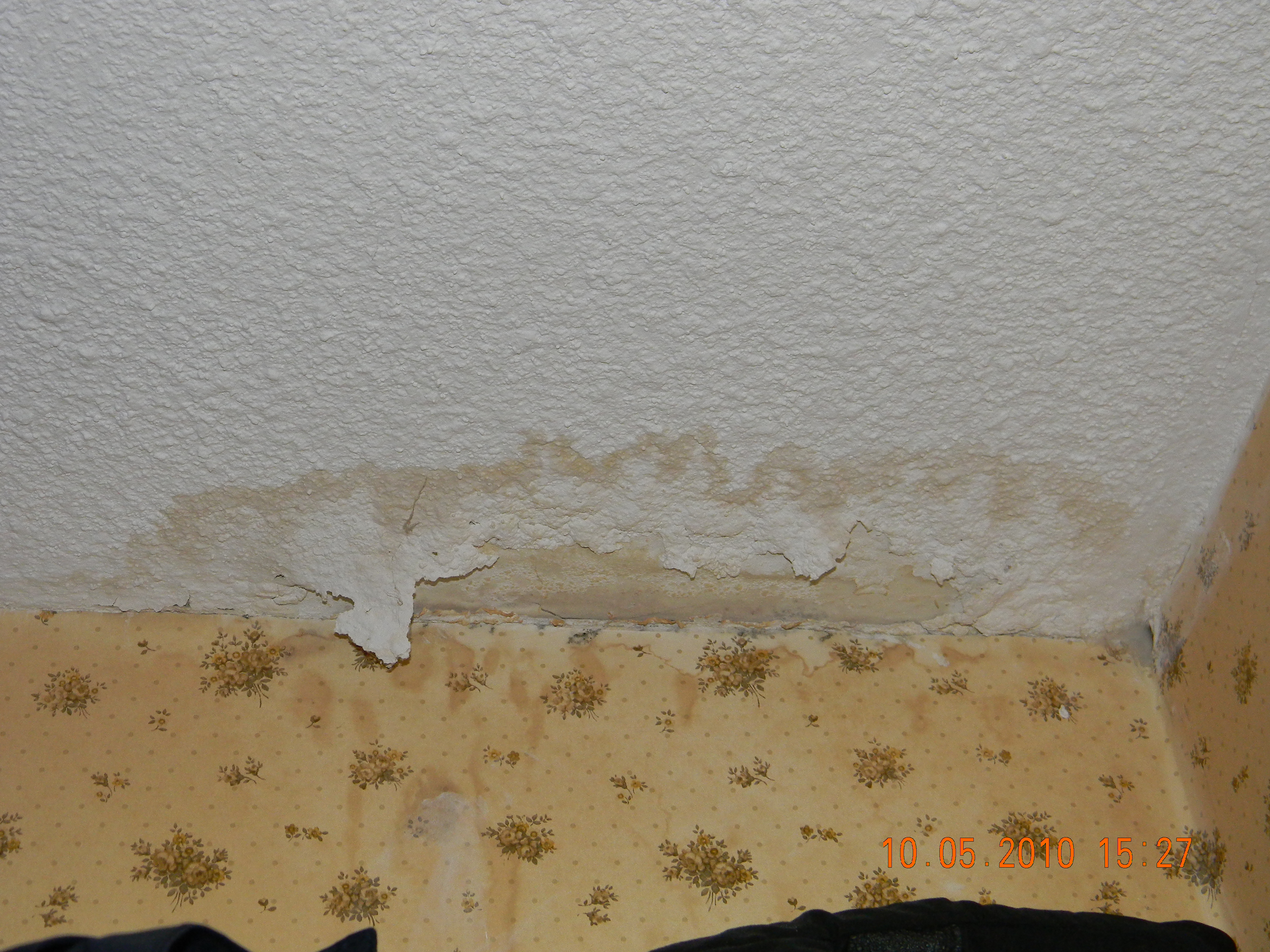
Your own duty as a licensee is narrower than a home inspector's, and it stops well short of diagnosis. The standard is what a reasonably competent licensee would observe — the red flags. Water staining across a ceiling. A musty smell in a closed room. Fresh paint on one patch of wall. Doors that no longer close square. Each of these is a signal you must mention, followed by a recommendation to get a professional inspection.
Where licensees get into trouble is the line between opinion and fact. Saying a house has "the best view in the neighborhood" is puffing, and nobody can sue over it. Saying the roof was replaced four years ago when you have not checked is a misrepresentation, and it is actionable whether you knew it was false or never checked.
What Arizona says you don't have to disclose
Arizona is unusual here, and the state exam tests it. State law says a seller and a licensee carry no liability for failing to disclose that a property was the site of a natural death, a suicide, a homicide, or a felony, or that a previous occupant had HIV or AIDS or another condition not transmitted through ordinary occupancy of a home.
These are the stigmatized-property questions. A buyer who asks directly is a different situation and you cannot lie to them, but there is no affirmative duty to raise it. Arizona takes the same approach to sex offender information: the licensee points the buyer at the state's registry and lets them search it themselves.
Learn this as a short closed list. Everything not on it is governed by the ordinary material-facts rule.
The Arizona and federal paperwork
The Seller's Property Disclosure Statement, usually called the SPDS, is the form an Arizona seller uses to report what they know about the property's condition. The Arizona Association of REALTORS® resale contract builds it in and sets the deadline for delivering it. No statute imposes it on every sale, so the contract is what makes it standard practice.
Two more Arizona documents attach to specific kinds of land. An Affidavit of Disclosure is required when someone sells five or fewer parcels of unsubdivided land in an unincorporated area of a county. It covers road access, utilities, wastewater, and flood risk — the things a buyer of raw desert land needs to know before discovering there is no legal way to reach it. The Subdivision Public Report comes from the Arizona Department of Real Estate and must reach buyers of subdivided land before closing.
Federal law adds one requirement that applies in every state. For a home built before 1978, the seller must disclose known lead-based paint hazards, hand over the EPA's Protect Your Family from Lead in Your Home pamphlet, and give the buyer a ten-day window to have the property tested. Commit 1978 to memory — the rule applies on one side of that year and not the other.
The environmental hazards, and how each one behaves
Pearson's outline names the hazards individually. Learn each one by the route it takes to reach a person, and the table below becomes a set of stories rather than a list of words.
| Hazard | Where it comes from | What makes it dangerous |
|---|---|---|
| Lead | Paint and pipes in pre-1978 homes | Ingested dust and chips; harms children's development |
| Asbestos | Old insulation, floor tiles, pipe wrap | Only when friable — crumbling and airborne |
| Radon | Naturally occurring gas rising from soil | Accumulates indoors; a leading cause of lung cancer |
| Mold | Moisture from leaks and poor ventilation | Airborne spores; respiratory harm |
| Underground storage tanks | Buried fuel and chemical tanks | Leak into soil and groundwater |
| Brownfields | Previously contaminated industrial land | Cleanup cost and liability attach to the site |
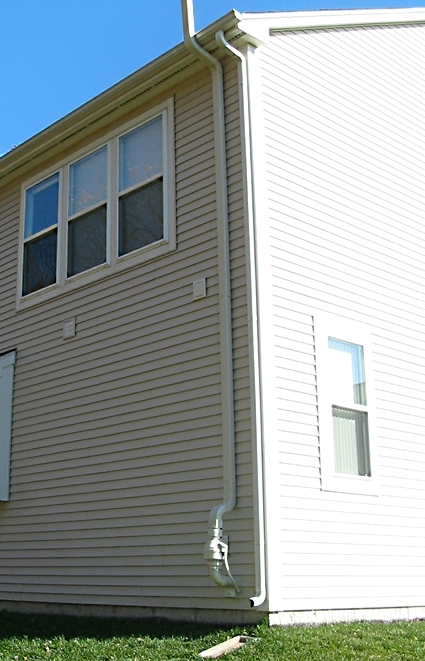
Radon is mitigated by sub-slab depressurization, which vents the gas from under the foundation to above the roof. Asbestos that is intact and undisturbed is often safest left alone, since removal is what puts fibers in the air.
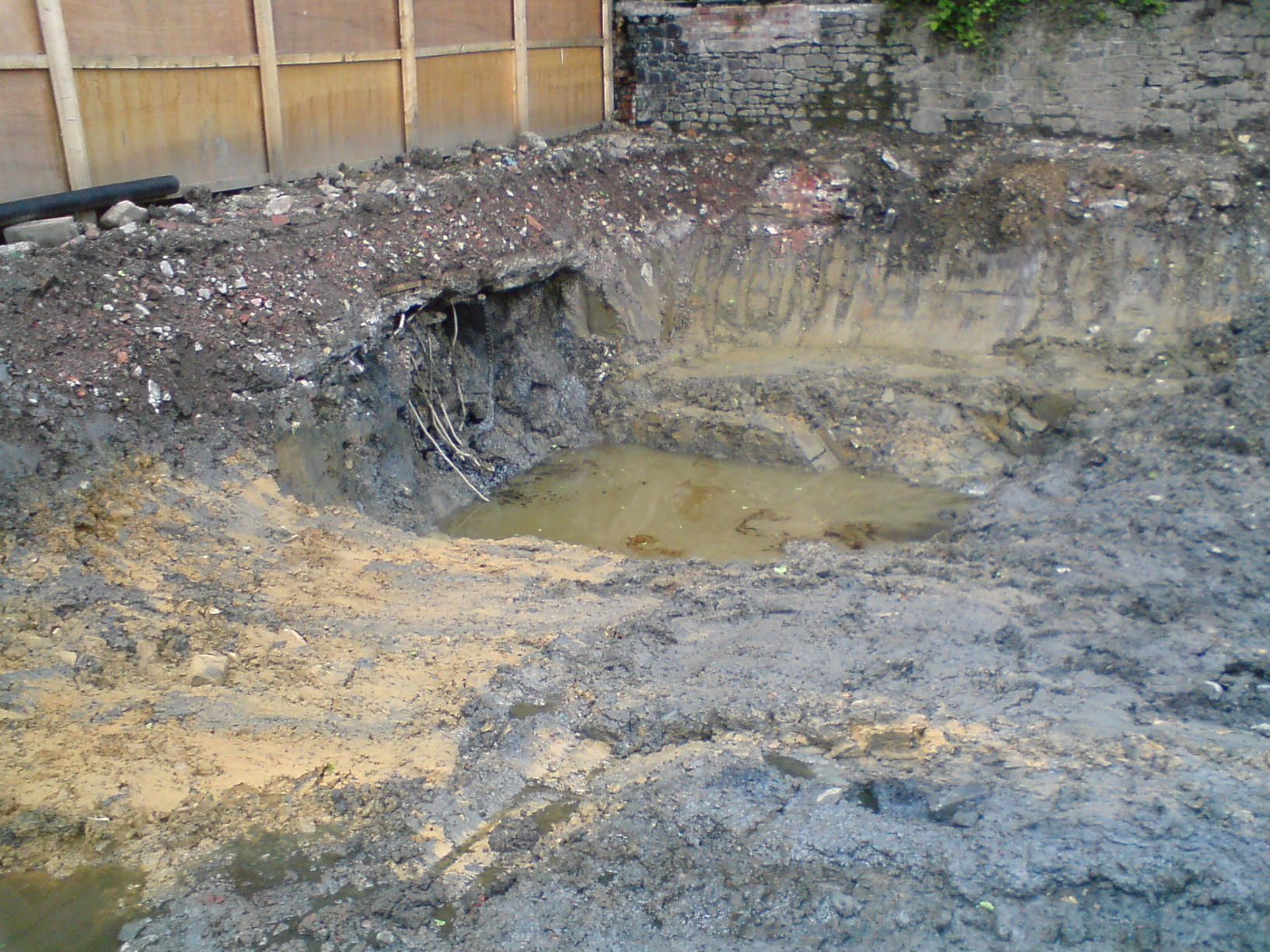
Wetlands and flood zones concern the land itself. Wetlands are federally protected, and filling or developing them needs a permit. Flood zones are mapped by FEMA, and a property inside a Special Flood Hazard Area will need flood insurance as a condition of any federally backed loan.
Who pays for the cleanup
CERCLA — the Superfund law — is the reason environmental questions have teeth, and its liability scheme has three features the exam wants by name.
Liability is strict, meaning you can be responsible without having done anything careless. It is joint and several, meaning any one responsible party can be made to pay the entire cleanup cost and then chase the others for their share. And it is retroactive, meaning it reaches conduct that was perfectly legal when it happened. The later SARA amendments added the innocent landowner defense for a buyer who investigated properly beforehand.
That defense is what environmental site assessments are for. A Phase I assessment reviews records, history, and the site itself with no sampling. A Phase II goes further and takes physical samples to test. Completing a Phase I is how a commercial buyer establishes they made the inquiry the law expects.
The licensee's own exposure
The Arizona State paper devotes a whole area to licensee duties and obligations, and every subtopic in it is something you have to reveal: the agency relationship, any conflict of interest, how you are compensated, and how much experience you have. Arizona's Consumer Fraud Act of 1967 sits behind all of it as the state's general remedy for deception in a sale, and the state outline gives consumer protection laws their own area.
The distinction that matters for disclosing material facts and defects is between fraud, which requires an intent to deceive, and negligent misrepresentation, where you passed on something false you should have checked. Both create liability.
How it shows up on the exam
Only Ever's curriculum allots 8 study hours to Property Disclosures across 3 topics, out of 100 total prep hours for this exam. That figure is our own estimate of study time; the exam board publishes question counts instead.
Pearson VUE's published outlines put the questions here:
| Where it's tested | Questions |
|---|---|
| General: Property Disclosures and Environmental Issues | 9 of 80 |
| — Property conditions and environmental issues | 5 |
| — Environmental and property disclosure obligations and liability | 4 |
| State: Licensee Duties and Obligations | 6 of 60 |
| State: Arizona Consumer Protection Laws | 5 of 60 |
Pearson also publishes a difficulty split for each General area: 5 knowledge items, 3 application, and 1 analysis. Five of the nine ask you to recall something. The other four hand you a situation and ask what follows from it.
Work through it in three passes. Learn the hazard table until you can state where each one comes from and what makes it harmful. Memorize the small set of hard facts — 1978 for lead paint, the ten-day testing window, the three features of CERCLA liability, Phase I versus Phase II. Then spend the last session on Arizona's short list of non-disclosures and its three forms, which are state rules a national guide has no reason to carry.
Common questions
How many disclosure questions are on the AZ-RES exam? About 20 across both papers. The General exam has 9 scored items in Property Disclosures and Environmental Issues. The Arizona State exam has 6 in Licensee Duties and Obligations and another 5 on Arizona consumer protection law.
What is a material fact? Anything that would affect a reasonable buyer's decision to buy or the price they would pay. Known material facts must be disclosed, whether or not the buyer thinks to ask.
Does a seller in Arizona have to disclose a death in the house? No. Arizona law removes liability for not disclosing a natural death, suicide, homicide, or felony on the property, or that an occupant had HIV or AIDS. You still cannot lie if a buyer asks directly.
When does the lead-based paint rule apply? To residential property built before 1978. The seller discloses known hazards, provides the EPA pamphlet, and gives the buyer ten days to arrange testing.
Is the SPDS required by Arizona law? The AAR resale contract requires it, and that contract is used in most Arizona residential sales. Arizona statute does not demand one on every sale.
Am I responsible for finding defects the seller didn't mention? You are responsible for disclosing the red flags a reasonably competent licensee would notice and for recommending an inspection. You are not required to inspect the property or diagnose what you see.
Only Ever's guides and practice questions for this exam are free, including the AI-generated question sets other providers charge for. Try the free practice questions and start with the Arizona non-disclosure items and the CERCLA liability questions.