Valuation and Market Analysis on the Arizona Real Estate Salesperson (AZ-RES): What's Tested and How to Study It
In short
Valuation is worth 12 questions on the AZ-RES General exam — 11 in the Property Value and Appraisal area plus one in the math section — and almost nothing on the Arizona State paper. It covers what value means, the three approaches to estimating it, and where a licensee's market analysis stops and an appraisal begins.
What the exam tests about valuation
Value, price, and cost are three different numbers
The Concept of Value subsection alone carries 4 of the General exam's 80 items, and it turns on this distinction.
Market value is an opinion: the most probable price a property should bring in an open, competitive market where buyer and seller are both informed, neither is under pressure, and the property has had reasonable time to sell. Market price is a fact — the number the property changed hands for, whatever the circumstances of that sale. Cost is what it took to build.
A house built for 340,000 and sell for $360,000. All three numbers are correct, and they measure different things.
For value to exist at all, four conditions have to hold at once. Candidates remember them as DUST: demand for the property, utility to satisfy a need, scarcity in supply, and transferability of title. Remove any one and there is no value. Land in the middle of a desert with no legal access fails transferability, whatever else is true about it.

The principles that move value
Substitution is the foundation of the whole subject. A buyer will not pay more for a property than the cost of acquiring an equally desirable substitute. All three appraisal approaches are different ways of applying it.
The rest are the ones the exam asks about by name.
| Principle | What it says |
|---|---|
| Highest and best use | The use that is legally permitted, physically possible, financially feasible, and most productive |
| Conformity | Value peaks when a property resembles those around it |
| Progression | A modest home gains value from expensive neighbors |
| Regression | An expensive home loses value from modest neighbors |
| Contribution | An improvement adds what it contributes to value, which may be less than it cost |
| Anticipation | Value reflects the benefits a buyer expects in future |
| Plottage | Combining adjacent parcels, through assemblage, can create value greater than the sum |
Contribution is the one worth dwelling on. Spend 20,000 of value. What an improvement cost and what it contributes are separate figures.
How an appraisal gets done
The appraisal process is a defined sequence:
Define the problem and the assignment →
identify and gather the data needed →
analyze highest and best use →
estimate the land value separately →
apply the three approaches to value →
reconcile the results into one figure →
report the opinion of value.
Federal oversight arrived with FIRREA in 1989, after the savings and loan collapse. It requires appraisers in federally related transactions to be state-licensed or certified, and their work follows the Uniform Standards of Professional Appraisal Practice, published by the Appraisal Foundation. Appraiser independence requirements sit alongside it, barring lenders from pressuring an appraiser toward a number that makes the loan work.
The three approaches, and when each one applies
Sales comparison is the workhorse for residential property. Find recent sales of similar homes, then adjust each one for the ways it differs from the property you're valuing.
One rule governs every adjustment: you adjust the comparable, never the subject. If the comparable is better than the subject — an extra bathroom, a bigger lot — you subtract from the comparable's sale price. If it is worse, you add. Candidates memorize it as CBS: comp better, subtract.
The cost approach takes over when there are no comparable sales — new construction, or special-purpose buildings like a school or a church. Its formula: land value, plus the cost of building the improvements new, minus depreciation.
Two costs get distinguished here. Reproduction cost prices an exact replica in the same materials. Replacement cost prices a building that does the same job, using today's materials and methods. Appraisers usually work from replacement — nobody rebuilds a 1920s home with 1920s techniques.
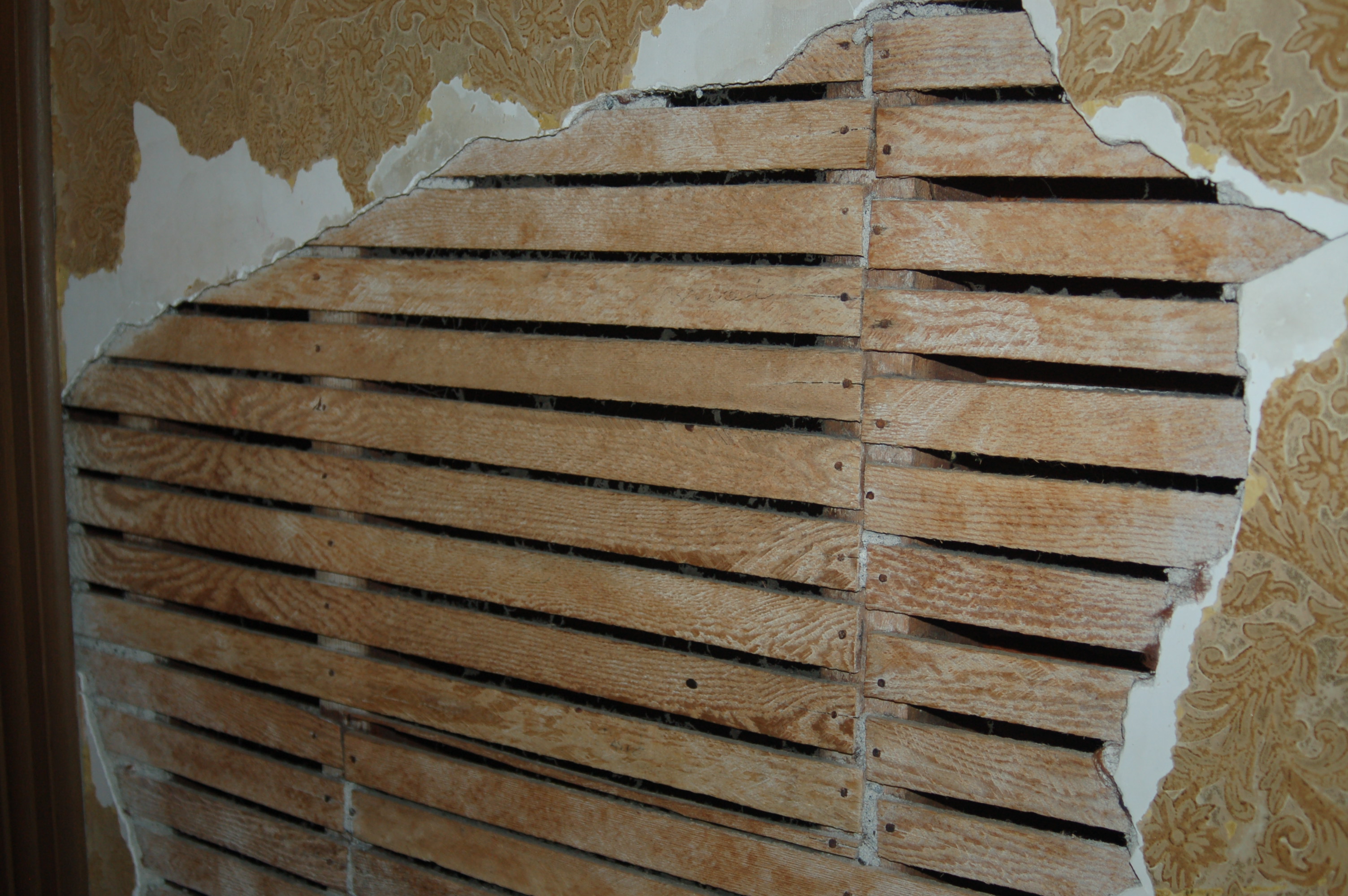
Depreciation then comes in three kinds, and the exam wants you to tell them apart by cause:
| Type | Cause | Example | Curable? |
|---|---|---|---|
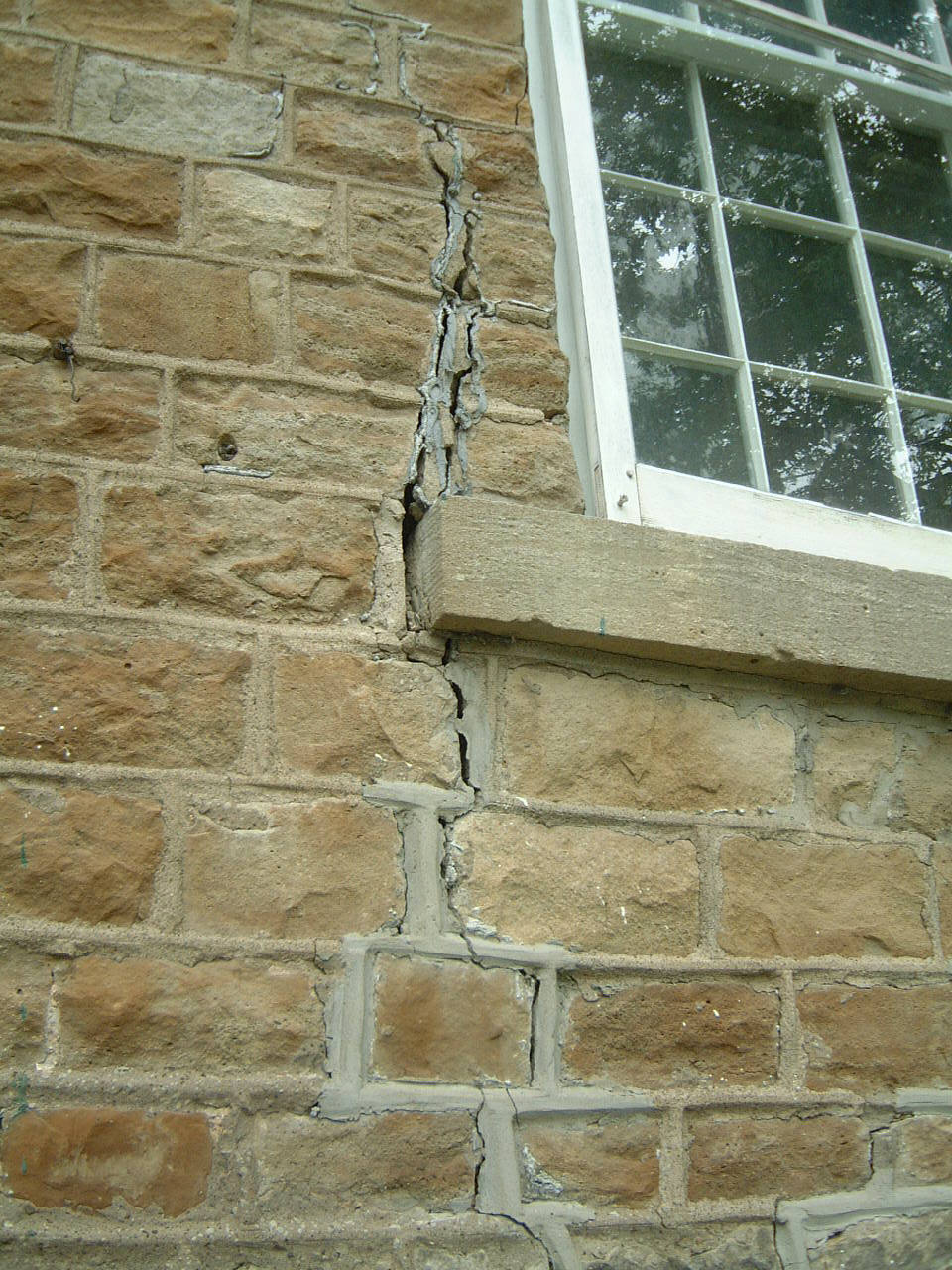
| Physical deterioration | Wear, tear, age | Worn roof, peeling paint | Sometimes |
| Functional obsolescence | Outdated design | Four bedrooms, one bathroom | Sometimes |
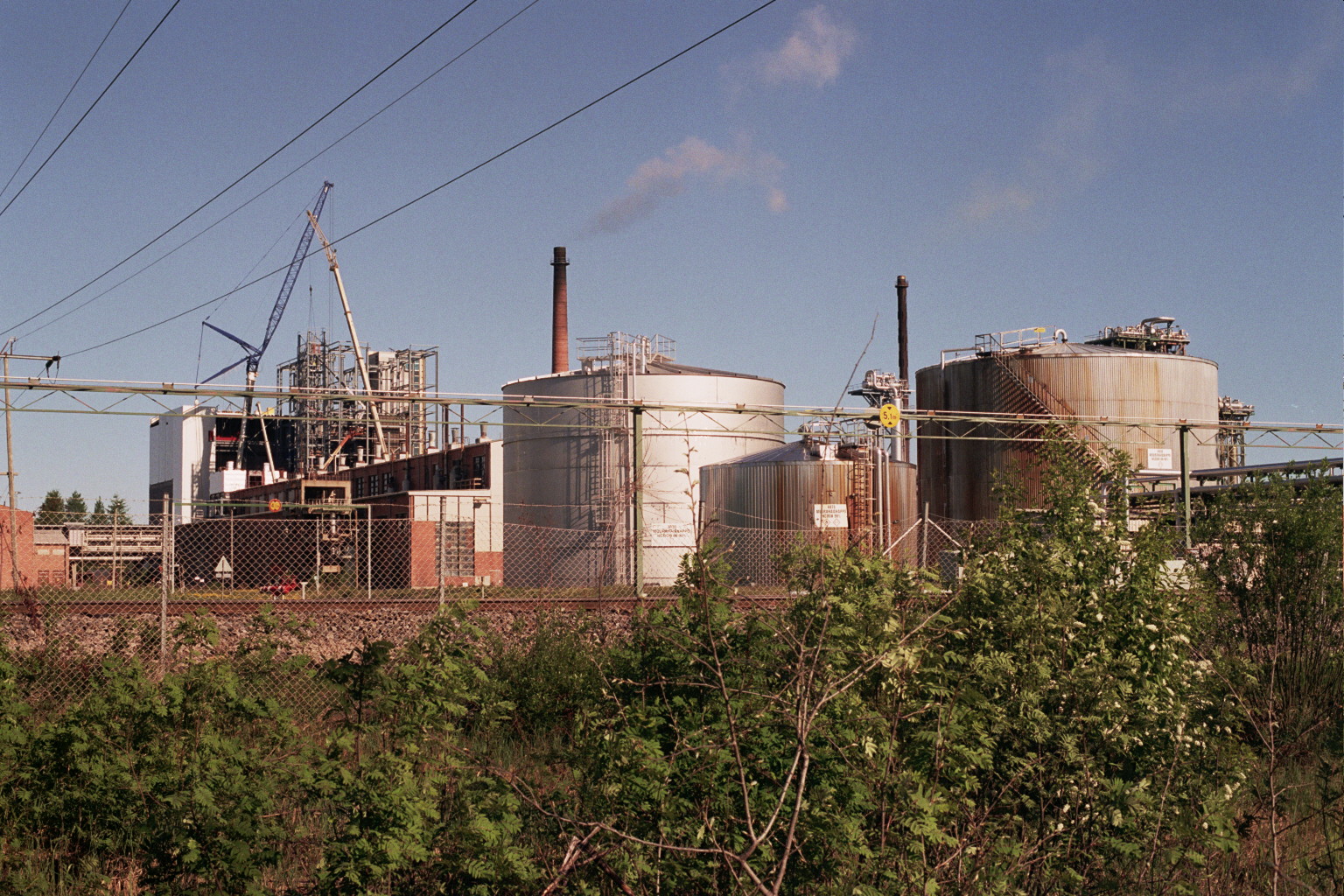
| External obsolescence | Something off the property | A new freeway alongside the yard | Never |
External obsolescence is always incurable because the cause sits outside the property line, where the owner has no power to fix it.
The income approach values property by the money it produces, and it is the one with arithmetic attached. Net operating income is effective gross income minus operating expenses. Mortgage payments and depreciation are excluded from that expense figure.
Value is then net operating income divided by the capitalization rate. The three variables form what instructors draw as the IRV triangle: income equals rate times value, value equals income over rate, rate equals income over value. Cover the one you want and the formula falls out.
The cap rate moves value inversely. A building with 1,000,000 at a 6 percent cap rate and $750,000 at 8 percent. A higher cap rate means investors see more risk and will pay less for the same income.
For small residential rentals there are shortcuts. A gross rent multiplier is the sale price divided by monthly gross rent; a gross income multiplier uses annual gross income. Both ignore expenses entirely, so they give you a rough estimate and nothing an appraiser would sign.
Reconciliation is the last step. The appraiser weights the approaches by which one the market uses for that property type — sales comparison for houses, income for investment property, cost for new and special-purpose buildings — and arrives at a single figure. Averaging the three would be the wrong move.
CMA, BPO and AVM — the three estimates that are not appraisals
A licensee prepares a comparative market analysis, or CMA, from comparable sales to help a seller pick a listing price. Lenders commission a broker price opinion, or BPO, for much the same estimate when weighing a short sale or a foreclosure. Then there is the automated valuation model, or AVM: an algorithm running over public records and recent sales, fast and cheap, and blind to the fact that the kitchen was gutted.
None of the three is an appraisal. Preparing a CMA is ordinary licensee work. Presenting one as an appraisal, or implying you hold appraiser credentials, crosses into unlicensed appraisal practice.
Assessed value is a fourth number and belongs to none of these. The county assessor sets it for property tax purposes, and it commonly differs from market value.
How it shows up on the exam
Only Ever's curriculum gives Valuation and Market Analysis 4 study hours across 4 topics, out of 100 total prep hours for this exam. That figure is our own estimate of how long the material takes to learn. The exam board publishes question counts instead, and those are below.
Pearson VUE's published outline puts the questions here:
| Where it's tested | Questions |
|---|---|
| General: Property Value and Appraisal | 11 of 80 |
| — Methods of estimating value and BPO | 5 |
| — Concept of value | 4 |
| — Appraisal process | 2 |
| General: Math — property valuation | 1 of 80 |
Property Value and Appraisal is tied for second largest on the General paper at 11 of 80 items, level with Real Property Characteristics and behind Real Estate Contracts and Agency at 16. Our own plan gives the subject 4 hours, one of the smaller allocations in our AZ-RES curriculum.
Pearson also publishes a difficulty split for each General area, and this one runs 6 knowledge items, 3 application, and 2 analysis. A little under half the questions go beyond recall. Expect to be handed a set of comparables and asked which adjustment to make, or a net operating income and a cap rate and asked for a value.
The Arizona State paper has no valuation area at all. Pearson's State outline puts property taxes and special assessments inside the Reasonable Skill and Care area, and that is the nearest it gets. Treat valuation as General-exam preparation and leave it out of your State-exam revision.
Work it in three passes. Learn the vocabulary and the principles first, since DUST, the value principles, and the three depreciation types sit inside those 6 knowledge items. Then drill the adjustment direction until CBS is automatic. Finish with the income arithmetic, working IRV problems in both directions until dividing income by a rate feels routine.
Common questions
How many valuation questions are on the AZ-RES exam? Twelve on the General exam — 11 in Property Value and Appraisal, plus one property valuation item in the math section. The Arizona State exam has no valuation area.
What's the difference between market value and market price? Market value is an estimate of what a property should sell for under normal conditions. Market price is the figure it sold for, whatever the circumstances of that particular sale.
Which way do I adjust the comparables? Every adjustment lands on the comparable. Subtract from a comparable that is better than the subject; add to one that is worse.
What are the three types of depreciation? Physical deterioration from wear and age, functional obsolescence from outdated design, and external obsolescence caused by something beyond the property line. Only external obsolescence is always incurable.
Can I do an appraisal for my client? No. You can prepare a comparative market analysis to help set a price. Describing it as an appraisal, or suggesting you hold an appraiser's license, is where the line falls.
How do I calculate value with a cap rate? Divide net operating income by the capitalization rate. Remember that mortgage payments and depreciation are excluded from operating expenses when you work out that income.
Only Ever's guides and practice questions for this exam are free, including the AI-generated question sets other providers charge for. Try the free practice questions and start with the adjustment-direction and cap-rate items, where the application and analysis items concentrate.