Adult Nursing on the NHRA Nursing Licensing: What's Tested and How to Study It
In short
Adult Nursing is the clinical core of the NHRA nursing syllabus: five topics spanning medical, surgical, critical care, community and psychiatric nursing. Learn it as a set of mechanisms and you can reason your way through an adult patient you have never seen before. Only Ever's plan gives the domain 60 hours, more than any other. That allocation is ours, and NHRA has not endorsed it.
The big ideas
Five topics sit inside this domain: Medical Nursing, Surgical Nursing, Critical Care Nursing, Community Nursing and Mental/Psychiatric Nursing.
Grouped loosely, they are five places you meet the same adult patient — on a ward with a long-term condition, on an operating list, deteriorating in intensive care, managing at home, or in mental distress. The same habit runs through all of them: work out what the body is doing, decide what threatens the patient soonest, and act on that.
Medical Nursing: long conditions, learned as mechanisms
Medical nursing is chronic illness — diabetes, heart failure, chronic lung disease, kidney disease, stroke. The signs are far easier to hold once you learn the mechanism that produces them.
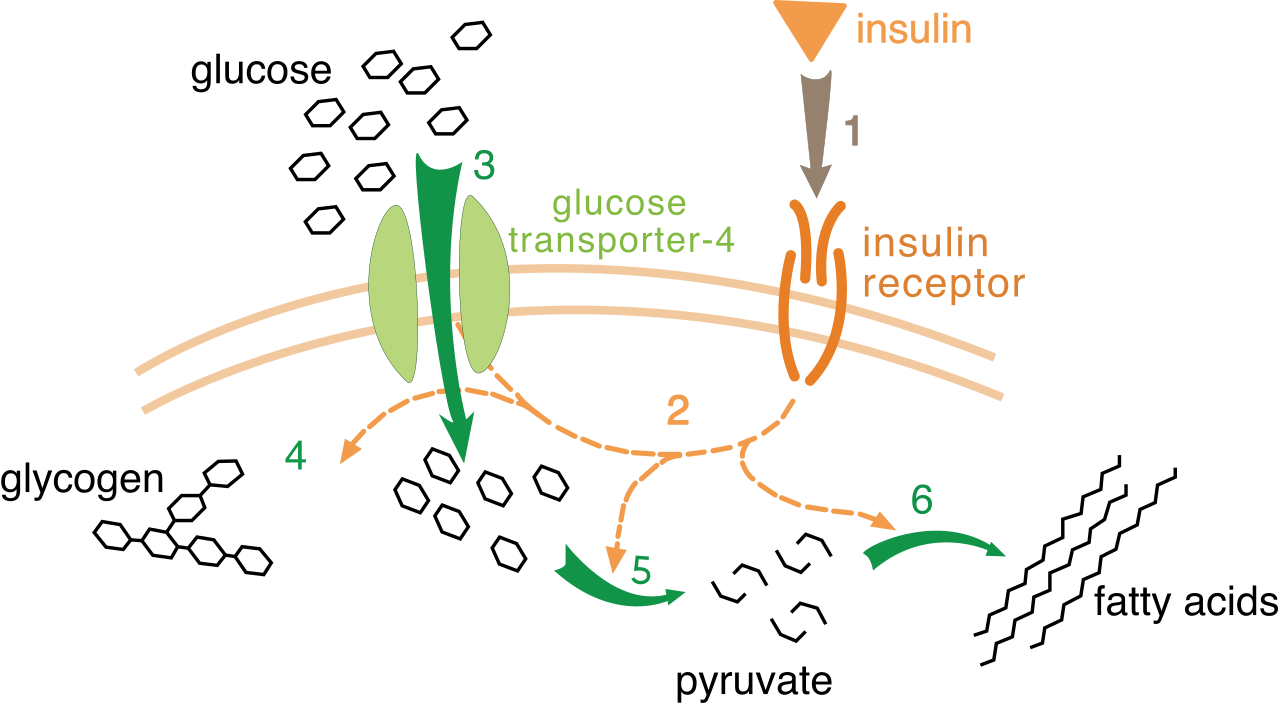
Take diabetes. Insulin is the key that lets glucose leave the blood and enter the cell. Take the key away, as type 1 does, and glucose piles up in the bloodstream while the cells it was meant to feed go hungry. In type 2 the key is present and the lock has stopped answering it. The classic symptoms follow either way: the thirst, the urination, the weight loss, the wounds that heal slowly.
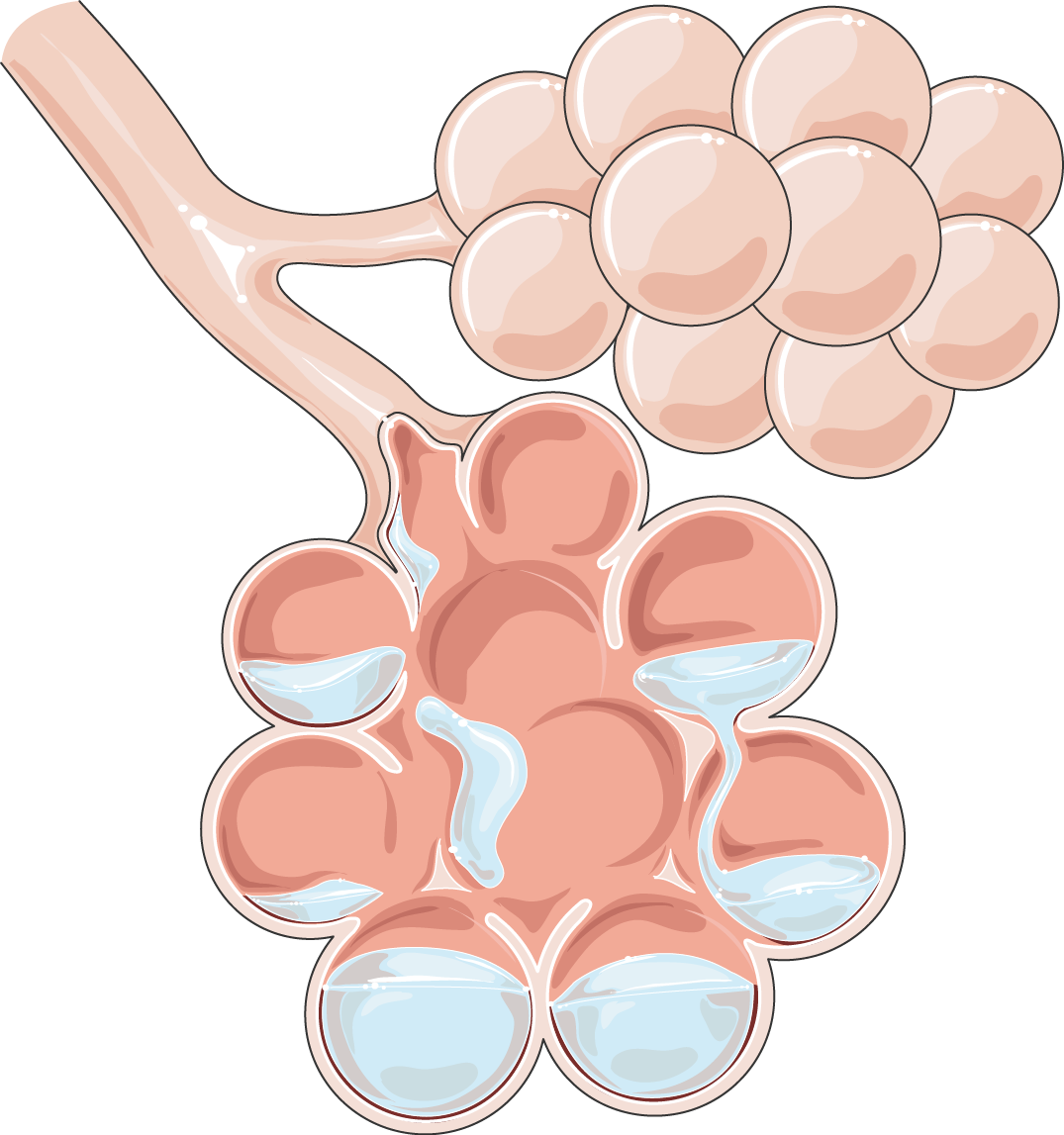
Heart failure opens up the moment you ask which side of the heart is failing. When the left side cannot move blood forward, pressure backs up into the lungs, fluid leaks into the air sacs, and you hear crackles at the bases. When the right side fails, the backup is systemic: distended neck veins, an enlarged liver, swollen ankles. That single question sorts most of the findings.
Kidney disease is best carried as a set of consequences. Failing kidneys stop clearing potassium, and a climbing potassium level changes the shape of the ECG while the patient still looks well. In chronic disease the numbers often move before the person does.
Surgical Nursing, walked through the operation
Surgical nursing is easiest to hold if you follow one patient through their operation and ask, at each stage, what they are most at risk of.
Before the operation, the risk is the stomach. Anesthesia suppresses the reflexes that keep food and acid out of the airway, so anything still sitting in the stomach can end up in the lungs. That is what the fasting rule protects against, and knowing it is what lets you reason about a patient who sipped tea an hour before the list.
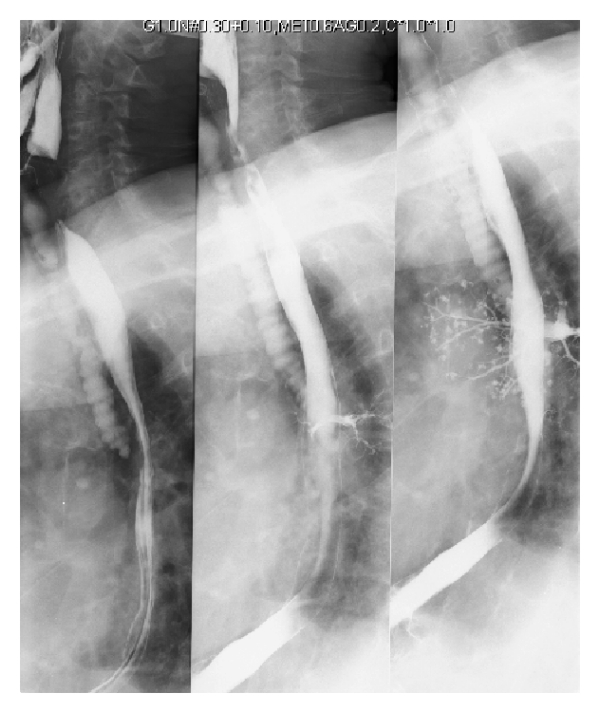
During the operation, the risks are contamination and position. The sterile field has boundaries, and a nurse who cannot say where they run cannot maintain them. Pressure injuries and nerve damage come from hours spent still on a hard table.
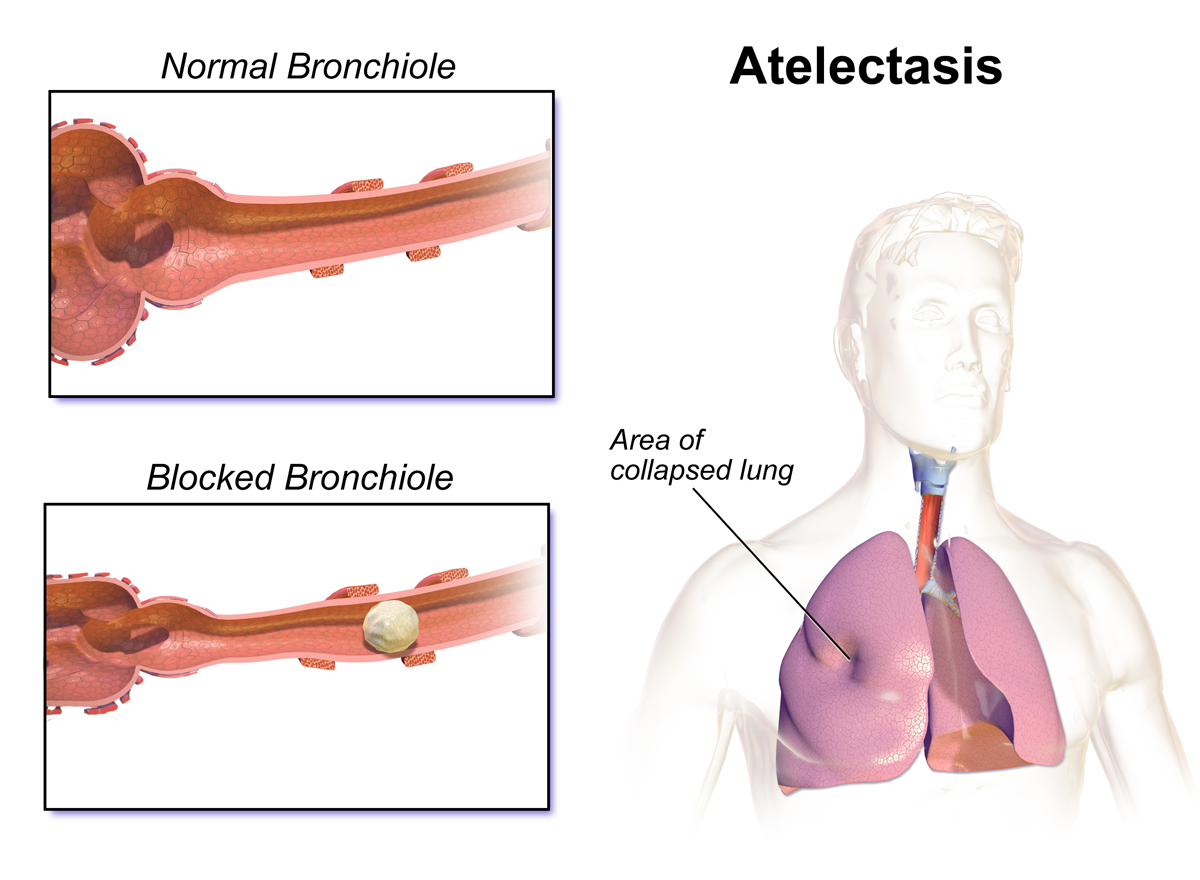
After the operation, the lungs go first. Shallow breathing from pain and sedation lets the air sacs at the lung bases collapse, and gas exchange drops with them. Deep breathing, early mobilization and splinting the incision all attack that same mechanism.
Immobility is the other post-operative theme. Blood that sits still clots, which is where deep vein thrombosis begins, and a clot that travels reaches the lungs. Wounds are the last of them: an incision that separates, a drain that stops draining, a wound edge that turns red and hot.
Critical Care Nursing: rank the threat, then act
In critical care, prioritization is the job. Airway, breathing, circulation is the order, and it holds because of what fails fastest.
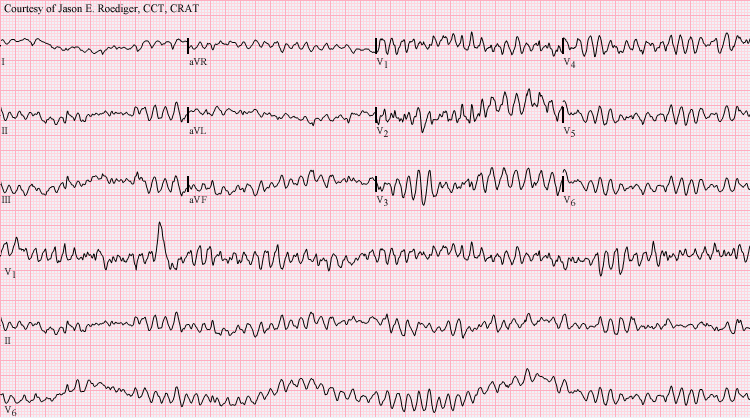
Rhythms make that concrete. In ventricular fibrillation the ventricles quiver, no blood leaves the heart, and defibrillation is the treatment.
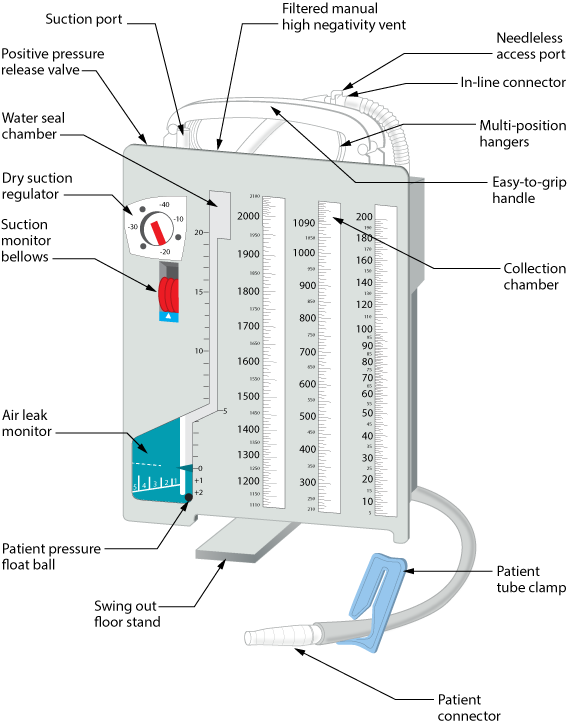
Devices are the other half of the topic, and each carries a principle you can reason from. A chest tube restores negative pressure in the space around the lung. The water-seal chamber is what makes the system one-way: air and fluid leave the chest, and nothing travels back in. Once that is clear, so is why the drainage unit stays below the level of the chest.
Shock is the reasoning exercise that pulls the topic together. Every kind of shock ends with cells short of oxygen. What differs is the route there: a pump that has failed, a tank that has emptied, vessels dilated so far that the pressure collapses. Work out the route and you have worked out the treatment.
Community Nursing moves the same diseases out of the hospital
Community nursing takes those conditions and asks how to prevent the next episode. Keep the levels of prevention straight. Immunization stops disease before it starts. Screening catches it early, while the patient still feels well and the treatment is still simple. Rehabilitation is the third level, limiting the damage after the illness has taken hold.
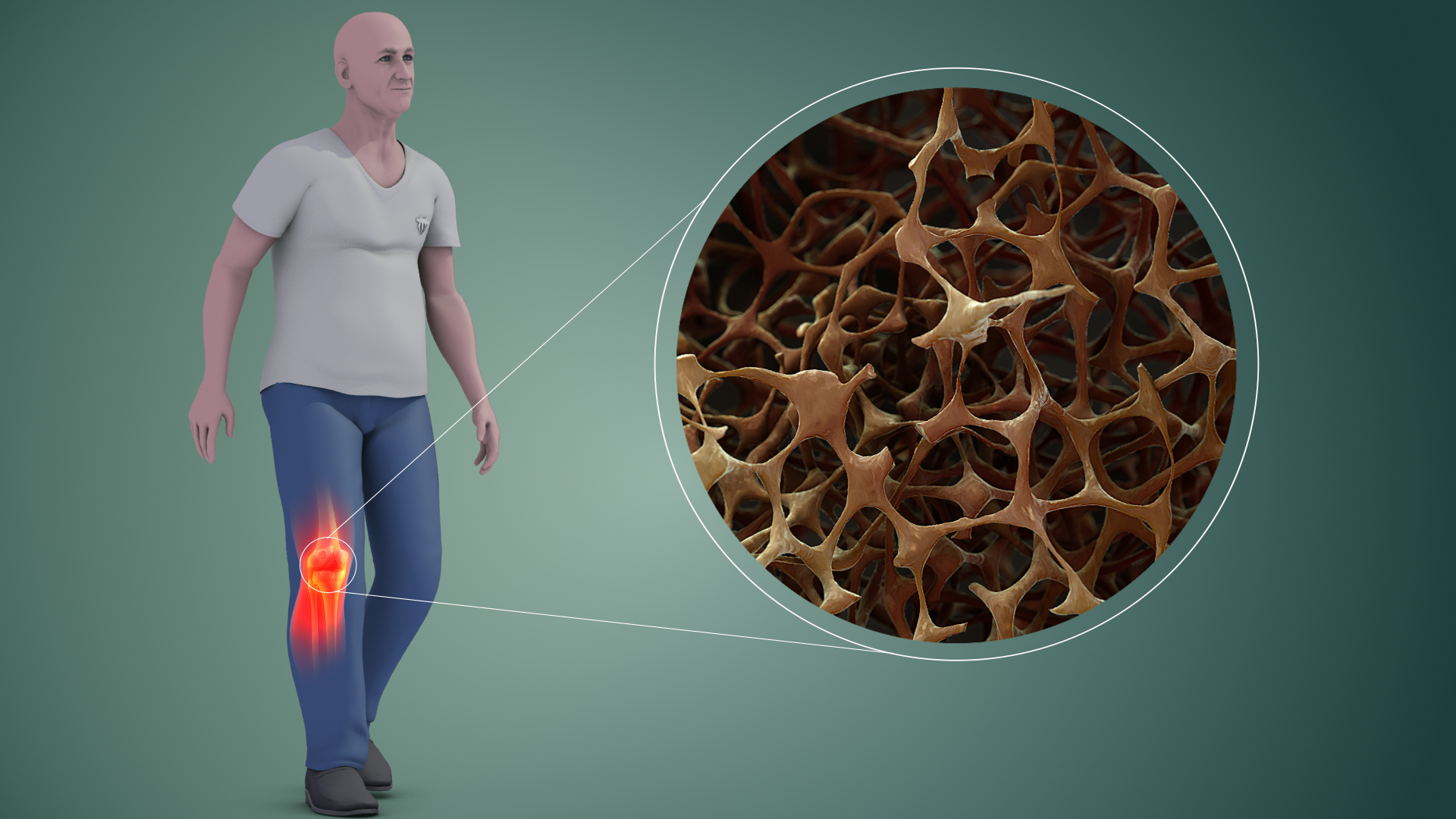
Osteoporosis makes the idea concrete. Bone is living tissue under constant rebuild, and when the rebuilding falls behind the losses the internal matrix thins and fractures follow. Weight-bearing exercise counts as a nursing intervention because loading bone stimulates the cells that build it.
Patient education is the intervention running through all of this, and it is evaluated like any other: did the behavior change?
Mental and Psychiatric Nursing: assess, keep safe, then treat
Mental and psychiatric nursing sits inside Adult Nursing in this curriculum, and it runs on the same nursing process as everything above it.
Safety leads here the way airway leads in critical care. A patient at risk of harming themselves or someone else is the priority whatever else the care plan says. After that the work is recognizing patterns — mood disorders, thought disorders, anxiety states, substance withdrawal — and knowing which of them turn into medical emergencies. Alcohol withdrawal brings seizures and an autonomic surge, which is why it lands on a medical ward.
Therapeutic communication is a skill with rules you can study: open questions, silence you allow to sit, reflecting the patient's own words back to them, and no false reassurance.
How it shows up on the exam
There is no official answer to how many Adult Nursing questions you will face. NHRA publishes no content blueprint, no domain weighting and no question count, and Prometric publishes none either. Prep sites publish numbers anyway, mostly in the 100-to-150 range, and they neither agree with each other nor name a source.
What Only Ever publishes is an hours recommendation, and it is ours alone. We put 60 hours on Adult Nursing, spread across its five topics — 12 hours each. Our full-syllabus plan runs to 150 hours, so this one domain takes 40% of it. Read that 40% as a statement about where we think your effort goes.
How to spend the 60 hours:
work medical and surgical nursing through whole case studies, so you practice the reasoning the way you will need it →
give critical care its own block, because prioritization only sticks once you have applied it to a deteriorating patient →
run the nursing process over chronic community health problems and acute psychiatric presentations →
close each topic with scored practice questions, and let the scores move your remaining hours.
Two questions tell you whether the 60 hours have landed. Can you prioritize the nursing interventions for a patient in an acute medical or surgical crisis, and say why they go in that order? Can you name the defining features of the common psychiatric disorders and the care each one needs?
The NHRA nursing licensing exam itself is multiple-choice, delivered on a computer at a Prometric test center. The appointment is three hours long; 2.5 of those are testing time. Checking in and clicking through the on-screen tutorial account for the rest.
The pass mark is the one number two official sources cannot agree on. In NHRA's own licensure-examination booklet, nurses, midwives and allied health professionals clear at 50%, and every other profession needs 60%. Prometric's NHRA page has not caught up: it still lists 60% across the board for Bahrain. Write to NHRA at licensure@nhra.bh or nursing@nhra.bh and ask which figure applies to you. Until they answer, prepare to clear 60%.
Get the timing of your eligibility code right. You book through Prometric only after NHRA issues that code from the Mehan portal, and it is good for four months and one attempt. Our full plan runs 21 weeks, a little under five months, so a code requested in week one lapses before you sit. Apply once you are inside four months of the date you mean to take it.
Common questions
How many Adult Nursing questions are on the NHRA exam? The count has never been published, so nobody outside NHRA can tell you. The timing is published: you sit for three hours, of which two and a half are actual testing.
Is 40% NHRA's weighting for this domain? No. NHRA publishes no weights at all. The 40% is Only Ever's own study-hour allocation — 60 of 150 hours — scoped from a standard nursing curriculum and NHRA's Scope of Nursing and Midwifery Practice. Use it as a starting point, then move hours toward whatever your practice scores say is shakiest.
What score do I need to pass? That depends which official document you trust. The NHRA booklet sets 50% for nurses and midwives; Prometric's page says 60% for everyone sitting a Bahrain licensure exam. The two contradict each other, so ask NHRA which figure governs your sitting, and revise as though it were 60%.
Why does psychiatric nursing sit inside Adult Nursing? Because that is how this curriculum groups it. Mental/Psychiatric Nursing is one of the five topics in the domain, alongside medical, surgical, critical care and community nursing.
How many attempts do I get? Four in a row, and all four have to fall inside three years of the first time you sit. Once you pass, that result stays good for five years.
Do I have to take the exam at all? Not everyone does. If you are Bahraini or a GCC national already holding a valid GCC license, the exam is waived. NHRA will also recognize several regional licensing exams in its place: DHA, HAAD, Qatar, Oman's 'Registered Nurse' and Saudi Arabia's 'Nurse Specialist'. Saudi Arabia's 'Nurse Technician' does not count. A general nurse coming from outside Bahrain needs a year or more of post-registration clinical experience before applying. Bahraini new graduates entering at basic level are not held to that.
What does it cost? Budget for three separate bills. Prometric takes USD 184.5 for the seat, roughly BHD 69.5. NHRA takes BHD 20 when you apply and another BHD 50 once it issues your license. Then your documents have to be verified at source, priced by speed: DataFlow lists BHD 60 for a single check, BHD 120 for its regular service and BHD 171 for express. NHRA will also take QuadraBay or Clean Sheet Group. Re-check all of it before you book.
Our practice questions and study guides for this exam are free, including the AI-generated sets other providers put behind a paywall. Try the free practice questions, mark them topic by topic, and let your own scores decide where the next hours go — the exam page carries the study guides for each of the five.