Policy Riders, Provisions, Options, and Exclusions on the California Life & Health Insurance License (CA-LH): What's Tested and How to Study It
In short
Budget 7.5 hours across this section's 5 topics — our recommendation, inside a 60-hour plan for the exam. It is the part of the syllabus covering what a policy pays for, what the contract guarantees on its own, what happens to the cash value, and where the cover stops.
The big ideas
Five topics make up this part of the California Life & Health Insurance License exam. All five are about a policy that already exists: what can be added to it, what it guarantees on its own, and where it stops.
Life Policy Riders attach to a base policy and change what that policy does. Start with two. Read both names literally first — waiver of premium waives the premium, accidental death benefits turn on the death being accidental — then work out from the topic page the conditions each one attaches. Those conditions are what a rider is.
Standard Policy Provisions are part of the contract from the start, and two of them deserve your first hour. The free look period is one. A new policy can be handed back for a full refund, provided the policyowner does it inside a fixed window of days from delivery. The exact day count is the number to take from the CDI's own exam information and syllabus page.
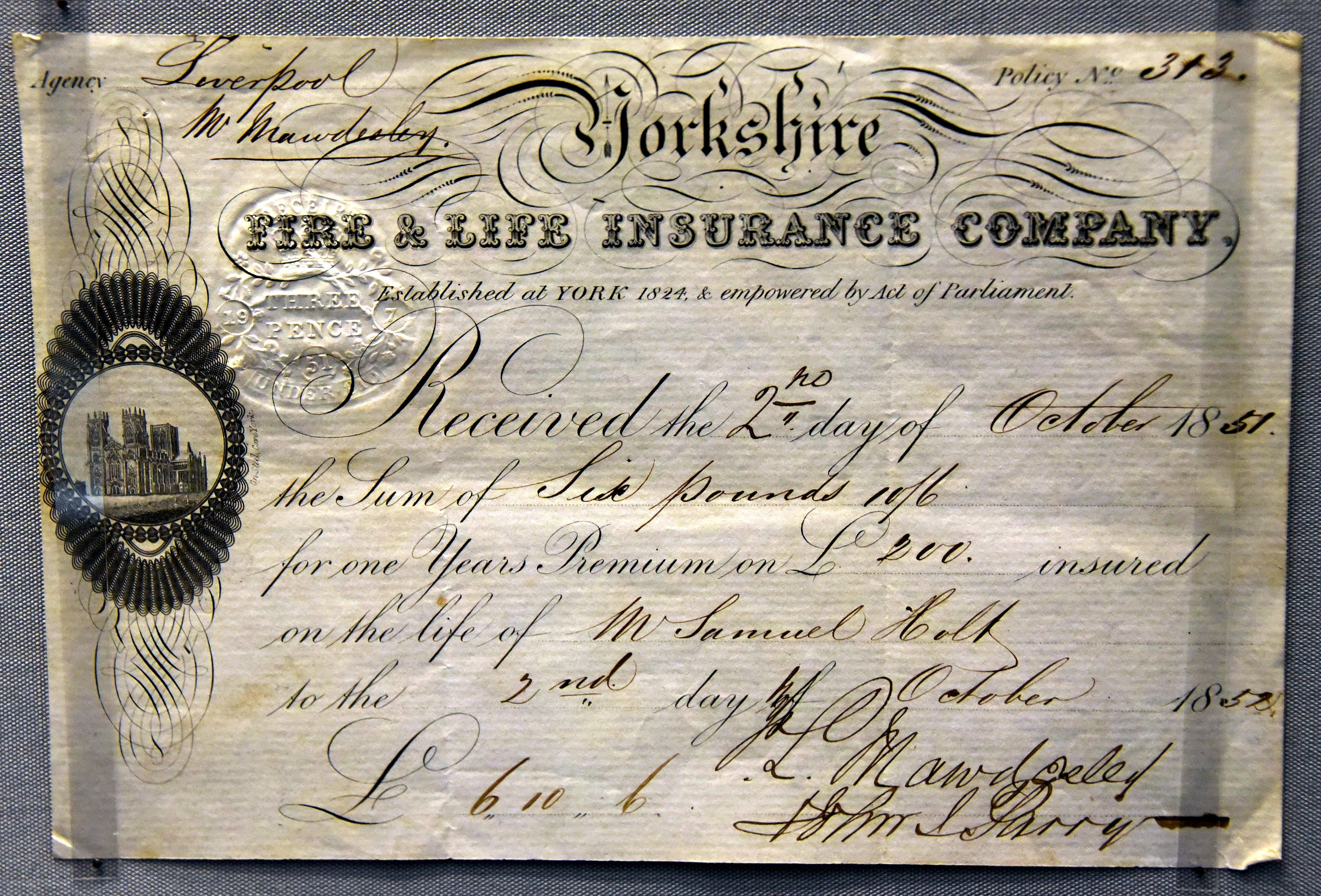
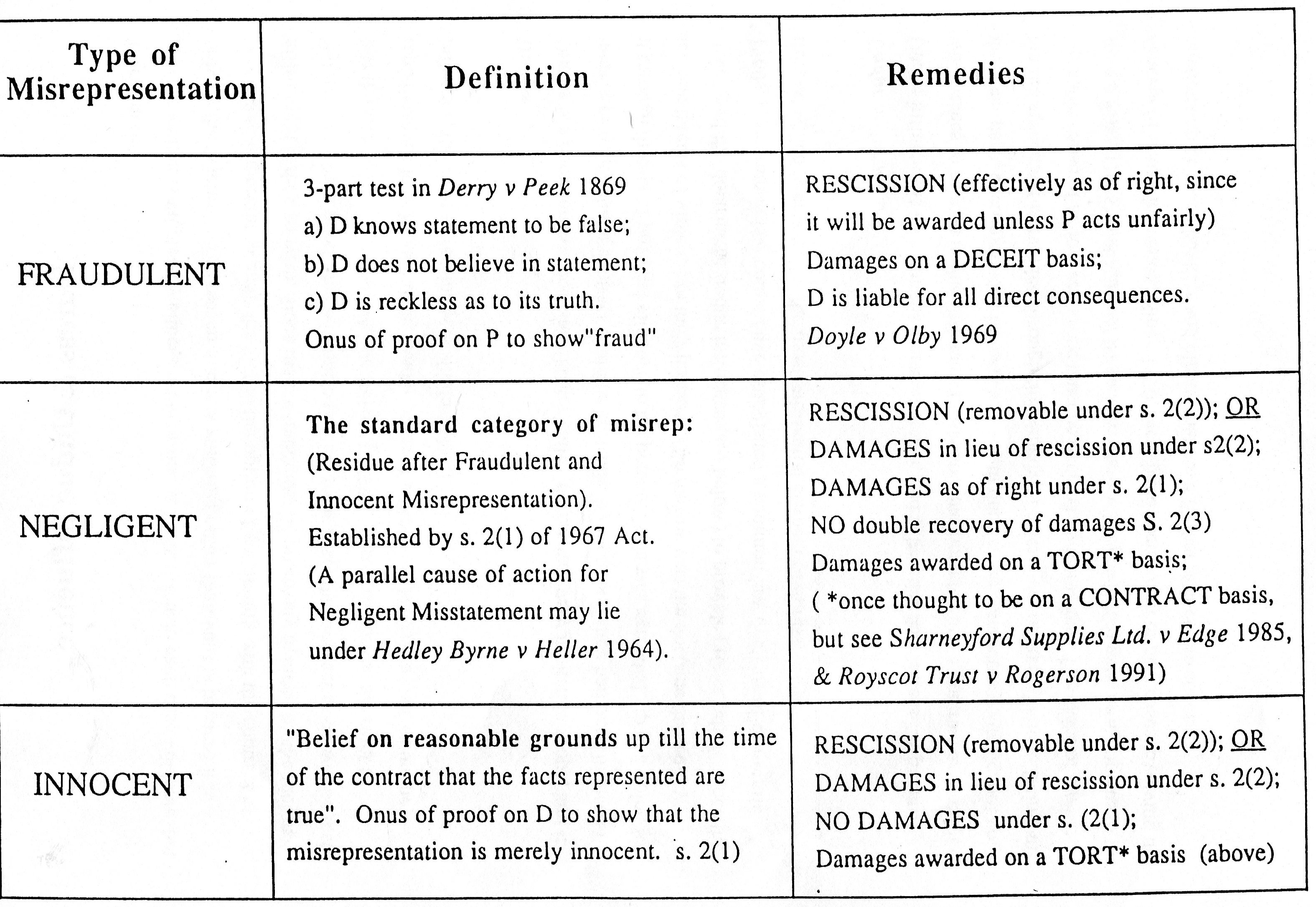
The incontestability clause is the other. It puts a deadline on the insurer. Once a life policy has stood for a set period — usually two years — the insurer can no longer void it, and that holds even against a material misrepresentation on the application. Learn two things here: how long the period runs, and what the clause holds against once it has run.
Nonforfeiture Options, Dividends, and Policy Loans bundles three things under one heading, and two of them are the pair to drill against each other. Nonforfeiture options are guarantees. A permanent life policy builds cash value as it runs, and these are what keep that value reachable when the owner surrenders the policy or lets it lapse. Dividend options are a different kind of thing: the choices a policyowner makes about what to do with a dividend the policy pays. Drill the two sets until you can put any option into the right pile on sight. Policy loans round the topic out; study all three in one sitting.

Additional Clauses and Settlement Options holds two different things under one name, and keeping them apart is most of the work here. Additional clauses are further terms written into the contract itself, sitting alongside the standard provisions above. Settlement options belong to a later moment in the policy's life: they are the choices about how a benefit reaches the people owed it, the same money arriving in different shapes. Build two lists and keep them separate.
Policy Exclusions closes the section and mirrors it. The first four topics describe what a policy does; this one describes where it stops. Learn it last. Once you know what the contract promises, the exclusions read as edits to a document you already have in your head.
How it shows up on the exam
Start with the paper itself. 150 questions, all multiple choice, in 180 minutes — 72 seconds each if you spread the clock evenly. California's pass mark is 60%: 90 of the 150 right, up to 60 wrong. That figure is California's. Every state's Department of Insurance sets its own and many ask for 70%, so confirm it where you are licensing.
This section gets 7.5 hours across its 5 topics — 90 minutes a topic — inside a 60-hour plan for the whole exam. That 7.5 is our recommendation for time spent. For how many of the 150 questions the section actually carries, look to the CDI's exam information page; we hold no per-section count.
For scale inside that plan: General Insurance Regulation is the only bigger section, at 15 hours, and that is where California's own codes live. Everything else gets 5 hours or less, apart from Other Health Insurance Concepts, which also gets 7.5. So this is one of the heavier sections. The material in it belongs to the nationally uniform part of the curriculum, built on NAIC model content.
Study it in this order:
Learn the free look period and the incontestability clause until you can state each one cold →
add the riders, waiver of premium and accidental death benefits first →
drill nonforfeiture options against dividend options until the sorting is automatic →
work through additional clauses and settlement options on the topic page →
finish with exclusions.
Two checks tell you the 7.5 hours did their job. Name every nonforfeiture option a whole life policy carries, out loud, with nothing in front of you. Then explain incontestability to someone who has never heard of it, including how long the insurer gets.
One piece of logistics belongs in this section's study time. If you are testing through PSI, sit with the computer-based testing interface until it is familiar, so the layout costs you nothing on the day.
Common questions
How long should I spend on this section? 7.5 hours — about 90 minutes for each of the 5 topics, inside roughly 60 hours for the exam as a whole. Move hours toward whatever your practice results keep flagging.
How many of the 150 questions come from riders and provisions? The CDI's exam information page is where to look for that. Our 7.5 hours is a study-time budget.
How many questions is the whole exam, and how long do I get? 150 multiple-choice questions in 180 minutes, which averages 72 seconds each.
What is the passing score? 60% in California — 90 of the 150 questions. Each state's Department of Insurance sets its own requirement, and many ask for 70%.
What does it cost, and where do I sit it? About 55 to the CDI, and a further $43 to PSI as a convenience fee. Sit it in person at a CDI or PSI test center, or from home through PSI Bridge remote proctoring.
Which provisions should I learn first? The free look period and the incontestability clause. The readiness check for this section asks you to explain incontestability and the time limits on it.
Only Ever's study guides and practice questions for this exam are free, including the AI-generated sets other providers charge for. Try the free practice questions, then split your misses by topic, so the next hour of study goes where the misses actually are.