Evidence Acquisition and Integrity
Not sure you’re ready?
Take the ~3-minute readiness diagnostic and see where you stand.
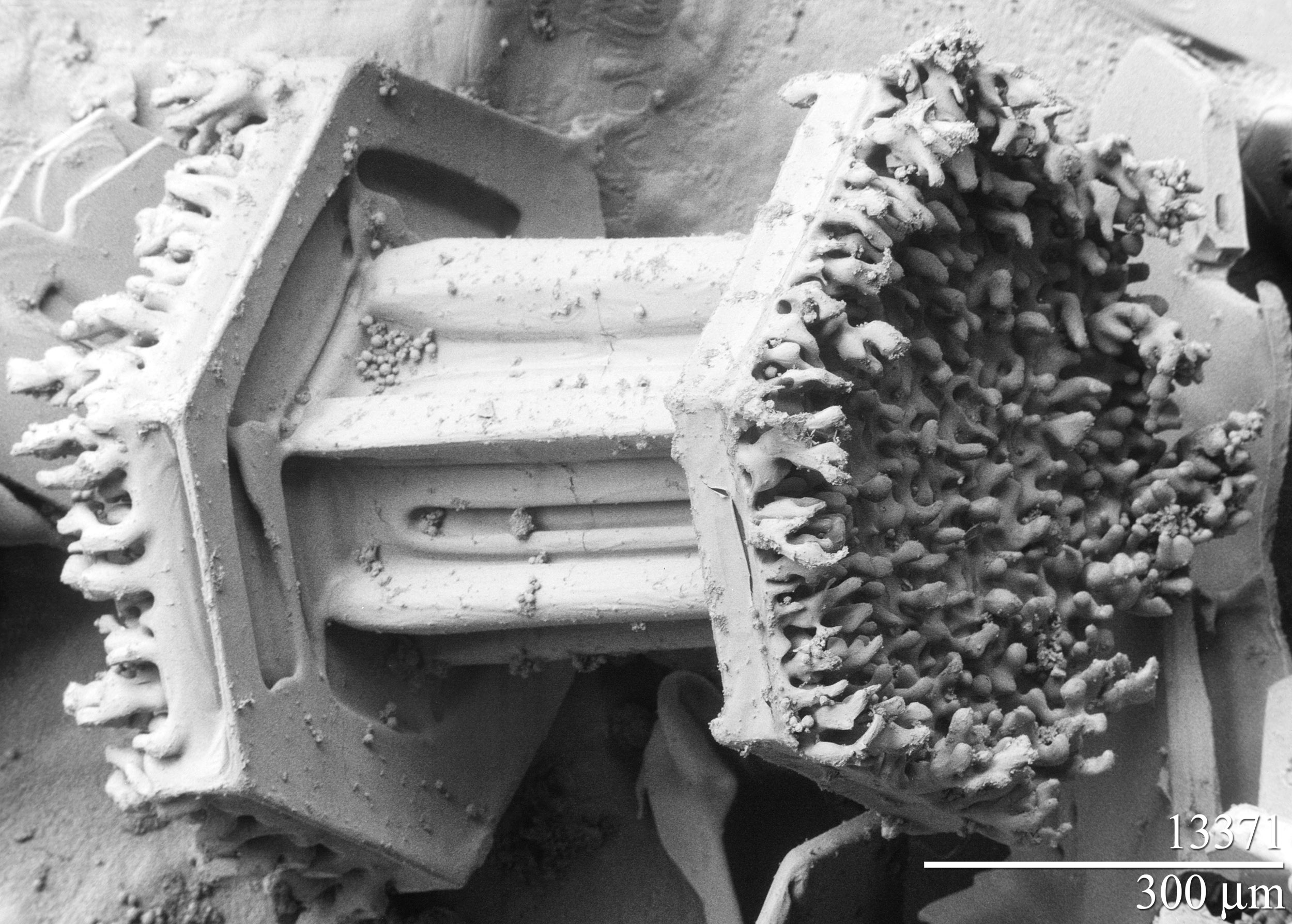
Imagine trying to map the intricate crystalline structure of a snowflake while holding it in the palm of your hand. The moment you attempt to observe it, the heat of your environment begins to destroy the very architecture you are trying to record. Digital incident response operates under the same unforgiving physics. When a sophisticated threat actor breaches a network, the most critical forensic artifacts—the decryption keys held in memory, the active command-and-control beacons, the executing malicious processes—are highly ephemeral. As a Security Operations Center (SOC) analyst, your mandate is not merely to eradicate the threat. You must capture these fleeting artifacts before they evaporate, mathematically prove they have not been altered by so much as a single bit, and maintain a verifiable lineage of custody that withstands the ultimate scrutiny of a court of law.
When confronting a compromised system, your first impulse might be to "pull the plug" to stop an attack in its tracks. Resist this instinct. Powering off a compromised machine abruptly destroys all highly volatile forensic data stored in the CPU registers and physical RAM.
Instead, the foundational rule of evidence gathering is dictated by the order of volatility. This principle dictates that the most highly volatile data must be collected first during an incident response to prevent data loss.
If you suspect active malware, disconnecting a compromised system from the network is the superior tactical choice. This preserves the current state of volatile malware by severing command-and-control (C2) communication while keeping the system powered on, allowing you to extract live memory.
| Volatility Level | Data Sources | Forensic Value & Characteristics |
|---|---|---|
| Most Volatile | CPU cache memory and CPU registers | Extremely fleeting; state changes in nanoseconds. Capturing this requires highly specialized low-level tools. |
| Highly Volatile | Random Access Memory (RAM) | Contains crucial active artifacts such as running processes, encryption keys, and active network connections. |
| Moderately Volatile | Temporary file systems, swap space | Data written to disk temporarily to supplement RAM. Survives slightly longer but is routinely overwritten. |
| Least Volatile | Archival backup media and physical configuration topologies | Static, permanent records. Safely preserved over years; can be collected at any time without risk of immediate degradation. |

Because volatile data degrades so quickly, modern incident response heavily relies on live forensics—the process of investigating and acquiring volatile data from a computer system while the target system remains powered on and fully operational.
During a live forensic acquisition, you must specifically capture volatile data sources that provide a snapshot of the machine's current network interactions, including routing tables, Address Resolution Protocol (ARP) caches, and active network sockets. Concurrently, you must perform memory acquisition, which involves capturing the volatile contents of physical RAM into a digital file for offline forensic analysis.
Beyond the endpoint itself, you must look at the network and infrastructure layers:
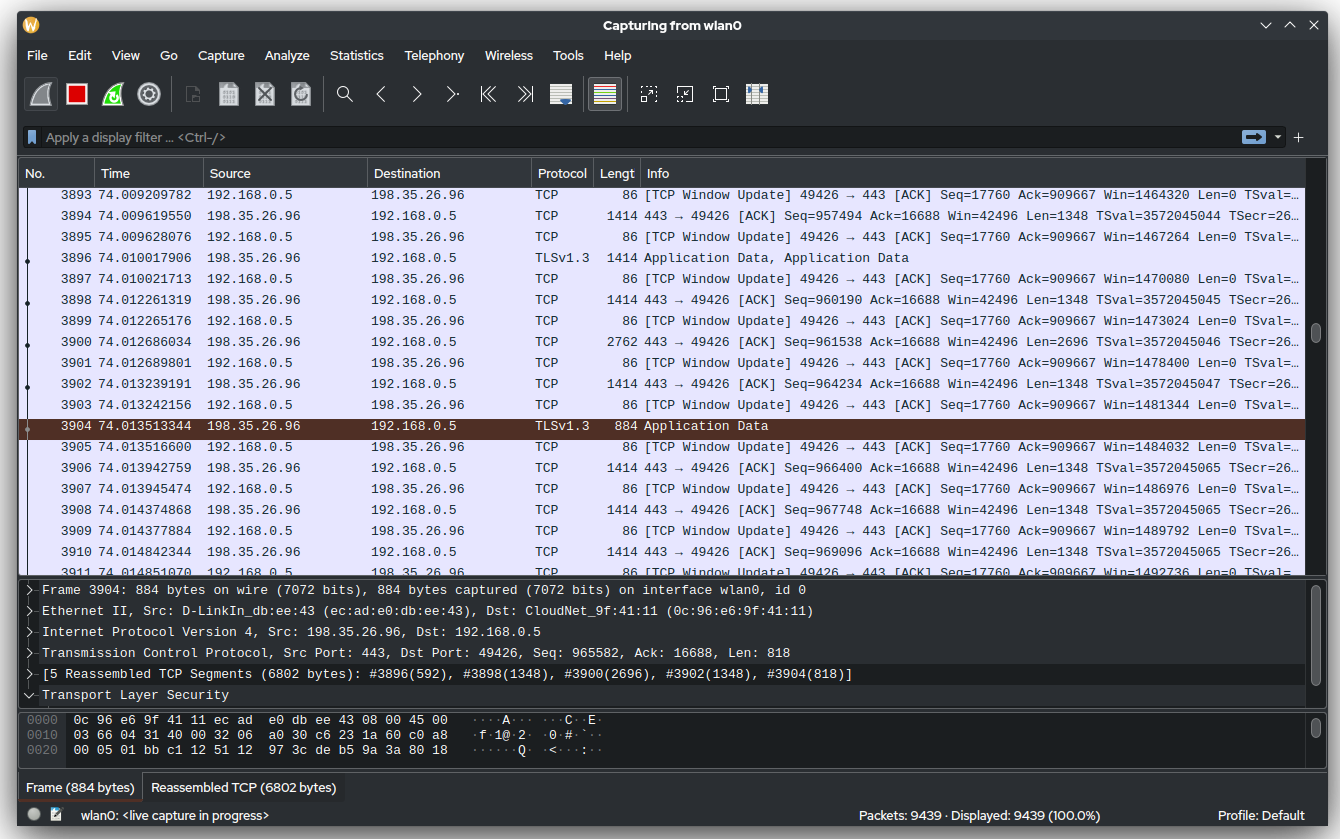
- Network Forensics: This involves capturing and analyzing raw network traffic in a Packet Capture (PCAP) format to preserve digital evidence of network-based cyber attacks.
- Virtual Environments: In modern architectures, virtual machine snapshots serve as an effective forensic preservation method for compromised cloud servers or virtualized infrastructure instances. A virtual machine snapshot captures the entire active state, memory contents, and disk configuration of a virtual machine at a specific point in time, essentially freezing the snowflake in liquid nitrogen.
Conversely, cold forensics involves investigating static data extracted from a powered-off system or an offline storage device. Cold forensics is safer for preserving data integrity but sacrifices the wealth of live memory artifacts.
Forensic acquisition is not a chaotic scramble for data; it is a meticulously structured discipline. The definitive framework for this workflow is NIST Special Publication 800-86, which provides the standard Guide to Integrating Forensic Techniques into Incident Response.
NIST SP 800-86 defines four distinct, chronological phases of the digital forensic process:
- Collection: This initial phase involves identifying, labeling, recording, and acquiring data from possible sources of relevant forensic data. If this step is flawed, the entire investigation is compromised.
- Examination: Here, the analyst uses specialized tools to extract and filter relevant information while rigorously preserving data integrity. This is the surgical separation of signal from noise.
- Analysis: This phase involves interpreting the extracted evidence to draw conclusions regarding the root cause and scope of the security incident. This is where SOC analysts construct the timeline and attribution of the attack.
- Reporting: Finally, the results must be communicated. This phase involves presenting the final results of the forensic analysis in a formal, comprehensive document detailing the methodology and findings.
When you reach the Collection phase for physical drives, you face a critical distinction in how data is duplicated. Never confuse a file copy with a forensic image.
A standard logical file copy only duplicates visible files and fails to capture deleted data residing in unallocated disk space. It alters metadata, like access times, rendering the copy legally fragile.
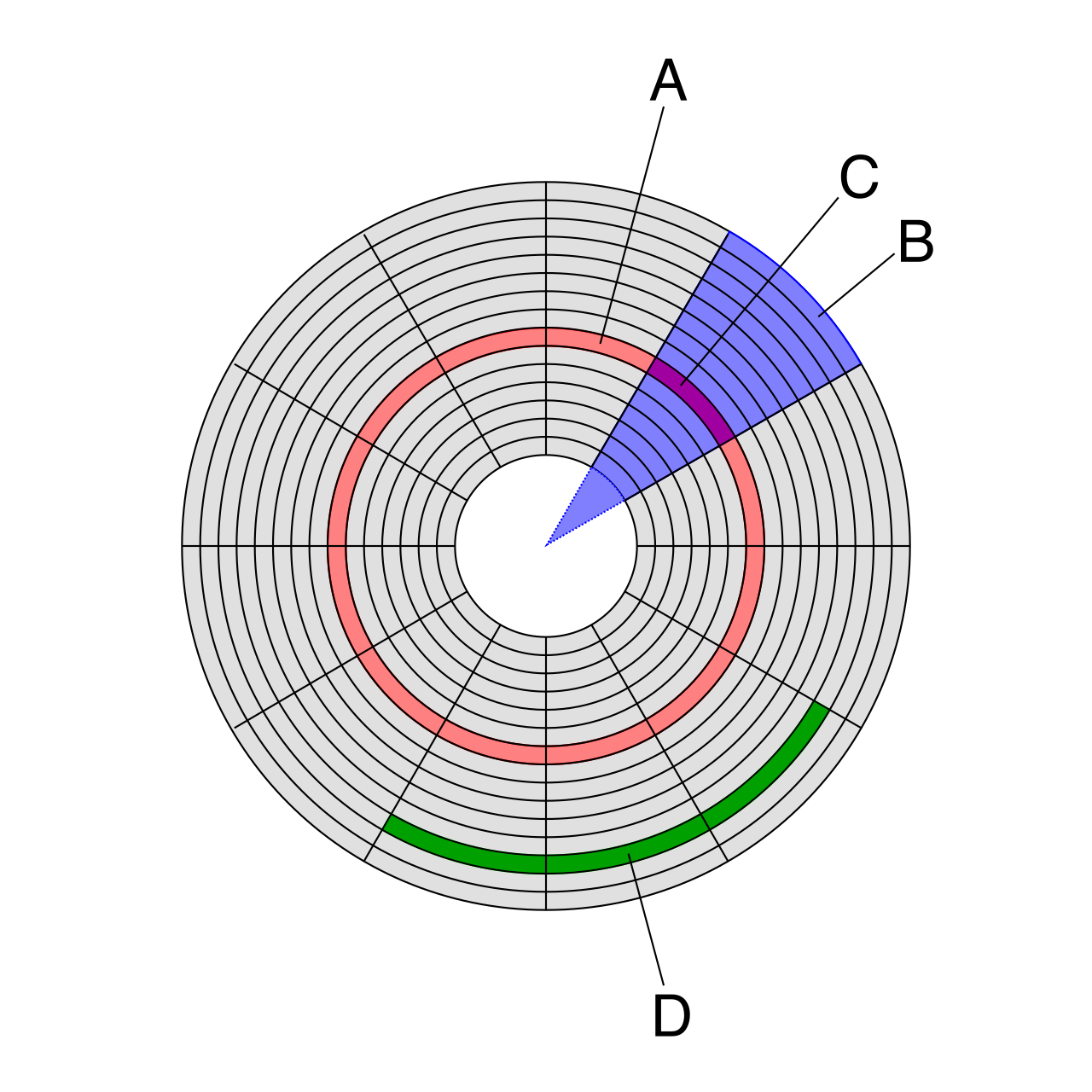
Instead, SOC analysts and investigators require a forensic clone, which is an exact bit-for-bit duplicate copy of a digital storage device. Because it copies raw binary data across the entire drive sector by sector, a forensic clone captures hidden data areas such as unallocated space and slack space where deleted files may reside.
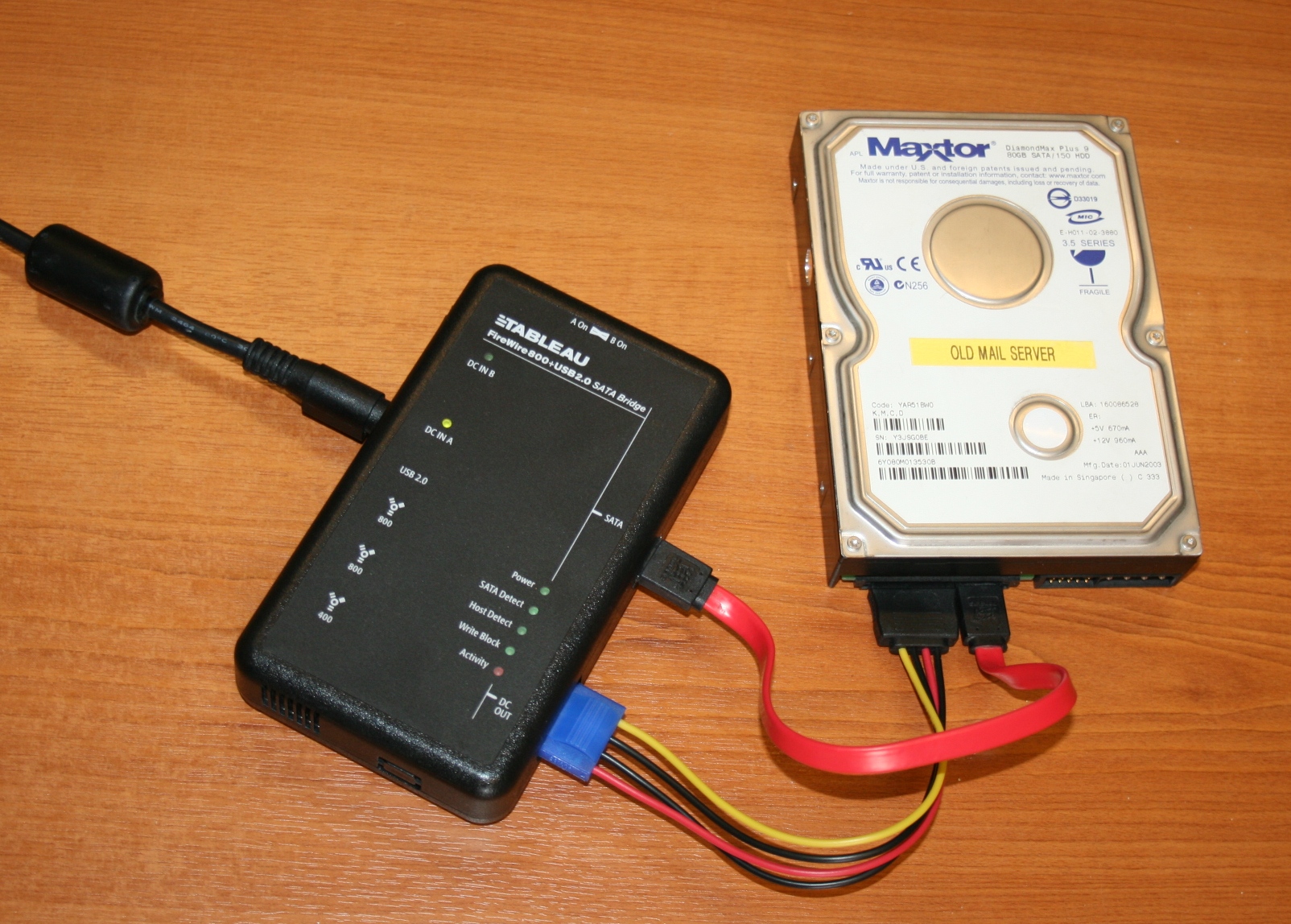
To create this clone without tainting the original evidence, you must use a write-blocker. A write-blocker is a hardware or software tool that intercepts modification commands to prevent any new data from being written to a suspect drive during evidence acquisition. In physical investigations, hardware write-blockers are implemented as standalone hardware devices placed directly between the suspect drive and the forensic workstation.
How do you prove to a jury—or an executive board—that the forensic clone you are analyzing is perfectly identical to the suspect drive at the time of the incident? You rely on data integrity validation, which ensures that digital evidence has not been altered in any way since the exact moment of evidence acquisition.
This is achieved through cryptographic hashing algorithms, which process digital data to produce a unique, fixed-size string of characters representing the exact digital footprint of a file or physical drive. Change a single pixel in an image, or a single bit in a terabyte drive, and the entire hash value changes completely.
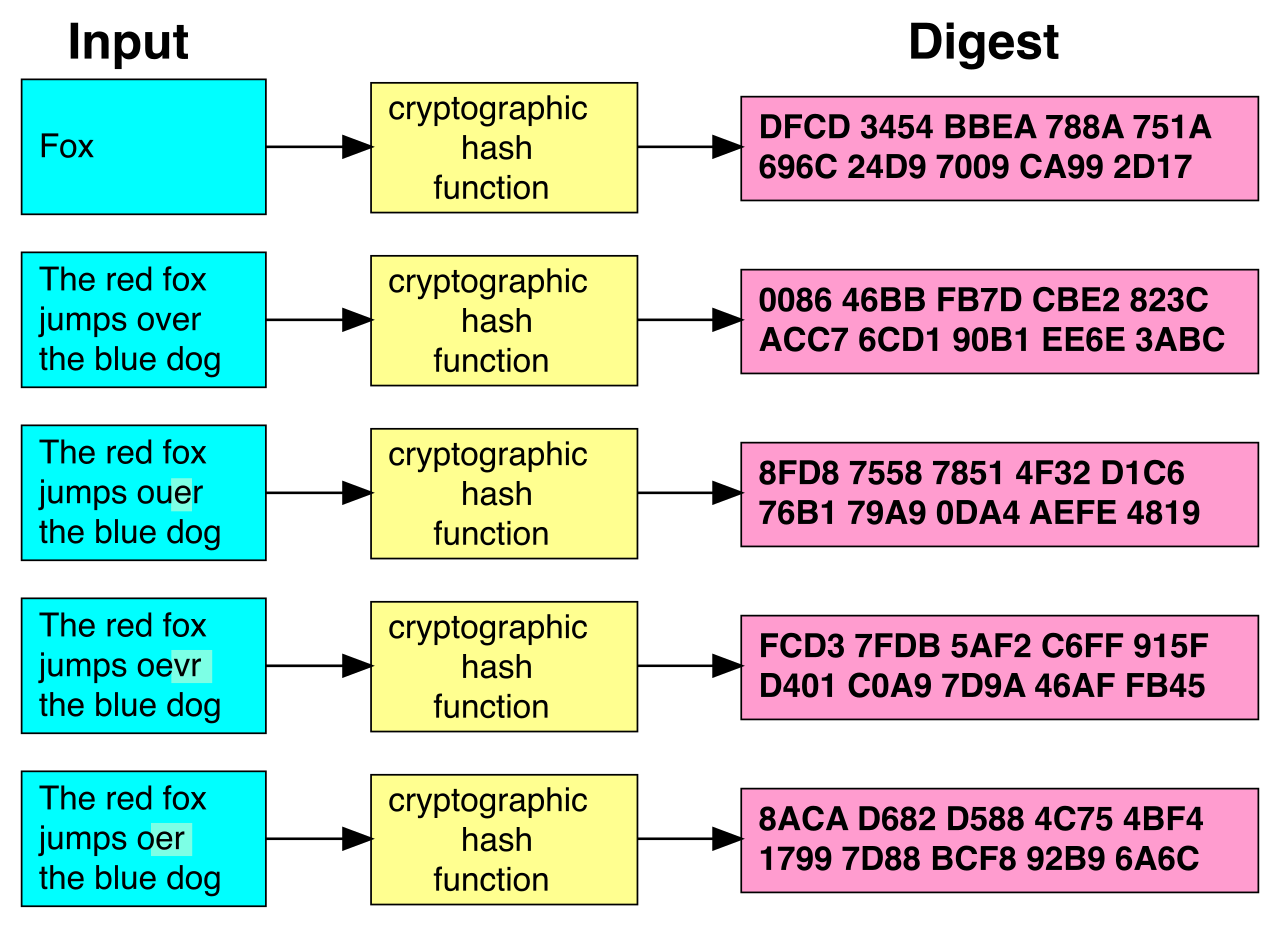
MD5, SHA-1, and SHA-256 are common cryptographic hashing algorithms used for validating digital evidence integrity. The procedural workflow is absolute:
- A forensic analyst calculates a hash value of the original drive before imaging.
- The analyst creates the image.
- The analyst compares the original hash to the hash value of the resulting forensic image to mathematically verify data integrity.
In addition to hashing, checksums provide a calculated mathematical value used to detect accidental bit-level changes in data during network transmission or long-term storage, ensuring ongoing integrity as data moves across your network.
Forensic analysis is largely an exercise in correlating disparate events across a massive network architecture. An attacker might trigger an intrusion detection alert on a firewall at 02:14:15, while a malicious payload executes on a database server at 02:14:17.
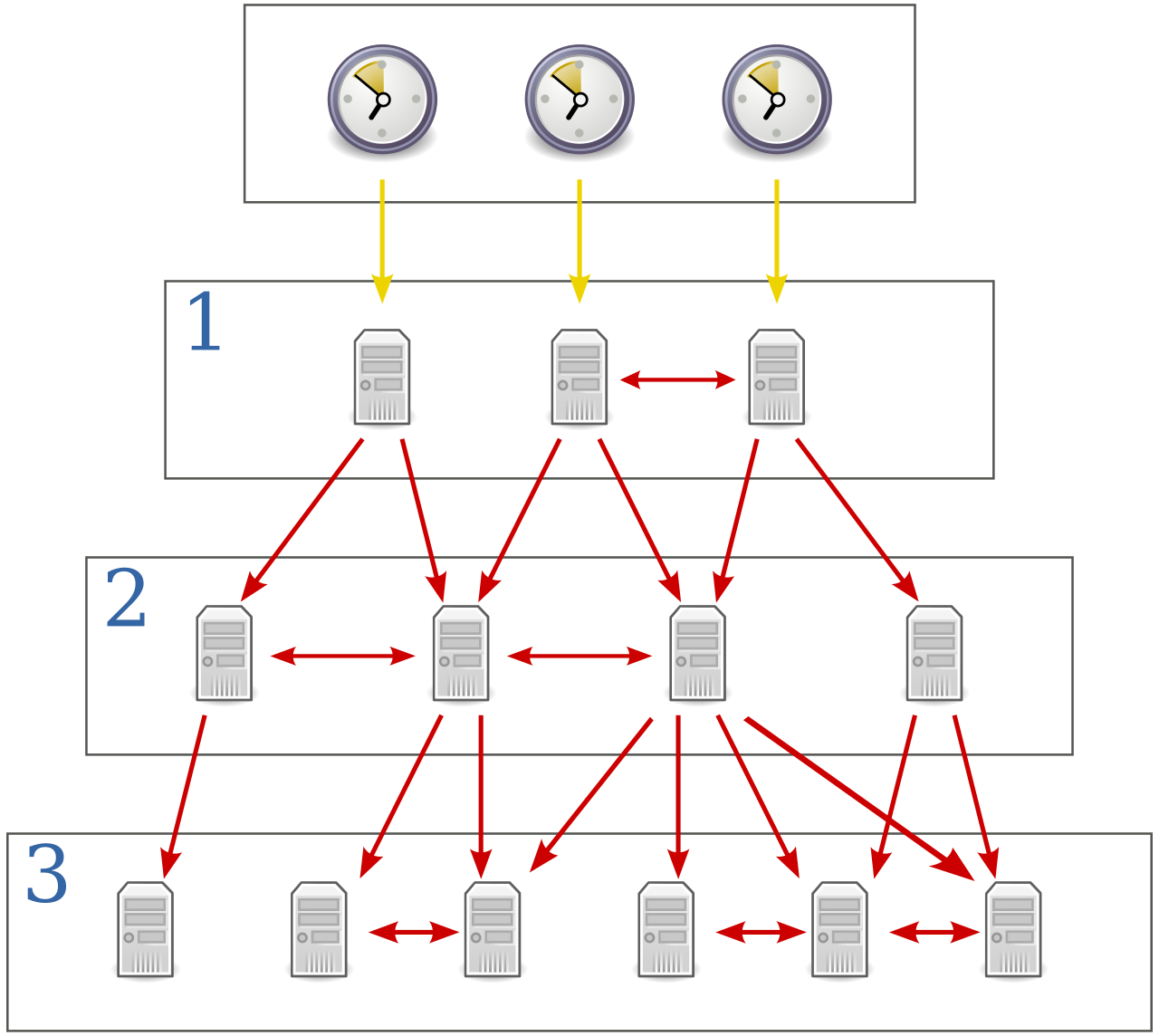
Time synchronization via Network Time Protocol (NTP) across all organizational systems is critical for accurately correlating evidence timelines during an incident response investigation.
If your systems are out of sync by even a few minutes, reconstructing the attack sequence becomes impossible. Without accurate Network Time Protocol (NTP) synchronization, mapping log files from a compromised server to network intrusion detection alerts becomes highly unreliable, blinding your incident response team to the true progression of the attack.
Technical brilliance is useless if the evidence is thrown out of court. The legal viability of your work depends entirely on the chain of custody—a chronological paper trail documenting the seizure, custody, control, transfer, analysis, and disposition of physical or electronic evidence.
A break in the chain of custody occurs if digital evidence cannot be definitively accounted for at every moment since the initial evidence collection. The consequence is severe: a break in the chain of custody can render digital evidence legally inadmissible in court proceedings.
To maintain this chain, stringent physical and administrative controls must be applied:
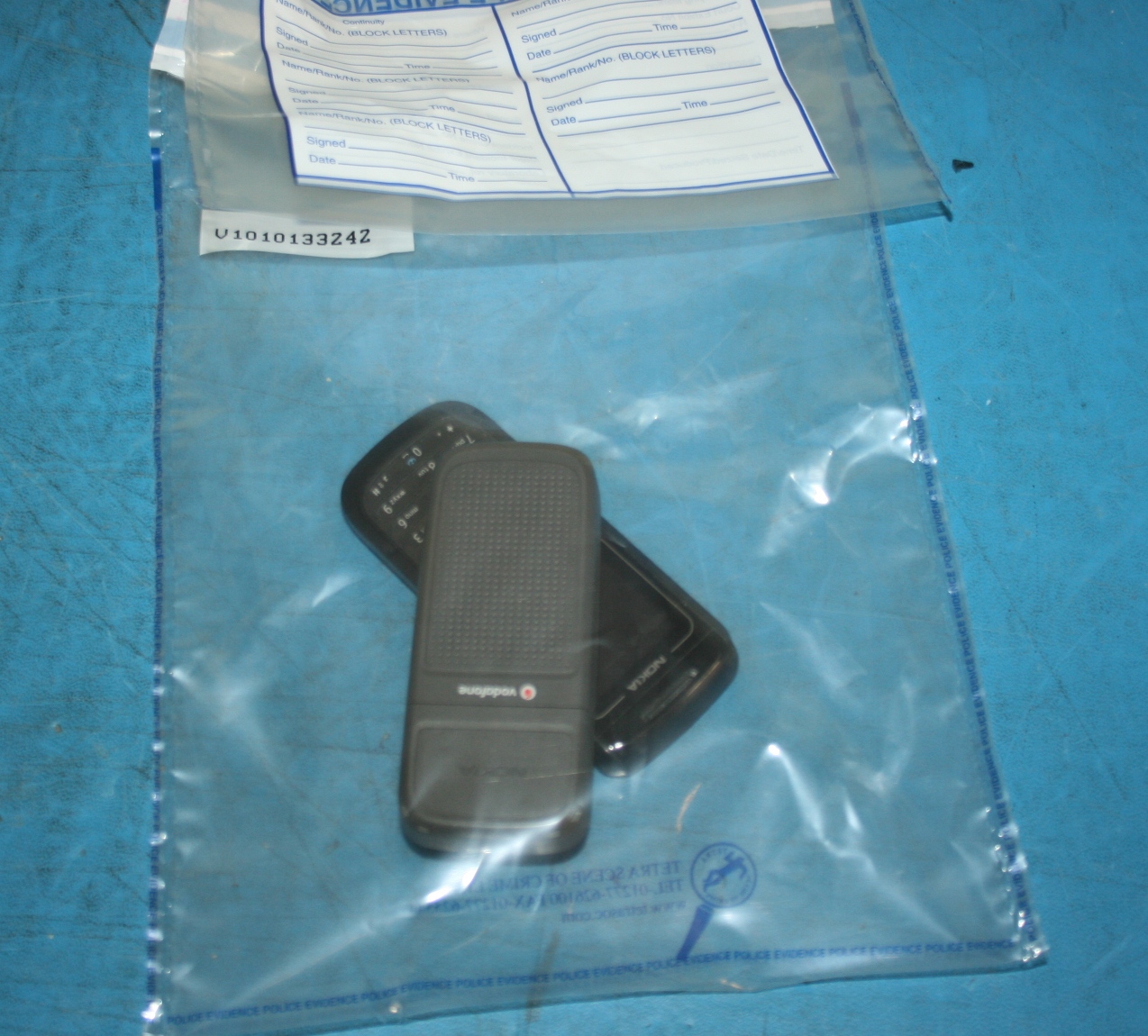
- Physical Security: Evidence tags and tamper-evident bags are used to physically secure and uniquely identify collected digital devices during transit.
- Documentation: A chain of custody form requires signatures, dates, and times from both the person relinquishing custody and the person receiving custody of the evidence.
- Non-Repudiation: This strict documentation enforces the principle of non-repudiation, which ensures that a party cannot successfully deny the authenticity of their signature on a chain of custody document.
E-Discovery and Legal Holds
Cybersecurity incidents frequently trigger civil litigation or regulatory investigations. This introduces the requirement for e-discovery, which is the formal process of identifying, collecting, and producing electronically stored information (ESI) in response to a legal request.
To facilitate e-discovery, legal counsel will issue a legal hold. A legal hold is a formal directive that suspends normal data retention policies to preserve potentially relevant evidence for litigation.
Why is this critical? Because automated systems are constantly overwriting old logs and deleting aged emails. Organizations use a legal hold to prevent the accidental or intentional deletion of data relevant to an active investigation or impending lawsuit.
As an analyst, mastering these concepts ensures that your technical discoveries are paired with unshakeable procedural integrity, transforming fleeting digital artifacts into concrete, undeniable truth.