Incident Preparation and Playbooks
Not sure you’re ready?
Take the ~3-minute readiness diagnostic and see where you stand.
Imagine a fire department where, the moment an alarm rings, the crew must first convene a committee to decide who will drive the truck, map the route to the blaze, and figure out if their hoses fit the city’s hydrants. The building would be ash before they opened the garage doors. In the realm of network defense, the flames move much faster. Adversaries breach perimeters, escalate privileges, and deploy encryptors in minutes. Your ability to detect, contain, and recover from these attacks does not depend on your brilliance in the heat of the moment; it depends entirely on the architecture of your preparation. We do not rise to the occasion during a cyberattack—we default to the level of our training and the precision of our documentation.
To bring order to the chaos of a breach, the industry standardizes its approach. The NIST incident response lifecycle contains four primary phases. These govern how a Security Operations Center (SOC) approaches any adversarial event.
The four phases of the NIST incident response lifecycle are Preparation, Detection and Analysis, Containment Eradication and Recovery, and Post-Incident Activity.
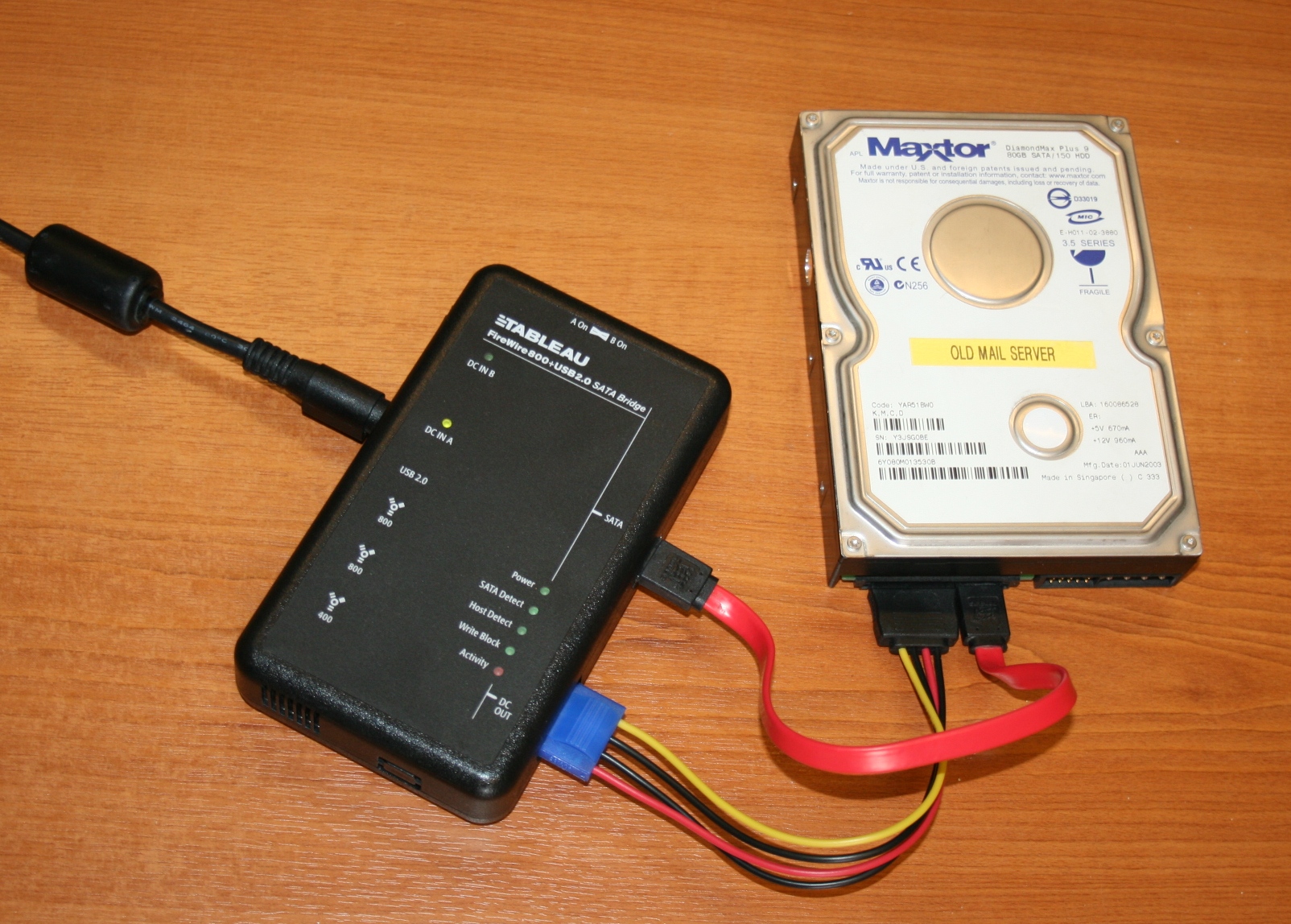
While analysts often focus heavily on the adrenaline-fueled middle phases, it is the first phase that determines the success of the rest. The Preparation phase involves establishing incident response policies, response plans, and communication guidelines. Crucially, this is not just about paperwork. The Preparation phase requires acquiring necessary forensic tools and hardware for incident handling before an incident occurs. If you are downloading write-blockers or procuring clean hard drives while a threat actor is laterally moving through your network, you have already lost the time war.
The Blueprint: The Incident Response Plan (IRP)
Preparation manifests materially as an incident response plan, the master blueprint that dictates the organizational structure and resources available for handling cybersecurity incidents.
A well-architected IRP leaves no room for ambiguity. It provides strict definitions, such as defining the specific criteria required to officially declare a cybersecurity incident. (A user locking themselves out of their workstation is an event; a user's workstation beaconing to a known Command and Control server in a foreign nation is an incident).
When the criteria are met, the Computer Security Incident Response Team (CSIRT)—the designated group responsible for executing the incident response plan—is activated. As the situation evolves, the IRP removes the guesswork from leadership communication by establishing escalation procedures to notify senior management during a critical security event.
Furthermore, communication during a breach is perilous. If an Advanced Persistent Threat (APT) has compromised your Microsoft 365 tenant, discussing containment strategies on Microsoft Teams merely informs the adversary of your next move. Therefore, incident response communication strategies define out-of-band communication methods for compromised network environments—such as separate Signal groups or isolated Slack workspaces.
Finally, the IRP controls the external narrative. It designates specific roles authorized to communicate with law enforcement and external media. A tier-two SOC analyst should never be the one speaking to the FBI or a journalist; the IRP ensures those channels are legally and corporately controlled.
Once an incident is declared, responders rely on targeted documentation to guide their actions. Though often used interchangeably in casual conversation, playbooks and runbooks serve two distinct, necessary functions in the SOC.
Playbook: A playbook is a high-level checklist outlining the standard operating procedure for responding to a specific type of incident.
Runbook: A runbook is a series of conditional technical steps used to execute a specific task within an incident response workflow.
If a playbook is the general's strategy, the runbook is the infantryman's tactical manual. Playbooks guide security analysts through the overarching strategy of an incident response scenario, whereas runbooks provide the tactical command-line or interface-specific instructions required to execute a playbook step.
Designing Effective Playbooks
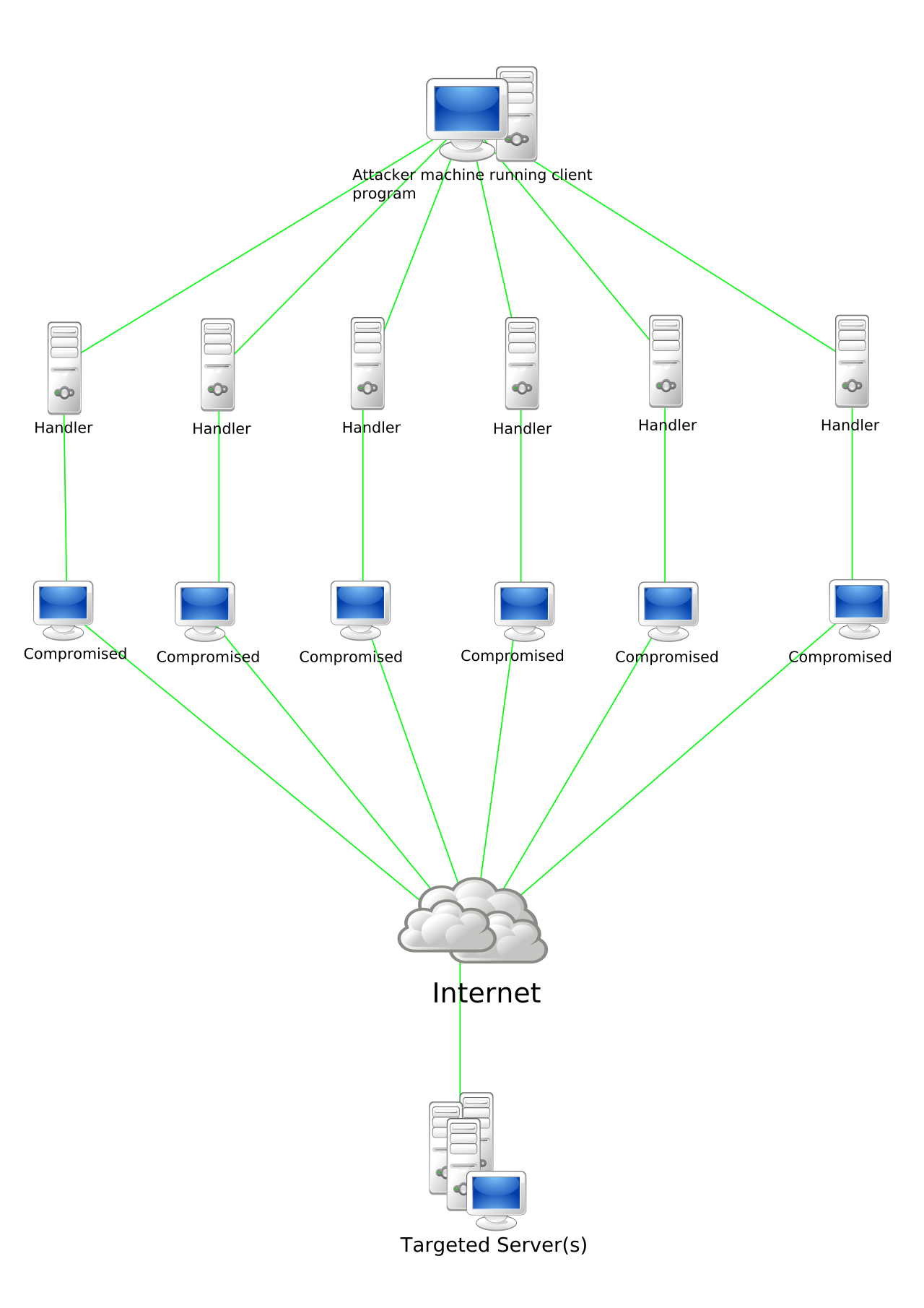
Because no two attacks are identical, Security Operations Centers maintain specific playbooks for distinct threats like phishing or distributed denial-of-service (DDoS) attacks. A DDoS playbook focuses on traffic scrubbing and ISP coordination, while a phishing playbook focuses on mail quarantine and credential resets.
To ensure thoroughness, an incident response playbook dictates the specific indicators of compromise (IoCs) to look for during the detection phase of a specific attack type. For example, a crypto-mining playbook will instruct the analyst to look for CPU spikes, specific port traffic (like stratum protocol port 3333), and unauthorized scheduled tasks.
However, adversaries evolve. Therefore, playbooks require periodic reviews to ensure alignment with newly discovered threat actor tactics and techniques. By integrating threat intelligence feeds into incident preparation, it ensures playbooks cover the most current adversary behaviors.
When drafting these documents, organizations do not have to start from scratch. CISA provides standardized cybersecurity incident response playbooks for federal agencies and associated organizations, which serve as an excellent gold standard for the private sector. Regardless of the source, effective incident response playbooks require organizations to establish a primary and backup means of communication and must align with organizational statutory and regulatory reporting requirements (such as notifying regulators within 72 hours under GDPR).
The Power of the Runbook
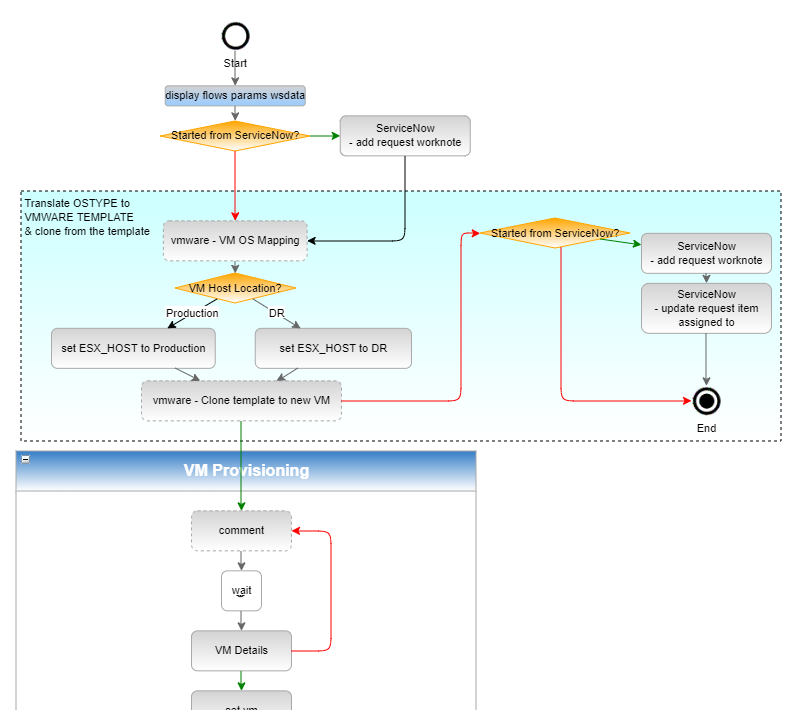
Runbooks translate the playbook's high-level strategy into precise keystrokes. For instance, if the playbook dictates "Quarantine the infected host," the runbook provides the exact PowerShell commands or CrowdStrike Falcon interface clicks required to isolate that specific machine.
Modern SOCs leverage technology to execute these rapidly. Security Orchestration, Automation, and Response (SOAR) platforms utilize digital runbooks to automate repetitive incident containment tasks. Instead of an analyst manually running IP reputation checks or resetting a compromised password, the SOAR platform executes a digital runbook at machine speed.
A playbook is only a theory until it is tested. NIST Special Publication 800-84 provides guidelines for testing, training, and exercise programs for information technology plans. These exercises fall into two broad categories: discussion-based and operations-based.
| Exercise Type | Description | Resource Requirement |
|---|---|---|
| Discussion-based | Discussion-based exercises familiarize personnel with incident response plans without deploying actual technical resources. | Low (Conference room, paper) |
| Operations-based | Operations-based exercises validate incident response plans by executing procedures and deploying real technical resources. | High (Live environments, IT staff) |
Tabletop Exercises: The Intellectual Sandbox
The most common discussion-based test is the tabletop. Tabletop exercises are discussion-based sessions involving team members walking through a simulated incident scenario verbally.
The primary value of a tabletop is discovery. Tabletop exercises help security teams identify gaps or missing elements in an organization's incident response plan. To be effective, the exercise relies on two key roles:
- The Facilitator: The facilitator of a tabletop exercise presents the scenario and introduces new variables to test the team's adaptability. (e.g., "You've decided to restore from backups, but I'm handing you an inject stating your primary backup server just went offline. What do you do now?")
- The Scribe: A tabletop exercise requires a scribe to accurately document team decisions and communication gaps during the simulation.
Moving to Operations: Functional and Full-Scale Tests
When an organization is ready to test its technical mettle, it moves to operations-based exercises.
- A functional exercise simulates an incident in a realistic but controlled environment to test specific operational capabilities. (e.g., Activating a failover site to see if traffic actually routes correctly, without taking down the primary site).
- Full-scale exercises involve multiple departments and real-time deployment of resources to simulate a major disaster response. These are massive, highly orchestrated events simulating total systemic failure.
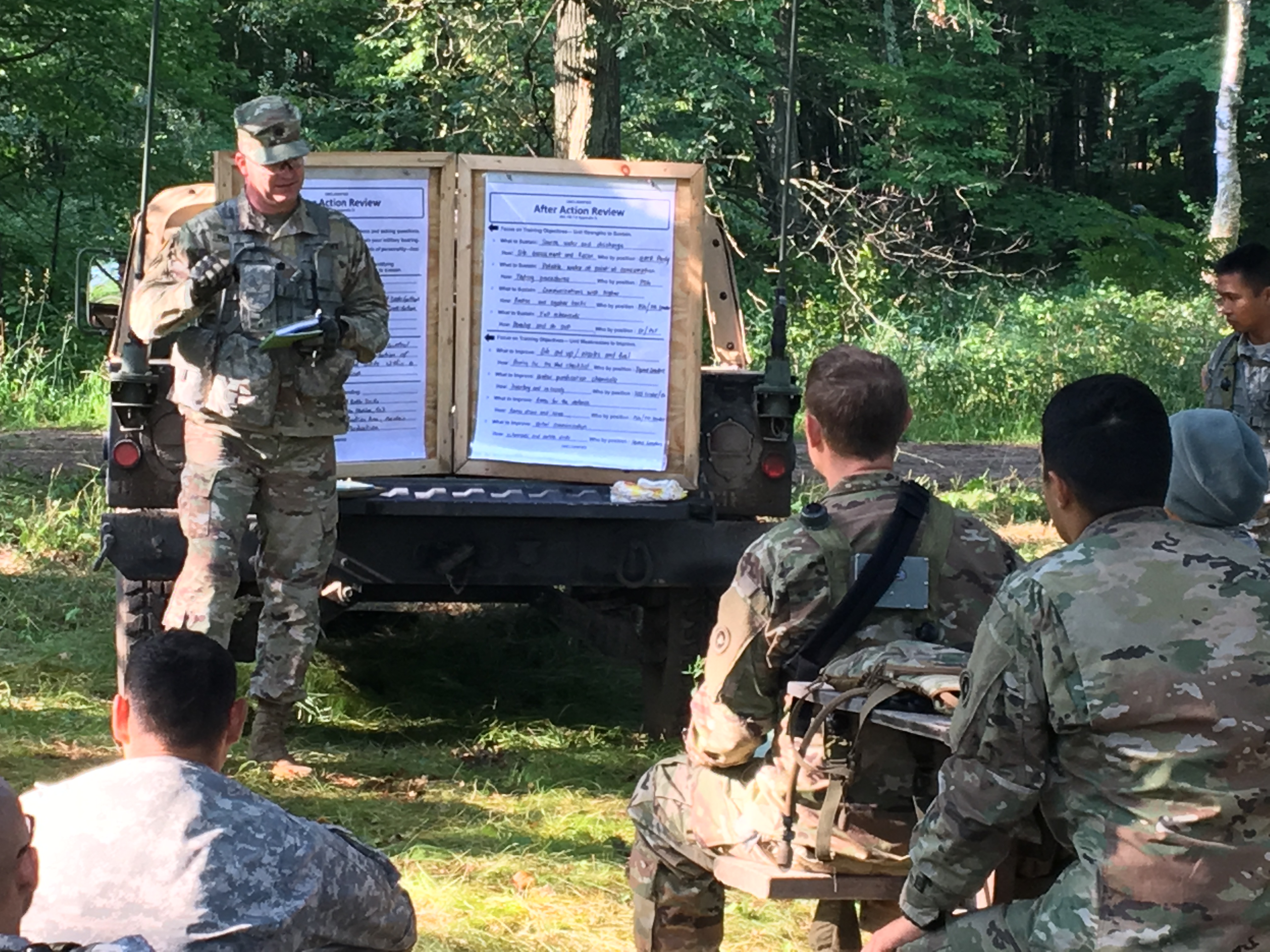
Regardless of the exercise type, the conclusion is paramount. An After-Action Report (AAR) documents the outcomes, successes, and areas for improvement identified during an incident response exercise. Ultimately, organizations use the lessons learned from tabletop exercises to update and improve existing incident response plans.
Incident response handles the immediate flames, but what happens when the building's structural integrity fails? When an adversary inflicts massive damage—such as encrypting a central database or destroying a critical datacenter—the incident response plan must hand the baton to broader organizational continuity plans.
Specifically, incident response playbooks trigger Disaster Recovery Plan procedures when system damage exceeds standard containment capabilities.
Two distinct but complementary plans govern this phase:
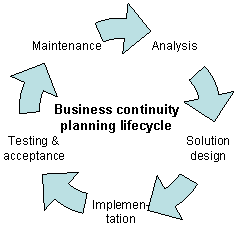
- A Business Continuity Plan (BCP) ensures essential organizational operations continue during a major environmental or cyber disruption. (If the billing system is offline, the BCP tells the staff how to track invoices manually on paper).
- A Disaster Recovery Plan (DRP) focuses on restoring IT infrastructure and technical systems after a critical failure or breach. (The DRP tells the IT team how to rebuild the servers and restore the data).
The Mathematics of Recovery: RTO and RPO
When disaster recovery is triggered, incident responders must adhere to specific, business-defined metrics that govern time and data loss.
Recovery Time Objective (RTO): The Recovery Time Objective is the maximum acceptable amount of time a system can remain offline after a disaster.
Recovery Point Objective (RPO): The Recovery Point Objective defines the maximum acceptable amount of data loss measured in time.
These metrics directly inform your tactical decisions on the ground. Incident response recovery phases must align with the organization's Recovery Time Objective to minimize business impact. If the RTO for an e-commerce database is 4 hours, your recovery strategy cannot rely on a tape backup system that takes 12 hours to index and load.
Similarly, the RPO defines your data boundaries. Ransomware response playbooks rely on the Recovery Point Objective to determine the viability of restoring systems from backups. If an organization has an RPO of 24 hours, but the forensic analysis reveals the threat actor compromised and corrupted the backups over the last 72 hours, the restoration is not viable under the business parameters. The organization has exceeded its RPO, forcing leadership to explore drastically different strategic paths—potentially including negotiations or accepting catastrophic data loss.
By preparing the tools, drafting the playbooks, stress-testing the organization through tabletops, and strictly aligning with business recovery objectives, a SOC transforms chaos into a predictable, engineered process. The flames will come; preparation dictates whether they consume the business or are extinguished on arrival.