Mitigating Web Application Vulnerabilities
Not sure you’re ready?
Take the ~3-minute readiness diagnostic and see where you stand.
A web application is fundamentally a translation engine, existing to bridge the chaotic, untrusted environment of the public internet with the highly structured, sensitive environment of backend databases and internal networks. The core security dilemma of modern web architecture is the parsing problem: how does an application distinguish between data it should store and commands it should execute? When an application fails to make this distinction, the interpreter blindly follows malicious instructions, leading to catastrophic compromises. For a Security Operations Center (SOC) analyst or incident responder, understanding the mechanics of these vulnerabilities is the difference between blindly escalating a generic Web Application Firewall (WAF) alert and precisely identifying the root cause of an intrusion.
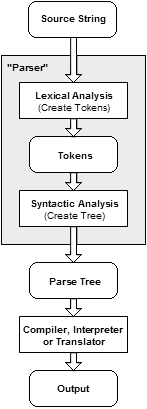
To defend these systems, we must construct multiple layers of controls—from the architecture of the code itself to the network boundaries surrounding the server. We will systematically dissect the most critical web application vulnerabilities and the architectural controls required to mitigate them.
At the most fundamental level, injection vulnerabilities occur when an application sends untrusted user input to an interpreter as part of a command or query. Imagine giving a chef a recipe card, but instead of writing the name of an ingredient, a saboteur has crossed out the next line and written, "Throw the soup out the window." If the chef reads the card linearly without distinguishing between the ingredients list and the cooking instructions, the soup is lost.
SQL Injection (SQLi)
In SQL injection, the database engine is the chef. When an attacker submits ' OR 1=1 -- into a login field, they are breaking out of the intended data context and altering the SQL logic.
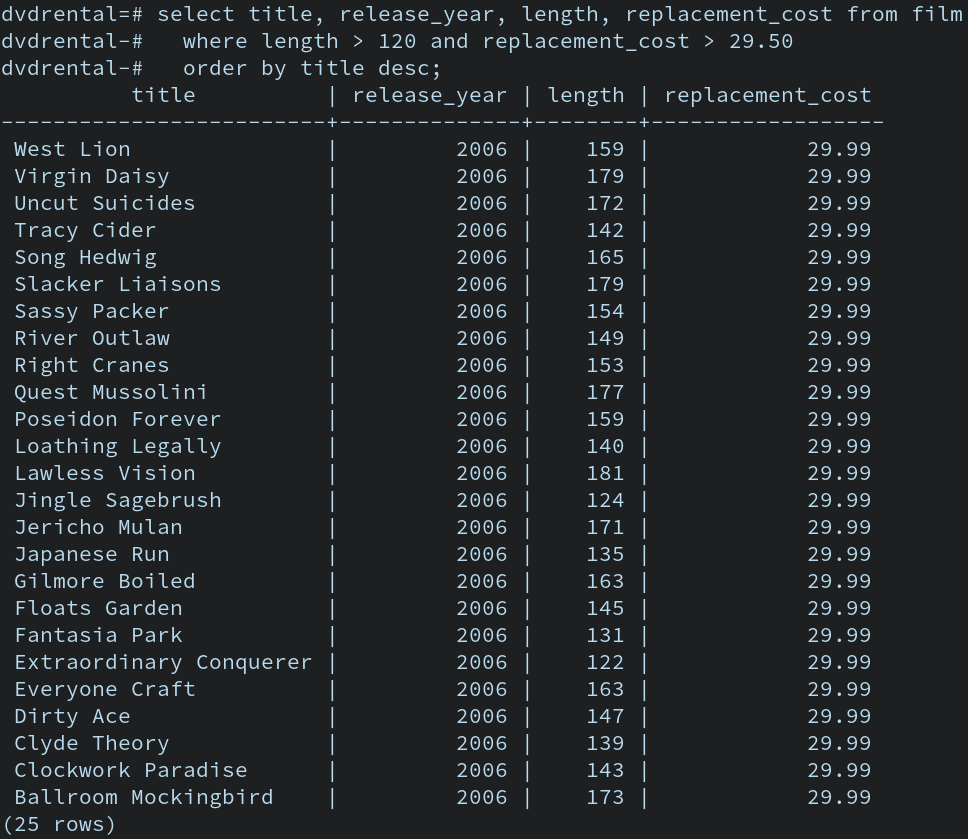
The most effective defense against SQL injection is the implementation of parameterized queries. Parameterized queries (or prepared statements) solve the parsing problem by pre-compiling the SQL logic before inserting the user's data. This architectural separation ensures that parameterized queries force the backend database to treat user input strictly as literal data rather than executable code. Even if the user submits malicious SQL commands, the database simply stores the payload as a harmless string.
Developers can also rely on higher-level abstractions. Object-Relational Mapping (ORM) frameworks inherently reduce SQL injection risks by abstracting the construction of SQL queries. Instead of writing raw SQL, developers interact with database records as objects, and the ORM safely handles the parameterization under the hood.
What about legacy systems? Often, you will hear database administrators suggest stored procedures. However, stored procedures can mitigate SQL injection risks only if the stored procedures avoid concatenating strings to build dynamic queries. If a stored procedure simply takes user input and glues it into an EXEC() statement, the injection vulnerability remains entirely intact.
Input Validation: The First Line of Defense
While parameterization protects the database, we must also police what enters the application. Input validation prevents injection flaws by ensuring user input matches a strictly defined expected format before processing. If a field expects a zip code, it should only accept exactly five or nine digits.
There are two primary approaches to input validation:
- Allowlisting input validation accepts only known good characters or predefined safe patterns. (e.g., "Only allow alphanumeric characters a-z and 0-9").
- Blocklisting input validation attempts to filter out known malicious characters or strings. (e.g., "Reject the input if it contains
<script>orUNION SELECT").
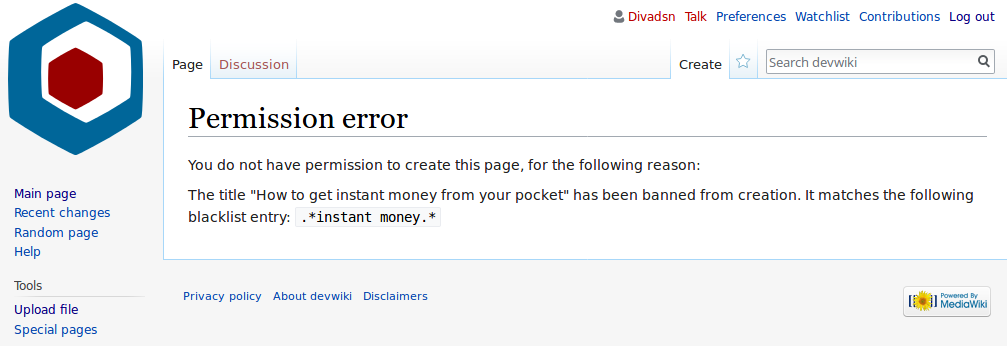
From an incident response perspective, attackers constantly bypass blocklists by using alternative encodings or newly discovered payloads. Therefore, allowlisting is a significantly stronger security control than blocklisting for preventing web application injection attacks.
Operating System and LDAP Injection
The injection principle applies to any interpreter.
- Operating System (OS) command injection is mitigated by avoiding the direct execution of OS commands from within web applications. If an application needs to ping a server, it should use a built-in network library rather than passing user input to a shell via
system("ping " + user_input). - Lightweight Directory Access Protocol (LDAP) is used to query directory services like Active Directory. LDAP injection is mitigated by implementing context-aware escaping for all user-supplied data utilized in LDAP search filters. Escaping ensures that special LDAP control characters (like
*,(, or)) are neutralized before the query is executed.
If injection targets the backend server, Cross-Site Scripting targets the user. Cross-Site Scripting (XSS) occurs when an application includes untrusted data in a web page without proper validation or escaping. By injecting malicious JavaScript into a trusted web page, the attacker hijacks the victim's session.
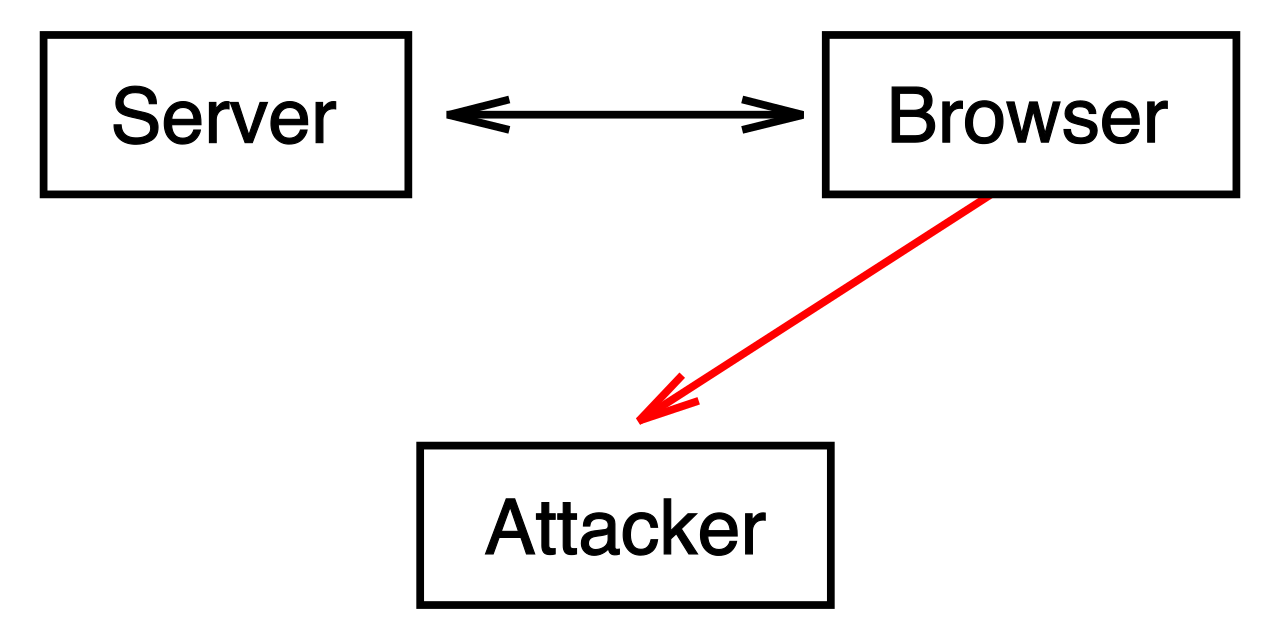
We categorize XSS into three primary vectors:
- Stored Cross-Site Scripting (XSS) attacks involve malicious scripts permanently saved on a target server and served to subsequent users. Think of a malicious comment posted on a forum; every user who views that forum page automatically executes the payload.
- Reflected Cross-Site Scripting (XSS) attacks occur when malicious scripts are reflected off a web application to the victim's browser via a crafted URL. An attacker tricks a victim into clicking a link containing the payload, the server bounces it back in the response, and the victim's browser executes it.
- DOM-based Cross-Site Scripting (XSS) occurs when a web application's client-side script writes untrusted data directly to the Document Object Model. In this scenario, the payload may never even reach the backend server; the vulnerability exists entirely within the JavaScript running in the victim's browser.
Mitigating XSS
Because XSS is fundamentally an output problem, context-aware output encoding is the primary defense against Cross-Site Scripting (XSS) attacks. Before rendering user input back to the browser, the application must neutralize it. Context-aware output encoding translates special characters into safe HTML entities before rendering those characters in the user's browser. For example, the < character is translated to <. The browser displays the character perfectly to the human user, but the browser's HTML parser refuses to execute it as code.
Beyond encoding, we can apply defense-in-depth measures:
- Content Security Policy (CSP): A Content Security Policy (CSP) mitigates Cross-Site Scripting (XSS) by restricting the external domains from which an application can load executable scripts. If an attacker injects a script tag trying to load a payload from
evil-domain.com, the browser will block it. A Content Security Policy (CSP) is implemented by configuring an HTTP response header. - Cookie Security Attributes: A primary goal of XSS is to steal session cookies. Setting the HttpOnly flag on a session cookie prevents client-side scripts from accessing the contents of the session cookie. Consequently, the HttpOnly cookie attribute mitigates the impact of Cross-Site Scripting (XSS) attacks by preventing session hijacking via malicious JavaScript execution.
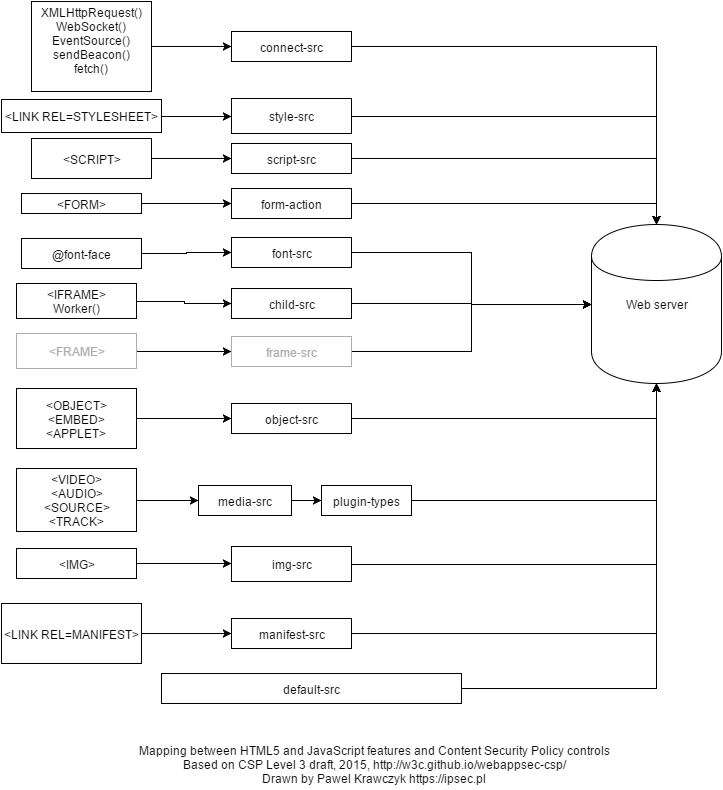
SOC Application: When reviewing a SIEM alert for XSS, check the targeted application's response headers. If a strict CSP and HttpOnly flags are properly configured, the impact of a successful XSS payload is drastically reduced, lowering the severity of the incident.
While XSS exploits the user's trust in a web application, CSRF exploits the web application's trust in the user's browser.
Cross-Site Request Forgery (CSRF) forces an authenticated user to execute unwanted actions on a web application in which the user is currently authenticated. Browsers automatically send session cookies with requests to the domain that issued them. If an attacker tricks an authenticated banking user into visiting a malicious site, the malicious site can silently submit a fund transfer request to the bank. The user's browser automatically attaches the authentication cookies, and the bank processes the request, thinking the user authorized it.
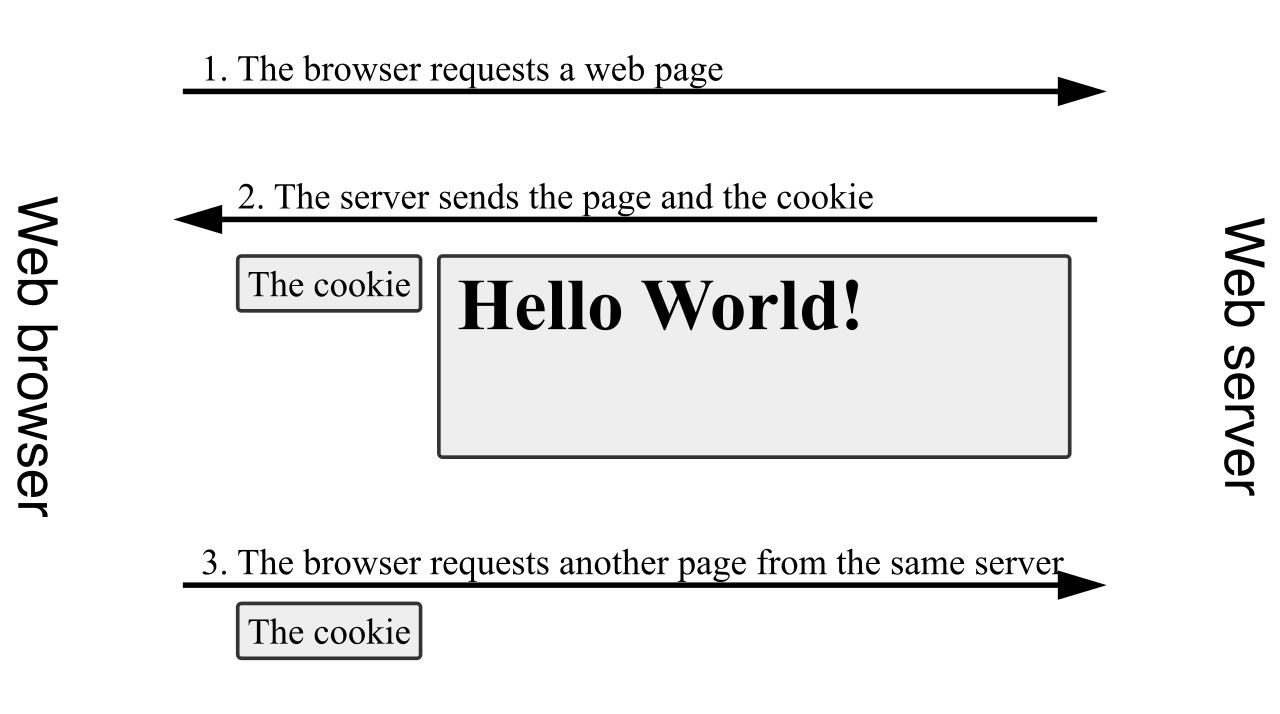
Anti-CSRF Mitigations
The most common and effective defense against Cross-Site Request Forgery (CSRF) is the implementation of anti-CSRF tokens.
- An anti-CSRF token is a unique, unpredictable, and secret value generated by the server and included in subsequent client requests (usually hidden in an HTML form).
- When the form is submitted, the web server validates the anti-CSRF token on state-changing requests to ensure the request originated from the legitimate application interface. The attacker cannot forge the request because they cannot guess the cryptographically secure token.
Modern browsers also offer native protections. The SameSite cookie attribute mitigates Cross-Site Request Forgery (CSRF) by instructing the browser not to send cookies alongside cross-site requests.
- The SameSite cookie attribute can be configured to the Strict or Lax directive to provide different levels of Cross-Site Request Forgery (CSRF) protection.
Strictensures the cookie is never sent from an external referring site, whileLaxallows it only for safe, top-level navigations (like clicking a regular link).
For critical applications, security architects employ further measures:
- The Double Submit Cookie technique is a stateless defense mechanism used to prevent Cross-Site Request Forgery (CSRF) attacks. Instead of storing the token on the server, the Double Submit Cookie technique requires the client application to send a random token value in both a cookie and a request parameter. The server simply verifies that both values match.
- Finally, requiring user re-authentication before executing highly sensitive actions acts as a strong mitigating control against Cross-Site Request Forgery (CSRF) attacks. Even if a CSRF attack is perfectly constructed, it will fail if the system suddenly prompts the user to enter their password or a hardware token code before initiating a $50,000 wire transfer.
SSRF is the "confused deputy" problem of modern cloud architectures. Server-Side Request Forgery (SSRF) occurs when a web application fetches a remote resource without properly validating the user-supplied destination URL.
Imagine a web application that allows users to import profile pictures from a URL. Instead of providing an image link, the attacker provides http://169.254.169.254/latest/meta-data/ (the AWS metadata service) or http://10.0.0.5/admin. Because the request originates from the application server—which resides safely behind the corporate firewall—the internal network implicitly trusts it. Therefore, Server-Side Request Forgery (SSRF) allows an external attacker to force the target server to connect to internal services that are normally protected by firewalls.
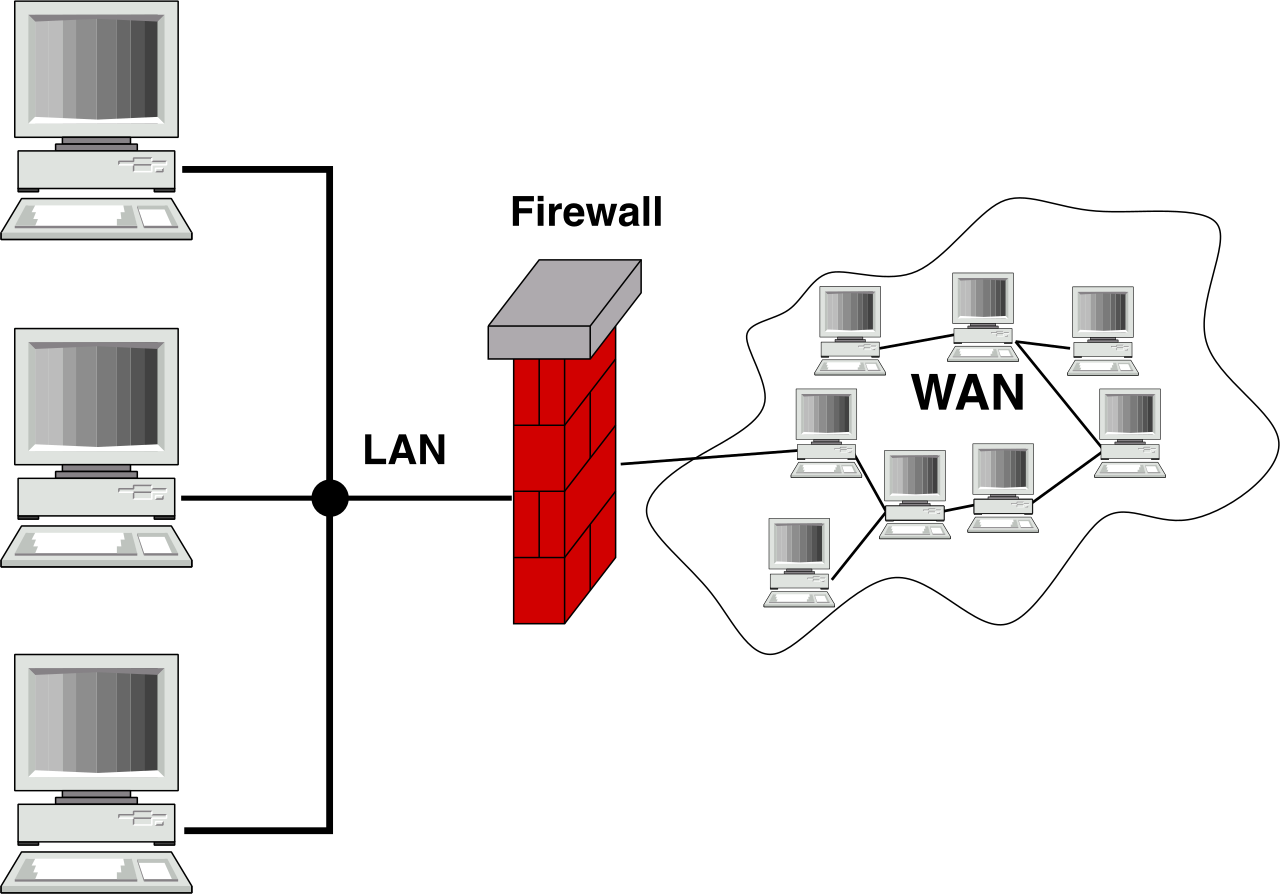
Taming the SSRF Threat
Preventing SSRF requires strict boundary control over what the application is allowed to fetch.
- Strict Allowlists: Mitigating Server-Side Request Forgery (SSRF) requires implementing strict allowlists for all remote resource URLs requested by the web application. Do not try to guess what bad IP addresses look like. Blocklisting internal IP addresses is considered an inadequate Server-Side Request Forgery (SSRF) defense compared to allowlisting known required external destinations. Attackers frequently bypass blocklists using IPv6, DNS rebinding, or alternative IP encodings (e.g., converting an IP to an integer).
- Protocol Restriction: Attackers don't just request HTTP pages. They might try
file:///etc/passwdto read local server files. Disabling unused URL schemas such as file, ftp, or gopher significantly limits the attack surface for Server-Side Request Forgery (SSRF) vulnerabilities. - Response Validation: Even if the destination is verified, the data returned might be malicious. Web applications must validate the response content from remote resources to ensure the response matches expected data types before processing the data. If you expect a PNG image, ensure the fetched data is actually a parsed graphic, not a shell script.
- Network Isolation: Assume the application will eventually be compromised. Network segmentation mitigates the impact of Server-Side Request Forgery (SSRF) by restricting the application server's network access to sensitive internal network zones. If the web server doesn't physically have a network route to the HR database or the cloud metadata service, the SSRF attack falls flat.
While secure coding practices (parameterization, encoding, tokens) are the ultimate cure, SOC analysts often rely on active monitoring and defense tools to stop bleeding during an active attack.
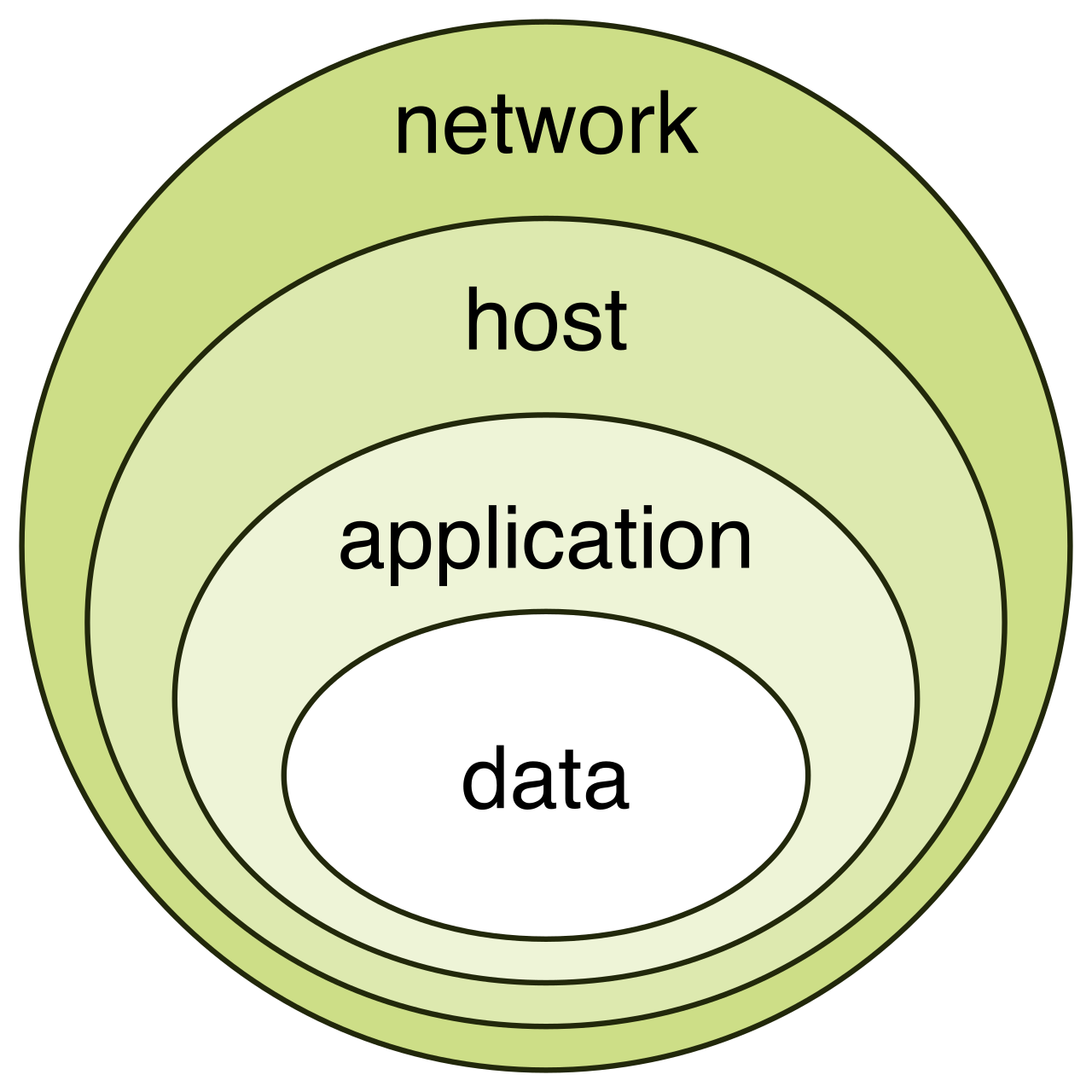
| Control Type | Description | OSI Layer | Primary Use Case |
|---|---|---|---|
| WAF | A Web Application Firewall (WAF) mitigates web attacks by inspecting incoming HTTP traffic against a set of predefined security rules. | A Web Application Firewall (WAF) operates primarily at Layer 7 of the Open Systems Interconnection (OSI) model. | Edge defense. Blocking known malicious signatures (e.g., identifying <script> tags in headers) before they hit the server. |
| RASP | Runtime Application Self-Protection (RASP) mitigates web vulnerabilities by continuously monitoring the application's execution behavior from within the application runtime environment. | Deep within the application's execution memory. | Deep defense. Runtime Application Self-Protection (RASP) technology can intercept application execution calls that match known malicious patterns like SQL injection attempts. Because RASP sits inside the app, it sees the actual query just before it hits the database, making it highly accurate against zero-days and WAF bypasses. |
As a security analyst, WAF logs are often your first indicator of compromise, showing you the intent of the attacker. However, RASP alerts give you the reality of the attack's interaction with the code. Ultimately, resolving web vulnerabilities requires a synthesis of these operational tools with deep architectural remediation.