Mitigating Other Software Vulnerabilities
Not sure you’re ready?
Take the ~3-minute readiness diagnostic and see where you stand.
Imagine a heavily fortified bank vault where the door is constructed of foot-thick titanium, but the ventilation shaft leads straight to the safety deposit boxes, and the teller will hand over the master keys if you simply ask in the correct dialect. Software vulnerabilities operate precisely on this principle. Security Operations Center (SOC) analysts and incident responders spend their days monitoring the network perimeter, only to find attackers slipping in through logical gaps and memory mismanagement left behind by an application's original developers.

To defend a system, we must deeply understand how it can be broken. Software vulnerabilities are not abstract magic; they are predictable, mechanical failures of logic and memory mapping. By understanding the physics of these failures, we can engineer environments where attackers are structurally starved of the access, memory space, and execution rights they need to operate.
Think of computer memory like a rigid ice cube tray. Each slot is designed to hold a precise amount of water. If you pour a gallon of water into a single slot, the water does not simply vanish; it aggressively spills over into the adjacent slots, corrupting whatever was supposed to be there.

A buffer overflow occurs when a program writes more data to a memory block than the memory block can hold.
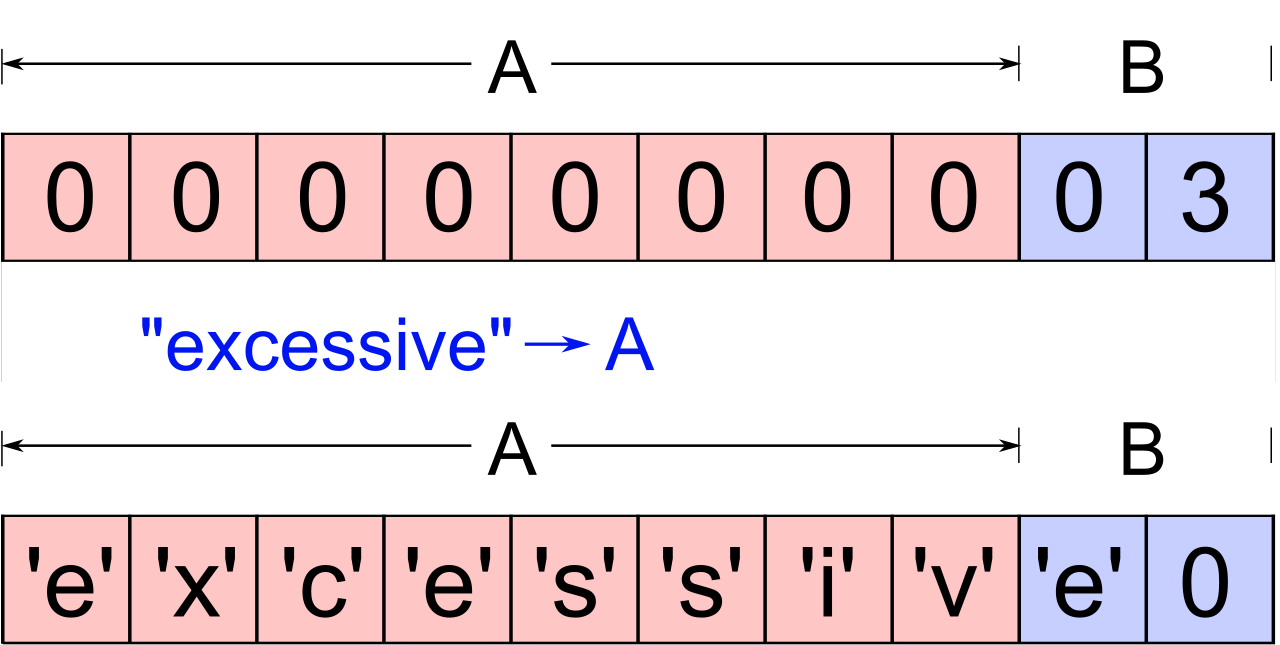
In the digital realm, this spilled data is weaponized. Buffer overflows often allow attackers to overwrite adjacent memory locations to execute arbitrary code. By carefully crafting the "spill," an attacker can overwrite the instruction pointer—the program's navigation system—and redirect the application to run the attacker's own malicious payload.
Why does this happen? It is a legacy of architectural trust. The C and C++ programming languages do not provide built-in memory bounds checking. They inherently trust the developer to manage memory perfectly. As a result, legacy string manipulation functions like [strcpy](https://en.wikipedia.org/wiki/C_string_handling) and [sprintf](https://en.wikipedia.org/wiki/Printf_format_string) in C are highly susceptible to buffer overflow attacks because they copy data without verifying if the destination buffer is large enough to contain it.
Defending the Memory Space
If we cannot trust the code, we must change the terrain of the operating system itself. SOC analysts and security engineers rely on a layered approach to crush buffer overflow attempts before they result in code execution:
- Input Validation: The most fundamental defense. Input validation mitigates buffer overflows by ensuring the length of user-supplied data does not exceed the allocated buffer size. If the buffer holds 64 bytes, you drop the 65th byte at the door.
- Address Space Layout Randomization (ASLR): To execute a payload, an attacker needs a map; they need to know exactly where in memory their malicious code resides. ASLR mitigates buffer overflows by randomly arranging the memory addresses of key data areas. By shuffling the deck every time the program runs, the attacker's hardcoded memory map becomes useless, and the exploit crashes the program instead of granting control.
- Data Execution Prevention (DEP): Even if an attacker successfully injects code into a memory buffer, we can render it inert. DEP prevents code from being run in memory regions explicitly marked as non-executable. The system will store the malicious payload, but it will flatly refuse to execute it.
- Stack Canaries: Historically, coal miners brought canaries into mines to detect toxic gas. In software, stack canaries are random values placed between a buffer and control data on the stack to detect buffer overflow attempts. If a buffer overflows, the canary value is overwritten first. The system checks the canary before executing the next instruction; if the canary is dead (altered), the program immediately triggers a security exception and terminates.

If a buffer overflow is a physiological failure of the software, access control failures are psychological. The system correctly identifies who you are, but completely misunderstands what you are allowed to do.
Broken access control occurs when an application fails to properly enforce restrictions on authenticated user permissions.
This is not an obscure edge case. Due to the immense complexity of modern web applications, Broken Access Control is consistently ranked as the top risk in the OWASP Top 10 web application vulnerabilities list.
The most infamous manifestation of this is the Insecure Direct Object Reference (IDOR). IDOR is an access control vulnerability where a user accesses another user's resources simply by modifying a uniform resource identifier (URI).
Imagine a user logs into a banking portal and sees their account URL: bank.com/account?id=4050. What happens if they change the URL to ?id=4051? If the server hands over the next customer's financial data without verifying that User A actually owns Account B, you have an IDOR vulnerability.
Enforcing the Rules of Access
For incident responders and architects, mitigating access control vulnerabilities requires stripping trust away from the end user.
- Server-Side Enforcement: Never trust the client. Mitigating broken access control requires enforcing access decisions on the server side rather than relying on client-side checks. If a button is hidden using CSS on a webpage, a malicious user will simply bypass the browser and send the API request directly. The server itself must verify permissions on every single request.
- Deny-by-Default: A deny-by-default posture ensures all access requests are blocked unless explicitly allowed by access control rules. If the firewall or application router doesn't possess a specific rule permitting the action, the answer is an uncompromising "no."
- Principle of Least Privilege: This dictates granting users only the minimum access rights necessary to perform job functions. If an analyst only needs to read logs, they should never possess the ability to delete them.
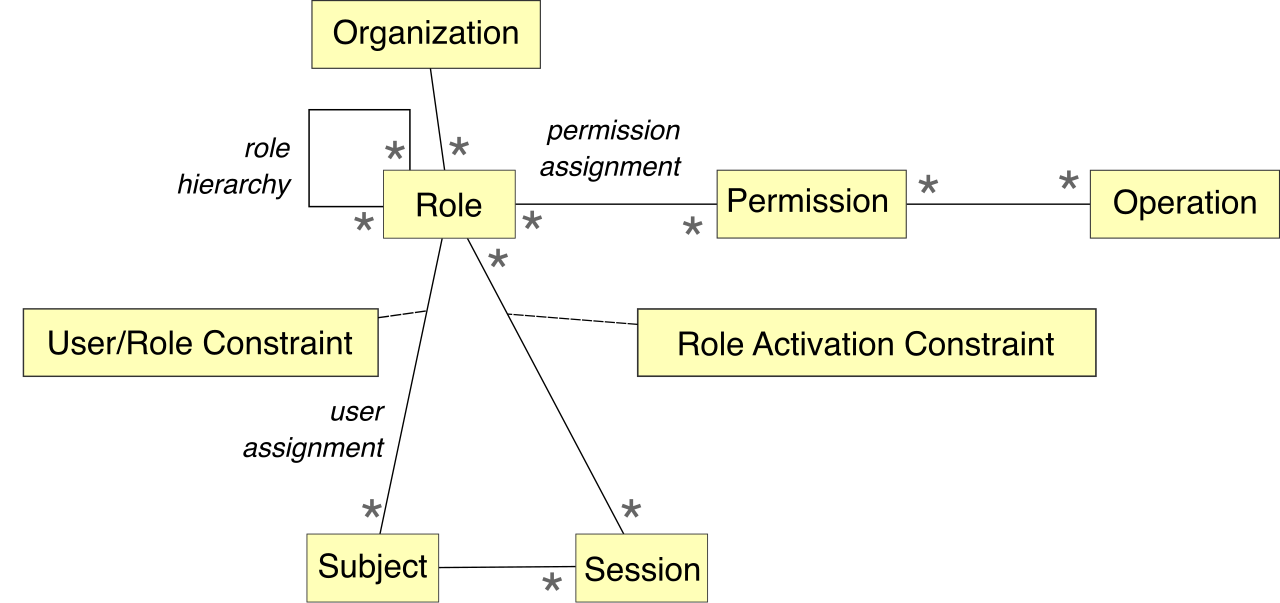
- Role-Based Access Control (RBAC): Managing least privilege for 10,000 employees individually is impossible. RBAC simplifies access management by assigning permissions to roles rather than individual users. You assign the permissions to the "Tier 1 SOC Analyst" role, and simply place the user into that bucket.
Cryptography is the mathematical bedrock of data security, but mathematics evolves, and hardware compute power grows exponentially.
Cryptographic failures involve the improper protection of sensitive data through weak encryption or missing encryption.
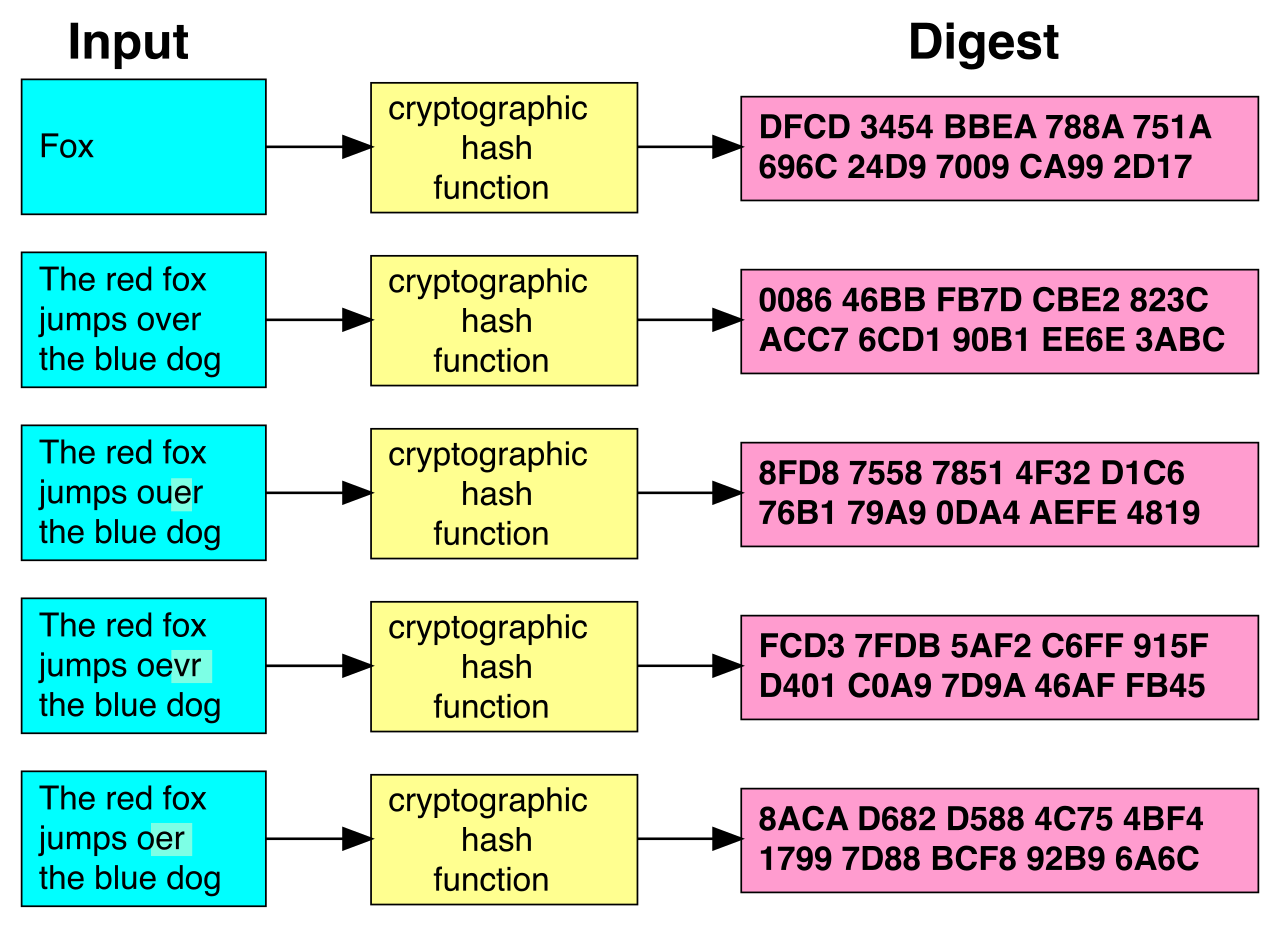
When cryptographic standards age, they do not just fade; they break catastrophically. For example, the Data Encryption Standard (DES) algorithm is considered mathematically broken and can be decrypted via brute force in hours by modern processors. Similarly, MD5 and SHA-1 are deprecated hashing algorithms due to their vulnerability to collision attacks, where two different pieces of data produce the exact same hash output, allowing attackers to forge digital signatures.
Implementing Indestructible Math
To prevent cryptographic failures, security teams must enforce rigid, modern standards across the enterprise.
| Cryptographic Goal | Actionable Security Standard |
|---|---|
| Secure Data Storage (Data at Rest) | Secure data storage requires the use of strong cryptographic algorithms like the Advanced Encryption Standard (AES). |
| Secure Transit (Data in Motion) | Transport Layer Security (TLS) ensures the confidentiality and integrity of data transmitted over a network. |
| Secure Credential Storage | Never store plaintext. Use Bcrypt and Argon2, which are industry-recommended hashing algorithms for securely storing passwords. |
When storing credentials, simply hashing them is insufficient due to massive, precomputed tables of hashed passwords used by attackers. Salting passwords before hashing prevents attackers from using precomputed rainbow tables to crack credentials. A salt is a unique, random string of characters added to each password before it is hashed, fundamentally altering the final output and rendering rainbow tables useless.
Furthermore, developers must adhere to two absolute laws of cryptography:
- Never Invent Math: Developers must use established cryptographic libraries rather than writing custom cryptographic algorithms. Custom algorithms almost universally contain fatal mathematical flaws.
- Never Hide the Key Under the Mat: Hardcoding cryptographic keys in source code allows attackers to extract the keys via software reverse engineering. If an attacker decompiles the application binary, a hardcoded AWS or encryption key will be sitting there in plain text. Keys belong in secure, dedicated key management systems (KMS).
Once an attacker establishes a foothold as a low-level user, their immediate objective is to expand their reach. They achieve this through privilege escalation, which flows in two distinct directions.
Vertical privilege escalation occurs when a standard user acquires higher-level permissions such as administrative access. This is the classic "climbing the ladder" scenario, where a guest account finds a flaw that transforms them into a system root administrator.
Horizontal privilege escalation occurs when a user gains access to the resources of another user with the identical permission level. This is a sideways step. Think of an attacker compromising an HR associate's account, and exploiting a vulnerability to take over another HR associate's account to view different tax files.
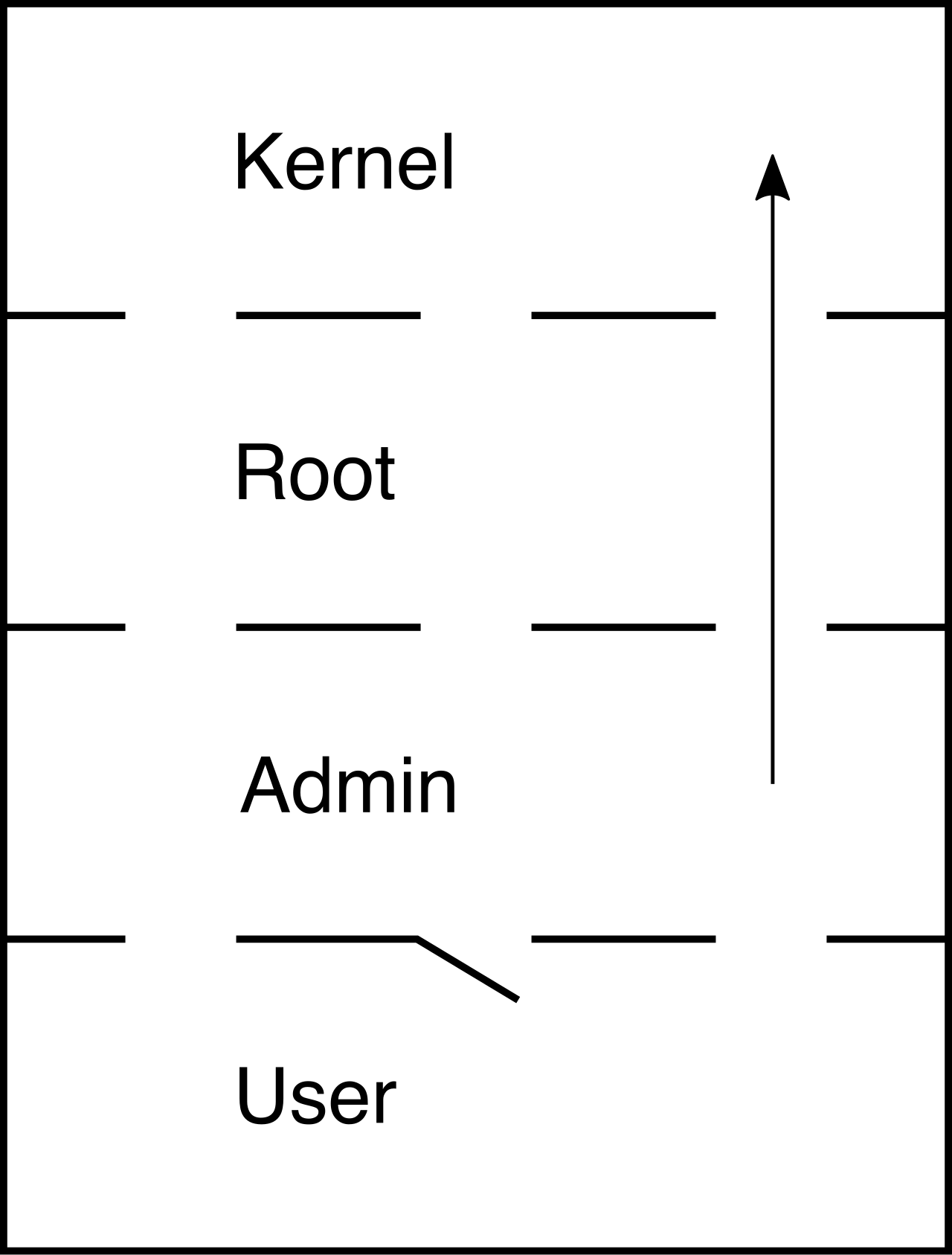
These breaches do not happen by magic; privilege escalation vulnerabilities often result from misconfigured system permissions or unpatched operating system flaws.
Detection and Mitigation
- Patch Management: The most devastating escalation vectors (like PrintNightmare or Dirty COW) rely on known OS flaws. Regular patch management mitigates privilege escalation by addressing known software vulnerabilities before attackers can exploit them.
- Active Monitoring: For the SOC analyst, visibility is life. Monitoring for unexpected changes to user group assignments helps security teams detect vertical privilege escalation attempts. If a standard user account is suddenly added to the
Domain AdminsorWheelgroup, your SIEM should immediately fire a critical alert.
If vulnerabilities were a hierarchy, Remote Code Execution would sit on the throne.
Remote Code Execution (RCE) allows an attacker to execute malicious commands on a target system over a network.
When an attacker achieves RCE, they have effectively hijacked the machine. They can install ransomware, pivot to other servers, or exfiltrate databases. RCE vulnerabilities frequently stem from the improper handling or sanitization of user-supplied input. If a web application takes a user's search query and passes it directly to the underlying operating system's command line without sanitizing it, the attacker can simply append bash commands (like ; rm -rf /) to their search.
Containing the Blast Radius
Because RCE is so catastrophic, our defense must rely on layers of overlapping controls so that if one fails, the attack is still contained.
- Perimeter Defense: Web Application Firewalls (WAF) can detect and block malicious payloads associated with Remote Code Execution attempts by inspecting inbound HTTP traffic for known command injection signatures.
- Continuous Discovery: You cannot patch what you do not know exists. Continuous vulnerability scanning helps identify outdated software components vulnerable to Remote Code Execution, such as a forgotten Apache server running a vulnerable version of Log4j.
- Execution Restriction: Even if the attacker finds a way to execute code, we can choke their operational capacity. Running applications with the lowest possible privileges limits the blast radius of a successful RCE attack. If the web server runs under a highly restricted service account, the attacker's executed code is bound by those same restrictions.
- Architectural Isolation: Sandboxing confines the execution environment of an application to prevent malicious code from affecting the broader operating system. The attacker executes their code, but they are trapped inside a virtualized box with no access to the real file system.
- Lateral Movement Chokepoints: If a server falls, it must not take down the entire data center. Network segmentation restricts the lateral movement capabilities of an attacker who achieves RCE on a single host. By placing firewalls between server subnets, an attacker trapped in the DMZ cannot freely pivot into the internal database enclave.
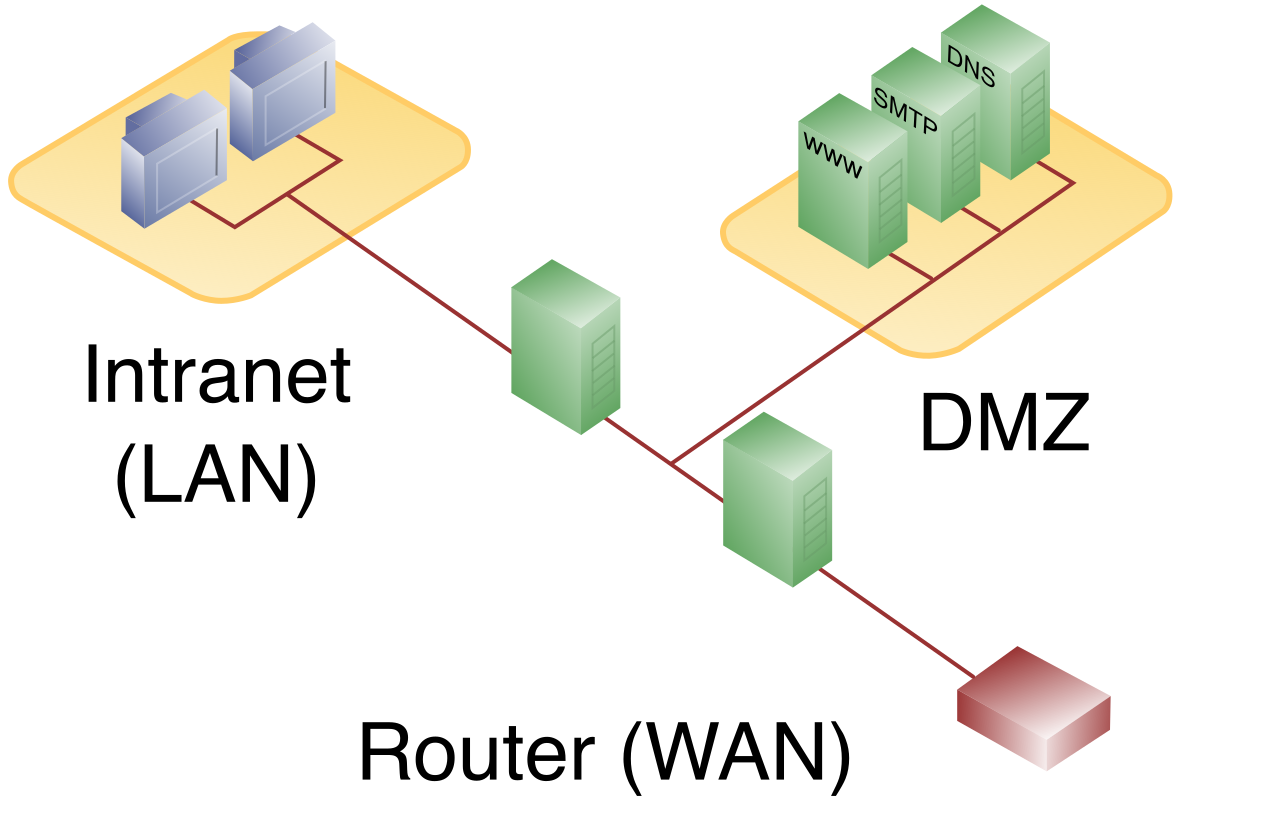
By deeply understanding these attack vectors—and layering mitigations like ASLR, strict access control, modern cryptography, and network segmentation—we transform the environment from a playground of vulnerabilities into a hostile, tightly controlled fortress where attacks are detected and neutralized at every turn.