Cryptographic and Password Attacks
Not sure you’re ready?
Take the ~3-minute readiness diagnostic and see where you stand.
Cryptography is the mathematical bedrock of modern digital trust, designed under the assumption that an adversary can intercept every bit of data traveling across a network. Yet, the mathematical perfection of an encryption algorithm rarely fails in isolation. Instead, adversaries attack the implementation, the backward compatibility, or the human elements that interact with these systems. IT administrators and security engineers deploy cryptographic mechanisms daily, from configuring secure TLS tunnels to managing Active Directory authentication. Attackers bypass these defenses not by breaking fundamental mathematics, but by exploiting statistical probabilities, legacy protocol configurations, and predictable human behavior. Understanding these vectors—ranging from forcing a server to use obsolete encryption to rapidly calculating hash collisions—is essential for securing any modern enterprise environment.
When two computer systems initiate a secure session, they must first agree on a shared language—a cryptographic protocol. Because enterprise networks evolve over decades, modern servers are frequently designed to be polite; they attempt to speak the most secure protocol available but are willing to fall back to older protocols to accommodate legacy clients. This polite accommodation is exactly what adversaries weaponize.
Downgrade Attacks: Weaponizing Backward Compatibility
A downgrade attack forces a system or communication channel to abandon a high-security mode in favor of an older, less secure mode. When an attacker operates in an on-path (man-in-the-middle) position, they can intercept the initial handshake between a client and a server. If the client advertises support for strong encryption, the attacker drops or modifies those packets. The server, believing the client is simply outdated, agrees to communicate using a legacy standard.
Fundamentally, downgrade attacks exploit backward compatibility features implemented in networking and cryptographic protocols. Attackers use downgrade attacks to force targets into using obsolete cryptographic protocols with known vulnerabilities, allowing them to effortlessly decrypt the ensuing traffic.
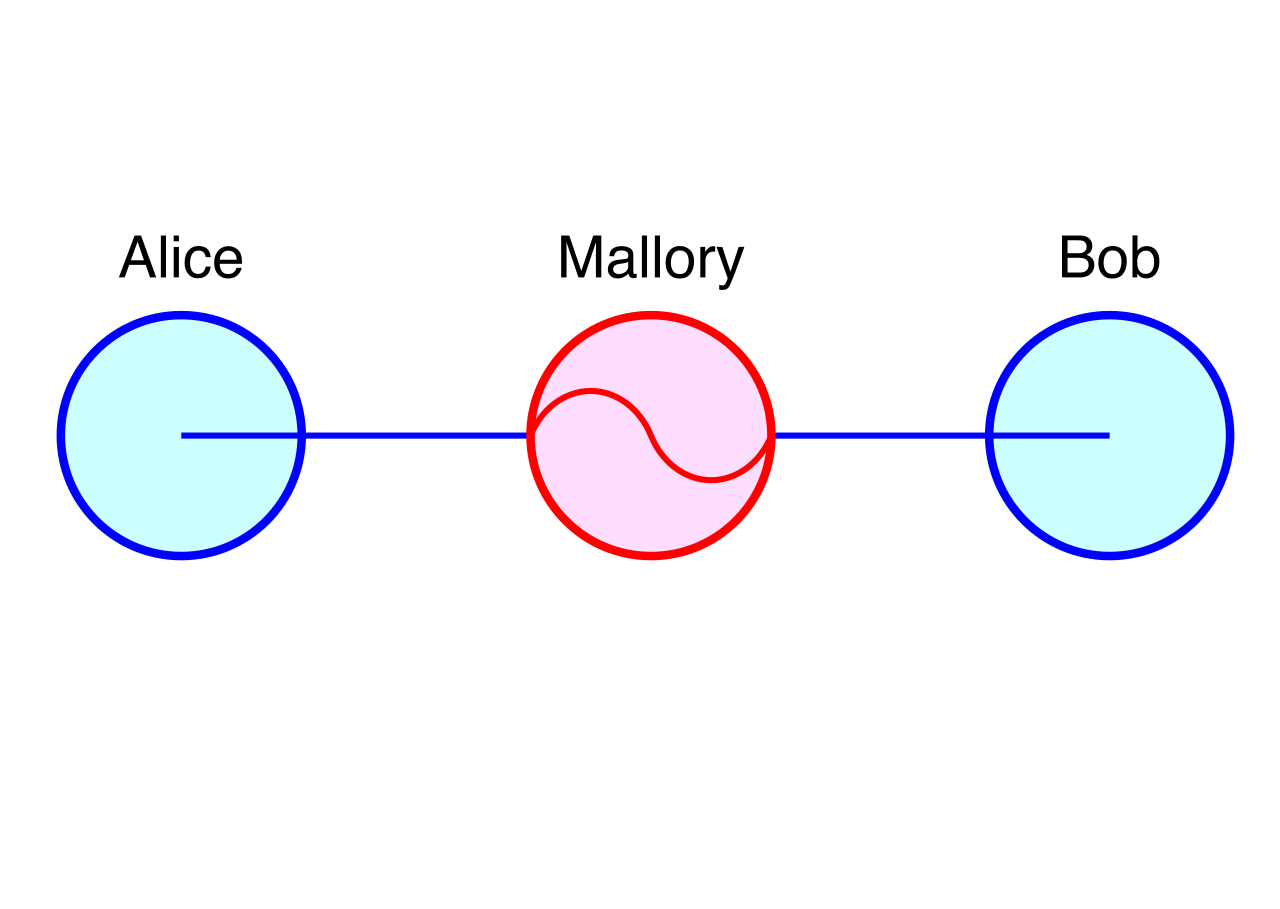
Real-World Impact: POODLE (Padding Oracle On Downgraded Legacy Encryption) is a historic downgrade attack that forced secure connections to fall back to the vulnerable SSL 3.0 protocol. By artificially inducing handshake failures in TLS connections, attackers tricked servers into using SSL 3.0, which contained severe flaws that allowed the attackers to decrypt session cookies in plaintext.
Hash Collisions and the Birthday Paradox
While encryption protects data in transit, hashing protects data integrity. A hash function takes an input of any size and condenses it into a fixed-length string of characters. This output acts as a digital fingerprint.
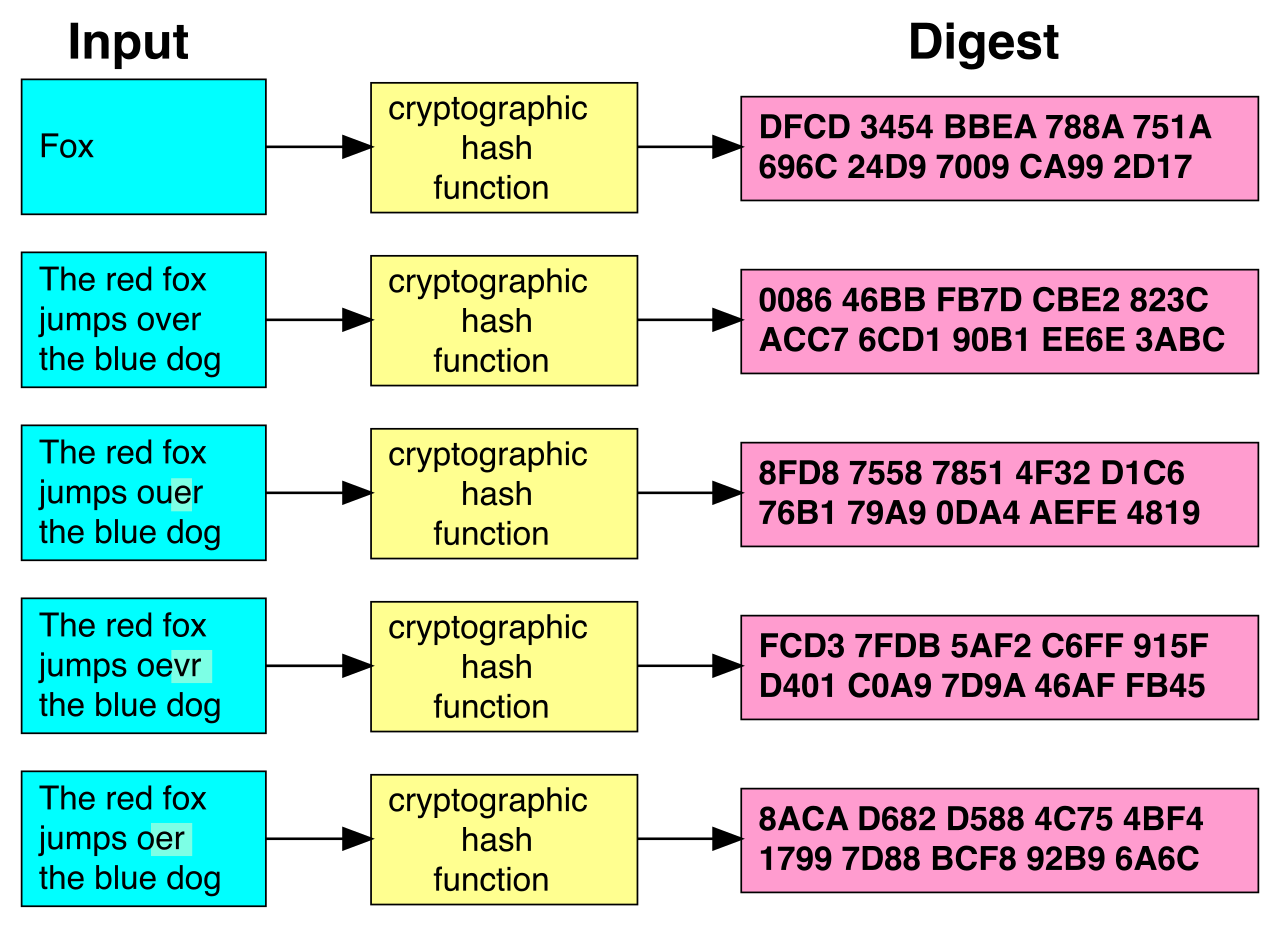
However, because the universe of possible inputs is infinite and the number of possible hash outputs is finite, mathematical duplicates must exist. A collision attack occurs when an attacker finds two completely different pieces of plaintext data that produce the exact same hash value.
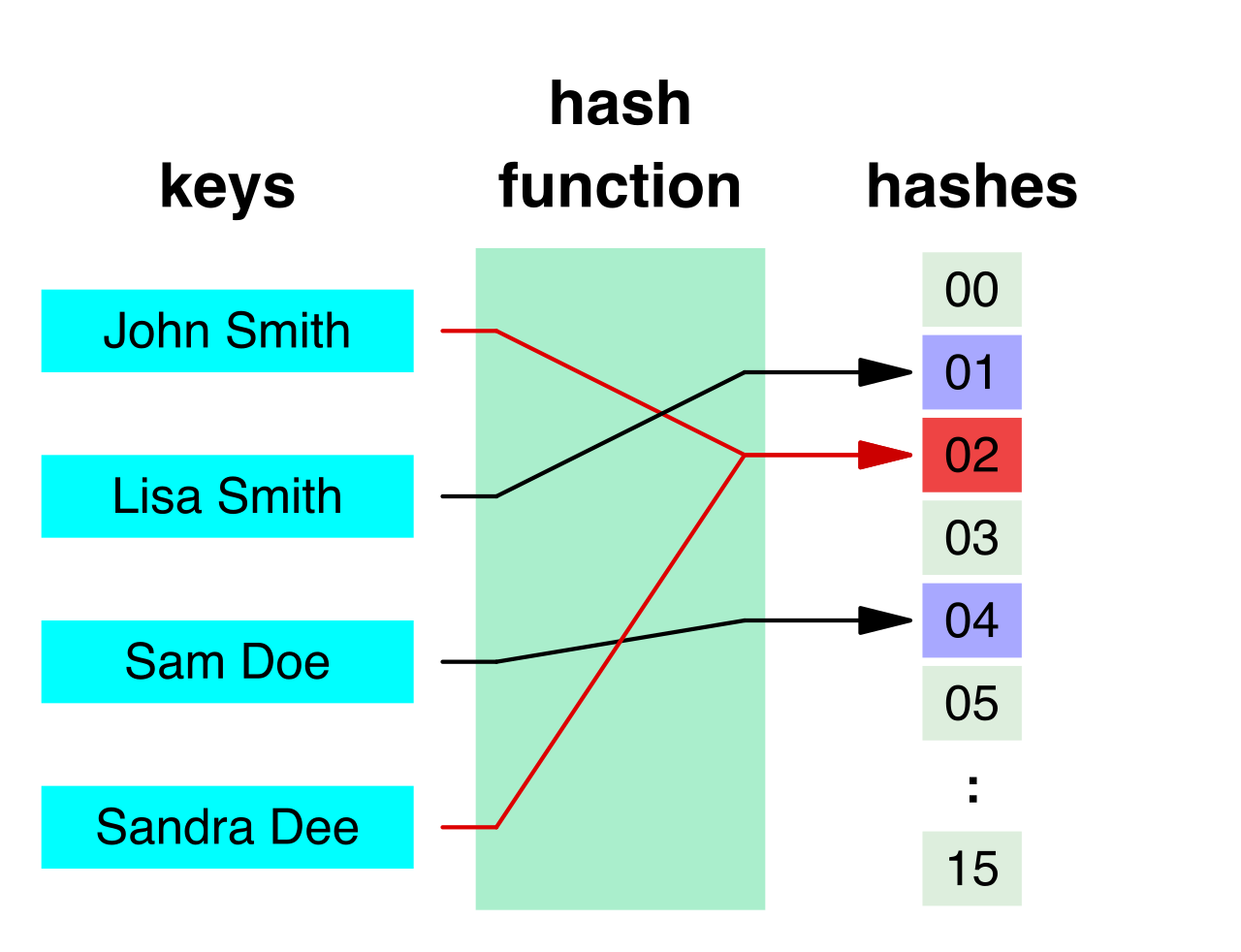
In a daily administrative context, software binaries and digital certificates are verified via hashes. A successful collision attack allows an adversary to substitute a malicious file or certificate for a legitimate one without altering the digital signature. The system checks the signature, sees the matching hash, and blindly executes the malware. Due to the rapid advancement in computing power, the MD5 and SHA-1 hashing algorithms are deprecated because they are computationally vulnerable to collision attacks.
To generate these collisions efficiently, adversaries do not blindly test one input against another. Instead, they rely on a statistical phenomenon. A birthday attack is a statistical method used to find hash collisions more quickly than testing every possible combination.
Consider the real-world "birthday paradox." If you want to find someone in a room who shares your exact birthday, you need 253 people to reach a 50% probability. But if you simply want any two people in the room to share a birthday, you only need 23 people. Why? Because you are comparing every individual against every other individual simultaneously. The birthday attack relies on the mathematical probability that two random inputs in a given group will produce the same hash output.
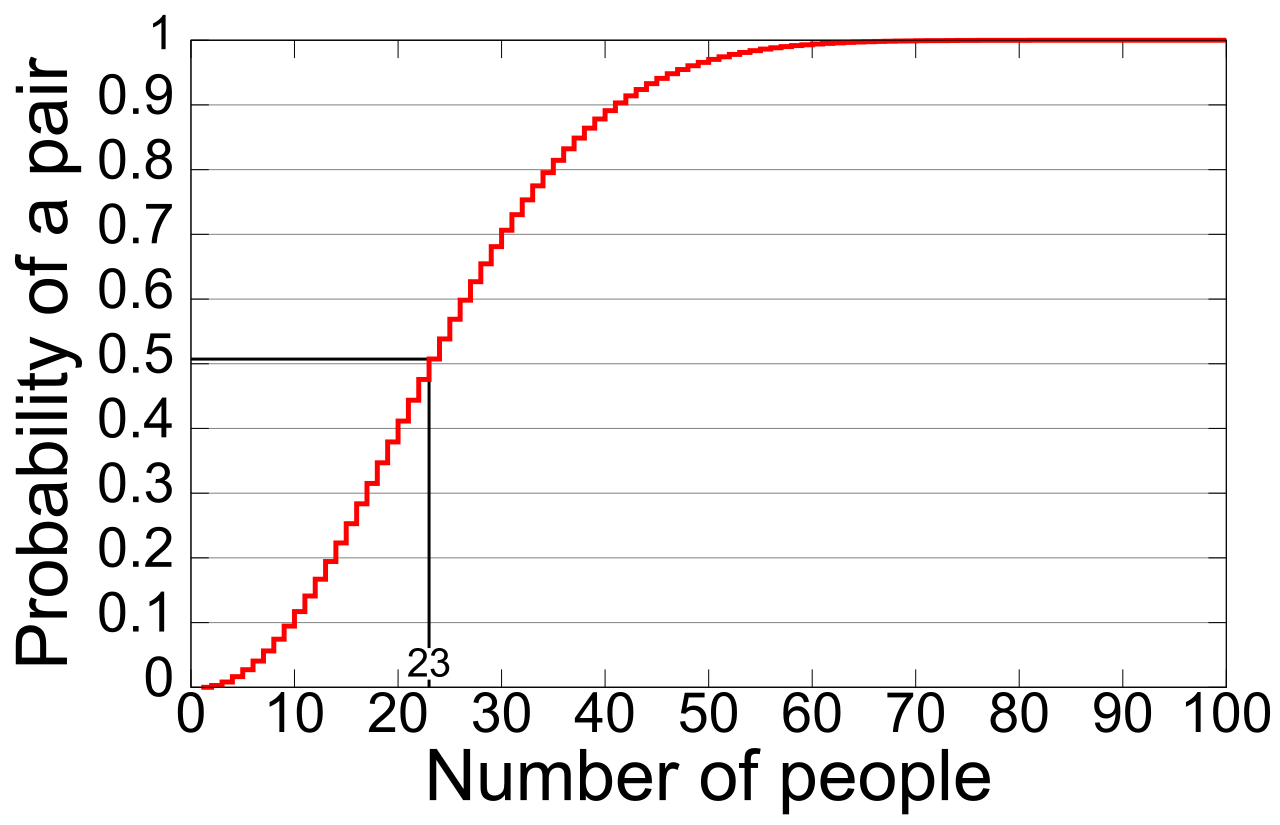
Because this statistical shortcut drastically reduces the time needed to find a collision, defenders must scale up the mathematics. Increasing the bit length of a cryptographic hash function directly increases the computational difficulty of executing a birthday attack. Transitioning from a 128-bit hash to a 256-bit hash (like SHA-256) increases the collision space so astronomically that a statistical birthday attack becomes practically impossible with current computational power.
If cryptography is the lock on the enterprise door, passwords are the keys handed out to the staff. Adversaries often realize that attempting to crack AES-256 encryption is a fool's errand when they can simply guess the administrator's password. Password attacks are categorized by their methodology and where they take place: online or offline.
The Live Battlefield: Online Attacks
An online attack occurs directly over the network against the target's active infrastructure. Online brute force attacks are performed directly against a live system's authentication interface. In this scenario, an attacker is actively sending traffic to your VPN gateway, email server, or web application.
A standard brute force attack involves systematically submitting all possible character combinations (A, B, C... AA, AB, AC...) until the correct password or cryptographic key is discovered. A slightly more refined approach is a dictionary attack, which attempts to guess a password using a predefined list of likely words, common phrases, and leaked passwords.
As a security professional monitoring a SIEM (Security Information and Event Management) dashboard, you must recognize the digital footprint of these assaults. Successive failed login attempts targeting a single account from the same IP address strongly indicate an online brute force attack.
Because online attacks generate massive amounts of noise and network traffic, they are easily mitigated. Account lockout policies and rate limiting are primary administrative defenses against online brute force attacks. If a system locks an account after five failed attempts, an online brute force attack is instantly neutralized.
Bypassing Lockouts: Password Spraying and Credential Stuffing
Adversaries, knowing that five failed attempts will lock an account, invert their strategy. Password spraying is an attack technique where an adversary attempts to log in to many different user accounts using a single commonly used password (e.g., Fall2026!).
Password spraying avoids triggering standard account lockout mechanisms by keeping the number of login attempts per account very low—perhaps only one attempt per account every 24 hours. Instead of attacking one user with a million passwords, the attacker targets a million users with one password.
- Indicator of Compromise (IoC): An indicator of a password spraying attack is a large volume of failed authentication events across many different user accounts within a short timeframe.
- Indicator of Success: A sudden spike in successful logins using the exact same weak password across multiple distinct accounts indicates a successful password spraying attack.
Another devastatingly effective online technique is credential stuffing. Humans are creatures of habit and frequently reuse the same username and password across multiple unrelated services. Credential stuffing uses automated scripts to inject stolen username and password pairs from previous data breaches into different website login pages. If a user's local gym forum is breached, the attacker will immediately stuff those exact credentials into enterprise Office 365 or AWS login portals.
| Attack Type | Target Scope | Methodology | Primary Mitigation |
|---|---|---|---|
| Traditional Online Brute Force | One Account | Many Passwords | Account Lockout |
| Password Spraying | Many Accounts | One Password | Strong Password Policies / MFA |
| Credential Stuffing | Many Accounts | Known Stolen Pairs | MFA / Breached Credential Blocking |
The Silent War: Offline Attacks
If an attacker manages to exploit a vulnerability and download the server's backend database, the attack moves offline. Offline brute force attacks target stolen password hash files on an attacker's local machine.
The fundamental advantage of an offline attack is environmental control. Because offline brute force attacks do not interact with the target organization's live authentication system, they are completely invisible to the victim's network monitoring tools. Consequently, offline brute force attacks bypass network-based account lockout mechanisms entirely. There is no Active Directory policy to lock the attacker out; they possess the raw data on their own hard drive.
Furthermore, offline brute force attacks are significantly faster than online brute force attacks due to the elimination of network latency. An online attack might be limited to 10 guesses per second due to internet routing and server processing time. Offline, an attacker utilizing clusters of high-end Graphics Processing Units (GPUs) can calculate billions of password hashes per second.

The Speed of Memory: Precomputation and Rainbow Tables
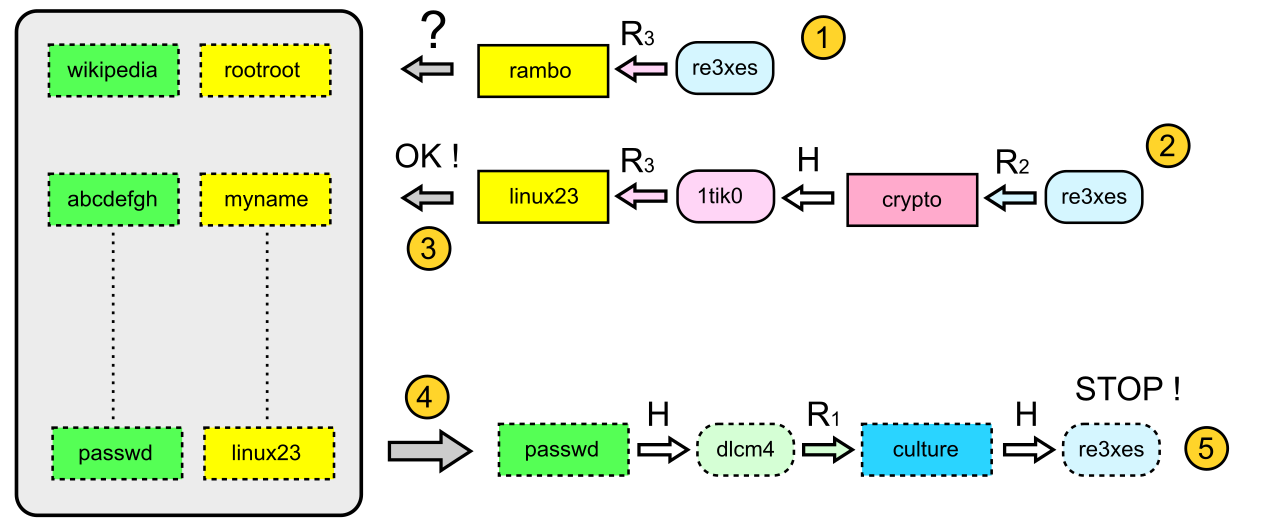
Even with powerful GPUs, hashing complex passwords takes time. Adversaries solve this by trading storage space for computational speed. A rainbow table is a massive precomputed database of plaintext passwords and the corresponding hash values of those passwords.
Instead of taking a guessed password, hashing it, and comparing it to the stolen database, the attacker simply takes the stolen hash and looks it up in their rainbow table index. If the hash exists in the table, the plain text password is known instantly. Therefore, rainbow tables significantly reduce the computational time required to crack password hashes compared to a traditional offline brute force attack.
The Antidote: Cryptographic Salts
If a rainbow table relies on a predictable, mathematical mapping of a word to a hash, defenders can destroy that predictability by introducing local randomness.
A cryptographic salt is a random data value appended to a plaintext password before the hashing algorithm is applied.
Imagine a user creates the password apple. Without a salt, the MD5 hash for apple will always be 1f3870be274f6c49b3e31a0c6728957f. This exact string is cataloged in every rainbow table on the internet.
However, if the system generates a random 16-character salt (e.g., Xy7#kL9@zQ1!pM4$) and appends it to the password (appleXy7#kL9@zQ1!pM4$), the resulting hash is completely altered. Applying a unique cryptographic salt to every user password renders precomputed rainbow tables completely ineffective. Even if two users choose the exact same password, their unique salts will ensure their hashes look entirely different in the database. To crack a salted database using precomputation, an attacker would have to generate a brand new, multi-terabyte rainbow table for every single user's unique salt—a computational and storage impossibility.