Effective Security Compliance and Privacy
Not sure you’re ready?
Take the ~3-minute readiness diagnostic and see where you stand.
Imagine engineering an impregnable digital vault, outfitted with AES-256 encryption, multifactor authentication, and real-time intrusion detection, only to have the government forcibly shut down your facility because you failed to file a zoning permit. In cybersecurity, configuring the technical controls—your firewalls, SIEMs, and access control lists—is only half the equation. The other half is compliance and privacy. You can build the most secure network on earth, but if it fundamentally violates the legal frameworks governing the data it holds, the system is a failure. Security protects data against unauthorized access; privacy and compliance ensure that your authorized access and usage are legally and ethically sound.
Before we can protect data, we must understand exactly what we are protecting. Data is not a monolithic entity; it carries different legal weights depending on what it describes.
At the most fundamental level, Personally Identifiable Information is any data that can be used to distinguish or trace an individual's identity. This includes obvious markers like Social Security numbers and biometric records, but also combinations of seemingly harmless data—like a zip code paired with a birth date—that can pinpoint a specific human being.
When data intersects with healthcare, the stakes elevate. Protected Health Information is any health information that can be linked to a specific individual. A list of blood types is not PHI, but a database correlating those blood types to patient names or medical record numbers absolutely is.
The Frameworks Governing Data
Globally, lawmakers have constructed rigorous frameworks to dictate how this information is handled. As an IT administrator, you are bound by these rules:
- The Health Insurance Portability and Accountability Act mandates data privacy and security provisions for safeguarding medical information in the United States. If you touch a hospital's network or a clinic's database, HIPAA dictates your baseline security posture.
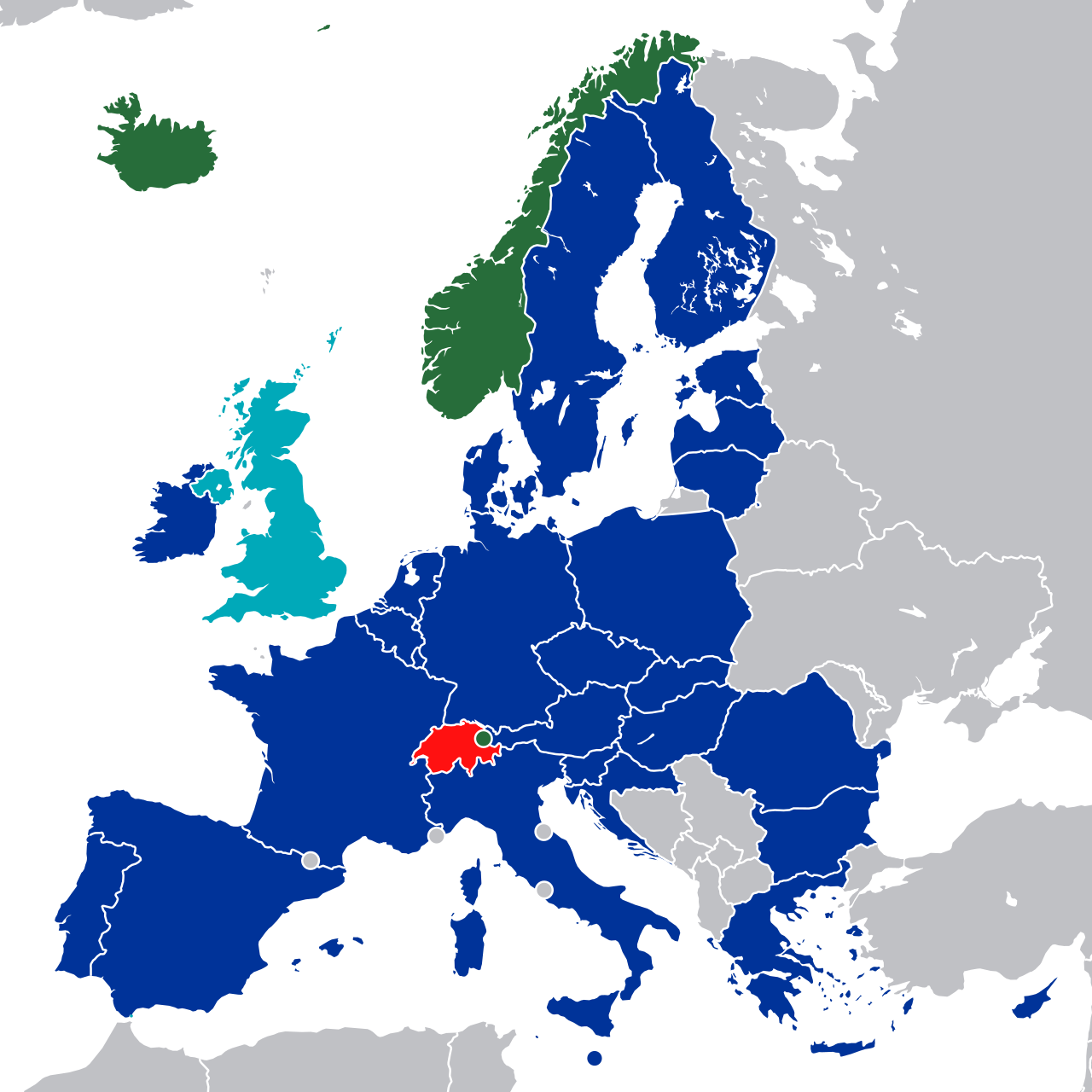
- The General Data Protection Regulation regulates data protection and privacy in the European Union and the European Economic Area. It fundamentally shifted global IT by defining data privacy as a fundamental human right.
- The California Consumer Privacy Act provides California residents with the right to know what personal data is being collected about them, forcing companies to maintain transparent data inventories.
Because data flows seamlessly across fiber-optic cables spanning oceans, cross-border data transfer regulations require organizations to ensure adequate data protection when moving personal data between different jurisdictions. You cannot bypass strict EU privacy laws simply by routing your database backups to a server rack in a less regulated country.
Why should a network engineer care about legal regulations? Because the fallout of non-compliance is not merely a slap on the wrist; it is often existential for the organization and its leadership.
The Cost of Failure A misconfigured AWS S3 bucket doesn't just result in an alert on a dashboard; it triggers a cascade of legal and financial ruin.
Consider the financial penalties. Non-compliance with the General Data Protection Regulation can result in fines up to 20 million Euros or four percent of a company's global annual turnover—whichever is higher. For a multinational corporation, that represents billions of dollars vaporized by a single security oversight.
But the consequences extend beyond mere fines:
- Loss of Revenue Infrastructure: Organizations failing to meet the Payment Card Industry Data Security Standard can lose the ability to process credit card transactions. For an e-commerce platform, this is an immediate death sentence.
- Loss of Business Licenses: Regulatory bodies can impose operational sanctions that restrict a non-compliant organization from conducting specific business activities. The government can literally unplug your operations.
- Market Destruction: Reputational damage from a compliance failure can lead to customer loss and decreased market value for an organization. Once public trust evaporates, rebuilding it takes decades.
- Personal Liability: In the most severe cases of gross negligence, non-compliance with the Health Insurance Portability and Accountability Act can result in criminal charges for executives.
To manage these massive risks, organizations cannot rely on vague concepts of "team responsibility." Privacy regulations demand precise definitions of who does what. Think of data management as a commercial supply chain.

The Data Subject is the origin point: the identified or identifiable living individual to whom personal data relates. They are the customer, the patient, the user.
The organization interacting with that individual is the Data Controller, an entity that determines the purposes and means of processing personal data. They are the architects who decide why the data is needed. However, the Controller often hires outside help—like a cloud provider or a payroll service. This third party is the Data Processor, who acts on behalf of the Data Controller to process personal data. If your company uses Microsoft Azure to host customer databases, your company is the Controller, and Microsoft is the Processor.
Within the Controller's organization, accountability is further divided:
- A Data Owner is a senior-level executive accountable for the protection and classification of a specific dataset. The VP of Human Resources is the Data Owner for employee records; they don't configure the firewalls, but they dictate how sensitive the data is.
- A Data Custodian is responsible for the technical implementation of security controls to protect data. This is typically you—the IT administrator or security engineer—managing the encryption keys, backups, and access control lists based on the Data Owner's requirements.
- A Data Protection Officer is an enterprise security leadership role required by the General Data Protection Regulation to oversee data protection strategy and implementation. They operate independently, acting as an internal regulator to ensure the company doesn't sacrifice privacy for profit.
You cannot bolt privacy onto a network after it is built. It must be woven into the architecture. This begins before a single line of code is written or a server is spun up.
Whenever a new system is proposed, security teams conduct a Privacy Impact Assessment, which evaluates how personally identifiable information is collected used and maintained within an information technology system. It asks the hard questions: Do we really need this data? Where does it live? Who has access?
The golden rule of these assessments is data minimization, which is the practice of collecting only the personal data strictly necessary for a specific purpose. If an app only needs an email address to function, but also requests the user's precise GPS location and birthdate, it is violating data minimization principles and creating unnecessary liability.
Cryptographic and Obfuscation Controls
When we must store sensitive data, we use specific technical controls to render it useless to attackers. While they may seem similar at a glance, their mechanics and use cases are distinct:
| Technique | How It Works | Typical Use Case |
|---|---|---|
| Anonymization | Permanently alters data so that individuals can no longer be identified from the dataset. This is a one-way street; the original data is destroyed. | Medical research where demographic trends are needed, but patient identities must be permanently erased. |
| Pseudonymization | Replaces sensitive identifying information with artificial identifiers or aliases to reduce privacy risks. Unlike anonymization, this is reversible if you hold the decryption key, which is kept strictly separated. | Software testing environments where developers need realistic user profiles but shouldn't see actual customer names. |
| Data Masking | Obscures specific sensitive data elements while maintaining the authentic look and format of the data. | Displaying a credit card on a receipt or web portal as ****-****-****-4123. |
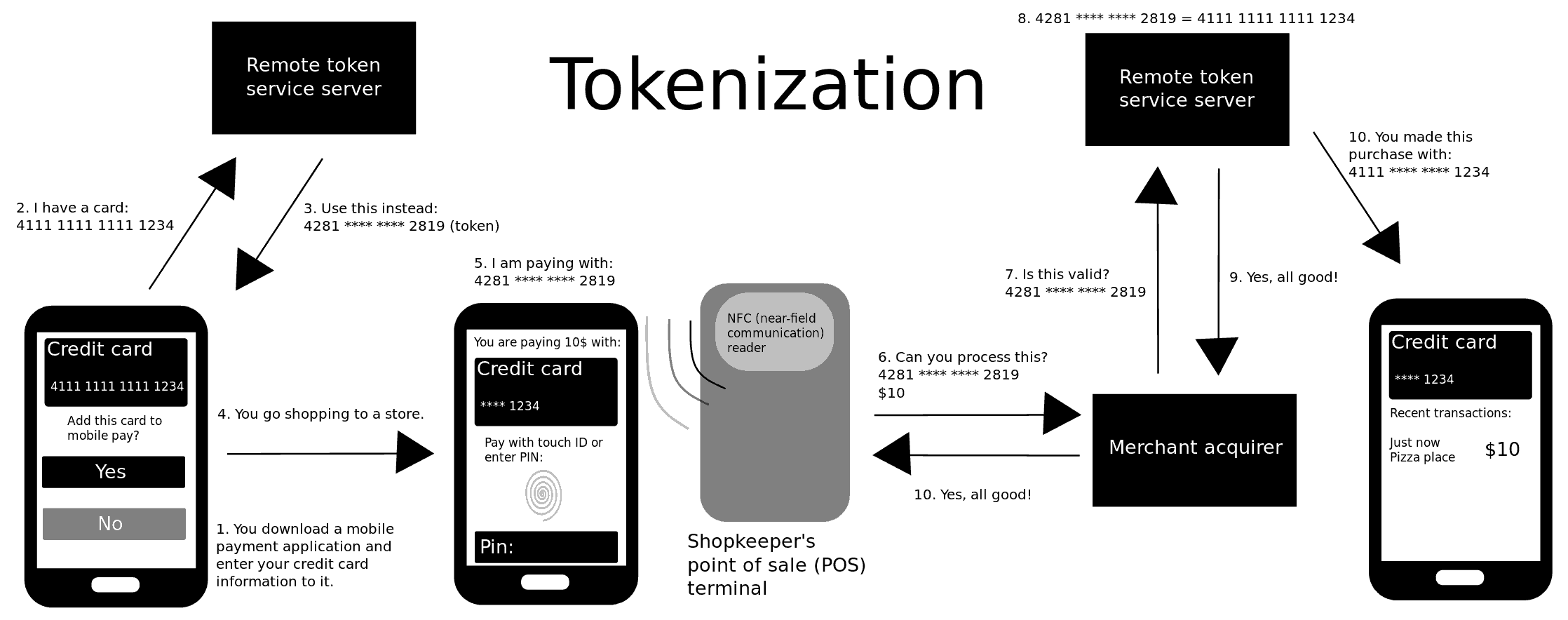
| Tokenization | Substitutes sensitive data elements with non-sensitive equivalents that have no extrinsic or exploitable meaning. | Think of tokenization like handing your coat to a cloakroom attendant. You get a numbered ticket (the token). The ticket has no value outside the restaurant. Payment gateways use tokens so merchants don't have to store actual credit card numbers. |
It is not enough to implement these controls; you must mathematically and administratively prove they are functioning. "Trust me" is not an acceptable security posture.
To achieve this, we rely on continuous monitoring, which involves the automated ongoing assessment of security controls to ensure continuous compliance with security policies. This means configuring Security Information and Event Management (SIEM) systems and Cloud Security Posture Management (CSPM) tools to trigger alerts the millisecond an S3 bucket is accidentally made public or an unauthorized port is opened.
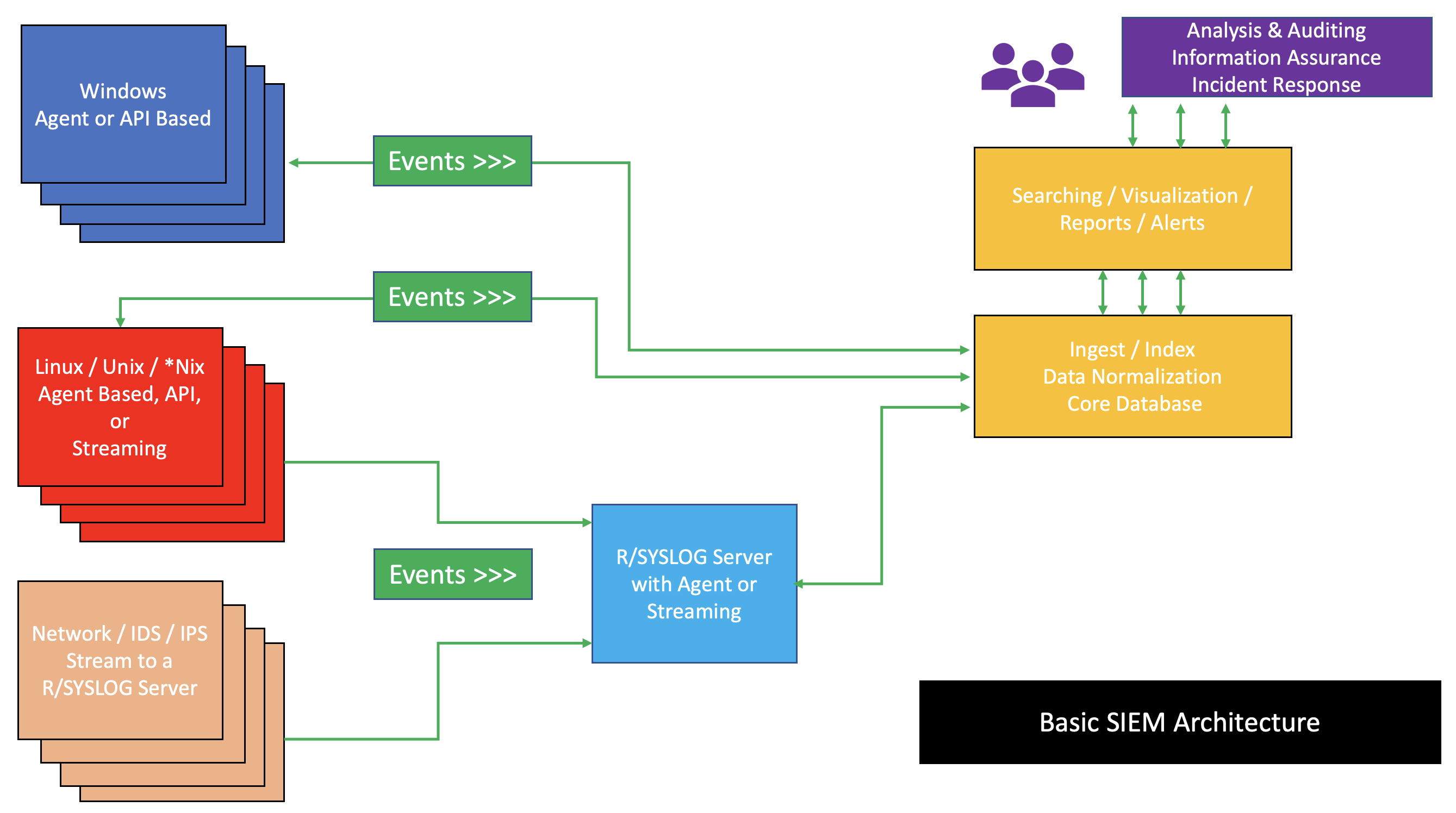
Periodic deep dives supplement this continuous oversight. Internal audits are independent assessments conducted by an organization's own staff to evaluate the effectiveness of internal security controls. They are the "mock exams" before the real test.
The real test comes in the form of external audits, which are conducted by independent third-party organizations to verify an organization's compliance with industry regulations. An external auditor has no vested interest in your company's success; their job is purely to find the gaps.
The culmination of this effort is compliance reporting, which provides documented evidence to stakeholders and regulatory bodies that specific security requirements have been met. These reports transform complex technical configurations into business assurance.
Finally, effective privacy relies on transparent communication. The legal bridge between your internal network operations and the outside world is the privacy notice, an external communication detailing how an organization collects uses shares and retains personal data. It is a binding contract. If your IT systems process data in a way that contradicts your privacy notice, you are operating illegally.
If those defenses fail, the law mandates a data breach notification, a legal requirement to inform affected individuals and regulatory bodies when sensitive data is compromised. In many jurisdictions, the clock starts ticking the moment you discover the breach—often giving you a mere 72 hours to report it.
Empowering the User
Modern compliance regulations shift power away from corporations and back to the individual. As an IT professional, you must engineer your databases and applications to facilitate these mandatory user rights:
- The Right of Access allows individuals to request a copy of their personal data being processed by an organization. Your systems must be capable of quickly querying and exporting a user's entire footprint.
- The Right to Rectification gives individuals the ability to correct inaccurate or incomplete personal data held by an organization.
- The Right to Data Portability allows individuals to obtain and reuse their personal data across different services. You must be able to provide their data in a structured, commonly used, machine-readable format (like JSON or CSV).
- The Right to Erasure (often called the "Right to be Forgotten") allows individuals to request the deletion of their personal data. This is notoriously difficult in complex IT environments. If a user invokes this right, you cannot simply delete their active profile; you must hunt down their data in analytics databases, marketing tools, and ensure it isn't resurrected by your automated network backups.
In the modern landscape, a successful security posture doesn't just build high walls to keep attackers out. It meticulously organizes, minimizes, and respects the data kept inside.