Zero Trust Architecture and Gap Analysis
Not sure you’re ready?
Take the ~3-minute readiness diagnostic and see where you stand.
Historically, network security operated under a simple, medieval assumption: a strong perimeter, fortified by a firewall, protected a trusted interior. Once an entity crossed the moat and entered the network, it was implicitly trusted to roam the castle halls. Today, that model is not just obsolete; it is structurally dangerous. Distributed cloud environments, remote workforces, and sophisticated credential theft mean the call is often coming from inside the house. Modern cybersecurity requires dismantling the assumption of interior safety and replacing it with a rigorous, continuous verification system. Achieving this transition demands two distinct competencies: a philosophical and structural shift toward a Zero Trust Architecture, and a methodical evaluation process known as a gap analysis to map the journey from current vulnerabilities to a resilient target state.
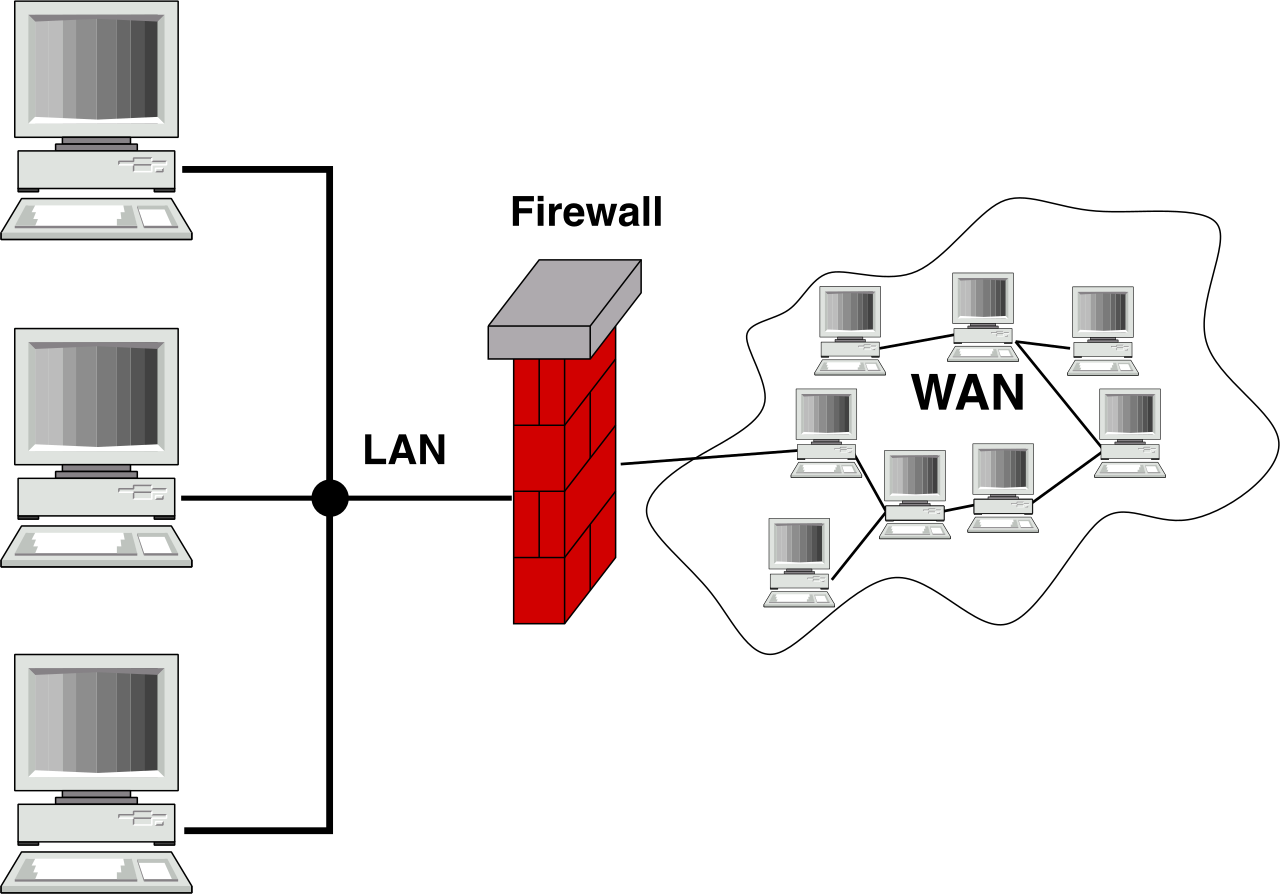
To understand how modern networks defend themselves, we must redefine the word "trust." In legacy networks, if you plugged your laptop into an Ethernet jack at the corporate headquarters, you were granted broader access than if you connected from a coffee shop.
Zero Trust Architecture (ZTA) eliminates the concept of implicit trust based on network boundaries. Instead, it operates on a singular, foundational principle: 'never trust, always verify.'
If you want to understand the definitive rulebook for this philosophy, look to the National Institute of Standards and Technology. NIST Special Publication 800-207 provides the foundational framework for Zero Trust Architecture. Under this framework, the very idea of a "trusted internal network" is abolished. A Zero Trust Architecture does not grant trust based on a subject's physical or network location. Whether your Chief Financial Officer is sitting in the corner office on the company LAN or at an airport halfway across the world, their access request is treated with the exact same level of scrutiny.
The Mechanics of Continuous Scrutiny
How do we actually enforce this in the real world of operating systems and routing protocols? ZTA relies on granular, relentless validation.
Access to resources in a Zero Trust Architecture is granted strictly on a per-session basis. You do not log in at 8:00 AM and retain a golden key for the rest of the day. A Zero Trust Architecture continuously validates user identity throughout an active session. If an administrator suddenly attempts to download a massive database they've never accessed before, the system requires re-authentication.
Furthermore, identity isn't just about the human—it is also about the machine. A Zero Trust Architecture continuously monitors the security posture of all accessing devices. If a previously trusted laptop suddenly disables its antivirus or misses a critical OS patch, its trust is immediately revoked.
Containing the Breach: Microsegmentation
Imagine a submarine. If the hull is breached, water doesn't flood the entire vessel. The crew seals watertight doors, containing the flood to a single compartment.
This is the principle behind microsegmentation, which divides a network into smaller isolated security zones. Instead of flat networks where a compromised web server allows an attacker to pivot easily to an active directory domain controller, Zero Trust Architecture utilizes microsegmentation to restrict lateral movement within a network. Even if an attacker successfully compromises one workload, they are trapped in that specific microsegment, unable to traverse the broader enterprise.
To orchestrate this massive, continuous verification without paralyzing the network, Zero Trust Architecture divides its operations into two distinct domains: the control plane and the data plane.
Think of the control plane as the air traffic control tower, and the data plane as the actual runways and flight paths.
The Control Plane
The Zero Trust control plane is the logical framework responsible for determining network access policies. It is the overarching intelligence of the system. The Zero Trust control plane handles the authentication and authorization of subjects, figuring out exactly who is asking for what, and whether they should be allowed to have it. Ultimately, the Zero Trust control plane instructs the data plane to allow or deny a network connection.
The Data Plane
The Zero Trust data plane represents the infrastructure where actual network traffic flows. It consists of the switches, routers, proxies, and cables that push packets from Point A to Point B. Simply put, the Zero Trust data plane facilitates data transfer between subjects and enterprise resources—but only when the control plane allows it.
Crucial Concept: The data plane does no thinking; it only executes. The control plane handles all the thinking, but touches none of the actual application data.
If we crack open the control and data planes and look at the gears turning inside, we find three specific, interacting components defined by NIST 800-207.
1. The Policy Engine (PE)
Residing firmly in the control plane, the Policy Engine is the Zero Trust component responsible for making the ultimate resource access decision. It is the master judge.
How does it decide? The Policy Engine calculates trust scores based on enterprise policies and external threat intelligence. It aggregates data: Is this user's password compromised on the dark web? Is the device corporate-owned? Is the geolocation plausible? Based on this massive calculus, the PE renders a verdict: Grant or Deny.
2. The Policy Administrator (PA)
Also residing within the control plane, the Policy Administrator executes the access decision made by the Policy Engine.
If the Policy Engine is the judge, the Policy Administrator is the clerk of the court. Once the PE approves the connection, the Policy Administrator generates necessary authentication tokens to facilitate access. It then passes these cryptographic instructions down to the infrastructure layer.
Note for the exam: Remember that both the Policy Engine and Policy Administrator reside within the control plane of a Zero Trust Architecture.
3. The Policy Enforcement Point (PEP)
Down in the data plane, we find the bouncer at the door: the Policy Enforcement Point.
The Policy Enforcement Point resides strictly within the data plane of a Zero Trust Architecture. It is the only component of the three that actually touches user traffic. The Policy Enforcement Point acts as the direct gatekeeper for enterprise resources.
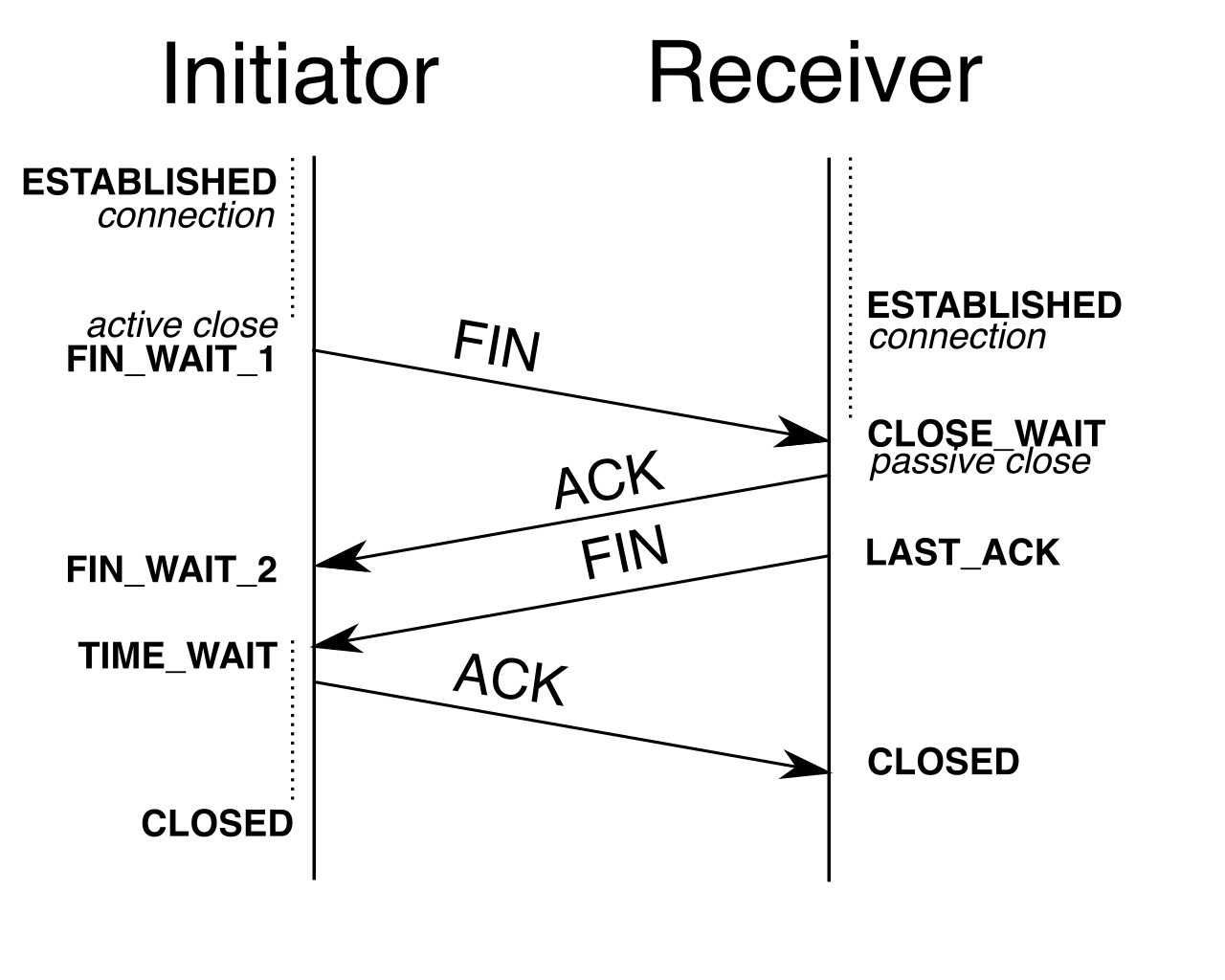
When the PA passes down an authentication token, the Policy Enforcement Point enables connections between a subject and an enterprise resource. But its job isn't just to open the door; it also slams it shut. The Policy Enforcement Point terminates connections upon policy violation or session expiration. If the Policy Engine suddenly calculates a drop in a device's trust score, it signals the PA, which signals the PEP to instantly sever the active TCP session.
| Component | Location | Primary Function |
|---|---|---|
| Policy Engine (PE) | Control Plane | Evaluates threat intel & policies to make the ultimate access decision. |
| Policy Administrator (PA) | Control Plane | Executes the PE's decision by generating/revoking access tokens. |
| Policy Enforcement Point (PEP) | Data Plane | The physical/logical gatekeeper that enables or terminates the actual data connection. |
Understanding Zero Trust is only half the battle for an IT professional. The harder part is looking at your messy, legacy, interconnected enterprise network and figuring out how to transition to this modern architecture. You cannot buy a "Zero Trust" in a box and plug it in over the weekend.
You must systematically evaluate where you are and where you need to be. This is done through a gap analysis.
A gap analysis is a formal assessment comparing an organization's current security posture against a target state. Its value lies in illuminating the unknown. A security gap analysis helps organizations uncover unmitigated vulnerabilities within existing infrastructure that administrators might otherwise overlook. The primary goal of a security gap analysis is to identify missing security controls.
Step 1: Define the Future State
You cannot map a route without a destination. The first step in conducting a gap analysis is defining the desired future state.
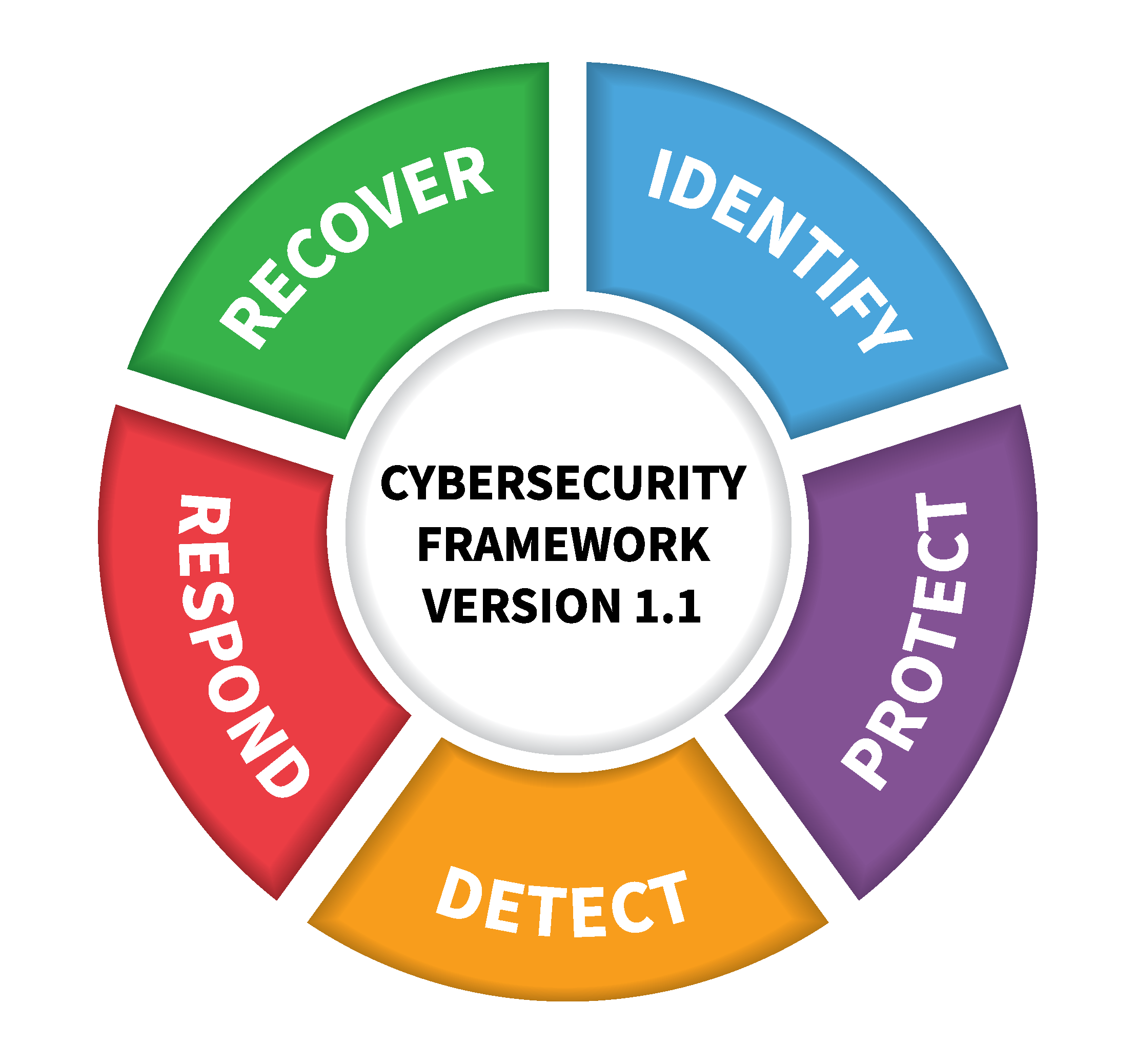
Instead of guessing what a secure network looks like, professionals rely on established blueprints. The desired future state in a gap analysis is often based on standardized frameworks like the NIST Cybersecurity Framework (CSF), or the specific Zero Trust maturity models we discussed earlier.
Step 2: Assess the Current State
Once you know the destination, you must ruthlessly audit your current environment. This requires examining two distinct layers of the organization:
- Administrative Policies: You cannot secure a network with technology alone. An organization evaluates existing administrative policies during the current state assessment phase of a gap analysis. This means reading incident response plans, reviewing password rotation requirements, and assessing offboarding procedures for departing employees.
- Technical Controls: Next, you look at the blinking lights. An organization evaluates existing technical controls during the current state assessment phase of a gap analysis. Do your current firewalls support microsegmentation? Do you have an Identity and Access Management (IAM) solution capable of continuous validation?
Step 3: Identify the Gap and Remediate
The space between your current reality and your NIST-backed future state is "the gap." This is where you find your missing controls.
The output of this exhaustive process is a formal document. However, a list of fifty massive security flaws is overwhelming and useless without direction. Therefore, a gap analysis report provides a prioritized remediation plan.
In the real world of limited IT budgets and finite time, you must fix the most critical, highest-risk vulnerabilities first. A gap analysis remediation plan details actionable steps to achieve the target security state. It won't just say, "Implement Zero Trust." It will say: "Phase 1: Deploy Multi-Factor Authentication for all VPN access points within 30 days to mitigate credential stuffing risks."
_(42286852310).jpg)
As a cybersecurity professional, your job is not just to understand technologies in isolation, but to understand how they weave together to form a defensible enterprise. Zero Trust Architecture provides the resilient, paranoid framework necessary to survive in a hostile digital landscape. The Gap Analysis provides the map, the compass, and the prioritized blueprint to actually build it. Master both, and you move from simply maintaining systems to actively engineering trust.