California Producer Licensing, Appointment & Continuing Education
Not sure you’re ready?
Take the ~3-minute readiness diagnostic and see where you stand.
At its core, insurance is an invisible product—a contractual promise printed on paper, exchanging current capital for future security in the face of catastrophe. Because this transaction relies entirely on trust, the state does not allow just anyone to make that promise on behalf of an institution. The California Department of Insurance, acting as the primary state agency regulating the insurance industry, enforces a rigorous framework of rules to ensure that those who sell these promises are competent, solvent, and honest. Overseeing this immense machinery is the Insurance Commissioner, an elected official tasked with enforcing the state insurance code and protecting the public.
To legally bind these financial promises, you must understand the rules of your own authorization. Let us examine the mechanics of California producer licensing, from the day you apply to the ongoing requirements that keep your practice in good standing.
Before you can solicit a single policy, you must meet the state’s baseline criteria. An applicant must be at least 18 years old to obtain a California resident insurance producer license. Because you will be handling sensitive medical and financial data, California requires all new insurance producer license applicants to be fingerprinted for a criminal background check.

Education is your next hurdle. As of 2026, California requires new producer license applicants to complete a 12-hour Ethics and California Insurance Code prelicensing course. Crucially, this 12-hour Ethics and Code prelicensing requirement applies regardless of the specific line of authority being requested. It is the universal foundation of your practice.
Lines of Authority
Insurance is divided into specialized domains. A single individual can hold both a Life-Only license and an Accident and Health license concurrently, but they grant distinct powers:
- Life-Only Agent: Authorized by the California Department of Insurance to transact life insurance, endowments, and fixed annuities.
- Accident and Health Agent: Authorized to transact coverage for sickness, bodily injury, accidental death, and disability income.
Crucial Distinction: Agents vs. Brokers California law does not permit the issuance of a "broker" license for life insurance or health insurance. All licensed individuals transacting life or health insurance in California legally represent the insurer and act exclusively as agents. You do not represent the client against the carrier; you are the carrier's authorized representative in the field.
A license grants you the capacity to sell insurance, but an appointment grants you the authority to sell for a specific company. A producer must hold an active appointment from an admitted insurer to officially act as an agent of that specific insurer. Insurance carriers file official notices of appointment electronically with the California Department of Insurance.
There is a mechanical difference in how appointments work depending on your line of authority:
- Life and Health Agents: California law allows Life and Health agents to present proposals and submit applications to an insurer prior to holding a formal appointment with that insurer. If an unappointed Life or Health agent submits an application, the insurer must file an appointment within 14 days of issuing a policy.
- Property and Casualty Agents: In stark contrast, Property and Casualty agents must be formally appointed by an insurance carrier before soliciting business or binding coverage.
Inactive Status and Terminations
An insurance carrier can officially terminate a producer's appointment by electronically filing a notice of termination with the Commissioner. However, if a producer's appointment is explicitly terminated for cause (such as fraud or theft), the carrier must notify the Commissioner within 30 days.
If your last active appointment is terminated, your license does not disappear, but it changes state. A producer's license is automatically placed on inactive status if the producer does not have any active appointments on file. A producer with an inactive license is strictly prohibited from transacting any new insurance business. You can, however, maintain an inactive license in good standing by paying the required renewal fees and completing all continuing education requirements until you secure a new appointment.
A California resident insurance license is issued for a two-year term. It expires on the last day of the month it was initially issued, exactly two years later. To maintain it, you must operate transparently.
Notification Requirements
The Commissioner must always know who you are and where you are. A licensee must immediately notify the Commissioner of any change in:
- Residence address
- Principal business address
- Mailing address
- Registered email address
These licensee address and email changes must be submitted to the California Department of Insurance using an approved electronic service.
Your legal background is equally critical. A licensee must notify the Insurance Commissioner in writing within 30 days of any changes in the licensee's background information. Background information changes requiring 30-day notification include new misdemeanor convictions, felony convictions, or administrative actions taken against you by other agencies.
Furthermore, California producers must maintain all transaction and business records for a minimum of five years. The state can audit your paper trail at any time to verify compliance.
Marketing and Public Perception
When you advertise, the state requires absolute clarity so the public knows exactly who they are dealing with.
- A producer must print the producer's official license number on all business cards, written price quotes, and printed advertisements.
- This printed license number on marketing materials must be exactly the same size type as any telephone number or address printed on the material.
- A producer must obtain prior approval from the Commissioner before conducting business under any fictitious or assumed name (a "DBA"). The Commissioner may reject a proposed fictitious business name if the name is misleading or implies an affiliation with a government agency.
- Finally, California absolutely prohibits the use of a true or fictitious name that leads the public to incorrectly believe the producer is an insurance company. You are the agent, not the underwriter.
When a client hands you a premium payment, that money is not yours. A producer acts in a fiduciary capacity when collecting premiums and must not commingle insurance premiums with personal funds.
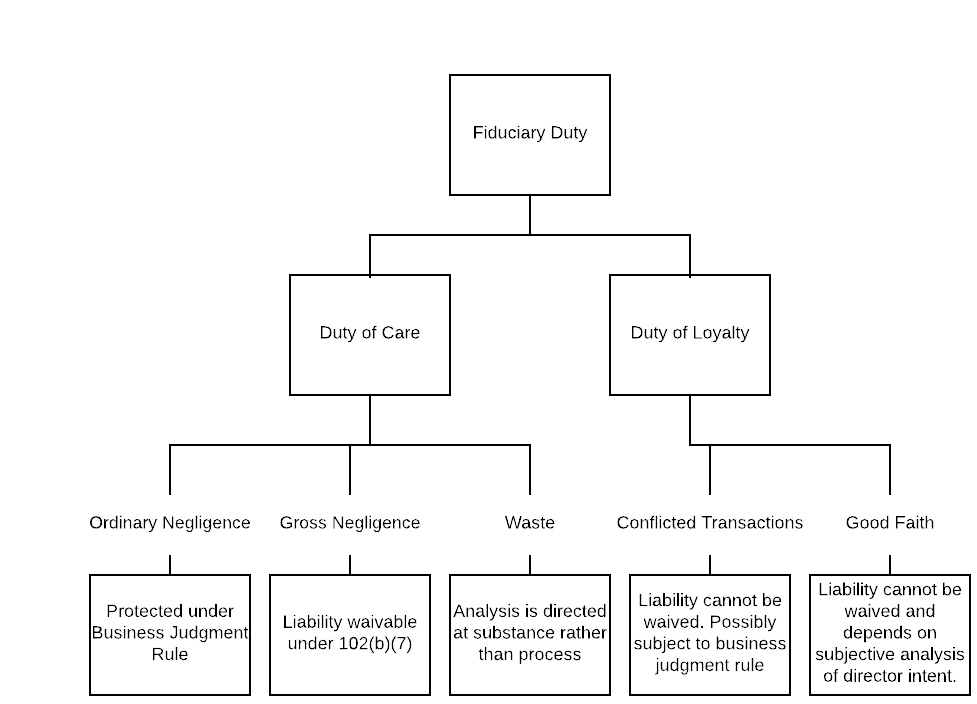
California producers must promptly remit collected premiums to the insurer or maintain the funds in a dedicated trust account. Diverting or misappropriating fiduciary funds for personal use is considered theft and constitutes grounds for immediate license revocation.
Additionally, to prevent the corruption of the insurance marketplace, California law strictly prohibits offering "free insurance" as an inducement to purchase or rent real or personal property. Insurance must be purchased on its own merits, never weaponized as a commercial bribe.
The financial landscape evolves, and your knowledge must evolve with it. California resident producers must complete 24 hours of continuing education during every two-year license term.
Embedded within those 24 hours are specific mandates:
- The 24-hour continuing education requirement must include exactly 3 hours of approved ethics training.
- This 3-hour continuing education ethics requirement must include at least 1 hour of state-approved anti-fraud education.
Specialized Product Training
Certain products are complex and carry profound consequences for a client's life savings or end-of-life care. The state requires specialized training to sell them.
| Product Type | Initial Training Requirement | Ongoing Training Requirement |
|---|---|---|
| Annuities | One-time, 8-hour training course prior to soliciting any annuity applications. | 4-hour annuity CE course during each subsequent two-year license term. |
| Long-Term Care (LTC) | One-time, 8-hour training course before soliciting LTC products. | If licensed ≤ 4 years: 8 hours annually.<br>If licensed > 4 years: 8 hours every two-year term. |
| Life Insurance (Non-Term) | One-time, 4-hour life insurance training course prior to selling non-term life policies. | No ongoing specific requirement beyond general CE. |
Continuing Education Exemptions
The state recognizes sustained mastery. California producers who are at least 70 years old AND have held a license in good standing for 30 continuous years are exempt from general continuing education requirements. However, producers who qualify for this age and experience exemption must still complete the specialized training requirements for annuities and long-term care products.
For out-of-state agents, non-resident producers are exempt from California-specific general continuing education requirements if the non-resident producer complies with the CE requirements of their home state. Yet, the same specialized rule applies: non-resident life producers selling annuities or long-term care in California must complete California's specific training requirements for those products.
Holding an insurance license is a privilege granted by the state, not a constitutional right. Transacting the business of insurance without a valid license is classified as a misdemeanor offense under California law.
For those who hold a license, the Commissioner wields broad disciplinary authority. The Commissioner may impose monetary fines in addition to, or in lieu of, license suspension or revocation.
Grounds for Discipline
A producer license can be suspended or revoked if the licensee commits unfair trade practices, or if the licensee is legally found incompetent or untrustworthy in the conduct of business.
The Commissioner may deny, suspend, or revoke a producer license if the applicant obtained the license through fraud or material misrepresentation.
Summary Denials (Without a Hearing)
Usually, an agent is entitled to a formal hearing before disciplinary action is finalized. However, there are two distinct scenarios where the Commissioner may deny a license application without a formal hearing:
- The applicant was previously convicted of a felony offense.
- The applicant had an insurance license revoked within the past five years.
License Termination and Surrender
If the worst occurs and a license is revoked or canceled, a producer must immediately surrender the physical license document to the Commissioner.
Not all terminations are punitive. A licensee may voluntarily surrender an insurance license to the Commissioner at any time. Finally, because an insurance license represents the personal competence and authority of the individual who earned it, an insurance license automatically terminates upon the death of the licensee.