Group Health Insurance
Not sure you’re ready?
Take the ~3-minute readiness diagnostic and see where you stand.
Imagine outfitting an entire symphony orchestra with custom formalwear. If you measure every single musician, evaluate their individual posture, and tailor each suit to the exact millimeter, the process takes months and costs a fortune. If, instead, you evaluate the orchestra's overall demographics—mostly adults, average height, standard build—you can negotiate a single bulk order that fits everyone adequately at a fraction of the cost.
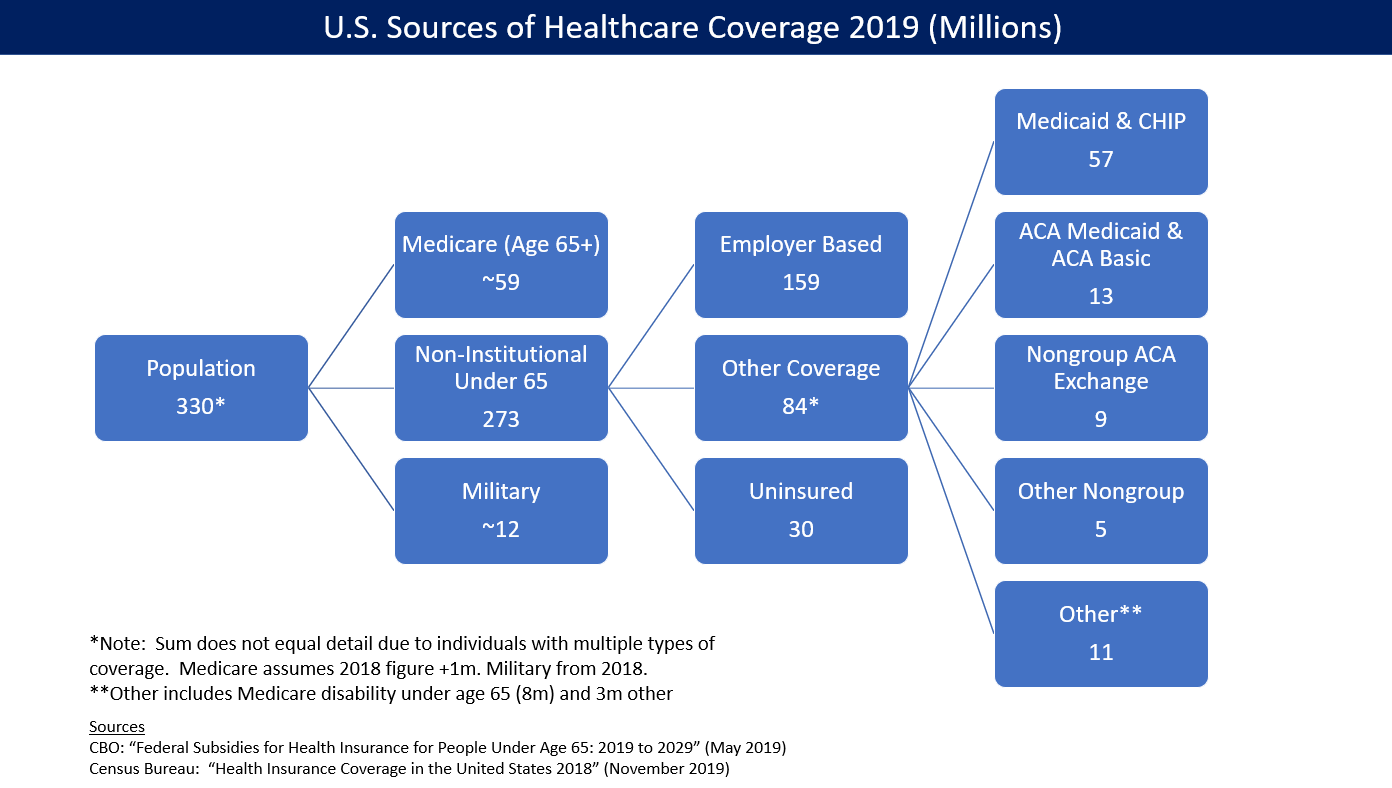
Health insurance operates on the exact same principle. While individual health insurance scrutinizes a single person's medical history to price their unique risk, group health insurance evaluates the collective risk of an entire population. By aggregating risk, insurers can bypass individual medical underwriting entirely, fundamentally changing how coverage is structured, priced, and administered. For an insurance producer, mastering these mechanics is not just about passing an exam; it is about understanding the bedrock of the American healthcare system, where the vast majority of working adults receive their coverage.
When an individual buys a health insurance policy, it is a two-party contract between the insurance company and the insured. Group insurance introduces a third party and completely alters the legal architecture.
Group health insurance provides coverage for a group of people under a single master contract. Because a corporation or organization is sponsoring the plan, this single contract is known as the master policy.
Crucially, the master policy is issued directly to the group sponsor (typically an employer). In the eyes of the law, the group sponsor acts as the policyowner. Therefore, the individual employee is not a legal party to the master group health insurance contract. They do not own the policy; they simply benefit from it.
If the employee does not own the policy, how do they prove they have insurance at the doctor's office? Individuals covered under a group health insurance plan receive a certificate of coverage. This document (and the physical ID card that usually accompanies it) serves as evidence that an individual is insured under the group plan.
Core Concept: The Contractual Divide The Employer owns the Master Policy. The Employee holds the Certificate of Coverage.
In individual insurance, the underwriter uses blood tests and medical records to evaluate the precise risk of one human body. Group health insurance underwriting takes a statistical approach, evaluating the group as a whole rather than assessing individual members. Consequently, individual medical examinations are generally not required for group health insurance enrollment.
Instead of looking at cholesterol levels, group underwriters evaluate a group's macroscopic characteristics to determine premiums: size, average age, and gender composition.
Pricing the Risk: Experience vs. Community Rating
Once the underwriter understands the group's demographics, they must assign a premium rate. They will use one of two primary methodologies:
- Experience Rating: This determines group health insurance premiums based on the historical claims experience of that specific group. If a 500-person tech company has a workforce that frequently utilizes expensive orthopedic surgeries, their premium will go up next year. The group's own past "experience" dictates their future cost.
- Community Rating: This determines premiums based on the claims experience of a geographic region or broad risk pool. Instead of looking at the specific tech company's claims, the insurer looks at the medical costs for all tech companies in that zip code. Small employers are typically subject to community rating because their individual group size is too small to yield statistically reliable claims data.
The Underwriter's Secret Weapon: Turnover
If you are running a business, employee turnover is a nightmare. It means lost productivity and high training costs. But if you are a group health underwriter? A high employee turnover rate is viewed favorably.
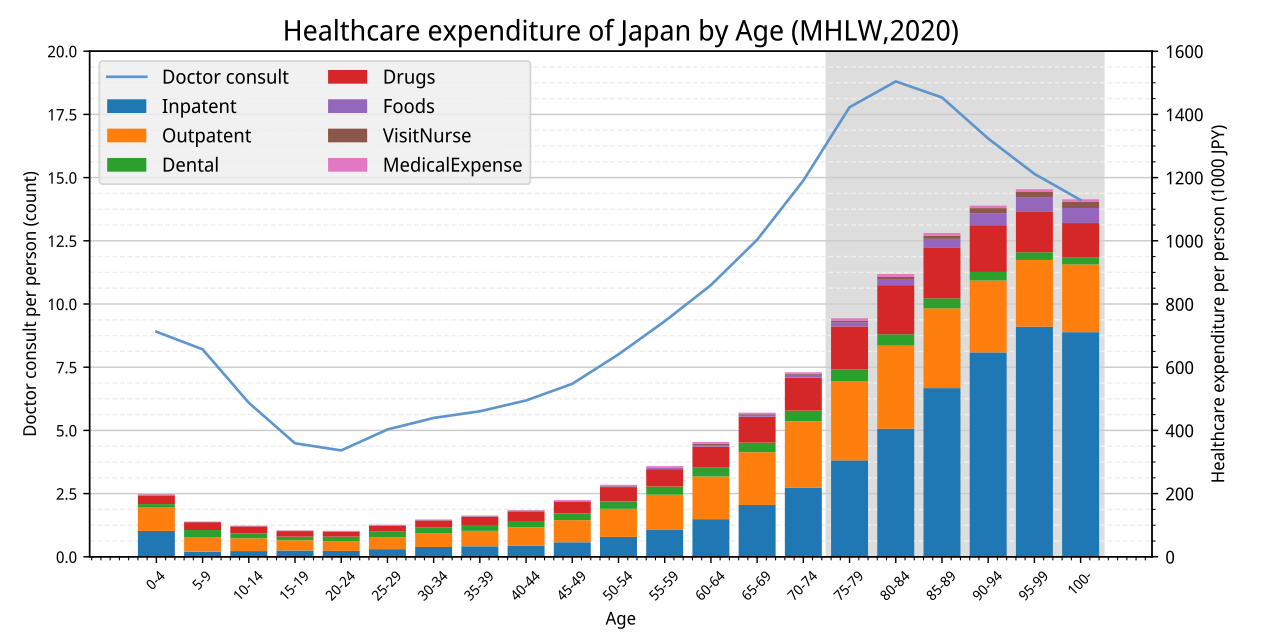
Why? Because human beings generally require more healthcare as they age. When an older employee retires or leaves the company, they are almost always replaced by a younger, healthier employee at the bottom of the corporate ladder. High turnover creates a continuous influx of fresh, low-risk participants into the insured pool, stabilizing the group's overall risk profile.
Defending Against Adverse Selection
Because there are no medical exams, group plans are highly vulnerable to adverse selection—the tendency for sick people to seek out high levels of insurance while healthy people opt out. To prevent this, group health insurance underwriting restricts the ability of individuals to choose specific coverage levels. An employee cannot suddenly decide to buy triple the amount of coverage right after receiving a grim medical diagnosis. The benefits are tied to the employee's job classification (e.g., all salaried managers get Plan A; all hourly workers get Plan B), keeping the risk balanced.

An individual cannot simply walk off the street and join an employer's group health plan. There are strict gates of entry governing who can join and when.
Eligibility Requirements
To be eligible for employer-sponsored group health insurance, an employee must typically work on a full-time basis. The insurance industry and federal guidelines usually define this as working a minimum of 30 hours per week.
Even if hired full-time, the employee rarely gets coverage on day one. They must complete a probationary period—the waiting time new employees must complete before becoming eligible to enroll in a group health plan. This period typically ranges from one to six months (though the Affordable Care Act strictly caps this at 90 days for modern plans). This prevents individuals from securing a job solely to schedule a major surgery on the company's dime and then quitting immediately after.
Enrollment Windows
Once the probationary period is over, the clock starts ticking on the initial enrollment period. This is a specific window of time—usually lasting 30 days—when an employee can join the group plan. The greatest advantage of group insurance occurs right here: eligible employees can enroll without providing evidence of insurability during this initial enrollment period.
If an employee misses that 30-day window, they are locked out until one of two things happens:
- Annual Open Enrollment: A period occurring once a year that allows employees to join a group health plan or change coverage options, again without proving insurability.
- Special Enrollment Periods: These allow employees to join a group health plan outside of open enrollment due to qualifying life events. Qualifying life events include marriage, the birth or adoption of a child, or the involuntary loss of other health coverage (such as a spouse losing their job and, consequently, their insurance).
Because group plans do not require medical exams, insurers must ensure that healthy employees actually enroll to subsidize the costs of the sick employees. They do this by enforcing minimum participation requirements, which aggressively protect the insurer against adverse selection.
The required participation percentage depends entirely on who is paying the premium:
| Plan Type | Who Pays the Premium? | Minimum Participation Required |
|---|---|---|
| Contributory | Employees share the premium cost with the employer (via payroll deduction). | 75% of eligible employees must enroll. |
| Noncontributory | The employer pays 100% of the premium cost. | 100% of eligible employees must enroll. |
Think about the logic here. If an employer is offering a noncontributory plan (free to the employee), every single eligible person should logically accept it. If participation falls below 100%, the underwriter immediately suspects foul play—perhaps the employer is secretly excluding certain high-risk workers. Conversely, in a contributory plan, the insurer expects some employees to decline coverage because it costs them money, so the threshold is lowered to 75%.
Group health insurance policies do not just cover the worker; they typically cover eligible dependents of the insured employee. By standard convention (and modern federal law), eligible dependents usually include the employee's spouse and children up to age 26.
But what happens when two working spouses both have family coverage through their respective employers? If an employee goes to the hospital for a $10,000 procedure, they cannot submit the bill to their employer's plan for $10,000, and then submit the exact same bill to their spouse's plan to pocket an extra $10,000.
To prevent this, group policies contain a Coordination of Benefits (COB) provision.
Coordination of Benefits (COB) A strict framework designed to prevent overinsurance when a person is covered by more than one group health plan. It dictates exactly which group health plan pays first when multiple plans cover the same individual.
The rules of COB are absolute:
- The primary group health plan pays its full benefit amount first, exactly as if no other insurance existed.
- The secondary group health plan pays the remaining unpaid claims, up to the secondary plan's own coverage limits.
How do we determine which plan is primary?
- For Adults: An individual's own employer plan is always primary over a spouse's employer plan. If you are the employee, your plan pays first for your claims.
- For Children: Insurers rely on the birthday rule. The primary plan for dependent children is the plan of the parent whose birthday falls earlier in the calendar year. (Note: This is based strictly on the month and day, not the year of birth. If Dad is 50 years old but born in November, and Mom is 40 years old but born in February, Mom's plan is primary because February comes before November).
Eventually, employment ends. Whether an employee retires, quits, or is laid off, they lose their status as an eligible group member. Because losing health insurance can be financially fatal, insurance regulations provide two distinct safety nets: the Conversion Privilege and COBRA.
1. The Conversion Privilege
Virtually all group health insurance plans include a conversion privilege allowing departing employees to convert their group coverage to an individual policy.
The supreme advantage of the group health conversion privilege is that it does not require the departing employee to provide evidence of insurability. Even if the employee is leaving their job because they just developed terminal cancer, the insurer must issue them an individual policy.
However, this comes with strict limitations:
- Time Limit: An employee typically has exactly 31 days after terminating employment to exercise the conversion privilege.
- Cost and Quality: Because the insurer is absorbing massive adverse selection (mostly sick people exercise this right), an individual health policy obtained through a group conversion privilege often has higher premiums and fewer benefits than the original group plan.
2. COBRA Continuation
Because converted individual policies are often expensive and limited, the federal government stepped in to create a superior bridge. The Consolidated Omnibus Budget Reconciliation Act (COBRA) requires employers with 20 or more employees to offer the continuation of group health coverage.
COBRA continuation applies when an employee (or their dependent) loses coverage due to a qualifying event.
Timelines for COBRA:
- 18 Months: COBRA allows an employee to continue the exact same group health coverage for up to 18 months following termination of employment or a reduction in work hours (which drops them below the 30-hour full-time threshold).
- 36 Months: COBRA continuation can extend up to 36 months for dependents after qualifying events that remove the employee from the picture, specifically the employee's death or a divorce.
The Cost of COBRA: Under COBRA, the employer stops paying their share of the premium. An individual electing COBRA continuation must pay the entire cost themselves, up to 102% of the total group health premium (the 100% actual cost of the premium, plus a 2% administrative fee).
The Exception: There is only one major disqualifier. Terminating employment due to gross misconduct (e.g., embezzling money, assaulting a coworker) disqualifies an employee from receiving COBRA continuation coverage. If you burn the bridge, you lose the safety net.
By deeply understanding these mechanics—how the master contract bypasses individual underwriting, how participation minimums guard against adverse selection, and how COB and COBRA navigate life's transitions—you shift from merely memorizing facts to truly understanding the structural engineering of group health insurance.