When a patient pays a fixed $20 copayment for an MRI, they rarely ask whether the facility charges $500 or $5,000 for the scan. Traditional comprehensive health insurance fundamentally insulates the consumer from the true cost of medical care, a dynamic that historically drives up systemic healthcare costs through overutilization. To alter this economic behavior, the insurance industry and the federal government championed a different model: Consumer-Driven Health Plans (CDHPs).
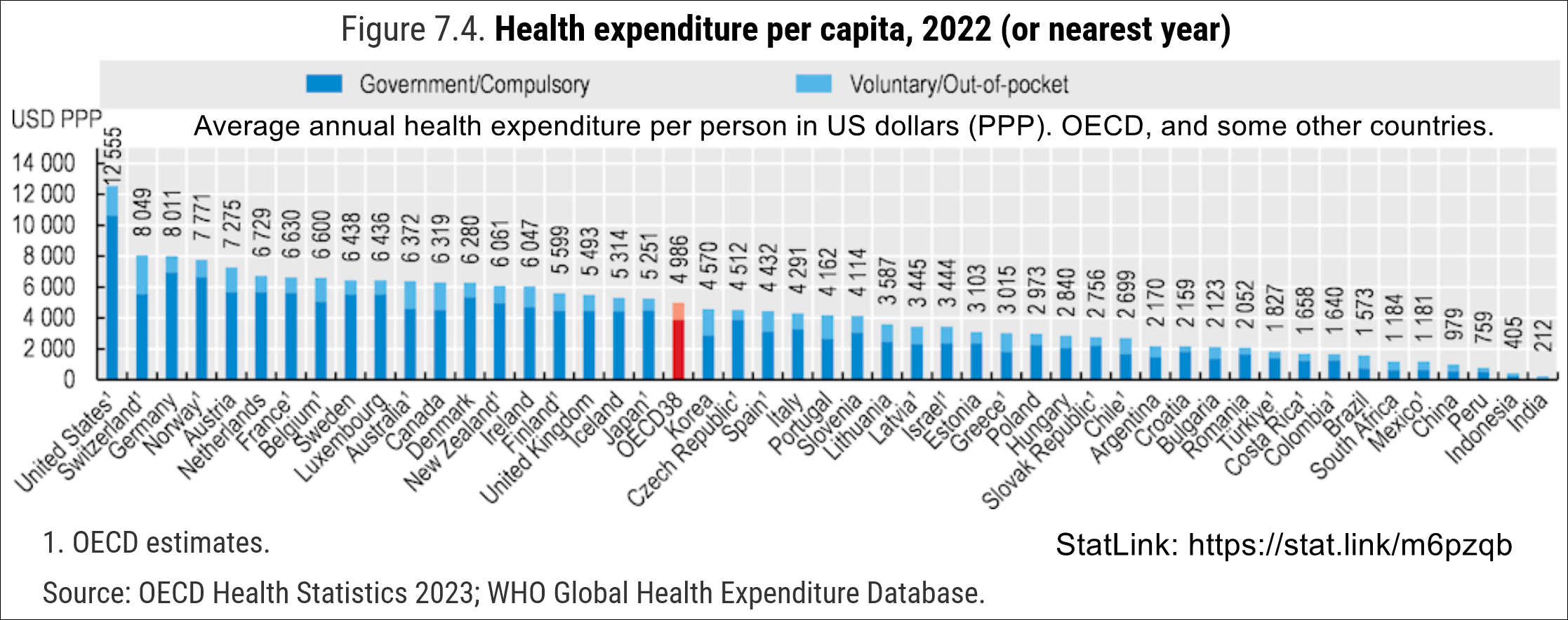
U.S. per capita healthcare spending significantly outpaces other developed nations, a systemic cost trend that Consumer-Driven Health Plans were designed to help mitigate by shifting initial cost awareness to the consumer.
Fundamentally, Consumer-Driven Health Plans combine a high-deductible health plan with a tax-advantaged savings or reimbursement account. The underlying philosophy is simple. If the consumer is responsible for a larger portion of their initial healthcare costs, they will shop around, ask questions, and make more prudent medical decisions. To offset the financial burden of these higher initial costs, the consumer is granted access to specialized, tax-advantaged accounts to pay for their care.
As an insurance producer, you will frequently advise individuals trying to balance monthly cash flow with risk protection, or business owners trying to provide sustainable employee benefits. Understanding the distinct mechanisms of these plans is paramount to passing your licensing exam and effectively managing your future clients' wealth and health.
Because the insurance company is taking on less risk at the "first dollar" level (since the insured must pay more out-of-pocket before the insurance kicks in), a High Deductible Health Plan typically charges lower monthly premiums than a traditional health insurance plan. This is the primary trade-off you will explain to clients: they trade lower guaranteed monthly fixed costs (premiums) for higher variable risk (the deductible).
However, an insurance company cannot simply declare a plan an "HDHP" because they feel the deductible is relatively high. The federal government sets the mathematical boundaries. Specifically, the Internal Revenue Service establishes the annual minimum deductible limits for High Deductible Health Plans, as well as the annual maximum out-of-pocket limits. These figures are adjusted annually for inflation. If a plan’s deductible is too low, or its out-of-pocket maximum is too high, it legally ceases to be an HDHP.
The Preventive Care Exception
While the insured must usually pay completely out-of-pocket until the high deductible is met, there is one major exception. High Deductible Health Plans must cover preventive care services without requiring the insured to meet the deductible first. Services like annual physicals, immunizations, and well-child visits are covered on a "first dollar" basis. The logic here is actuarial: early detection of illness is vastly cheaper to treat than late-stage disease.
Under HDHP regulations, routine preventive care—such as early childhood physicals and immunizations—is covered entirely before the high deductible is met.
A high deductible is financially dangerous if a consumer has no cash to pay it. Enter the Health Savings Account (HSA). A Health Savings Account is a pre-funded trust account designed to help individuals save funds to pay for qualified medical expenses.
Think of an HSA as a specialized, highly privileged bank account. Because the tax advantages of an HSA are arguably the most powerful in the entire US tax code, the IRS enforces stringent gatekeeping rules regarding who can open one.
Strict Eligibility Rules
To even open an HSA, a highly specific set of conditions must be met simultaneously.
The HDHP Requirement: An individual must be enrolled in a High Deductible Health Plan to be eligible to open a Health Savings Account.
No Traditional Coverage: An individual cannot be covered by a traditional comprehensive health insurance plan while contributing to a Health Savings Account. (You cannot pair a high-deductible plan with a low-deductible spouse’s plan just to get the HSA tax benefits).
No Medicare: An individual cannot be enrolled in Medicare while making contributions to a Health Savings Account.
Independent Tax Status: An individual cannot be claimed as a dependent on another person's tax return while contributing to a Health Savings Account.
Funding and Ultimate Ownership
Once eligible, how does money get into the account? Both an employer and an employee are allowed to contribute funds to a Health Savings Account.
Here is the most critical feature of the HSA for your exam: Ownership. The individual employee is the sole owner of the funds inside a Health Savings Account. The funds inside a Health Savings Account belong to the employee even if the employer made the contributions.
Because it is an individual asset, a Health Savings Account remains with the individual if the individual changes employers. It is entirely portable. Furthermore, unlike Flexible Spending Accounts (FSAs) which notoriously feature "use-it-or-lose-it" rules, unused funds in a Health Savings Account roll over from year to year without expiring. A client could fund an HSA at age 30, never touch it, and still have those exact funds (plus growth) waiting for them at age 65.
The "Triple Tax" Advantage
As a producer, you must understand why financial advisors adore HSAs. They offer a rare "triple-tax advantage."
Money Going In: Contributions made to a Health Savings Account by an individual are tax-deductible. (They lower the individual's taxable income for the year).
Money Growing: Earnings within a Health Savings Account grow on a tax-deferred basis.
Money Coming Out: Withdrawals from a Health Savings Account used to pay for qualified medical expenses are entirely tax-free.
Penalties for Misuse
The government grants these massive tax shelters exclusively to facilitate healthcare. If a consumer treats their HSA like an ATM to buy a sports car or fund a vacation, the IRS strikes back.
Withdrawals from a Health Savings Account for non-qualified expenses before age 65 are subject to regular income tax. Furthermore, withdrawals from a Health Savings Account for non-qualified expenses before age 65 incur an additional 20 percent IRS penalty.
Waivers to the 20% Penalty
The IRS recognizes that life circumstances change. The 20 percent penalty on non-qualified Health Savings Account withdrawals is waived if the account owner dies or becomes permanently disabled.
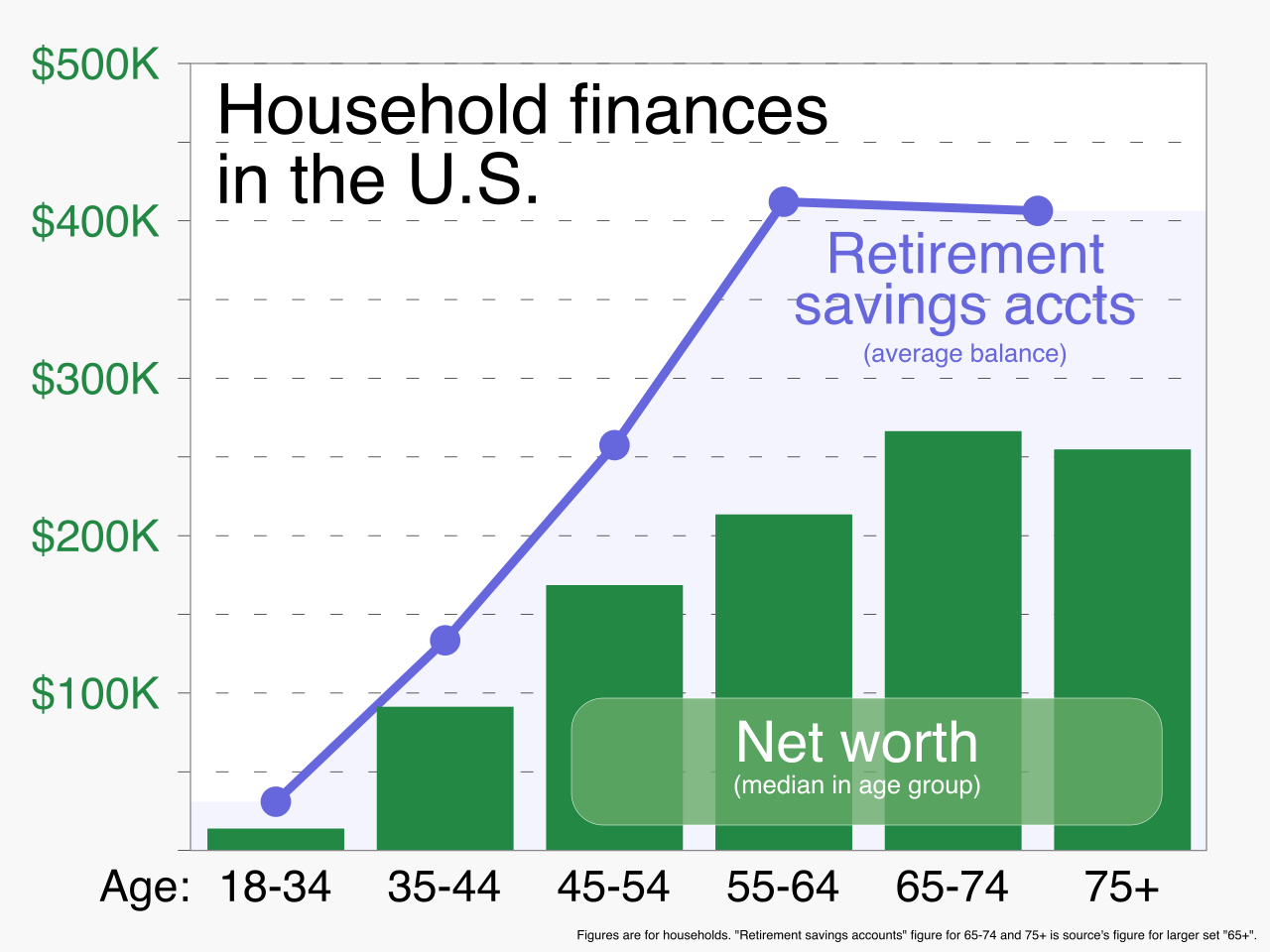
Additionally, the 20 percent penalty on non-qualified Health Savings Account withdrawals is waived if the account owner is age 65 or older. (Note: While the penalty is waived at age 65, if the funds are used for non-medical expenses, the retiree will still owe standard income tax on the withdrawal, effectively making the HSA act exactly like a Traditional IRA in retirement).
Because the 20% non-medical withdrawal penalty drops off at age 65, well-funded HSAs can effectively transition into supplementary retirement savings accounts.
While an HSA is an employee-owned bank account, a Health Reimbursement Account (HRA) is an entirely different mechanism. It is fundamentally an employer's promise to reimburse.
A Health Reimbursement Account is established and funded exclusively by an employer. Employees are strictly prohibited from contributing their own funds to a Health Reimbursement Account.
The purpose of an HRA is straightforward: A Health Reimbursement Account reimburses employees for qualified out-of-pocket medical expenses. When an employee incurs a medical bill, they submit the receipt to the employer's HRA administrator, and the employer pays them back up to a predetermined limit.
Ownership, Portability, and Rollovers
Because the HRA is an employer-funded benefit rather than an employee's personal bank account, the employer retains complete ownership of the funds inside a Health Reimbursement Account.
Consequently, funds in a Health Reimbursement Account do not automatically follow the employee upon termination of employment. If an employee quits, the HRA money stays with the employer. Furthermore, employers dictate whether unused Health Reimbursement Account funds roll over to the next calendar year. The employer writes the rules on accumulation.
Flexibility and Tax Treatment
Unlike an HSA, which strictly requires an HDHP, a Health Reimbursement Account does not require the employee to be enrolled in a High Deductible Health Plan. An employer can offer an HRA alongside various types of health plans, or even as a standalone benefit in certain regulatory circumstances.
The tax benefits are highly favorable for both sides of the employment contract. An employer can deduct contributions made to a Health Reimbursement Account as a standard business expense. On the receiving end, reimbursements from a Health Reimbursement Account for qualified medical expenses are tax-free to the receiving employee.
On your licensing exam, you will frequently be tested on your ability to distinguish the features of an HSA from an HRA. Use the following framework to memorize the fundamental differences:
Understanding these consumer-driven models allows you to do more than just sell a policy; it empowers you to design a holistic financial safety net. When you grasp how the low premiums of an HDHP synergize with the tax leverage of an HSA, or the retention power of an HRA, you transition from a salesperson to a strategic advisor.