California P&C Guaranty Association & Workers Compensation
Not sure you’re ready?
Take the ~3-minute readiness diagnostic and see where you stand.
Insurance is a promise written on paper, entirely dependent on the solvency of the institution backing it and the legal frameworks defining its scope. For an aspiring California Property and Casualty producer, understanding the mechanics of risk transfer is only half the profession. You must also understand the systemic safeguards: what happens when an insurance company itself collapses under the weight of catastrophic claims, and how the state structures liability between employers and employees when severe injury occurs. These are not abstract contingencies. They are the architectural pillars of California insurance law, dictating exactly how and when money moves when the standard mechanisms fail.
When you sell a policy, your client assumes the insurance company will be there to pay when disaster strikes. But what happens if a devastating string of wildfires forces a regional property insurer into bankruptcy? The client's house is burned to ashes, and the company holding their premium no longer exists.

This is why the state created the California Insurance Guarantee Association (CIGA).
CIGA acts as the ultimate financial backstop. The California Insurance Guarantee Association pays the covered claims of insolvent property and casualty member insurers. It is a statutory safety net designed to protect policyholders from total ruin when their carrier goes under.
To ensure this system works, participation is not optional. All insurance companies admitted to transact property and casualty insurance in California must be members of the California Insurance Guarantee Association. How does CIGA afford to pay these claims? It does not rely on taxpayer dollars. Instead, the California Insurance Guarantee Association is funded by collecting premium assessments from its member insurers. When an insolvency occurs, surviving companies pool resources based on their market share to cover the gap.
Boundaries of the Backstop
CIGA is an emergency mechanism, not a blank check. It is heavily regulated, and as a producer, you must understand exactly what it does and does not cover.
First, CIGA is strictly for property and casualty lines. The California Insurance Guarantee Association does not cover life, health, ocean marine, title, surety, or mortgage guaranty insurance claims. Those lines either have their own separate guaranty associations or fall entirely outside the statutory safety net.
Second, CIGA aims to keep consumers afloat, but it enforces strict financial caps. Let's look at the limits:
| Coverage Type | CIGA Maximum Statutory Limit |
|---|---|
| Property, Casualty, and General Liability | The California Insurance Guarantee Association pays property, casualty, and general liability claims up to $500,000 or the policy limit of the insolvent insurer, whichever is less. |
| Residential Dwelling Structures | Because California real estate is uniquely expensive, the California Insurance Guarantee Association pays residential dwelling structure claims up to $1,000,000 or the policy limit of the insolvent insurer, whichever is less. |
| Workers' Compensation | The California Insurance Guarantee Association pays statutory workers' compensation claims in full without a maximum monetary limit. (We will explore why this is critical in the next section). |
Beyond these maximums, CIGA applies several rigid rules to its payouts:
- The De Minimis Rule: CIGA won't process microscopic claims. The California Insurance Guarantee Association does not cover any property or casualty claim in an amount of one hundred dollars or less.
- Unearned Premiums: If a client paid a $2,000 annual premium just a month before the carrier went bankrupt, they are owed a refund for the remaining 11 months. The California Insurance Guarantee Association covers claims for unearned premiums resulting from the insolvency of a member insurer.
- No Bad Behavior Payouts: If a court punished the insured for malicious behavior, CIGA walks away. The California Insurance Guarantee Association strictly excludes coverage for any punitive or exemplary damages awarded against an insured.
- The Exhaustion Principle: CIGA is the payer of absolute last resort. Claimants must exhaust all available coverage from any other solvent insurance policies before the California Insurance Guarantee Association will pay a claim. If a claimant has a secondary policy that is still solvent, that policy must pay out completely before CIGA contributes a single cent.
Why this matters for your exam and career: If you are dealing with a commercial client carrying a $10,000,000 liability policy from an unstable carrier, you must know that CIGA will only protect them up to $500,000. The remaining $9.5 million becomes the client's problem. This underscores the vital importance of placing business with financially highly-rated carriers.
Notice that CIGA places hard monetary limits on property and liability claims, but pays Workers' Compensation claims in full, without a limit. Why? Because Workers' Compensation represents a deeply embedded social contract between labor and capital, known as the "Grand Bargain."
Before workers' compensation existed, an employee whose hand was crushed in a factory press had to sue their employer for negligence. This meant years in court, astronomical legal fees, and often, no compensation if the employer had better lawyers.
To solve this, the state engineered a compromise. California workers' compensation operates as a no-fault system where employees do not need to prove employer negligence to receive benefits. Whether the employee was slightly careless or the machine simply malfunctioned, the injury is covered. In exchange for employers absorbing this automatic liability, they receive legal immunity. Workers' compensation is the exclusive legal remedy for a California employee to seek compensation from an employer for a work-related injury. The injured employee cannot sue the employer for millions in tort court.
Mandates and Sourcing Coverage
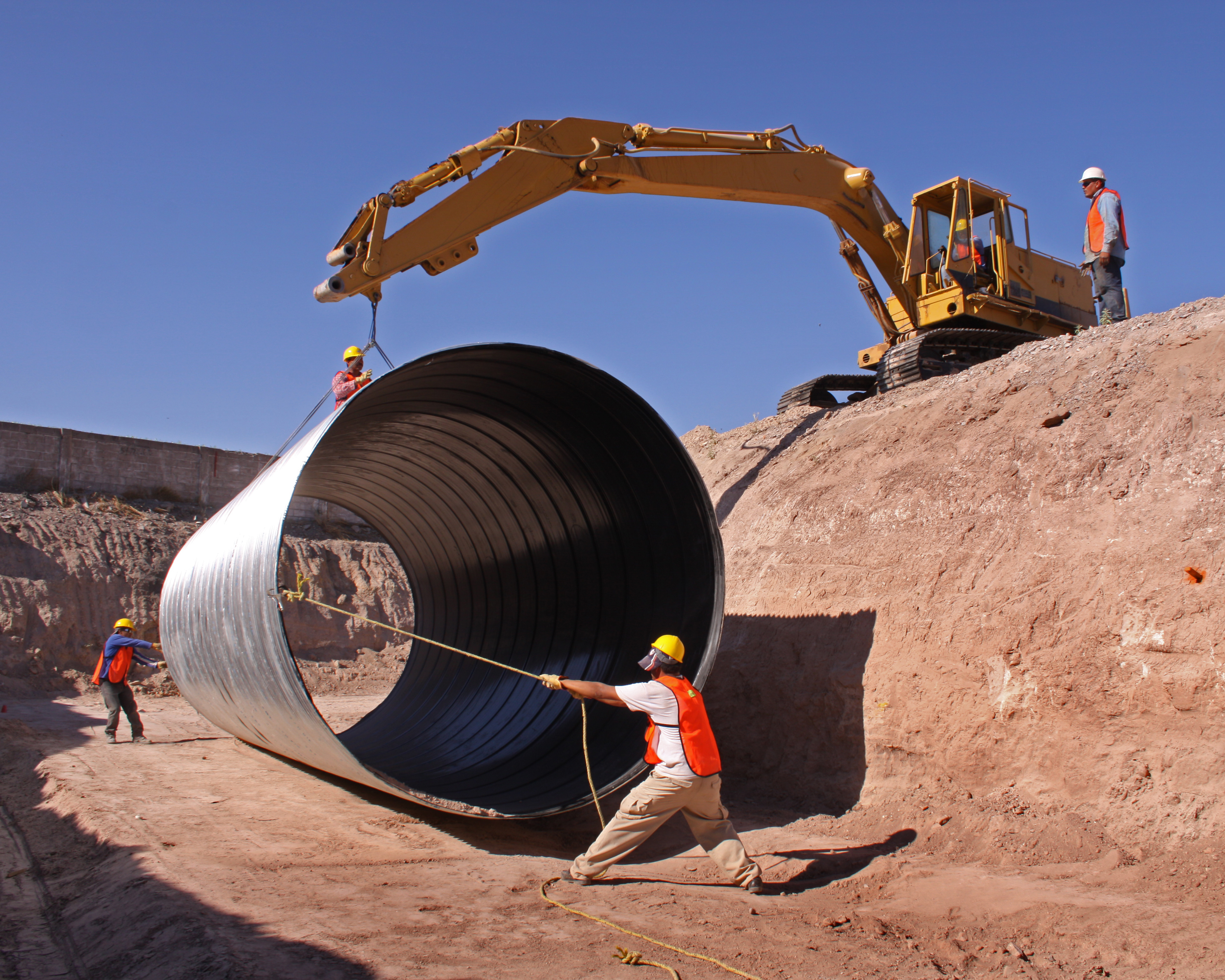
Because this system replaces the standard civil court process, participation is strictly mandated.
- Every California employer with one or more employees is legally required to carry workers' compensation insurance.
- There is a highly specific exception for a highly dangerous trade: California roofing contractors are required by state law to carry workers' compensation insurance even if the contractors have no employees. The state simply will not tolerate uninsured roofers falling from buildings.
- Conversely, independent contractors are exempt from California workers' compensation laws and are not eligible for employee workers' compensation benefits. (Note: misclassifying an employee as an independent contractor to avoid paying premiums is a severe form of insurance fraud).

The penalties for ignoring this mandate are severe. California employers operating without mandatory workers' compensation insurance face potential jail time and a minimum statutory fine of $10,000.
Where do employers buy this mandatory coverage? California employers can obtain workers' compensation coverage through private insurance companies, the State Compensation Insurance Fund, or authorized self-insurance.
If a business is highly dangerous—say, a commercial logging operation—private insurers might refuse to write the policy. The state cannot mandate a business buy insurance and then allow the market to refuse them. Therefore, the California State Compensation Insurance Fund (SCIF) functions as a competitive insurance provider and serves as the market of last resort for employers unable to find workers' compensation coverage elsewhere.

Alternatively, massive corporations like major retail chains might choose to keep the risk in-house. However, California employers must obtain legal authorization from the state and demonstrate financial capability to pay claims in order to self-insure for workers' compensation. You cannot simply declare yourself self-insured; you must prove to the state you have the liquid assets to pay catastrophic injury claims.
When an injury happens, the clock starts ticking immediately. California law enforces tight timelines to ensure injured workers aren't left financially stranded while claims are investigated.
- Employee Reporting: An injured employee in California must generally report a work-related injury to the employer within 30 days of the injury occurring.
- Employer Claim Form: The moment the employer knows about the injury, they must act. A California employer must provide a workers' compensation claim form (DWC-1) to an injured employee within one working day of learning about a workplace injury.
- Medical Authorization: The employer cannot wait weeks for the insurance adjuster to approve the claim before allowing the employee to see a doctor. A California employer must authorize up to $10,000 in medical treatment within one working day of receiving a workers' compensation claim form.
When an employee files a claim, what exactly are they entitled to? California Workers' Compensation policies provide five distinct categories of benefits.
1. Medical Care
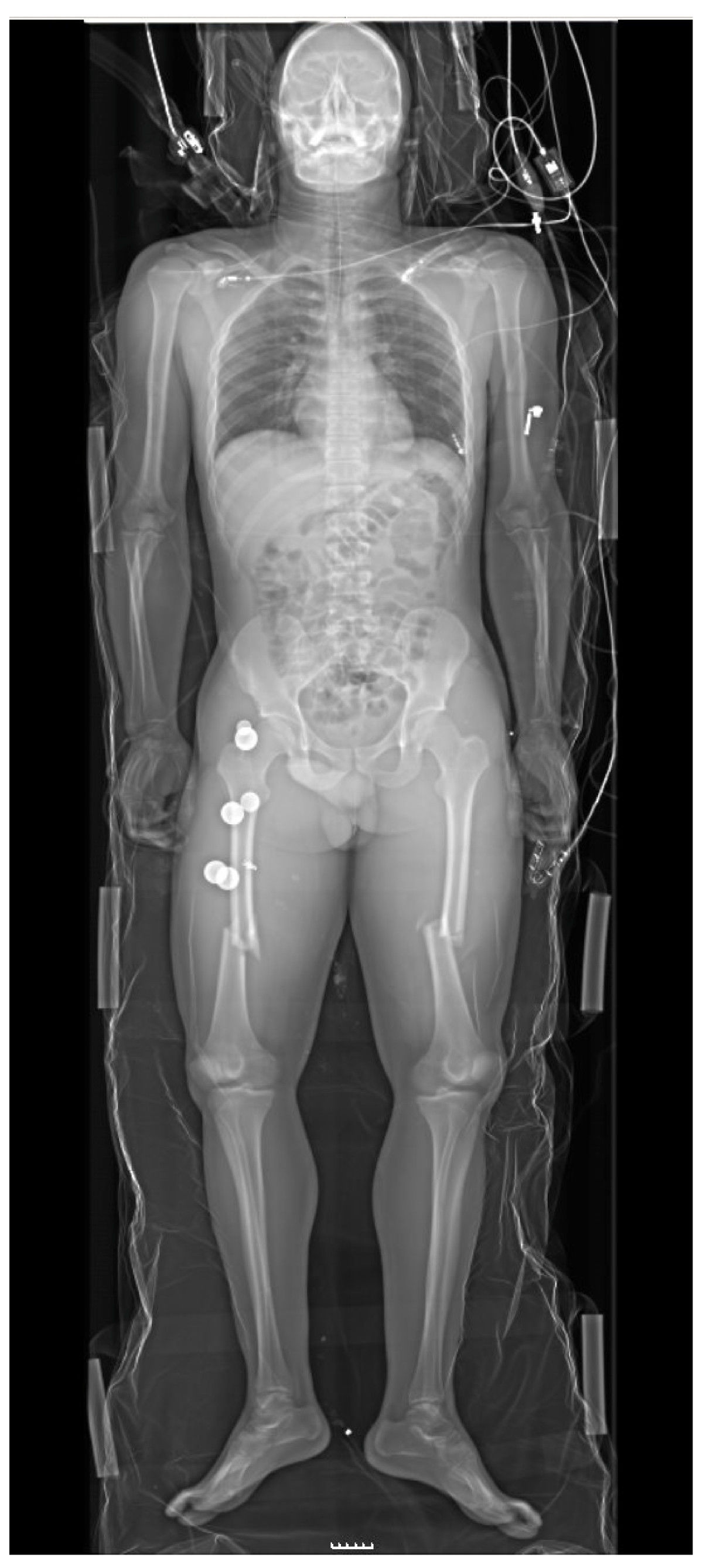
The fundamental goal is healing the worker. California workers' compensation medical care benefits cover all reasonable treatment necessary to cure or relieve the effects of a work-related injury. Because this is a statutory right, the burden is entirely on the insurer. Injured employees are not required to pay any deductibles or copayments for medical care received under California workers' compensation benefits.
2. Temporary Disability (TD)
If a chef burns their hand and cannot cook for six weeks, they need to pay rent while they heal. Temporary Disability benefits in California provide wage replacement for an employee who is recovering from a work-related injury and cannot perform normal job duties.
- The Rate: California Temporary Disability benefits are generally paid at a rate of two-thirds of the injured worker's pre-tax gross weekly income.
- The Tax Advantage: While two-thirds sounds like a massive pay cut, Temporary Disability benefit payments provided under California workers' compensation are completely tax-free to the injured worker. Since they don't pay federal or state income tax on this money, the net take-home pay is often remarkably close to their normal working wages.
3. Permanent Disability (PD)
Sometimes, an injury leaves lasting damage. A warehouse worker whose spine is permanently fused will never lift heavy boxes again. Permanent Disability benefits in California compensate an injured worker if a workplace injury causes a permanent, measurable loss of physical or mental function that limits earning capacity. This is calculated via a complex rating system (expressed as a percentage from 1% to 100%) that translates the physical impairment into a monetary award.
4. Supplemental Job Displacement Benefit
If the permanently disabled warehouse worker can no longer perform their old job, and the employer has no modified work available, the state wants to help them transition to a new career. The California Supplemental Job Displacement Benefit provides a voucher to pay for retraining or skill enhancement if an injured worker cannot return to the previous job. This is not unlimited tuition. The California Supplemental Job Displacement Benefit voucher is capped at a maximum value of $6,000.
5. Death Benefits
In the most tragic scenarios, the workplace injury is fatal. California workers' compensation death benefits provide financial payments and cover burial expenses for the dependents of an employee who dies from a work-related illness or injury.
We established earlier that Workers' Compensation is the "exclusive remedy" and employees cannot sue their employers. But in the legal world, there are almost always exceptions. What if an employee's spouse sues the employer for loss of consortium? What if a third party, sued by the injured employee, cross-sues the employer?
To protect against these civil suits that slip past the "exclusive remedy" shield, every Workers' Compensation policy actually contains two parts. Part One covers the statutory benefits we just outlined (Medical, TD, PD, etc.) without limits. Part Two provides liability defense.
This is known as Employer's Liability insurance, and a standard workers' compensation policy includes strict minimum limits:
- A standard workers' compensation policy includes Employer's Liability insurance with a minimum limit of $100,000 per occurrence for bodily injury. (This applies to traumatic accidents, like a scaffold collapse).
- A standard workers' compensation policy includes Employer's Liability insurance with a minimum limit of $100,000 per employee for bodily injury by disease. (This applies to illnesses developed over time, like chronic solvent exposure).
- A standard workers' compensation policy includes Employer's Liability insurance with a minimum overall policy limit of $500,000 for bodily injury by disease. (This serves as an aggregate cap if multiple employees contract the disease).

Understanding the interplay between CIGA, statutory worker benefits, and employer liabilities is the hallmark of a competent insurance professional. You are not just selling a policy; you are navigating the complex, highly regulated architecture that keeps California's economy functioning when disaster strikes.