Commercial General Liability (CGL) Coverages
Not sure you’re ready?
Take the ~3-minute readiness diagnostic and see where you stand.
Every time a commercial enterprise opens its doors, manufactures a good, or dispatches an employee to a job site, it enters a vast, invisible web of legal obligations. A customer slipping on a freshly mopped floor, a defective toaster sparking a kitchen fire, or a hastily written advertisement disparaging a competitor all represent profound financial threats. Commercial General Liability (CGL) insurance is the structural foundation of commercial risk management, designed specifically to protect businesses from financial loss due to liability claims for bodily injury, property damage, personal injury, and advertising injury. To master the CGL policy is to understand the exact perimeter of a business's legal vulnerability and the financial mechanisms designed to absorb those shocks.
As an insurance producer, you are not merely selling a stack of papers; you are constructing a financial blast shield around your client’s livelihood. To build it correctly, we must dissect the exposures they face, the specific coverages that address those exposures, and the precise definitions that govern when a policy responds.
Before we examine the policy itself, we must categorize the physical and temporal origins of commercial liability. The CGL policy contemplates four distinct categories of exposure.
1. Premises Liability
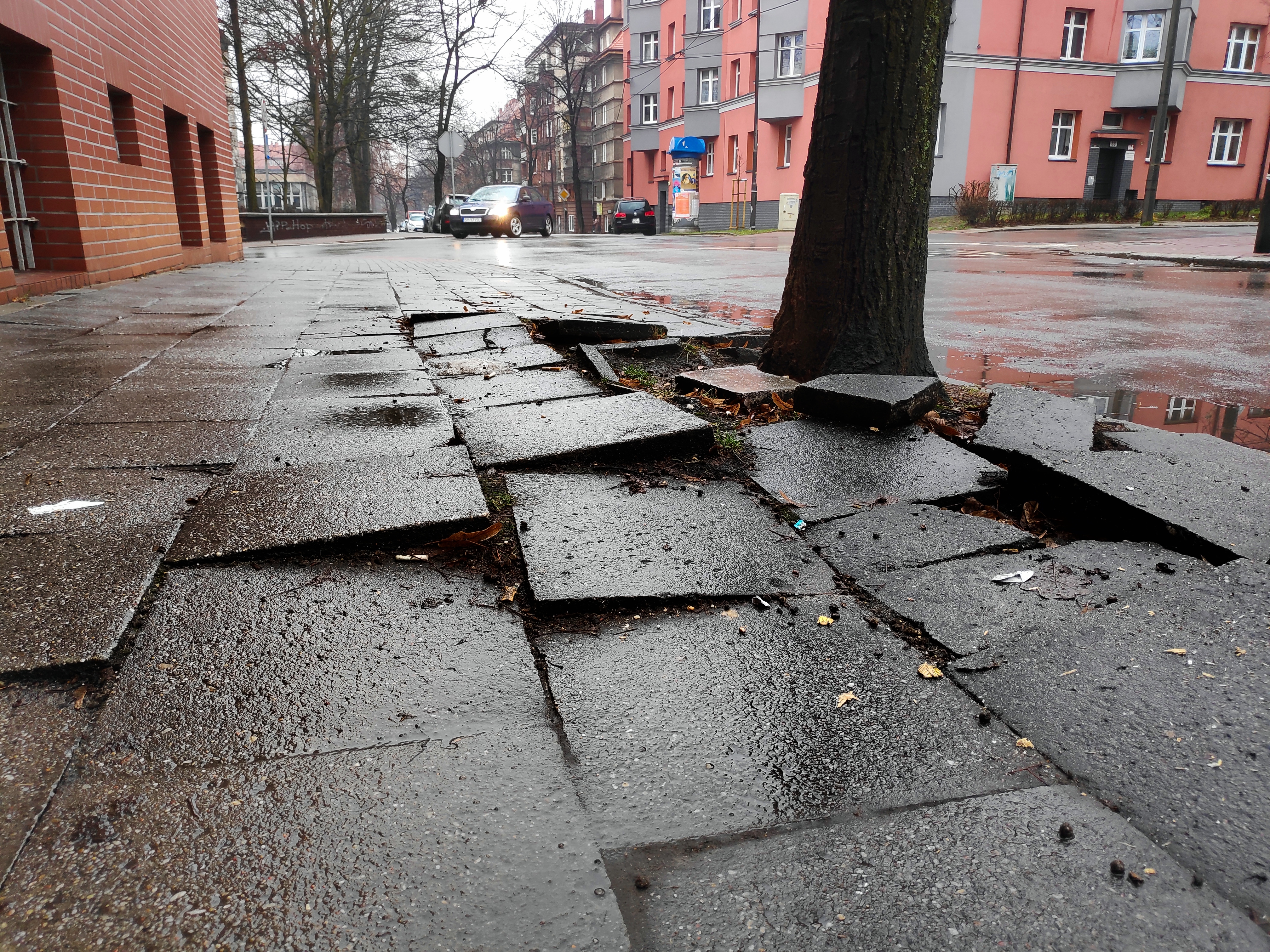
This exposure exists simply because a business occupies a physical space. Premises liability covers bodily injury or property damage occurring at the insured business location. Example: A client visits your insured’s retail store, trips on a loose floorboard, and shatters their wrist. The injury is a direct result of the condition of the premises.
2. Operations Liability
Businesses are dynamic; they act in the world. Operations liability covers bodily injury or property damage arising from the ongoing activities of the business, often away from the primary premises. Example: A landscaping contractor is mowing a client's lawn. The mower kicks up a rock, shattering a neighbor’s expensive stained-glass window. The damage arose from the insured’s ongoing operations.

3. Products Liability
Once a business completes a product and hands it over to the consumer, the nature of the risk changes. Products liability covers bodily injury or property damage caused by a defect in a product manufactured, sold, or distributed by the insured. Crucially, for this exposure to trigger, two conditions must be met: Products liability coverage applies only after the product has been relinquished to others and removed from the insured premises. If a customer drops a heavy product on their foot while still in the checkout line, that is a premises claim. If the product later explodes in their home, it is a products claim.
4. Completed Operations Liability
Service and construction businesses face long-tail risks after their work is done. Completed operations liability covers bodily injury or property damage arising out of work that has been finished and put to its intended use. Example: Your insured, a plumbing contractor, installs a new pipe system in an office building. Six months later, a joint fails, causing massive water damage. Because the work was finished and put to its intended use, this falls under completed operations.
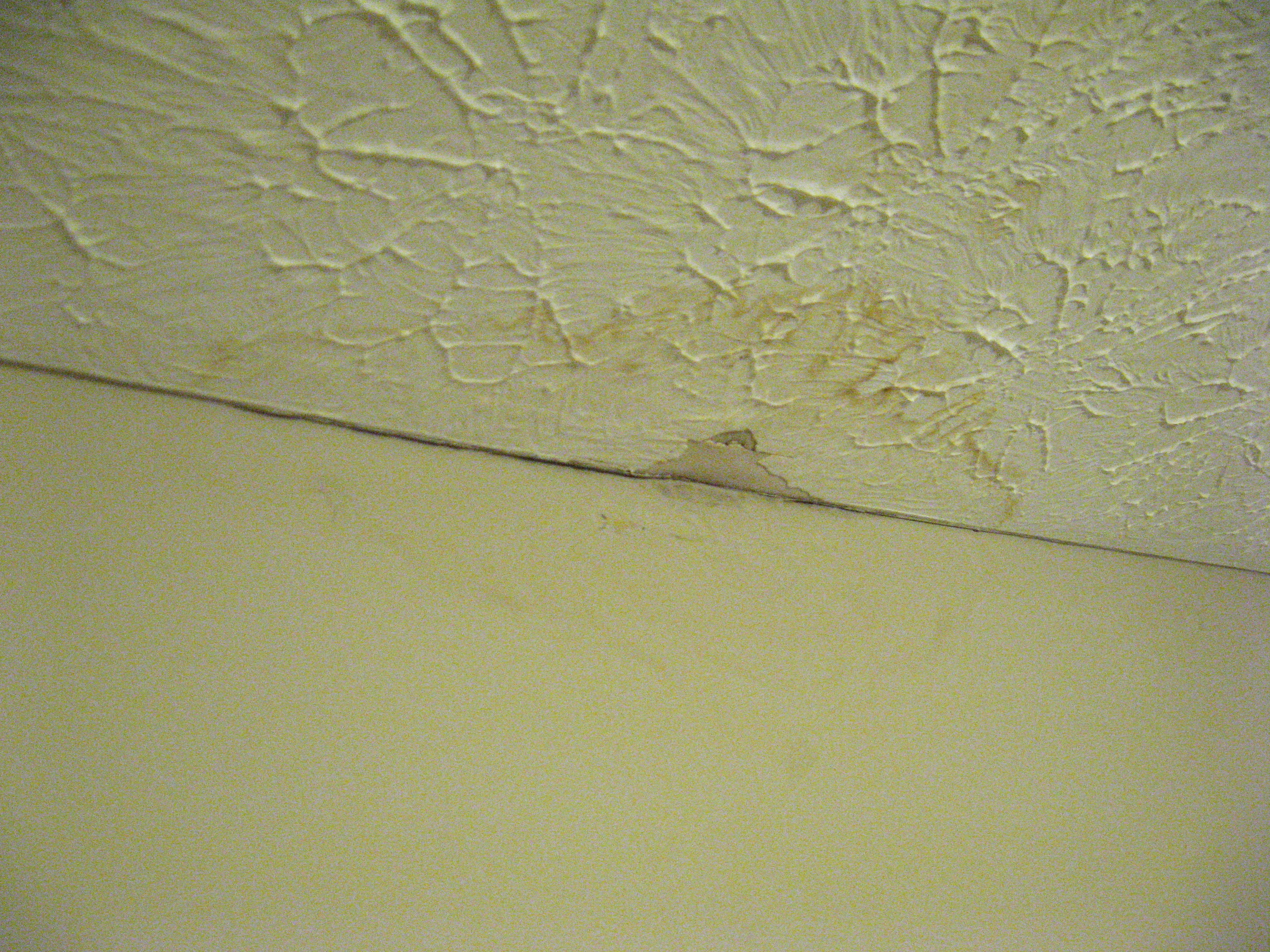
The heart of the CGL policy is Coverage A, which pays sums the insured becomes legally obligated to pay as damages because of bodily injury (BI) or property damage (PD). However, the insuring agreement is highly specific about how and why this damage must occur.
The Trigger: What is an Occurrence?
Coverage A applies only if the bodily injury or property damage is caused by an occurrence. The policy provides a very specific, expansive definition:
An occurrence is an accident, including continuous or repeated exposure to substantially the same general harmful conditions.
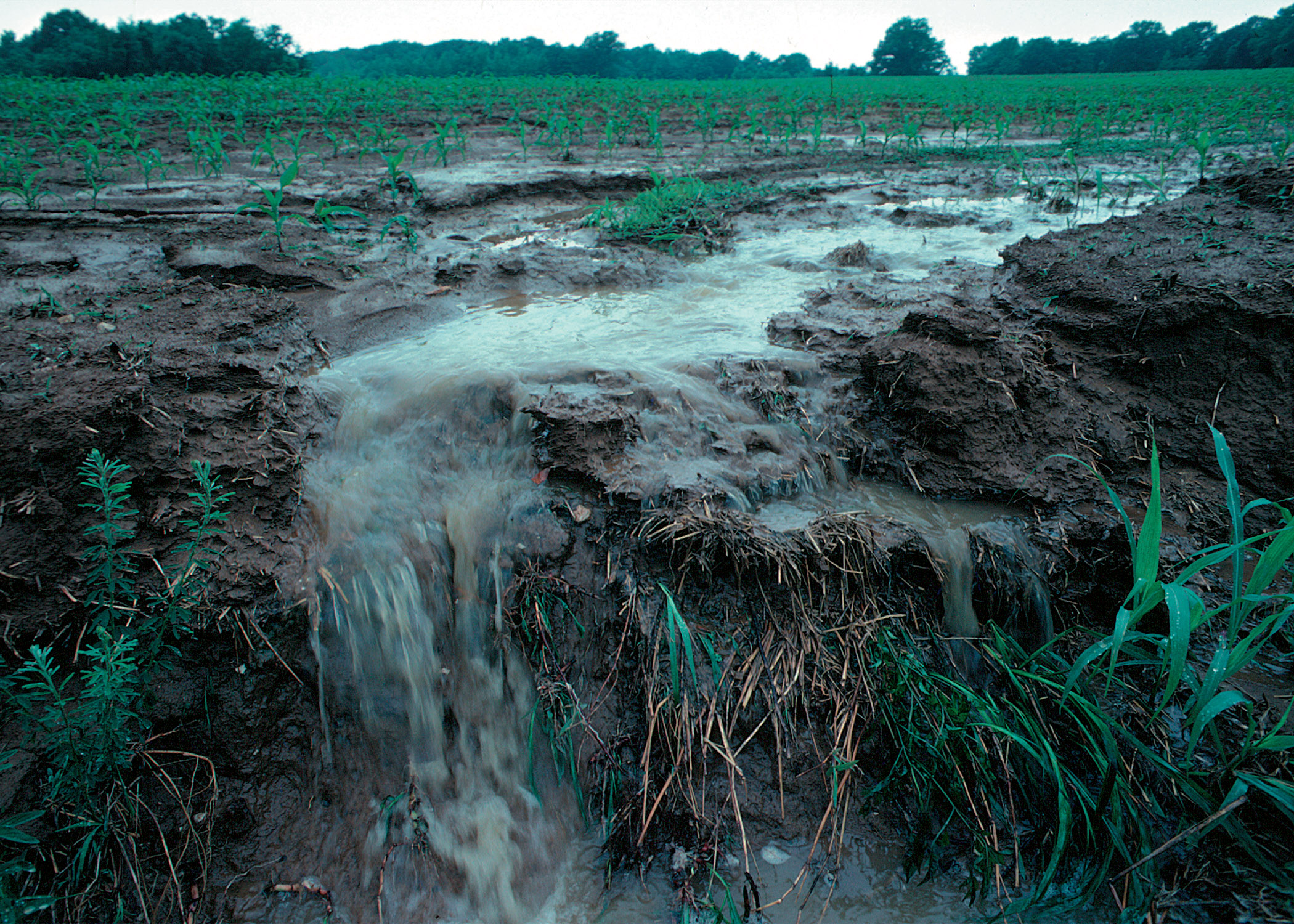
This means an occurrence is not just a sudden, catastrophic event (like a dropped brick). It also encompasses gradual damage—such as a slow, undetected chemical leak from a neighboring business over five years that ruins a farm's topsoil.
Defining Property Damage
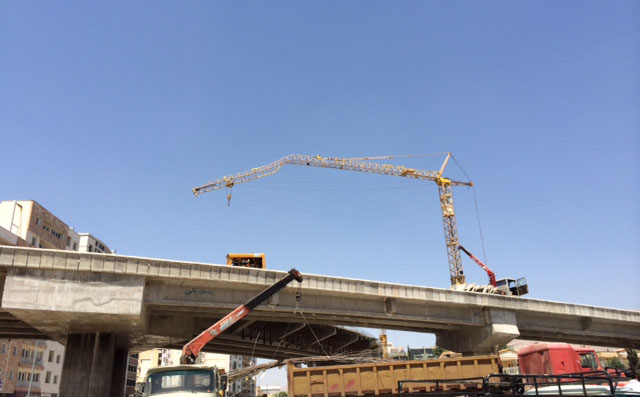
Under the CGL, property damage is not merely the breaking of a physical object. The policy defines property damage as physical injury to tangible property, including all resulting loss of use of that property. Furthermore, the definition explicitly includes the loss of use of tangible property that is not physically injured. Example: Your insured operates a crane that tips over, blocking the sole entrance to a neighboring retail plaza. The plaza is completely unharmed physically, but the stores cannot operate for three days. The resulting loss of business income (loss of use of tangible property) is considered property damage under the CGL.
The Boundary Lines: Key Exclusions of Coverage A
Insurance policies establish their true shape through exclusions. By removing specific risks, the CGL prevents overlapping coverage with other policies and maintains predictable pricing.
- Expected or Intended Injury: Coverage A excludes bodily injury or property damage expected or intended from the standpoint of the insured. (Insurance covers the accidental, not the deliberate).
- Employers Liability: Coverage A excludes bodily injury to an employee of the insured arising out of and in the course of employment. (This is strictly the domain of Workers' Compensation insurance).
- Damage to Your Product / Your Work: Coverage A excludes damage to the insured's own product or the insured's own work. The CGL is a liability policy, not a warranty or a guarantee of craftsmanship. If an insured builds a defective brick wall and it collapses, ruining a client's parked car, the CGL pays for the car (resulting damage), but it will not pay to rebuild the defective wall.
- Pollution: Coverage A generally excludes bodily injury or property damage arising out of the actual, alleged, or threatened discharge of pollutants. (Specialty environmental policies handle this).
- Liquor Liability: Coverage A excludes liquor liability for businesses engaged in the business of manufacturing, distributing, selling, serving, or furnishing alcoholic beverages. (Bars and liquor stores must purchase a separate Liquor Liability policy).
- The Exception: Host liquor liability is covered under Coverage A for businesses that only serve alcohol incidentally. If a software company hosts an annual holiday party and serves wine, they remain covered if an intoxicated guest causes an accident, because they are not in the business of alcohol.
While Coverage A deals with the physical realm (broken bones and broken glass), Coverage B protects the intangible realm—reputation, freedom, and intellectual property. It provides protection for personal and advertising injury liability.
- Personal Injury focuses on offenses against an individual's rights and liberties. It includes offenses such as false arrest, detention, imprisonment, malicious prosecution, and wrongful eviction. If your retail client detains a shopper under false suspicion of shoplifting, the resulting lawsuit for false imprisonment falls here.
- Advertising Injury focuses on offenses committed in the course of advertising goods or services. It includes offenses such as libel, slander, copyright infringement, and misappropriation of advertising ideas. If your client launches a marketing campaign that inadvertently uses a competitor’s trademarked slogan, Coverage B responds.
Consider Coverage C the "goodwill" provision of the CGL. It covers third-party medical payments for injuries occurring on the insured premises or arising from operations.
Crucially, Coverage C pays medical expenses on a no-fault basis regardless of the insured's legal liability. The goal here is simple mathematics and human psychology: by swiftly paying minor medical bills (like an urgent care visit for a few stitches), the insurer prevents the injured party from retaining an attorney and filing a massive, costly lawsuit under Coverage A.
Coverage C Stipulations and Exclusions
- Time Limit: Coverage C pays reasonable medical expenses incurred and reported within one year of the date of the accident.
- Insureds and Employees: It excludes medical expenses for bodily injury to the named insured or any employee of the named insured. (Again, employees must use Workers' Compensation).
- Tenants: It excludes medical payments for tenants injured in the specific portion of the premises the tenant rents.
- Athletics: It excludes injuries to a person injured while practicing, instructing, or participating in any physical exercises or games. (A gym patron dropping a weight on their own foot is excluded under Coverage C, though they could still attempt to sue under Coverage A).
When your insured is sued, the limit of liability on their declarations page is not their only financial protection. Supplemental Payments are a suite of distinct coverages that are paid in addition to the policy coverage limits. This means defense costs will not erode the pool of money available to pay settlements or judgments.
Supplemental Payments cover:
- Defense Costs: All expenses incurred by the insurer in investigating and defending a claim or suit against the insured.
- Bail Bonds: Up to $250 for the cost of bail bonds required because of accidents or traffic law violations arising out of the use of a covered vehicle.
- Loss of Earnings: Reasonable expenses incurred by the insured at the insurer's request, including up to $250 a day for the insured's loss of earnings while assisting in the investigation or defense of a claim. (Your client shouldn't go bankrupt taking time off work to testify in their own defense).
- Interest: Prejudgment and postjudgment interest awarded against the insured on that part of the judgment the insurer pays.
A policy is only as effective as the entities it protects. The CGL declarations page will list a Designated Named Insured, and the legal structure of that entity dictates who else automatically receives coverage.
| If the Designated Named Insured is a... | The following are also considered Insureds... |
|---|---|
| Individual (Sole Proprietorship) | The named insured and the named insured's spouse, only with respect to the conduct of a business of which the named insured is the sole owner. |
| Partnership or Joint Venture | The partners, members, and their spouses. |
| Limited Liability Company (LLC) | The members and managers. (Note: Managers are insureds only with respect to their duties as managers). |
| Corporation | The executive officers, directors, and stockholders. |
Additional Automatic Insureds
Beyond the ownership structure, the CGL automatically extends insured status to the people who make the business function:
- Employees: Employees of the named insured are considered insureds for acts within the scope of their employment or while performing duties related to the conduct of the business.
- Volunteers: Volunteer workers are insureds while performing duties related to the conduct of the business.
- Real Estate Managers: Any person or organization acting as a real estate manager for the named insured is considered an insured.
Special Circumstances: Death and Acquisition
Business is continuous, even when life is interrupted.
- Upon Death: If the named insured dies, the named insured's legal representative assumes the rights and duties of the insured. Until that legal representative is officially appointed, anyone having proper temporary custody of the named insured's property acts as an insured.
- Newly Acquired Organizations: Any newly acquired or formed organization qualifies as a named insured if there is no other similar insurance available. However, this is a temporary bridge: coverage for a newly acquired or formed organization ends 90 days after acquisition or formation, or at the end of the policy period, whichever comes first.
Finally, we must understand the mechanics of when a policy responds. Liability claims, particularly products or completed operations, have a "long tail"—a significant delay between the work being done and the injury occurring. To handle this, the CGL comes in two distinct forms.
The Occurrence Form
The occurrence form covers bodily injury or property damage that occurs during the policy period, regardless of when the claim is filed. If an insured builds a deck in 2020 under a 2020 occurrence policy, and the deck collapses in 2026, the 2026 policy is irrelevant. The injury occurred in 2026, so the 2026 policy pays. The occurrence form anchors coverage to the exact date the damage physically takes place.
The Claims-Made Form
For complex risks, insurers needed more finality than the occurrence form could provide. Enter the claims-made form, which covers claims first made against the insured during the policy period.
To prevent coverage for ancient, long-forgotten errors, claims-made policies rely on a retroactive date. This establishes the earliest date an injury or damage can occur and still be covered. Example: If a claims-made policy has a retroactive date of January 1, 2023, and a claim is filed today in 2026, the insurer will investigate when the actual injury happened. If the injury happened in 2024 (after the retroactive date), the claim is covered. If the injury actually occurred in 2022 (before the retroactive date), there is no coverage, even though the claim was made today.
Mastering these provisions elevates a producer from a simple order-taker to a true risk advisor. When you intimately understand the architecture of the Commercial General Liability policy, you possess the knowledge to secure the financial survival of the enterprises that build, feed, and sustain our communities.