Marketing, Advertising, and Sales Practices
Not sure you’re ready?
Take the ~3-minute readiness diagnostic and see where you stand.
An insurance policy is fundamentally an invisible machine. When a client purchases coverage for their commercial property or auto fleet, they do not walk away with a tangible physical apparatus; they walk away with a conditional promise printed on a stack of paper. Because the product is entirely abstract, its real-world value rests absolutely upon the integrity of the transaction. Regulatory standards governing marketing, advertising, and sales exist to protect the mechanics of this system. If a producer misrepresents a coverage limit, or if an agency coerces a business into buying a policy, the mechanism is broken before a claim is ever filed. Understanding these regulations is not just about passing a licensing exam; it is about preserving the basic structural integrity of the insurance marketplace.

Because consumers cannot "test drive" an insurance policy, the language used to sell it must be pristine. State insurance advertising regulations require all marketing materials to be truthful. Furthermore, insurance advertising regulations require all marketing materials to be non-deceptive. You cannot imply a standard commercial property policy covers flood damage when the fine print expressly excludes it.
When an advertisement misleads a client, who is legally on the hook? The law applies a profound principle of agency: an insurance company is ultimately responsible for the content of the insurance company's advertisements.
This chain of accountability is absolute. An insurance company's responsibility for advertisements applies regardless of who created the advertising materials. Similarly, an insurance company's responsibility for advertisements applies regardless of who distributed the advertising materials. If a rogue local producer designs and mails a misleading postcard to a neighborhood, the parent carrier remains legally accountable for that deception.
To maintain total transparency in the marketplace, insurance advertisements must clearly identify the name of the insurance company providing the coverage. A client must always know precisely whose balance sheet is guaranteeing their risk.
Misrepresentation is the act of making a false statement about the terms of an insurance policy.
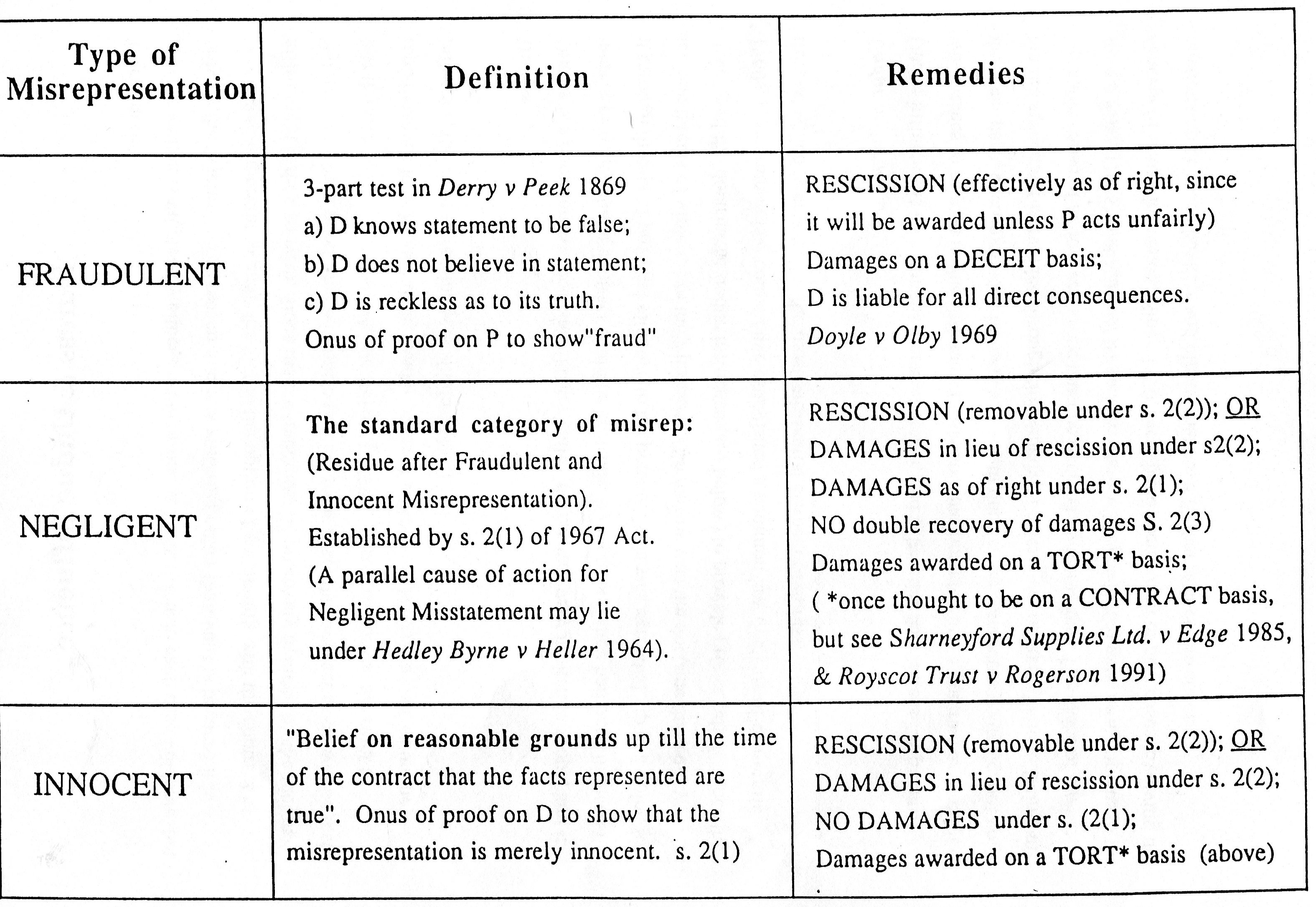
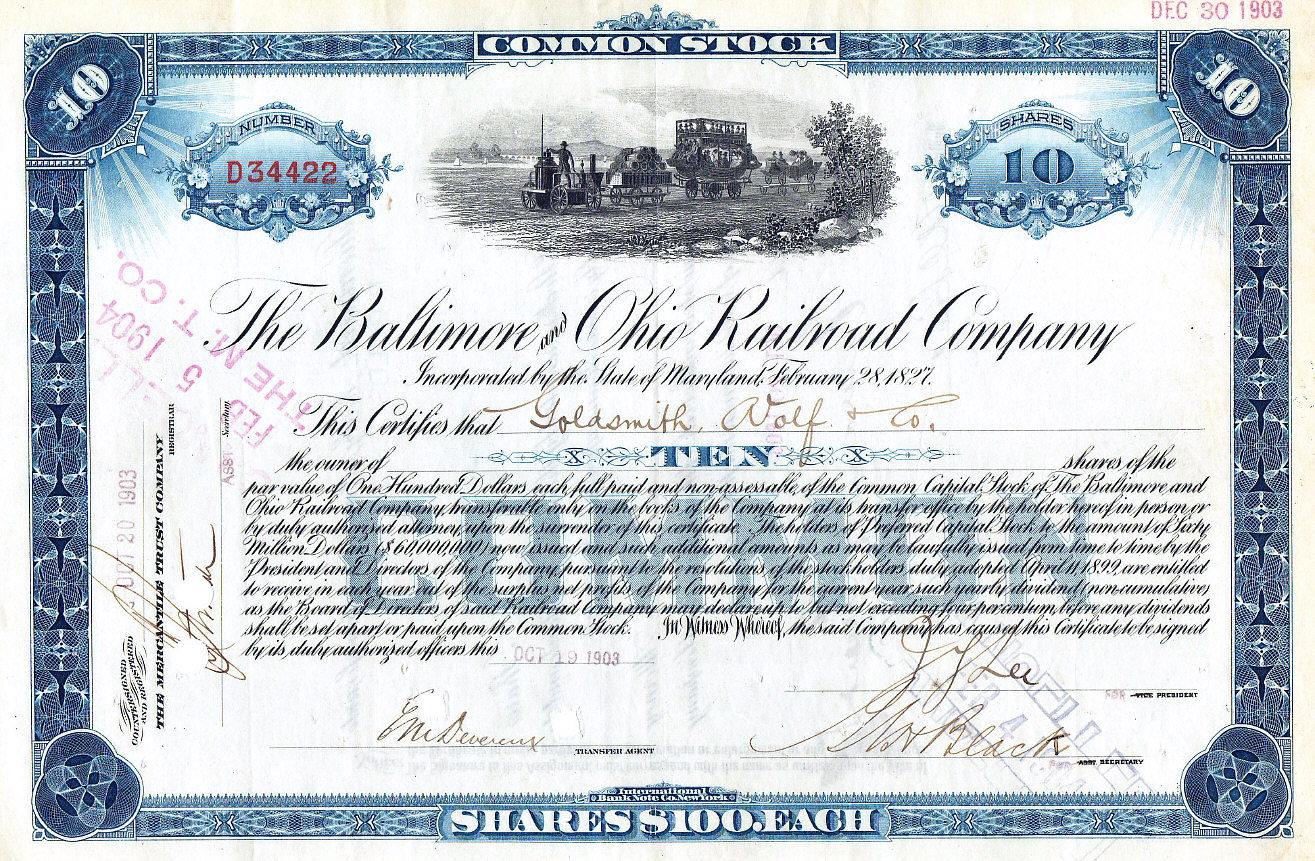
The regulatory definition of misrepresentation casts a wide net to capture any distortion of fact. Misrepresentation includes publishing misleading information about the benefits of an insurance policy. It also strictly governs how the financial mechanisms of a policy are framed. For example, misrepresentation includes making false promises regarding the future dividends of an insurance policy. Furthermore, because insurance transfers risk rather than acting as a traditional equity investment, misrepresentation includes stating that an insurance policy is a share of stock.
Because the insurance system collapses if clients cannot trust the contract, the penalties for these fabrications are severe. An insurance producer who commits misrepresentation is subject to license suspension. If the offense is egregious enough, an insurance producer who commits misrepresentation is subject to license revocation. Additionally, an insurance producer who commits misrepresentation is subject to financial penalties. The state will dismantle your livelihood if you warp the fundamental promises of the contract.
The Mechanics of Twisting
There is a highly specific, destructive variant of misrepresentation known as twisting.
Twisting is a specific form of misrepresentation involving incomplete comparisons between different insurance policies.
Why would a producer intentionally compare policies poorly? To manufacture the illusion of a better deal. Twisting is used to persuade a policyholder to purchase a new insurance policy through deception. The primary goal of twisting is to induce a policyholder to lapse an existing insurance policy. Equivalently, the primary goal of twisting is to induce a policyholder to surrender an existing insurance policy. By strategically ignoring the penalties of leaving an old policy or the waiting periods of a new one, a producer tricks the client into switching carriers simply to generate a new commission check.
In most industries, giving a customer a discount out of your own profit margin is just considered "good business." In insurance, it is a strict regulatory violation.
Rebating is the act of offering an applicant something of value as an inducement to purchase an insurance policy.
Rebating involves offering a financial benefit that is not explicitly stated in the insurance contract. If you collect a $5,000 premium, you might be tempted to hand the client $500 back from your own payout to secure the account. However, returning a portion of a producer's commission to the client constitutes illegal rebating.
The definition extends far beyond cash. Providing high-value personal gifts to a prospect to secure an insurance sale is considered illegal rebating. Similarly, offering special advantages in dividends not specified in the insurance policy is a form of illegal rebating.
Why is this illegal? Insurance pricing is tightly regulated math. Rates must be approved by the state to reflect exact actuarial realities.
- Consumer Protection: Rebating is prohibited to prevent discriminatory pricing for insurance consumers. If a producer rebates premiums only to their wealthiest commercial clients, the less affluent clients are effectively subsidizing the wealthy ones through standard rates.
- Market Stability: Rebating is prohibited to prevent unfair competition among insurance producers. Giant, well-funded agencies could simply bleed out small, independent producers by offering illegal kickbacks that smaller shops cannot mathematically afford to match.
The insurance market relies heavily on consumer confidence. If you destroy confidence in a competitor using lies, you damage the whole ecosystem.
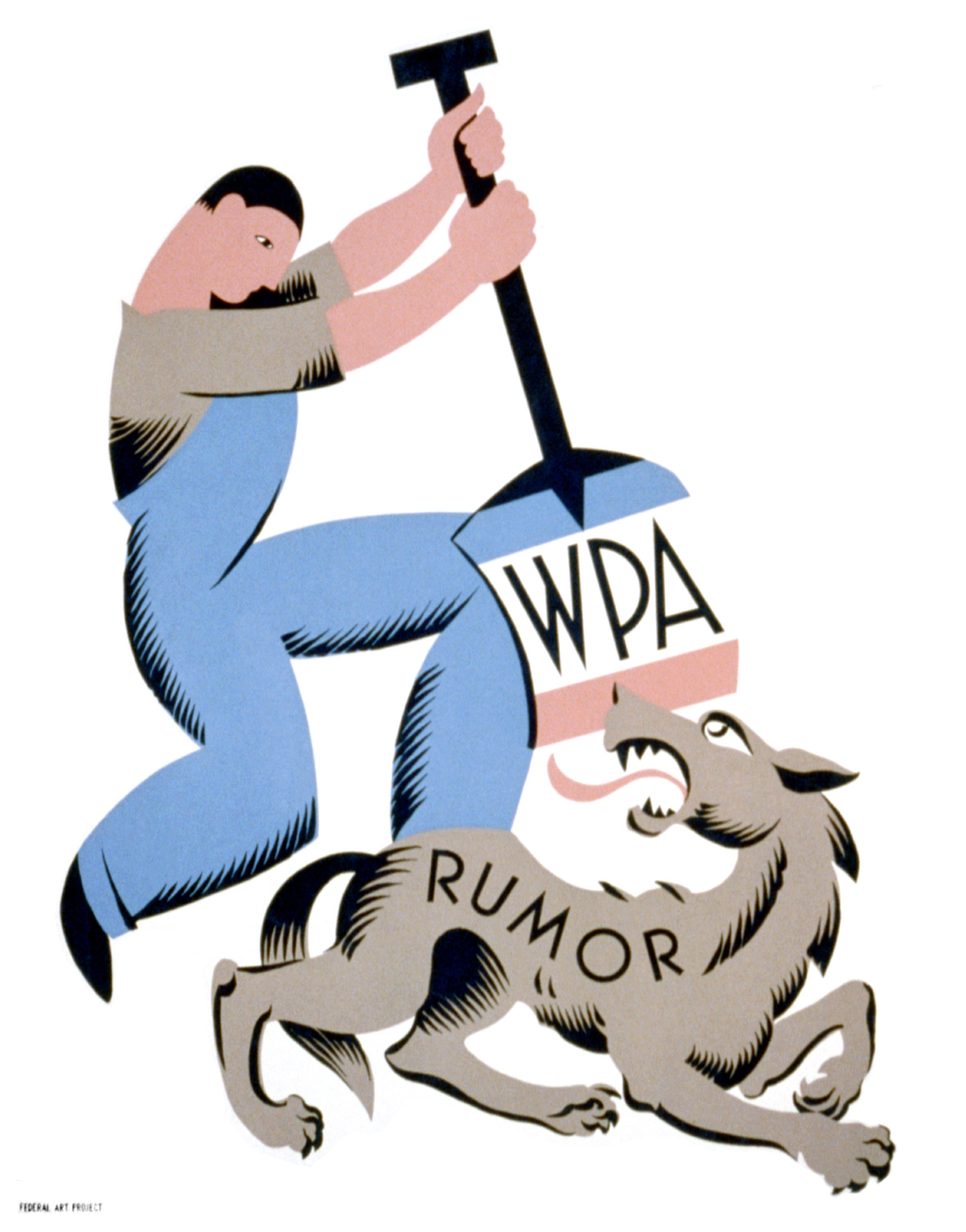
Defamation is the act of making a maliciously critical statement about the financial condition of an insurance entity.
Defamation includes spreading false rumors about an insurance company to injure the company's reputation. Publishing a false statement regarding the financial condition of an insurer with the intent to deceive is an unfair trade practice. You cannot tell a client, "I hear Carrier X is going bankrupt next week, you'd better buy from me," simply to win an account.
Even more aggressive market manipulations involve forceful, predatory tactics:
- Coercion is an unfair trade practice involving the use of physical or mental force to compel someone to buy insurance.
- Intimidation is an unfair trade practice involving the use of threats to compel someone to buy insurance.
These strong-arm tactics go hand-in-hand with collective market manipulation, such as boycotting a specific agency or carrier. Boycott, coercion, and intimidation are prohibited practices resulting in an unreasonable restraint of trade. Ultimately, boycott, coercion, and intimidation are prohibited practices creating a monopoly in the insurance business. A bank, for example, cannot threaten to deny a commercial loan unless the applicant buys their liability policy directly from the bank's affiliated insurance agency.
Insurance is, fundamentally, the science of discrimination—but it must be fair discrimination based on verifiable risk data (like charging a 16-year-old driver more than a 40-year-old driver).
Unfair discrimination occurs when individuals of the same actuarial risk class are charged different premium rates.
It is also a violation when the product itself is altered without mathematical justification. Unfair discrimination includes offering different policy benefits to individuals presenting the exact same actuarial risk.
Risk must be calculated by mathematics, not prejudice. The law draws absolute boundaries around protected classes:
- Denying insurance coverage based solely on a person's marital status constitutes unfair discrimination.
- Denying insurance coverage based solely on a person's race constitutes unfair discrimination.
- Denying insurance coverage based solely on a person's national origin constitutes unfair discrimination.
If two commercial buildings are structurally identical, situated in the same zip code, and face identical hazards, their owners must be treated identically by the rate manual, regardless of who those owners are.
Finally, we must examine the physical handling of the money. When a producer accepts a premium check, they step into a highly regulated legal role.
An insurance producer acts in a fiduciary capacity when handling premium funds. A fiduciary capacity requires an insurance producer to hold premium funds in a position of high financial trust. That money does not belong to the producer; it belongs to the insurer, held in trust to activate the client's coverage.
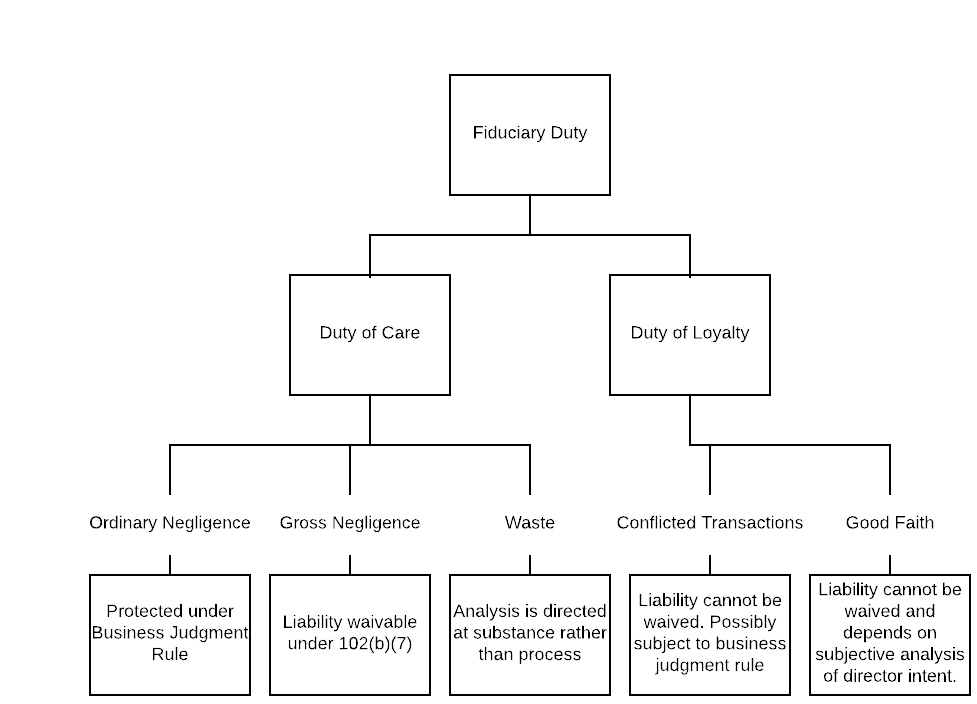
Commingling occurs when an insurance producer mixes collected premium funds with the producer's personal funds.
It does not matter if you plan to move the money to the correct account tomorrow; the instant the funds share an account, the fiduciary trust is broken. Furthermore, commingling collected premium funds with an agency's operating funds is a prohibited sales practice. A producer must use separate, dedicated trust accounts. Paying your agency's electric bill or payroll out of the same account that holds client premiums is a fast track to losing your license.