Producer Responsibilities and Fiduciary Duties
Not sure you’re ready?
Take the ~3-minute readiness diagnostic and see where you stand.
Imagine you are standing between two highly fortified vaults. One vault belongs to an insurance company, holding the immense capital required to rebuild cities after a hurricane and defend businesses from catastrophic liability. The other vault belongs to a local business owner or a family, holding their hard-earned cash and their financial future. As an insurance producer, you are the sole conduit between these two vaults. When a client hands you a premium check, they are not buying a tangible good like a steel beam or a tractor; they are buying an invisible, contractual promise. Because you are the physical bridge transferring their wealth in exchange for a future guarantee, the law imposes upon you the highest level of responsibility known in commerce.

At the core of an insurance producer's professional existence is a legal and ethical concept known as fiduciary duty. By definition, a fiduciary is an individual who holds a position of financial trust and confidence. You are not merely a salesperson; you are a trusted custodian of wealth and risk. Therefore, an insurance producer acts as a fiduciary when handling premium funds for an insurance transaction.
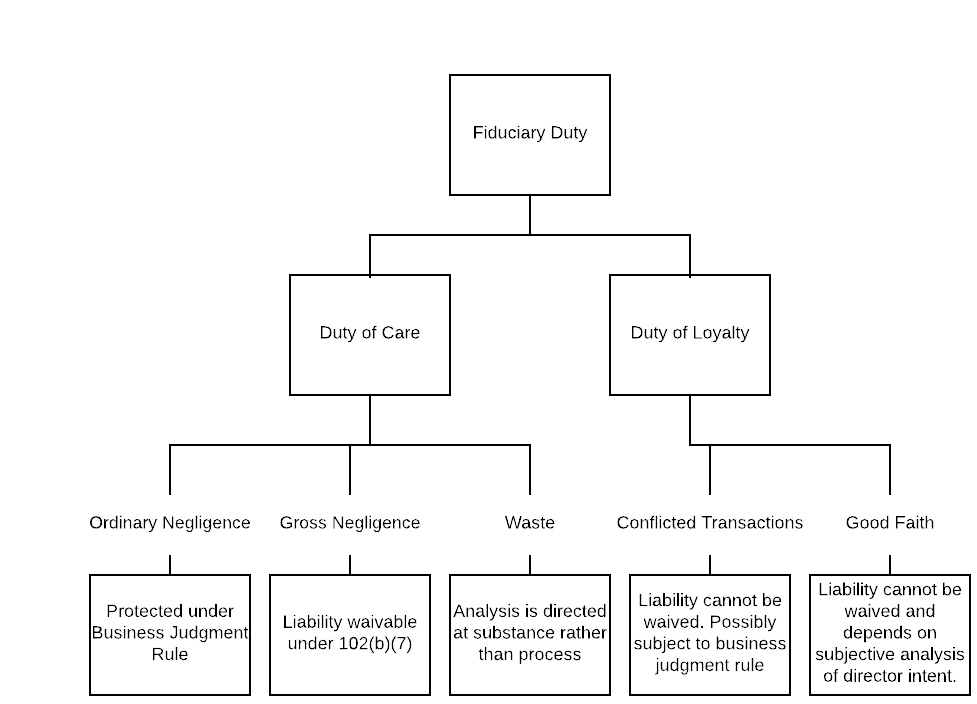
What makes the producer’s role uniquely complex in the financial world is the dual nature of this allegiance.
- An insurance producer owes a fiduciary duty to the insurance company to ensure that the risks are accurately represented and that the insurer's money is safeguarded.
- Simultaneously, an insurance producer owes a fiduciary duty to the insured client to ensure their funds are properly applied and their assets are appropriately protected.
This dual duty dictates exactly how money must flow through your hands. The funds never truly belong to you. When a client pays you for a policy, an insurance producer holds collected premium payments in trust on behalf of the insurer. The moment you accept that check, the law views those funds as belonging to the insurance company. Consequently, an insurance producer must promptly remit collected premium funds to the insurer to bind the coverage and satisfy the contract.
The flow of money operates in reverse as well. If a policy is canceled mid-term or heavily modified, the insurer will issue a refund of the premium that was paid but not yet used. In this scenario, an insurance producer holds return premiums in trust on behalf of the insured, and an insurance producer must promptly return unearned premiums to the client. Any delay in transferring these funds breaks the fundamental laws of fiduciary responsibility.
Because premium money does not belong to you, it must be subjected to a strict physical separation from your own money. To understand this, we must look at the mechanics of an agency's cash flow.
An insurance agency has everyday expenses: rent, payroll for customer service representatives, marketing, and electricity. These are paid out of a general operating account. Then, there is the client money. These two streams of capital must never intersect. Insurance regulations strictly prohibit the commingling of premium funds.
Commingling is the unauthorized mixing of funds. Specifically, commingling is the unauthorized mixing of a producer's personal funds with client premium funds, or the unauthorized mixing of agency operating funds with client premium funds.
To guarantee this separation, an insurance producer must maintain a separate premium trust account for client funds. The sole purpose of a premium trust account isolates client funds from the agency's general operating account.
There is exactly one, highly specific exception to the absolute separation of these accounts: A producer may deposit personal funds into a premium trust account solely to pay bank fees. For instance, if the bank charges a $15 monthly maintenance fee for the trust account, the producer can keep a small cushion of their own money in the account to ensure client funds are never accidentally depleted by bank charges.
Beyond that single exception, the wall between the accounts is impenetrable. An insurance producer must not use premium trust funds to pay agency operating expenses. If your agency is short on rent one month, you cannot "borrow" from the premium trust account with the intention of paying it back later. Doing so crosses the line from procedural error into theft.
When an agent crosses that line, the terminology shifts from commingling to misappropriation. Misappropriation occurs when an insurance producer improperly converts premium funds for personal use. Because the entire insurance industry relies on the absolute certainty of capital reserves, misappropriating premium funds is a criminal offense under insurance regulatory frameworks. It is not merely a fineable error; it is a crime that results in license revocation and potential imprisonment.
| Feature | Agency Operating Account | Premium Trust Account |
|---|---|---|
| Purpose | To run the daily business of the agency. | To hold client premiums and insurer refunds. |
| Funding Source | Earned commissions, agency loans, personal capital. | Client premium payments, insurer return premiums. |
| Permitted Expenses | Rent, payroll, marketing, utilities. | Remitting premiums to insurers, returning refunds to clients. |
| Bank Fees | Paid from operating funds. | Producer may deposit personal funds here only to cover bank fees. |
Human memory is a notoriously flawed recording device. In an industry built entirely on contractual promises, we cannot rely on memory when a catastrophic loss occurs. If a warehouse burns down and the owner claims they asked for $5,000,000 in coverage, but the policy only shows $2,000,000, the dispute will be resolved by examining the producer's documentation.
For this reason, state insurance regulations require producers to maintain detailed records of all insurance transactions. You are creating an immutable ledger of reality.
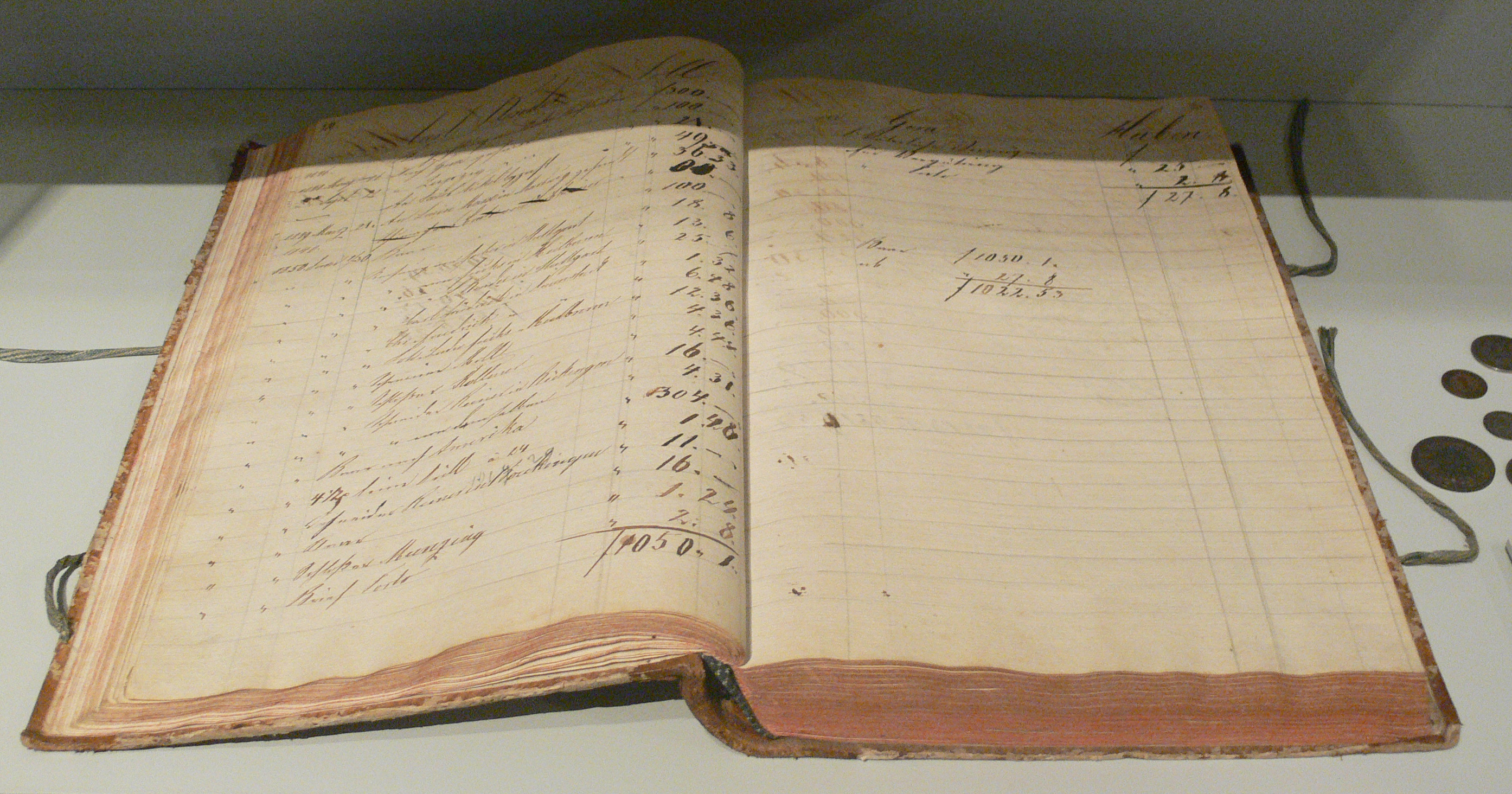
To be considered complete, insurance transaction records must include copies of client applications, proving exactly what the client requested and the risk they represented. Furthermore, insurance transaction records must include copies of issued policies, demonstrating the exact terms the insurer agreed to provide. Finally, to prove that the fiduciary duty of money handling was met, insurance transaction records must include financial ledgers of premium payments, tracking every dollar from the client's hand, into the trust account, and out to the insurer.
How long must you hold onto these records? An insurance producer must retain client transaction records for a minimum statutory period specified by state law. While the exact number of years (often 3 to 5 years) varies by jurisdiction, the underlying principle is universal: the records must survive long enough to outlast standard liability statutes of limitations. Recognizing the modern realities of data storage, an insurance producer may typically store transaction records in electronic formats, provided they are secure, backed up, and readily accessible.
These records are not for your eyes only. The state government acts as the ultimate guarantor of the insurance market's integrity. Consequently, the State Insurance Commissioner possesses the authority to inspect an insurance producer's business records at any time. This is not a polite request; it is a regulatory demand. An insurance producer must provide business records to the State Insurance Department upon official request. Refusal to produce the ledger is an immediate violation of your license terms.
Even the most brilliant physicists make calculation errors. Insurance producers are equally human. Despite rigorous recordkeeping and ethical intentions, mistakes happen. A calendar reminder is dismissed, a decimal point is shifted on a property valuation, or a confusing endorsement is poorly explained.
To protect the public and the producer from the financial devastation of a professional mistake, the industry relies on specialized liability coverage. Errors and Omissions insurance protects an insurance producer against financial liability arising from professional negligence. It functions exactly like malpractice insurance for a doctor.
If a client suffers a massive uninsured loss due to a producer's mistake, they will sue the agency. Even if the producer is entirely innocent and ultimately wins in court, the legal fees required to prove that innocence can easily bankrupt an agency. Therefore, a critical feature is that Errors and Omissions insurance covers the cost of legal defense for an insurance producer facing a negligence claim, paying for the attorneys necessary to mount a defense.
What triggers these claims in the real world of an insurance agency?
- Failing to place requested coverage for a client is a common trigger for an Errors and Omissions claim. (e.g., A client requests that a newly purchased commercial delivery van be added to their policy. The producer takes the notes but gets distracted and forgets to process the endorsement. The next day, the van causes a multi-car collision. The insurer denies the claim because they never received the request. The client sues the producer.)
- Giving incorrect advice about policy coverages can trigger an Errors and Omissions claim against a producer. (e.g., A producer incorrectly assures a restaurant owner that their standard commercial property policy covers flood damage. When a river overflows and destroys the kitchen, the loss is excluded. The client sues the producer for the bad advice.)
- Failing to properly renew a client's policy can trigger an Errors and Omissions claim. (e.g., A producer fails to forward a renewal notice or follow up on a missing signature, allowing a liability policy to lapse just days before a customer slips and falls on the client's premises.)

However, it is crucial to understand the boundaries of this safety net. Errors and Omissions insurance covers accidents, oversights, and negligence. It does not cover malice.
Errors and Omissions insurance explicitly excludes coverage for a producer's intentional fraud. If you deliberately falsify a client's loss history to get them a cheaper rate, your E&O policy will step back and offer no protection when the fraud is discovered. Furthermore, Errors and Omissions insurance excludes coverage for an insurance producer's criminal acts. If a producer is caught misappropriating premium funds from the trust account, they cannot file an E&O claim to pay back the stolen money or cover their legal defense in criminal court.
You are the bridge between capital and risk. By strictly maintaining your fiduciary duties, meticulously isolating client funds in trust accounts, preserving a perfect ledger of your transactions, and carrying E&O insurance for inevitable human error, you ensure that this bridge remains unbreakable.