Nonforfeiture Options, Dividends, and Policy Loans
Not sure you’re ready?
Take the ~3-minute readiness diagnostic and see where you stand.
Imagine pouring water into a heavy oak barrel month after month. Every drop represents a premium payment on a permanent life insurance policy. Over the decades, that barrel fills up with a highly valuable reservoir of equity called cash value. If the policyowner suddenly encounters a financial hardship and stops pouring water in—meaning they stop paying their premiums—what happens to the water already inside?

The law dictates that the insurance company cannot simply confiscate the barrel. The equity belongs to the policyowner. This fundamental principle—that equity in a cash-value policy is protected—is the foundation of nonforfeiture law.
As a life insurance producer, you will routinely sit across from clients who are terrified of "losing everything" if they miss a payment. Your professional competence depends entirely on your ability to explain exactly how cash value is protected, accessed, and leveraged. We will deconstruct the mechanical rules governing nonforfeiture options, the distribution of mutual company dividends, the mechanics of policy loans, and the process of bringing a lapsed policy back from the dead.
Nonforfeiture options are required in life insurance policies that accumulate cash value. Their specific legal purpose is to prevent the policyowner from losing the cash value if a permanent life insurance policy lapses due to non-payment of premiums.
Because this equity is so strictly protected, the policyowner must select a nonforfeiture option when applying for a cash-value life insurance policy. If a premium goes unpaid and the grace period expires, the insurer will immediately execute the chosen safety net. If the applicant left that box blank on the application, the insurer will automatically apply the default option, which is almost always Extended Term insurance.
When a policy lapses, the policyowner can direct the insurer to use the accumulated cash value in one of three ways:
A. Cash Surrender Option
The simplest route is to take the money and walk away. The Cash Surrender nonforfeiture option allows the policyowner to receive the policy's net cash value upon cancellation.
While straightforward, this choice has severe, irreversible consequences:
- Immediate Termination: Once a policyowner selects the Cash Surrender option, the life insurance coverage is immediately terminated.
- No Reinstatement: A life insurance policy cannot be reinstated after the policyowner has chosen the Cash Surrender nonforfeiture option. The contract is dead.
- Surrender Charges: It is crucial to warn clients that a cash surrender value may be subject to a surrender charge during the early years of a life insurance policy, meaning they will receive slightly less than the gross accumulated value.
B. Reduced Paid-Up Option
Suppose an insured 60-year-old can no longer afford the premiums on their $500,000 whole life policy, but they still want permanent coverage. The Reduced Paid-Up option solves this by using the policy's cash value as a single net premium to purchase a fully paid-up policy.
- Same Coverage, Smaller Benefit: A Reduced Paid-Up policy provides the exact same type of life insurance coverage as the original policy. However, because you are only using the accumulated cash value (and not paying any more premiums), the death benefit of a Reduced Paid-Up policy is lower than the original policy's death benefit.
- Ongoing Growth: Importantly, because it remains a permanent policy, a Reduced Paid-Up life insurance policy will continue to build cash value over time.
C. Extended Term Option (The Default)
If the policyowner needs to maintain their full original death benefit to protect their family, they can select the Extended Term option. This uses the policy's cash value to purchase a term insurance policy.
- Identical Death Benefit: The term insurance purchased under the Extended Term option has a death benefit equal to the original policy's death benefit.
- Limited Duration: The catch is time. The duration of coverage under the Extended Term option is strictly determined by the amount of cash value available at the time of lapse. A large cash value might buy 15 years of term coverage; a small cash value might only buy 2 years.
- No Equity Growth: Unlike the Reduced Paid-Up option, an Extended Term life insurance policy does not accumulate any additional cash value. It is purely temporary protection.
Why This Matters: Clients often assume that if they stop paying, they lose everything. You must confidently explain that their equity buys them a choice: cash in hand, a smaller permanent policy, or a temporary extension of their current coverage.
If you sell a policy issued by a mutual life insurance company, you will deal heavily with dividends. Mutual life insurance companies typically issue participating policies that pay dividends to policyowners.
To understand how dividends are taxed and managed, you must understand what they actually are. In the eyes of the IRS, life insurance dividends are legally considered a return of excess premium. When a mutual company calculates its premium for the year, it makes conservative estimates about mortality, operating expenses, and interest. If fewer people die than expected, or investments perform better than projected, the company has a surplus. They return this overcharge to the policyholders.
Because of this legal definition, two absolute rules apply:
- Life insurance dividends are not guaranteed. (A company cannot guarantee a surplus).
- Life insurance dividends themselves are generally not taxable as income. (You are simply getting your own overpaid money back, which was already taxed).
The policyowner can change their selected dividend option at any time. The standard options are easily remembered by the acronym CRAPO:
Cash
The Cash dividend option is exactly what it sounds like: the insurer simply sends a check directly to the policyowner for the declared dividend amount.
Reduction of Premium
The Reduction of Premium dividend option applies the dividend amount toward the payment of the next policy premium due. If the annual premium is $1,200 and the dividend is $200, the client only writes a check for $1,000 next year.
Accumulate at Interest
The Accumulate at Interest dividend option leaves the dividends with the insurer in a separate account that earns interest. The policyowner can withdraw these accumulated dividends from the insurer at any time.
- Tax Trap: While the dividend itself is a tax-free return of premium, the interest earned on dividends left with the insurer is taxable as ordinary income in the year the interest is credited. The IRS views the interest as new wealth generated by a bank, subject to standard taxation.
Paid-Up Additions (The Default)
Paid-Up Additions is typically the default dividend option for participating whole life insurance policies. It is also the most powerful tool for compounding wealth inside a policy. The Paid-Up Additions option uses the dividend to purchase a small, single-premium whole life policy that is stacked on top of the base contract.
- Dual Increase: Paid-Up Additions increase both the total death benefit and the total cash value of the base life insurance policy.
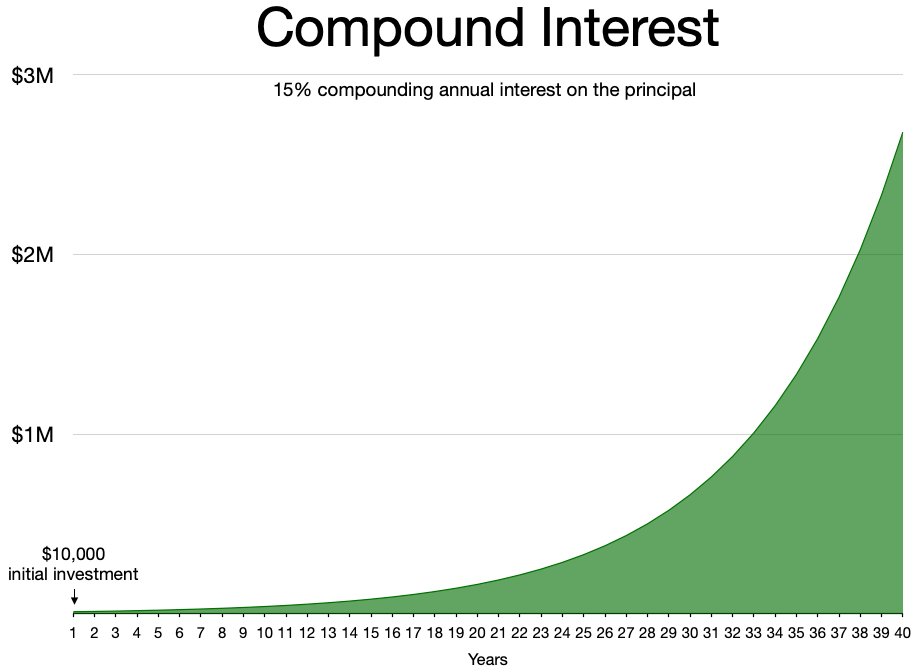
- The Snowball Effect: Each Paid-Up Addition accumulates its own cash value and is eligible to earn its own future dividends, creating an exponential compounding effect over a lifetime.
Paid-Up Option
Do not confuse Paid-Up Additions with the Paid-Up Option. The Paid-Up Option uses accumulated dividends and interest to pay off the base life insurance policy earlier than originally scheduled. For example, a client might use their dividends to fully pay up a "Life Paid-Up at 65" policy by age 58.
One-Year Term
The One-Year Term dividend option uses the dividend to purchase a single-year term insurance policy. The death benefit of the One-Year Term purchased with a dividend typically equals the current cash value of the base policy. This acts as an equity hedge: if the insured dies, their beneficiary effectively receives the base death benefit plus an amount equal to the cash value.
When a client needs liquidity, they have two primary ways to access the equity in their life insurance policy: taking a loan against it, or withdrawing from it. The mechanics, taxation, and policy types vary drastically between the two.
Policy Loans
Policy loans are only available on life insurance policies that have an accumulated cash value (such as Whole Life).
The most common misunderstanding among consumers is that a policy loan involves taking their own money out of the cash value. This is factually incorrect. The life insurance company uses the policy's cash value as collateral when issuing a policy loan. The insurer hands the client money from the company's general account, while placing a lien against the client's cash value.
Because you are borrowing money (not recognizing a gain), a policy loan is not taxable as income as long as the life insurance policy remains in force.
However, because it is a true loan:
- Interest: Life insurance companies charge an annual interest rate on outstanding policy loans.
- Capitalization: Unpaid policy loan interest is added to the principal balance of the policy loan.
- Death or Lapse: An outstanding policy loan balance is deducted from the death benefit if the insured dies before the loan is repaid. Furthermore, if the outstanding policy loan and accumulated interest exceed the policy's total cash value, the life insurance policy will lapse.
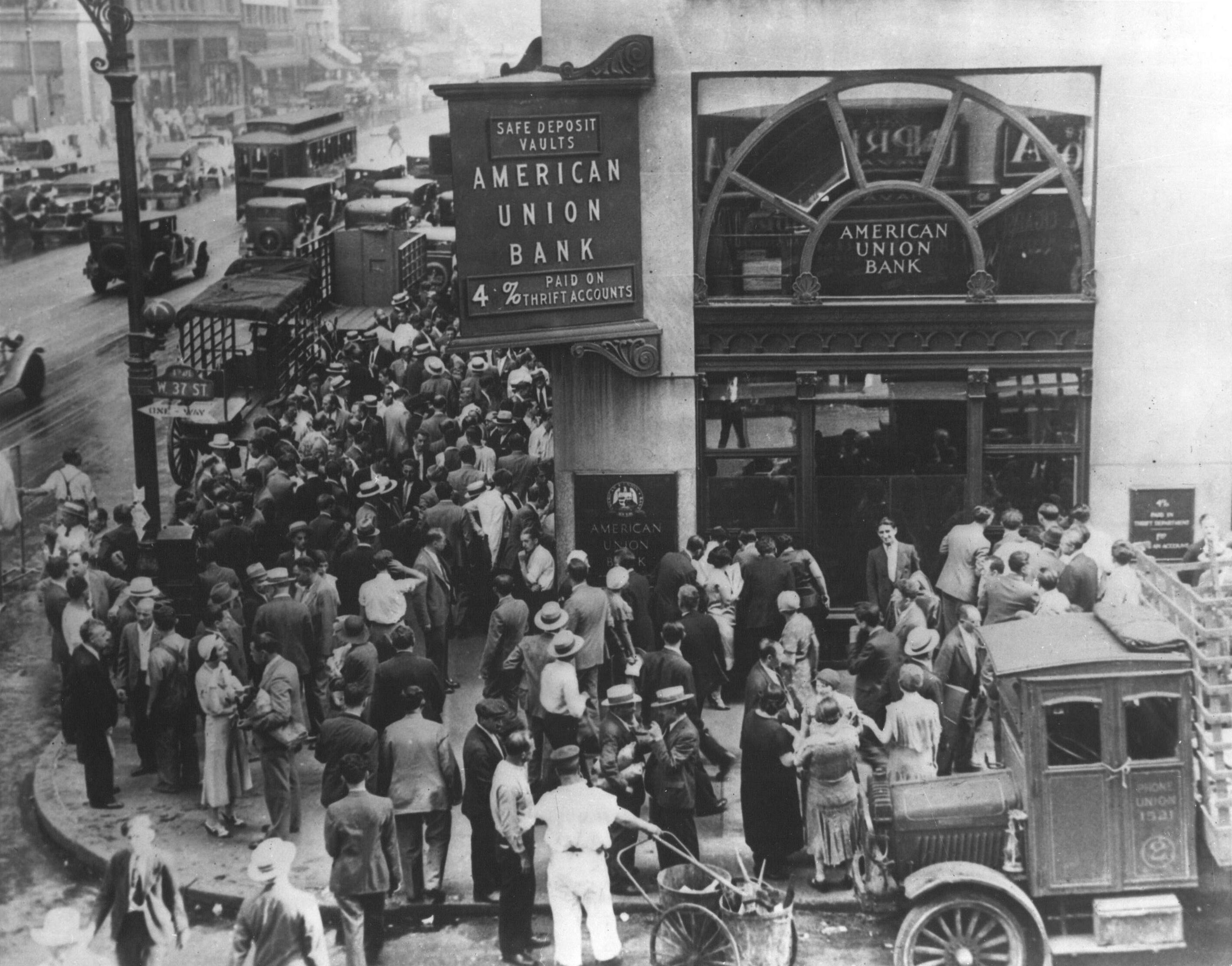
Note on liquidity: While insurers typically process loans immediately, life insurance companies may legally defer a request for a policy loan for up to six months. (This is a Depression-era safeguard to prevent runs on the insurer's reserves).
The Automatic Premium Loan (APL) Provision
One of the most vital riders an agent can offer is the Automatic Premium Loan. An Automatic Premium Loan provision automatically pays a missed premium using a loan against the policy's cash value.
- The Purpose: The Automatic Premium Loan prevents a cash-value life insurance policy from lapsing unintentionally at the end of the grace period.
- The Mechanics: The Automatic Premium Loan provision must be explicitly elected by the policyowner; it is rarely automatic by default. Because it is a loan, an Automatic Premium Loan incurs annual interest charges just like a standard policy loan.
Withdrawals (Partial Surrenders)
Withdrawals operate on entirely different physics than loans. Withdrawals or partial surrenders are typically permitted only in universal life or variable universal life insurance policies. You cannot typically execute a partial withdrawal on a traditional whole life policy.
Unlike a loan, a withdrawal literally scoops water out of the barrel. Therefore:
- Permanent Reduction: A partial withdrawal permanently reduces the death benefit of a universal life policy by the withdrawal amount.
- No Repayment: A partial withdrawal from a universal life policy cannot be repaid to the cash value account. Once the money is out, it is gone forever.
- FIFO Taxation: Partial withdrawals from life insurance are generally taxed on a first-in, first-out (FIFO) basis. Under the first-in, first-out accounting method, partial withdrawals are tax-free up to the total amount of premiums paid into the policy. (For example, if a client paid $30,000 in premiums over 10 years, and the cash value grew to $50,000, the client can withdraw their first $30,000 entirely tax-free).
If a policyowner fails to pay a premium, does not have an Automatic Premium Loan, and lets the grace period expire, the policy lapses. If they did not elect to surrender the policy for cash, the reinstatement provision allows a policyowner to restore a lapsed life insurance policy to active status.
Why go through the hassle of reinstating an old policy instead of just buying a new one? Because reinstating a lapsed policy retains the insured's original issue age for premium calculation purposes. If a client bought a policy at age 25, lapsed it at age 30, and reinstates it, they will continue paying the incredibly cheap premium of a 25-year-old for the rest of their life.
To protect the insurer against adverse selection (e.g., a client only deciding to reinstate because they were just diagnosed with terminal cancer), the reinstatement process is rigorous:
- Time Limit: Most life insurance policies limit the reinstatement period to three to five years after the initial lapse date.
- Evidence of Insurability: A policyowner must provide new evidence of insurability (undergo medical underwriting again) to reinstate a lapsed life insurance policy.
- Back Premiums: Reinstating a lapsed life insurance policy requires the payment of all past due premiums plus accumulated interest.
- Loan Repayment: Finally, reinstating a policy requires the repayment or reinstatement of any policy loans that were outstanding at the time of lapse.
Reminder: As noted earlier in the Nonforfeiture section, reinstatement is completely impossible if the policyowner executed the Cash Surrender option upon lapse. Cash surrender severs the contract permanently.
Summary for the Professional Producer
When you pass your exam and sit down with your first client, you are not selling abstract legal concepts; you are selling financial architecture.
- Nonforfeiture Options are the structural safeguards guaranteeing your client will never lose their equity if times get tough.
- Dividends (especially Paid-Up Additions) are the engines of compounding, tax-advantaged wealth.
- Policy Loans and FIFO Withdrawals are the doors through which your clients can access their liquid capital without triggering catastrophic tax liabilities.
- Reinstatement is the emergency protocol to salvage their original issue age.
Master these rules. They are the mechanisms that make permanent life insurance one of the most resilient financial instruments in existence.