Third-Party Ownership and Life Settlements
Not sure you’re ready?
Take the ~3-minute readiness diagnostic and see where you stand.
At its core, a life insurance contract is a piece of legal property, distinct from the human life it insures. Because the policy is a financial asset, the rights of ownership can be separated from the individual whose life is being measured. When the person paying the premiums and holding the contractual rights is not the person whose life is on the line, the policy operates under a distinct set of legal and economic rules. For an insurance producer, mastering the mechanics of how these policies are originated, transferred, and ultimately liquidated is essential. You are not merely selling a death benefit; you are brokering a highly regulated financial instrument that can be bought, sold, and traded on the open market.
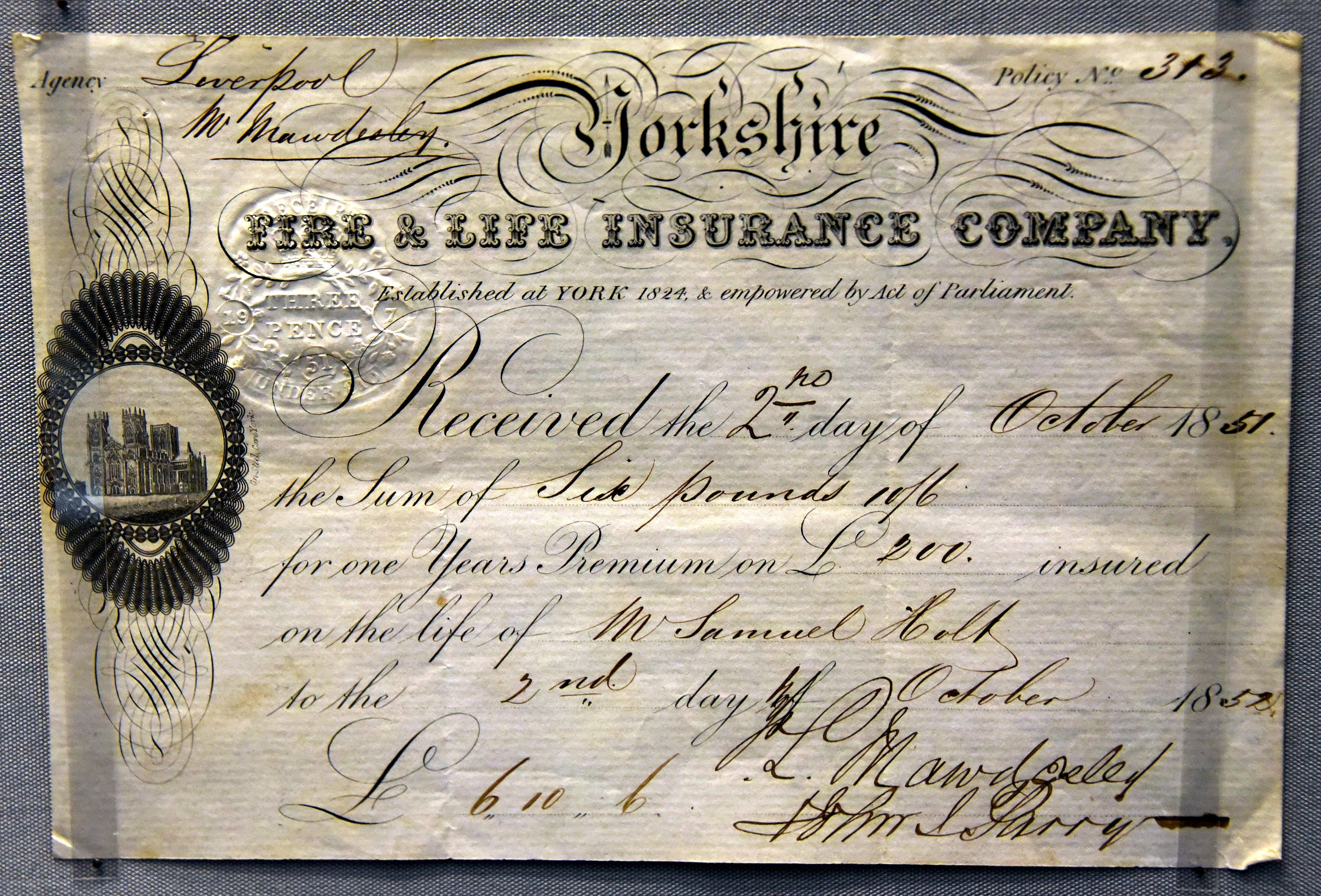
Third-party ownership occurs when the owner of a life insurance policy and the insured are two different individuals or entities. In the standard model of life insurance, a person buys a policy on their own life to protect their own dependents. In third-party ownership, the financial protection is directed outward.
As an insurance producer, you will facilitate these arrangements constantly. Two of the most frequent applications in daily practice include:
- Family Planning: A parent purchasing a life insurance policy on a minor child is a common example of third-party ownership. The parent owns the policy, pays the premium, and controls the cash value, while the child is the insured.
- Corporate Protection: A business purchasing a life insurance policy on a key employee is a common example of third-party ownership. The business acts as the owner, premium payer, and beneficiary, protecting itself against the financial shock of losing a vital executive.
The Anchor of Insurable Interest
The legal foundation that prevents third-party ownership from becoming a simple wager on a human life is insurable interest. To prevent individuals from buying policies on strangers and profiting from their deaths, the law requires a demonstrated financial or emotional stake in the continued life of the insured.
Crucial Exam Rule: In third-party ownership, the applicant must have a valid insurable interest in the insured at the time of the policy application.
However, insurance law recognizes that relationships evolve. Business partners retire; spouses divorce. Therefore, insurable interest is the "ticket for admission," but it is not required for the duration of the ride. Insurable interest is only required at the inception of a life insurance policy and is not required at the time of the insured's death. If a business buys a key-person policy on an executive who later leaves the company, the business can legally retain the policy, continue paying premiums, and eventually collect the death benefit long after the insurable interest has dissolved.
Because a life insurance policy is recognized as personal property, the policyowner possesses the absolute right to assign or sell a life insurance policy to another party without the insurer's consent.
This absolute property right gives rise to the secondary market for life insurance. A policyowner facing financial hardship, or one who simply no longer needs coverage, is not restricted to merely surrendering the policy to the insurance company for its cash value. They can sell the policy to a third party. Selling a life insurance policy through a viatical or life settlement permanently transfers all policy ownership rights to the buyer.
The secondary market was originally born out of the HIV/AIDS epidemic in the 1980s, when young men facing terminal diagnoses needed immediate capital to fund experimental treatments. This created the viatical settlement.
A viatical settlement is the sale of an existing life insurance policy by a terminally or chronically ill insured to a third party.

To properly navigate this space, you must understand the specific legal definitions of the parties involved:
- Viator: A viator is the original policyowner who sells their life insurance policy in a viatical settlement.
- Viatical Settlement Provider: A viatical settlement provider is the person or company that purchases a life insurance policy from a viator. They provide the capital.
- Viatical Settlement Broker: A viatical settlement broker is an agent who represents the viator and negotiates the best possible offer from settlement providers.
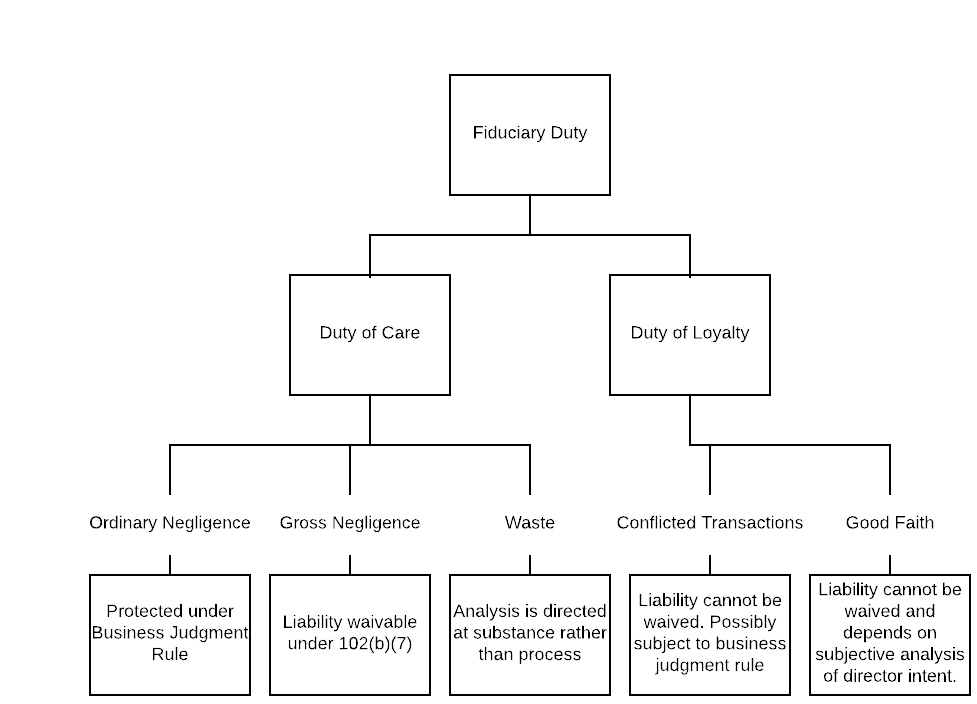
Because the viator is in a highly vulnerable medical and financial state, the law heavily regulates the broker's behavior. A viatical settlement broker owes a strict fiduciary duty to the viator during the settlement transaction, meaning they must act solely in the best financial interest of the sick individual, not the institutional buyer.
Medical Triggers and Financial Mechanics
To qualify for a viatical settlement, the insured must meet specific medical thresholds recognized by state law:
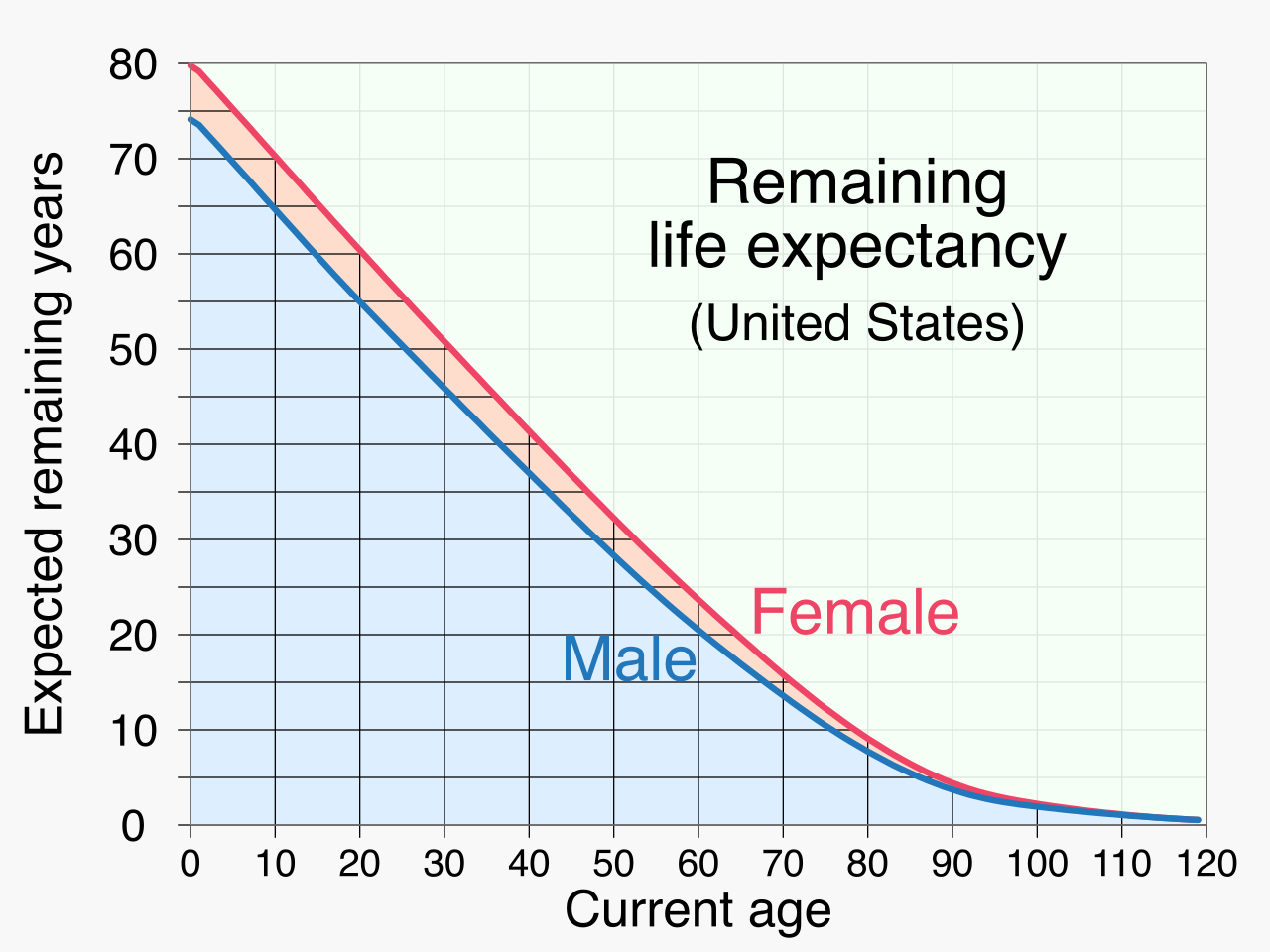
- Terminally Ill: A terminally ill individual typically has a physician-certified life expectancy of 24 months or less.
- Chronically Ill: A chronically ill individual is typically defined as someone who is unable to perform at least two activities of daily living (ADLs), such as bathing, dressing, or eating, without substantial assistance.
When a viatical settlement is executed, it pays the viator a lump sum that is greater than the policy's cash surrender value, but less than the policy's total death benefit. For example, if a terminally ill patient owns a policy with a $500,000 death benefit and a $50,000 cash surrender value, the viatical settlement provider might purchase the policy for $300,000. The viator receives immediate capital to improve their quality of life. The provider assumes the premium payments and eventually collects the $500,000 death benefit when the viator passes away.
Because public policy favors supporting the terminally ill, proceeds from a viatical settlement are generally received entirely tax-free by a terminally ill viator.
As the viatical market matured, institutional investors realized that non-terminal seniors also possessed highly valuable, unwanted life insurance policies. This realization birthed the life settlement industry.
A life settlement is the sale of an existing life insurance policy to a third party by a policyowner who is not terminally ill.
Life settlements are most frequently utilized by senior citizens over the age of 65 who no longer need or can afford their life insurance coverage. Often, their children are financially independent, their estates no longer face heavy tax burdens, or the rising cost of universal life premiums has simply outpaced their fixed retirement incomes.
Mechanics and Regulatory Safeguards
The transaction functions similarly to a viatical settlement, but with key distinctions in regulation and taxation. In a life settlement, the settlement provider becomes the new policyowner and names a new beneficiary for the death benefit. Critically, the purchaser of a life settlement assumes the responsibility of paying all future premiums on the life insurance policy to keep it in force until the insured's death.
Because the insured is not facing imminent death, states have enacted strict privacy and competency safeguards:
- Privacy: During a life settlement transaction, the insured must provide written consent for the release of their medical records to the settlement provider, allowing the provider's actuaries to estimate life expectancy.
- Competency: A life settlement provider must obtain a written statement from the attending physician confirming that the insured is of sound mind before completing a purchase. This prevents the financial exploitation of seniors experiencing cognitive decline.
- Seasoning Requirements: To prevent speculation, most states require a life insurance policy to be active for at least two to five years before the policyowner can sell the policy in a life settlement.
Finally, the tax treatment diverges sharply from the viatical market. Unlike viatical settlements, a portion of the proceeds received from a life settlement may be subject to income taxation. The amount received up to the total premiums paid (cost basis) is tax-free; the amount from the cost basis up to the cash surrender value is taxed as ordinary income; and any remaining profit is taxed as a capital gain.
Viatical vs. Life Settlements: Exam Comparison
| Feature | Viatical Settlement | Life Settlement |
|---|---|---|
| Health of Insured | Terminally or chronically ill (typically < 24 months). | Not terminally ill (typically seniors 65+). |
| Taxation of Proceeds | Generally entirely tax-free. | Partially taxable (income and capital gains). |
| Primary Motivation | Fund severe medical care and living expenses. | Policy no longer needed or premiums unaffordable. |
| Policy Seasoning | Often waived due to sudden terminal diagnosis. | Requires 2 to 5 years of active policy history. |
Both viatical and life settlements are fundamentally legal transactions because they involve the sale of a policy that was originally purchased for a valid reason. Life settlements are legally valid because a true insurable interest existed at the time the policy was originally purchased.
However, the profitability of the secondary market attracted bad actors attempting to manufacture life insurance policies purely for investment purposes.
Stranger-Originated Life Insurance (STOLI) is an arrangement where an investor initiates a policy on a stranger with the intent of selling the policy immediately.
Note: Investor-Originated Life Insurance (IOLI) is another industry term used to describe Stranger-Originated Life Insurance (STOLI).
In a STOLI transaction, an investor group approaches a healthy senior citizen and offers to pay them a lump sum (e.g., $10,000) simply to apply for a massive life insurance policy. The investors pay the premiums for the requisite two-year seasoning period, after which the senior formally transfers ownership to the investors, who then wait to collect the tax-free death benefit.
These arrangements are uniformly banned across the United States. Stranger-Originated Life Insurance (STOLI) arrangements violate the legal requirement of having an insurable interest at policy inception. By paying a senior to originate a policy they never intended to keep, the investors are effectively purchasing a policy on a stranger, stripping away the foundational concept of insurable interest and reducing life insurance to a macabre wager on human life. As a licensed producer, distinguishing between a legitimate secondary market transaction and a fraudulent STOLI scheme is both a legal requirement and an ethical mandate.