Declarations, Insuring Agreement, Conditions, and Exclusions
Not sure you’re ready?
Take the ~3-minute readiness diagnostic and see where you stand.
Every mechanical system relies on an underlying blueprint that governs its operation, dictates its boundaries, and outlines the precise conditions under which it functions. A property and casualty insurance policy operates on the same principle; it is a highly engineered financial machine designed to transfer risk. Rather than gears and pulleys, this machine operates on legal provisions. To master insurance and successfully architect risk management strategies for your future clients, one must first dissect its anatomy. The foundational architecture of every standard property and casualty insurance policy rests on four essential pillars, universally remembered by the acronym DICE: Declarations, Insuring Agreement, Conditions, and Exclusions.
Together, Declarations, Insuring Agreement, Conditions, and Exclusions form the four essential sections of a standard property and casualty insurance policy. If you understand how these four components interact, you can dismantle, interpret, and explain any property, auto, or commercial policy placed in front of you.
Standard insurance forms are drafted to apply to millions of people. But risk is highly individual. Therefore, we must have a mechanism to attach a universal contract to a singular reality.
The Declarations page serves to personalize a standard insurance policy to a specific insured individual or business. Because it is the "who, what, where, and how much" of the contract, the Declarations page is typically the first page of a property and casualty insurance policy. When a client calls your office in a panic because a tree just crushed their roof, this is the very first page you will pull up on your screen.
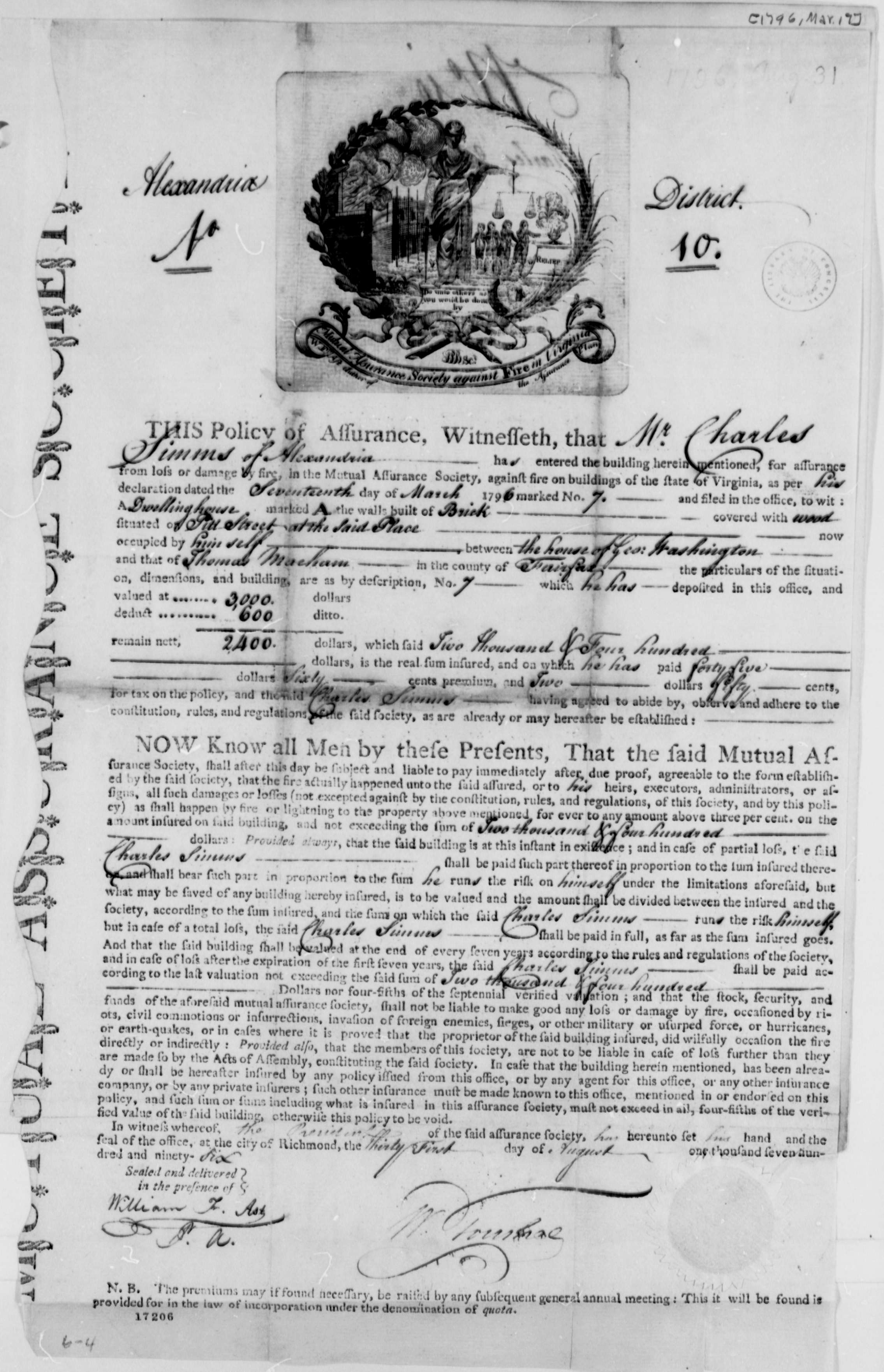
What exactly will you find there? The Declarations page anchors the abstract policy into reality by stating absolute facts:
- The Parties: It lists the exact legal name and mailing address of the named insured.
- The Timeframe: It specifies the policy period by stating the exact inception and expiration dates of the coverage. Insurance is temporal; a fire at 11:59 PM might be covered, while a fire at 12:01 AM might not be, depending on these exact dates.
- The Location: It identifies the physical address and location of the insured property. You cannot insure a warehouse in Florida at the rates of a warehouse in North Dakota.
- The Money: It details the specific financial limits of liability for the insurance coverages provided. It also states the exact amount of the insurance premium charged for the policy.
- The Skin in the Game: It lists the specific deductible amounts that will be applied to covered property losses (for example, a $1,000 deductible before the policy begins to pay).
- Third-Party Interests: Finally, it identifies any mortgagees or lienholders that have a financial interest in the insured property. If a bank loaned your client $300,000 to buy a house, the bank has a vested financial interest in the preservation of that asset, and the Declarations page legally acknowledges this relationship.
If the Declarations page is the calibration of the machine, the Insuring Agreement is its engine.
The Insuring Agreement contains the primary contractual promise made by the insurance company to the insured. This is where the abstract concept of "insurance" becomes a tangible, legally binding commitment. When you sell a policy, you are ultimately selling the promises written in this specific section.
The Insuring Agreement defines the broad scope of coverage provided by the insurance policy. It operates in two primary domains: property (first-party) and liability (third-party).
- For Property Losses: The Insuring Agreement explicitly states the insurance company's obligation to pay for covered losses. Furthermore, it outlines the specific perils or causes of loss covered by a property insurance policy.
- Note on structure: The way these perils are listed matters. A named peril policy explicitly lists the covered causes of loss directly within the Insuring Agreement. If a cause of loss (like a fire or windstorm) is written on that list, it is covered. If it is omitted, it is not.
- For Liability Claims: In the event your client is sued for negligence, the Insuring Agreement outlines the insurance company's duty to defend the insured against covered liability claims. This is a massive financial benefit. Even if a lawsuit against your client is completely frivolous, the insurance company promises to provide legal defense, which often costs tens of thousands of dollars before a judgment is even reached.
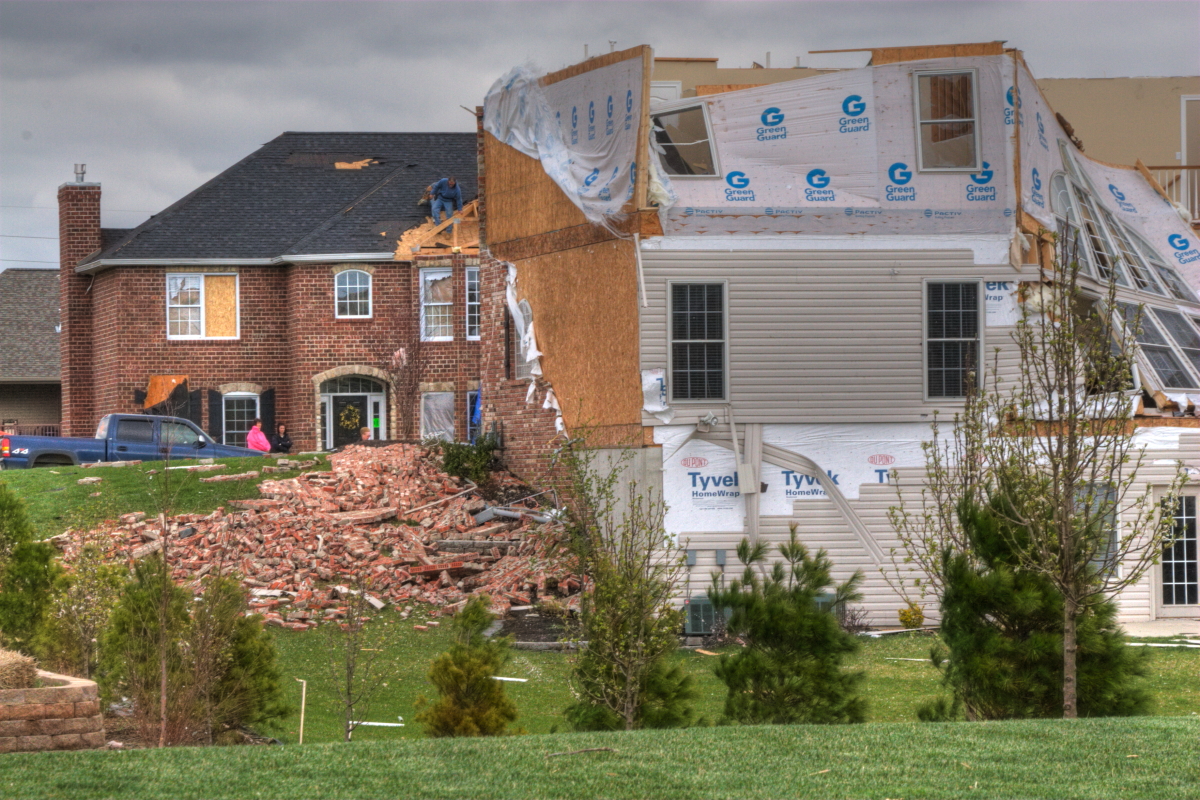
Why this matters to you: As a producer, you must read the Insuring Agreement carefully because it dictates the burden of proof. The breadth of the promise made here directly impacts how a claims adjuster will handle your client's loss.
A promise without rules is a blank check. Insurance relies on statistical predictability, and predictability requires strict rules of engagement.
The Conditions section establishes the rules of conduct required of both the insurance company and the insured. Think of these as the "If/Then" statements of the contract. The Conditions section establishes the specific duties and obligations required of both the insurance company and the insured.
Crucially, this section has teeth: An insurance company may deny coverage for a claim if the insured fails to meet the obligations listed in the Conditions section.
What are these obligations? Let us examine the mechanics embedded within the Conditions section:
Duties After a Loss
When chaos strikes, the insured cannot simply sit back and do nothing. The Conditions section specifies the strict duties the insured must perform immediately following a covered loss. Among these duties, the requirement to provide prompt notification of a claim to the insurer is located in the Conditions section. The insurer cannot investigate a scene if they do not know it exists. Furthermore, the obligation for an insured to submit a sworn proof of loss is found in the Conditions section, legally verifying the magnitude and details of the claim.
Contractual Clauses and Provisions
The Conditions section houses several standardized legal mechanisms that dictate how disputes and transactions are handled:
- The Appraisal Clause: Disagreements are inevitable. What happens if the insurer assesses a roof replacement at $12,000, but your client's contractor says it requires $20,000? The appraisal clause is a standard dispute resolution provision found in the Conditions section. Specifically, the appraisal clause provides a binding resolution method when the insurer and insured disagree on the financial amount of a property loss. It prevents the entire system from clogging the courts.
- The Subrogation Clause: The subrogation clause is a standard provision located in the Conditions section of a property and casualty policy. If a drunk driver crashes through your client's living room, the insurance company will pay to fix the house. But the financial energy of that loss shouldn't just vanish. The subrogation clause allows the insurer to pursue a negligent third party to recover claim payments made to the insured. The insurer steps into the legal shoes of your client, suing the at-fault driver to balance the books.
- The Liberalization Clause: Laws change, and insurance companies frequently update their standard forms. The liberalization clause is a standard policy provision located within the Conditions section. It states that if the insurer updates its policies to offer wider, more generous coverage without increasing the cost, your client gets that upgrade immediately. The liberalization clause automatically broadens existing policy coverage if the insurer adopts a broader form without charging an additional premium.
- The Assignment Provision: Insurance is a contract of personal trust between the insurer and the insured based on underwriting data. Therefore, the assignment provision is a standard contractual rule found in the Conditions section. It exists to stop unvetted risk transfers. The assignment provision strictly prohibits the insured from transferring the insurance policy to another party without the insurer's written consent. You cannot sell your house and simply hand your homeowner's policy to the new buyer; they must be underwritten themselves.
- Cancellation and Non-renewal: The relationship between insurer and insured is not eternally binding. The Conditions section outlines the procedural rules for cancelling or non-renewing the insurance policy, specifying how much written notice the insurer must provide to the client based on state laws.

If the Insuring Agreement is the accelerator, the Exclusions section is the brake. To maintain the financial solvency of the insurance pool, certain things simply cannot be covered.
The Exclusions section identifies the specific perils that are not covered by the insurance policy. It also identifies the specific types of property that are not covered by the insurance policy (such as contraband or pets), and identifies the specific situations or circumstances that void coverage under the insurance policy.
Why do exclusions exist? They are not arbitrary attempts to trick the consumer; they are mathematically and economically necessary.
- Uninsurable Risks: A primary purpose of policy exclusions is to eliminate coverage for fundamentally uninsurable risks such as war or nuclear hazards. The law of large numbers breaks down when a single event destroys everything at once. No private insurance company possesses the capital to indemnify a nuclear detonation.
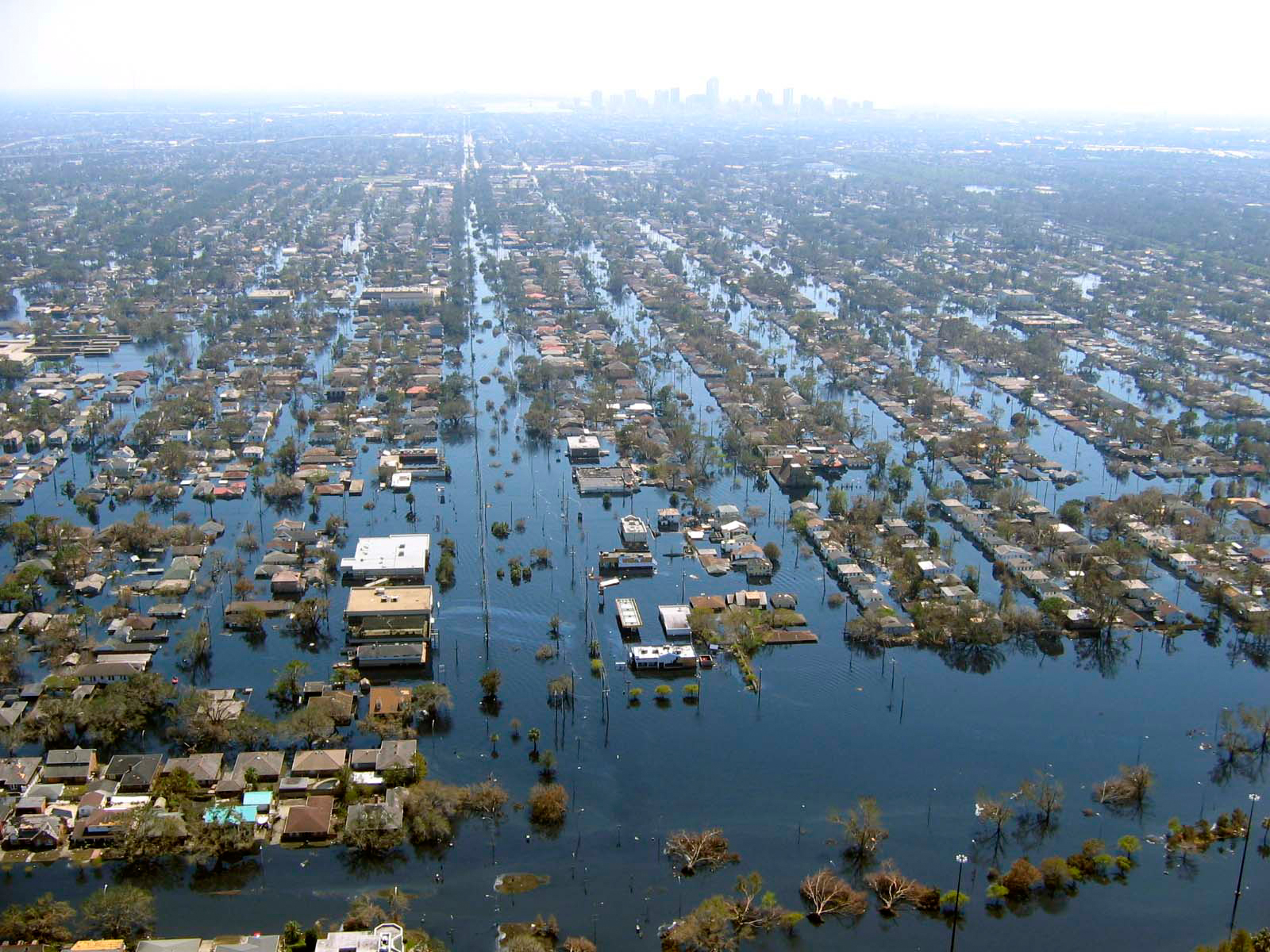
- Catastrophic Widespread Perils: Similarly, policy exclusions routinely restrict coverage for catastrophic widespread perils like floods and earthquakes in standard policies. Because floods affect entire topographies simultaneously, they require specialized, mathematically distinct insurance pools (like the National Flood Insurance Program).
- Moral Hazards: Insurance companies use policy exclusions to manage and reduce moral hazards. A moral hazard is a conscious behavioral shift where a person acts more recklessly because they are insured. Consequently, insurance companies use policy exclusions to eliminate coverage for intentional acts committed by the insured. If your client intentionally sets fire to their failing business to collect the insurance money, covering that act would incentivize arson and collapse the economic model of insurance.
- Duplication of Coverage: Insurance is designed to make an insured whole, not to allow them to profit by claiming the same loss on multiple policies. Policy exclusions help prevent the duplication of coverage that is designed to be provided by other specific types of insurance policies. For instance, a standard commercial general liability policy excludes workers' compensation injuries, precisely because a separate Workers' Compensation policy exists to handle that exact risk.
While DICE forms the core structure, a policy is legally navigated and modified using two additional tools: Definitions and Endorsements.
Definitions
Legal documents require immense precision. The word "auto" might mean a sedan to you, but does it include a forklift? A riding lawnmower? Many policies contain a Definitions section to clarify the exact legal meaning of important terms used throughout the contract. Whenever you see a word enclosed in quotation marks or bolded in a policy, the contract is signaling that you must refer to the Definitions section to understand its strict contractual boundary.
Endorsements
Standard forms are highly rigid, but the real world demands flexibility. We achieve this flexibility through endorsements.
Endorsements are written contractual addendums used to permanently modify the standard provisions of an original insurance policy. They act as an override code for the base machine.
- Adding Coverage: An endorsement can be used to add specific coverage to a property and casualty insurance policy. If a client has highly valuable diamond jewelry, the standard limits in the policy will not be sufficient. You, as the producer, will attach a "Scheduled Personal Property" endorsement to add the necessary coverage.
- Removing Coverage: Conversely, an endorsement can be used to delete specific coverage from a property and casualty insurance policy. If a commercial client wants a lower premium and agrees to self-insure a specific aspect of their risk, an endorsement can strike that peril from the policy.

The most critical rule to understand about endorsements is the hierarchy of contractual language. If an attached endorsement conflicts with the original standard policy provisions, the language in the endorsement takes legal precedence. The specialized addendum always overrules the generalized base text.
By mastering the mechanical functions of the Declarations, the Insuring Agreement, the Conditions, and the Exclusions—and understanding how Definitions clarify them and Endorsements modify them—you transition from a mere salesperson into a true architect of risk. You will not simply be reading documents to your clients; you will be deciphering the very physics of their financial protection.