Florida P&C Guaranty Association & Workers Compensation
Not sure you’re ready?
Take the ~3-minute readiness diagnostic and see where you stand.
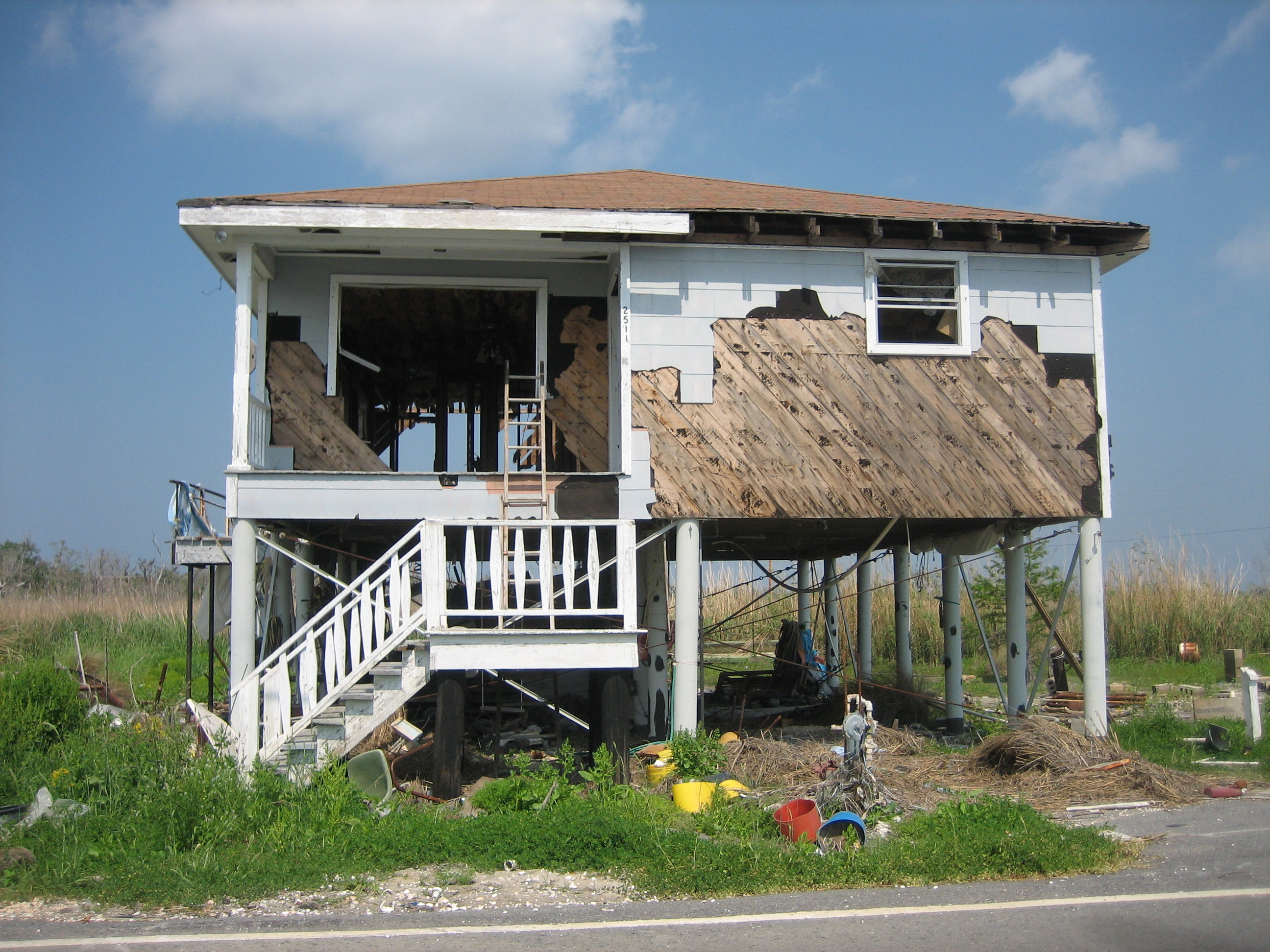
When a Category 5 hurricane devastates a Florida coastline, property owners look entirely to the insurance contracts you sold them to rebuild their lives. But what happens if the sheer volume of destruction forces the insurance company itself into bankruptcy? Alternatively, consider a mechanic severely crushed by a falling engine block. If that injured worker is forced into a multi-year legal battle to prove employer negligence just to get basic surgical care, the mechanic faces financial ruin long before seeing a courtroom. Insurance is fundamentally the business of transferring risk, but the system requires structural shock absorbers for when standard market mechanisms fail. Florida law mandates two immense, non-negotiable safety nets to prevent these specific economic collapses: the Florida Insurance Guaranty Association (FIGA) and the statutory Workers Compensation system. Understanding these frameworks is not merely an academic exercise for passing an exam; it is understanding the ultimate legal guarantees that give the policies you sell their actual, real-world authority.

Imagine a scenario every insurance producer dreads: you sell a policy, a massive claim occurs, and before the check clears, the carrier is declared insolvent by the state. Without intervention, your client is left holding a worthless piece of paper.
The Florida Insurance Guaranty Association is a nonprofit entity created by the Florida Legislature to protect policyholders of insolvent authorized property and casualty insurers.
FIGA acts as the receiver of last resort. It steps into the shoes of the bankrupt insurer and pays unpaid claims that fall within the coverage limits of an insolvent insurer's original policy.
It is vital to recognize FIGA's strict jurisdictional boundaries. The Florida Insurance Guaranty Association exclusively handles claims for property and casualty insurance policies. Because life insurance and health insurance operate under entirely different risk models and statutory frameworks, life insurance and health insurance claims are excluded from coverage by the Florida Insurance Guaranty Association.
Funding the Fail-Safe
How does a nonprofit magically produce millions of dollars to pay a bankrupt company's claims? It relies on the ecosystem of the active market. The Florida Insurance Guaranty Association assesses member insurers a percentage of their net direct-written premiums to fund the payment of covered claims. When one carrier fails, the surviving, healthy insurers in Florida are assessed a fee based on their market share. Those insurers ultimately pass these minimal costs along to consumers, ensuring the whole property and casualty ecosystem remains stable.
Limits, Deductibles, and Unearned Premiums
FIGA does not provide an unlimited blank check; it provides a structural baseline of recovery subject to strict caps and deductibles.
When a company goes under, policies are naturally canceled before their expiration date. Clients are owed their money back for the unused time. Therefore, the Florida Insurance Guaranty Association processes and refunds eligible unearned premiums for policies canceled due to an insurer's insolvency. However, they do not issue refunds for pocket change.
- The Statutory Deductible: All claims processed by the Florida Insurance Guaranty Association are subject to a $100 statutory deductible.
- Premium Refunds: By extension, the Florida Insurance Guaranty Association only issues unearned premium refunds for amounts that exceed the $100 statutory deductible. If your client is owed $80 in unearned premium, FIGA will not issue a refund. If they are owed $500, they will receive $400.
For actual property and casualty losses, FIGA limits the payout size to prevent draining the assessment fund:
- General P&C Limits: The Florida Insurance Guaranty Association limits general property and casualty covered claims to a maximum payment of $300,000 per claim.
- The Homeowners Exception: Florida homes are highly valuable, and a $300,000 limit would leave many homeowners devastated after a catastrophic hurricane. To address this, the Florida Insurance Guaranty Association provides an additional $200,000 coverage limit strictly for structure and contents damage on homeowners claims.
- Maximum Total: Therefore, the maximum total payout from the Florida Insurance Guaranty Association for a homeowners structure and contents claim is $500,000.
We now shift from insolvent insurers to injured workers. Before modern laws, an injured worker had to sue their employer in civil court to get compensation, proving the boss was negligent. Employers faced the risk of bank-breaking jury verdicts, while employees often starved waiting for a court date.
To solve this, society created "The Grand Bargain."
Florida workers compensation serves as the exclusive remedy for workplace injuries.
This means the exclusive remedy doctrine prevents an injured Florida employee from suing their employer for negligence in a civil court. In exchange for giving up the right to sue for massive negligence payouts, Florida workers compensation operates as a no-fault system for occupational injuries.
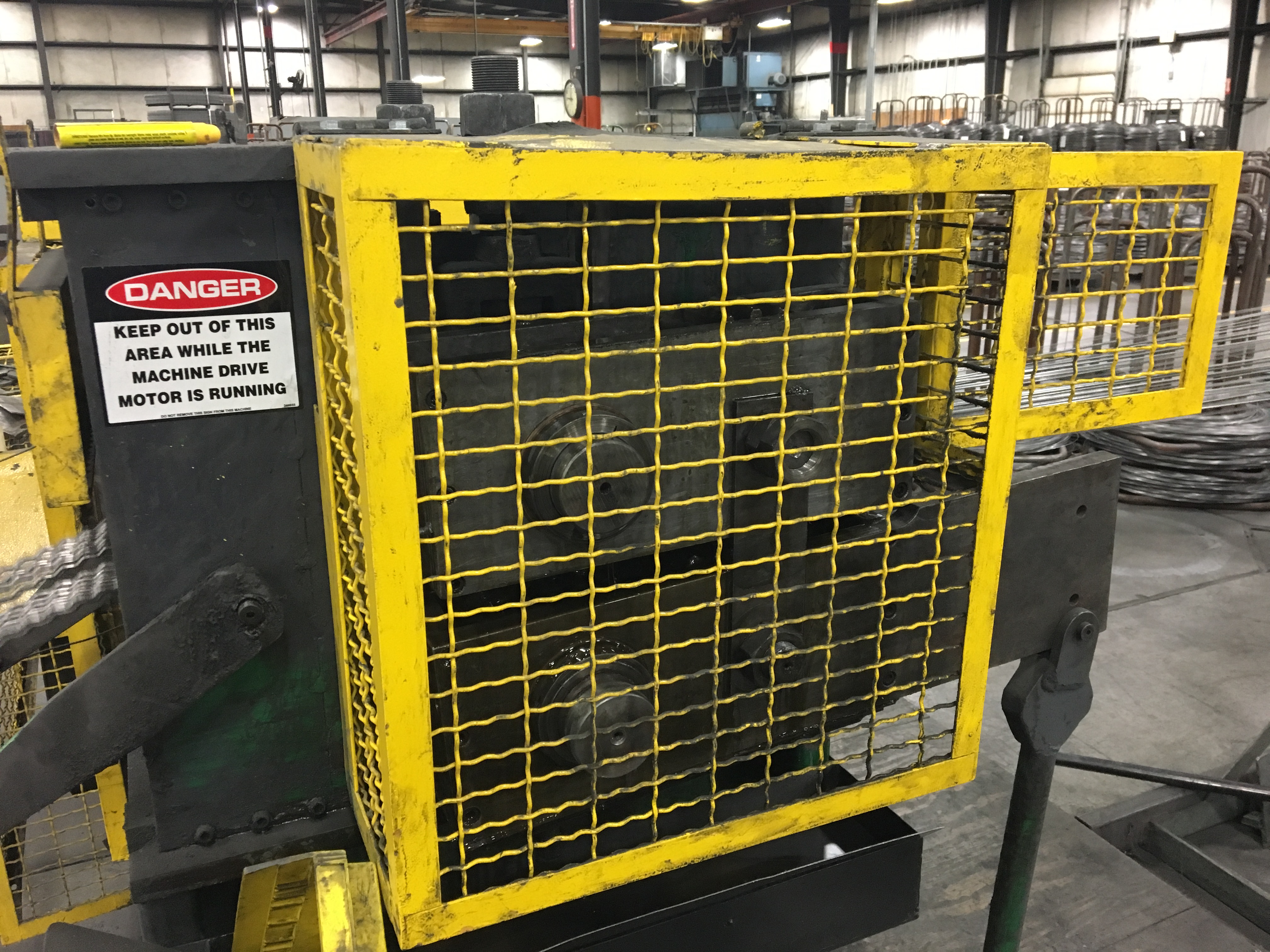
Under this system, injured Florida employees receive guaranteed workers compensation benefits regardless of who caused the workplace accident. Whether the employer forgot to fix a machine, or the employee foolishly bypassed a safety guard, the employee gets treated.
Who is Required to Carry Coverage?
As an agent, you must evaluate a business to tell them if they are legally obligated to buy a policy. Florida draws sharp lines based on the industry's danger level and the number of employees.
| Industry | Coverage Requirement Threshold |
|---|---|
| Construction | Florida construction industry employers with one or more employees must carry workers compensation insurance. (Even a single worker triggers the mandate due to the extreme physical hazards of the job). |
| Non-Construction | Florida non-construction employers with four or more employees must carry workers compensation insurance. |
| Agricultural (Regular) | Florida agricultural employers with six or more regular employees must carry workers compensation insurance. |
| Agricultural (Seasonal) | Florida agricultural employers with twelve or more seasonal workers working more than thirty days in a season must carry workers compensation insurance. |

The Roster: Who Counts as an "Employee"?
When counting heads to see if a business hits the threshold (e.g., reaching that magic number of 4 in non-construction), the legal structure of the business matters immensely.
- Corporate Officers & LLCs: Corporate officers and limited liability company (LLC) members in Florida count as employees toward the workers compensation coverage threshold.
- Sole Proprietors: Florida sole proprietors in the non-construction industry do not automatically count as employees for workers compensation requirements. Because they are the business, they are isolated from the automatic count. If a non-construction sole proprietor wants the protection of this safety net, they must file a specific form with the state to elect workers compensation coverage for themselves.
Jurisdictional and Contracting Traps
There are two massive traps that trip up uneducated business owners—and by extension, the agents who advise them:
- The Subcontractor Trap: If a General Contractor hires a subcontractor who fails to carry workers compensation insurance, liability rolls uphill. Florida general contractors become legally responsible for the workers compensation benefits of an uninsured subcontractor's injured employees. As a producer, you must urge your GC clients to demand certificates of insurance from every sub, lest their own policy takes the hit.
- The Out-of-State Trap: When a Georgia or Alabama company crosses state lines to lay wire in Tallahassee, they cannot just rely on their home state's policy. Because Florida's benefit structures are unique, out-of-state employers conducting work in Florida must hold a workers compensation policy that specifically lists Florida on the policy information page.
Anatomy of the Benefits
When a worker is actually injured, what specifically does the policy pay for? As an agent, this is the promise you are selling.
1. Medical Benefits
The foundation of the system is physical recovery. Florida workers compensation covers all necessary medical, surgical, and hospital treatments for a compensable workplace injury without a dollar limit. Unlike major medical health insurance with its arbitrary lifetime caps, if a catastrophic spinal injury requires millions of dollars in continuous care, the policy pays for it in full.
2. Disability Benefits
While the worker is healing and cannot work, they need to pay their mortgage. Florida workers compensation Temporary Total Disability (TTD) benefits pay 66.67 percent of an injured worker's pre-injury average weekly wage. (This fraction, two-thirds of their wage, is untaxed and carefully calibrated to keep them financially afloat while preserving the incentive to return to work).
3. Death & Survivor Benefits
If the absolute worst occurs, Florida law specifies rigid timelines and caps for survivor compensation. First, we must look at the timeline of the death to see if benefits are triggered at all:
- Immediate/Short-term: Florida workers compensation death benefits are triggered if a work-related injury results in death within one year of the accident date.
- Long-term: What if they linger in a coma? Florida workers compensation death benefits are triggered if a work-related death occurs within five years of continuous disability following an initial accident.
If triggered, the compensation is heavily structured:
- Funeral Costs: Florida workers compensation pays actual funeral expenses up to a maximum of $7,500.
- Total Caps: There is a firm ceiling on payouts. Florida workers compensation limits total death benefits to a maximum of $150,000 for all dependents combined.
- Spousal Support: For a spouse left behind, the weekly replacement income depends on the family structure. A surviving Florida spouse with no children receives 50 percent of the deceased worker's average weekly wage in workers compensation death benefits.
- Re-entering the Workforce: In an incredibly forward-thinking provision, the state recognizes that a surviving spouse may suddenly need to become the primary breadwinner. Therefore, Florida workers compensation death benefits include funding for postsecondary student fees or career courses for a surviving spouse.
By mastering the mechanics of the Florida Insurance Guaranty Association and the state's Workers Compensation system, you are mastering the economic foundations of the industry. You aren't merely memorizing thresholds and dollar limits; you are learning exactly how the state prevents absolute disaster when life, or the market, takes an unexpected turn.