National Flood Insurance Program
Not sure you’re ready?
Take the ~3-minute readiness diagnostic and see where you stand.
Standard property insurance operates on the mathematical premise of independent risks: if one home burns down, the house next door likely will not. Flooding violently violates this premise. When a river crests, it does not destroy a single house; it destroys the entire zip code. Because catastrophic floods produce hyper-localized, total-loss scenarios, private insurance capital historically fled the flood market, leaving standard Homeowners and Commercial Property policies to universally exclude flood damage.
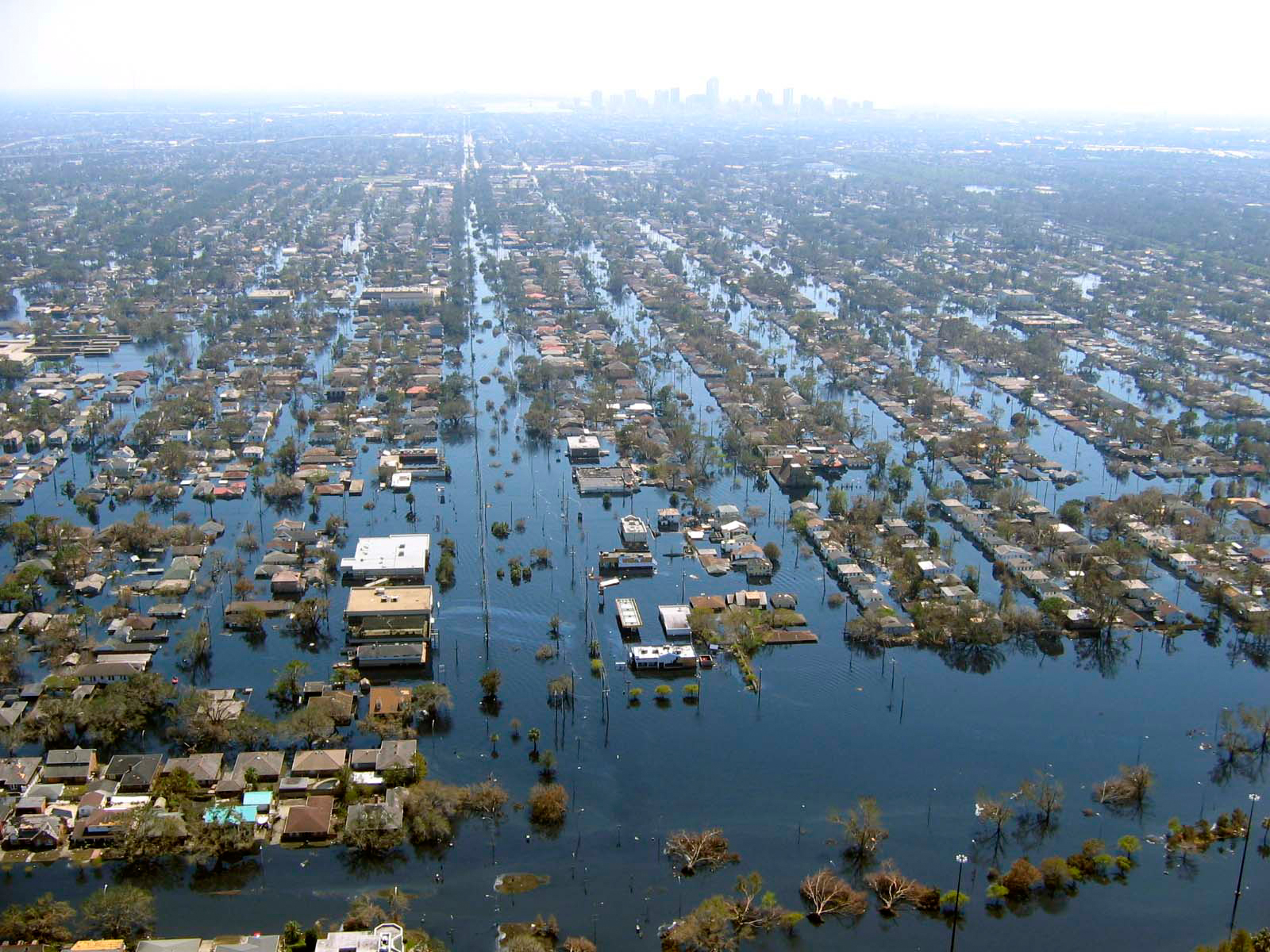
To bridge this massive gap in the nation's economic resilience, Congress intervened. As an aspiring producer, you will quickly discover that writing flood coverage requires you to step outside the bounds of traditional private insurance and operate within a strict, highly regulated federal framework. Understanding the precise mechanics of this system is not just an exam requirement—it is a critical tool for protecting your future clients from financial ruin.
The entire apparatus of flood insurance in the United States is anchored by the federal government. Specifically, the Federal Emergency Management Agency (FEMA) administers the National Flood Insurance Program (NFIP).
Because catastrophic flood risk is too concentrated for private markets to bear, the federal government acts as the underwriter and bears all financial risk for National Flood Insurance Program policies. However, the federal government does not have the local infrastructure, the network of agents, or the rapid-deployment claims adjusters required to interface with every homeowner and business in the country.
To solve this, FEMA created the Write Your Own (WYO) program. The Write Your Own program allows participating private insurance companies to sell and service National Flood Insurance Program policies under their own banner. When you, as a producer, write a flood policy for a client, you will likely place it through a familiar private carrier. However, you must understand the financial reality beneath the paperwork: private insurers participating in the Write Your Own program do not bear the financial risk of the flood policies they issue. They collect a fee for the administrative work, but when the floodwaters recede and the claims are filed, the funds paying those claims come directly from the United States Treasury.
You cannot simply sell a flood policy to anyone who asks for one. To purchase a National Flood Insurance Program policy, the property must be located in a community that actively participates in the program.
The NFIP is essentially a federal bargain with local municipalities. In exchange for the federal government assuming the financial risk of flood losses, participating communities must adopt and enforce floodplain management ordinances to reduce future flood risks. These local zoning laws, building codes, and elevation requirements ensure that federal tax dollars are not continuously subsidizing reckless construction in flood zones. If a community refuses to implement these mitigation strategies, its residents are barred from purchasing NFIP coverage.
In traditional property insurance, water damage is a frequent source of coverage disputes. The NFIP eliminates this ambiguity with a rigid, legally binding definition of what constitutes a flood.
Under the NFIP, a flood is defined as a general and temporary condition of partial or complete inundation of normally dry land area.
To trigger coverage, the event must meet strict geographical parameters. A qualifying flood must inundate two or more acres of normally dry land or two or more properties. For a two-property flood claim to be valid under the two-property rule, at least one of the inundated properties must belong to the policyholder. You cannot claim a flood if a localized puddle only damages your client's living room; the water must have scale.
The program recognizes several specific causes of this inundation:
- Surface Water: The unusual and rapid accumulation or runoff of surface waters from any source qualifies as a flood.
- Waterways: The overflow of inland or tidal waters qualifies as a flood.
- Erosion: The collapse of land along the shore of a lake due to erosion caused by water exceeding anticipated cyclical levels is covered as a flood loss.
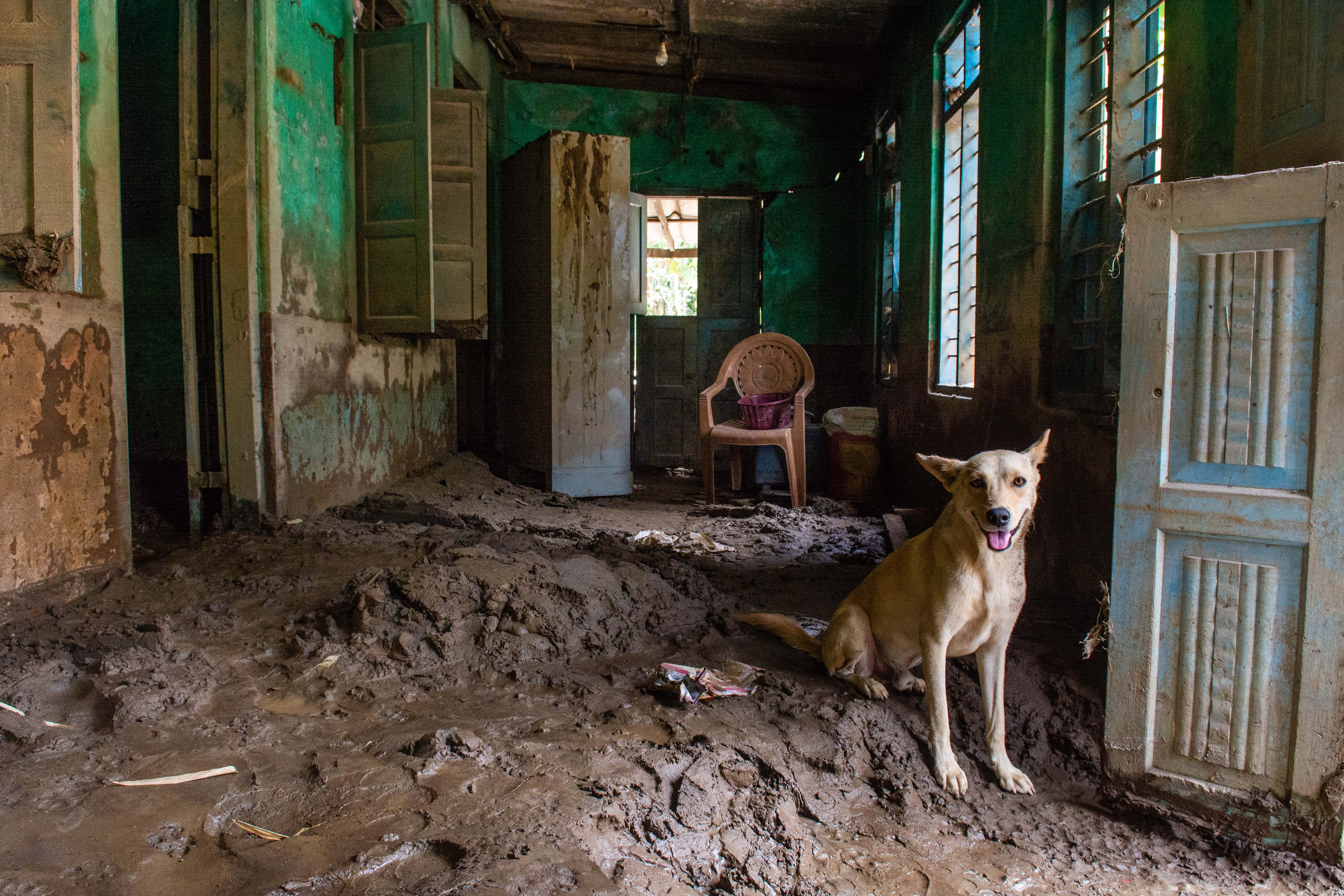
- Mudflow: Mudflow is specifically included in the definition of a flood. The NFIP distinctly defines a mudflow as a river of liquid and flowing mud on the surfaces of normally dry land areas.
What is Excluded from the Definition?
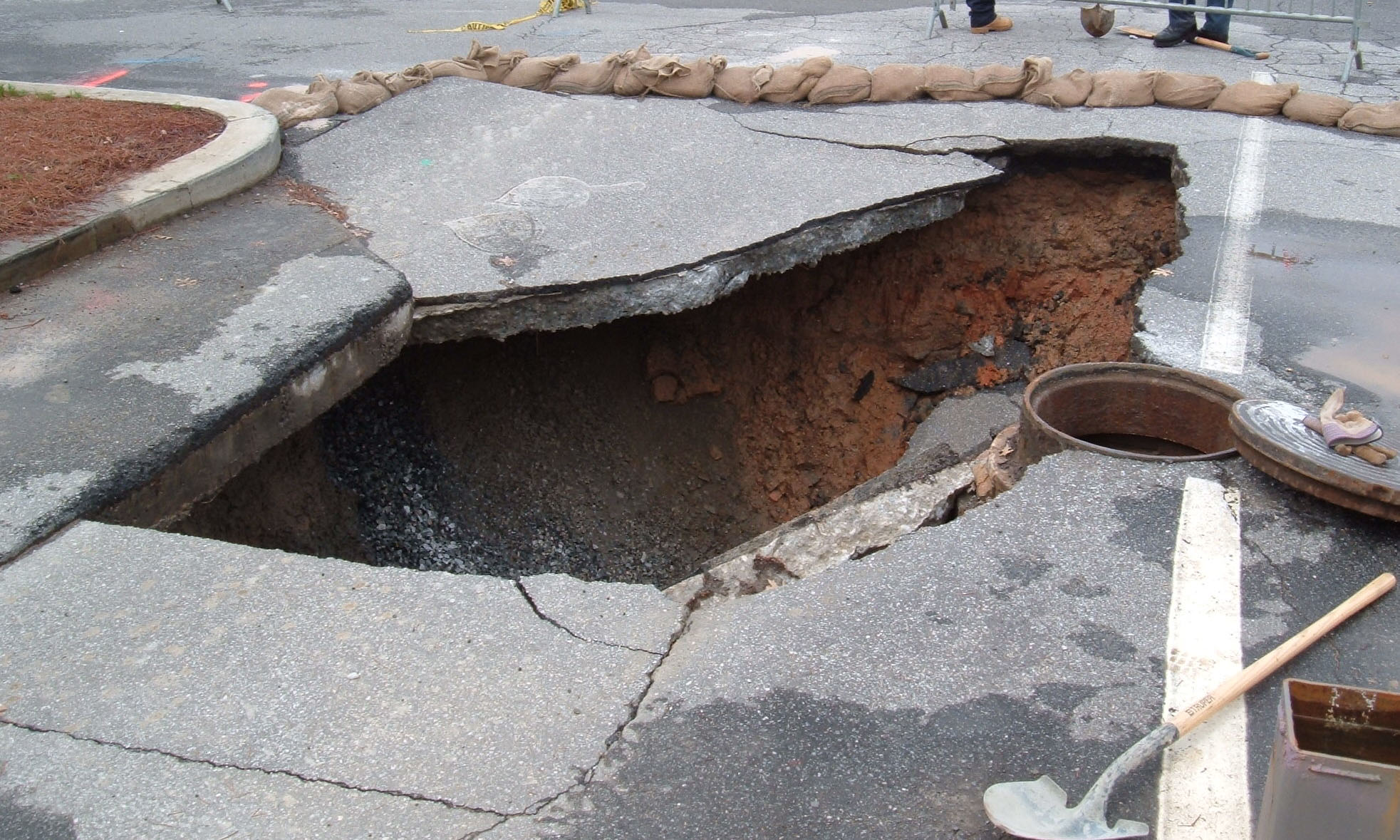
Precision is key. A river of liquid mud is covered, but the National Flood Insurance Program entirely excludes damage caused by general earth movement, landslides, or sinkholes.
Furthermore, water backing up through pipes is a common homeowner woe, but damage from a sewer backup is not covered by a standard flood policy unless the sewer backup is a direct result of flooding. If a city pump fails on a dry Tuesday and pushes sewage into a basement, the NFIP pays nothing. If a cresting river overwhelms the municipal sewer system and pushes water into the home, the NFIP covers it.
If flood insurance took effect immediately, rational consumers would wait until a hurricane appeared on the radar before purchasing a policy, immediately canceling it after the storm passed. To prevent this fatal adverse selection, a standard National Flood Insurance Program policy has a 30-day waiting period before coverage goes into effect.
There are two critical exceptions to this rule that you must memorize:
- The Mortgage Exception: The standard 30-day waiting period is waived (coverage takes effect immediately) if flood insurance is required in connection with making, increasing, extending, or renewing a mortgage loan. Lenders need their collateral protected at the moment of closing, and the NFIP accommodates this fundamental economic necessity.
- The Map Revision Exception: A one-day waiting period applies if flood insurance is purchased within 13 months of a map revision placing the property in a Special Flood Hazard Area (SFHA).
When a community first joins the NFIP and is waiting for FEMA to complete a detailed flood hazard map, it is placed in the Emergency Program. Once the mapping is complete and the community adopts full floodplain ordinances, it transitions to the Regular Program.
The statutory limits for building and personal property (contents) coverage vary drastically depending on the program.
| Program & Property Type | Maximum Building Limit | Maximum Personal Property Limit |
|---|---|---|
| Emergency - Single-Family | $35,000 | $10,000 |
| Emergency - Commercial | $100,000 | $100,000 |
| Regular - Single-Family | $250,000 | $100,000 |
| Regular - Commercial | $500,000 | $500,000 |
Valuations: RCV vs. ACV
Understanding how these limits are paid out is just as vital as knowing the numbers. The NFIP is highly restrictive regarding Replacement Cost Value (RCV).
Single-family primary residences are the only properties eligible for Replacement Cost Value settlement under a standard flood policy. Even then, to receive Replacement Cost Value on a primary single-family residence, the building must be insured to at least 80 percent of its replacement cost or the maximum statutory limit ($250,000).
Everything else is heavily depreciated. Personal property covered under a standard NFIP policy is always settled on an Actual Cash Value (ACV) basis. Similarly, commercial buildings covered under a standard NFIP policy are settled on an Actual Cash Value basis.
The Dual Deductible
If a flood destroys a house and the furniture inside it, the insured will not simply pay one deductible. National Flood Insurance Program policies apply separate deductibles to the building property and the personal property. The building and contents deductibles must be met individually when a single flood damages both the structure and the personal property.
Coverage A: The Building
Coverage A under a standard flood policy covers the building structure and its foundation. This is not limited merely to the wood and brick. It intrinsically includes the home's essential operating systems.
Coverage A includes coverage for electrical and plumbing systems, and it specifically covers central air conditioning equipment, furnaces, and water heaters.
The Basement Limitations
Basements pose a massive underwriting risk for flood insurers, leading to severe coverage restrictions. Coverage for items located in a basement is strictly limited to structural elements and essential equipment like furnaces or water heaters.
Because of the inevitability of water pooling in low-lying areas, personal property stored in a basement is excluded from coverage under a standard flood policy. If your client finishes their basement and puts a $5,000 home theater system down there, you must warn them that a flood will render that investment a total, uncovered loss.

Strict Property Exclusions
The NFIP is designed to keep citizens housed and businesses operational, not to restore luxury features, outdoor landscaping, or highly liquid assets. Memorize these distinct exclusion categories:
- The Outdoors: NFIP policies do not cover land, lawns, trees, or shrubs. Furthermore, fences, retaining walls, and outdoor swimming pools are excluded from coverage.
- Automotive: Motor vehicles and their parts are excluded from standard NFIP policies. (These are traditionally covered by the Comprehensive section of a Personal Auto Policy).
- High-Value / Intangible Assets: Money, precious metals, and valuable papers are completely excluded from coverage.
Indirect Loss Exclusions
Perhaps the most devastating surprise for an uninsured client is the realization of what indirect costs they will bear alone. Standard property policies often pay for temporary housing or lost business income following a fire. The NFIP provides no such safety net for water damage.
- National Flood Insurance Program policies do not cover Additional Living Expenses (ALE). If a family must live in a hotel for six months while their home is gutted and rebuilt, they pay for the hotel out of pocket.
- National Flood Insurance Program policies do not cover business interruption losses. If a commercial client's retail store is closed for repairs due to a flood, the NFIP will not replace their lost revenue.
Understanding these limitations defines your value as a producer. You are not just selling a $250,000 limit; you are strategically analyzing the financial exposure of your clients against a catastrophic, federalized peril.