Negligence, Legal Liability, and Damages
Not sure you’re ready?
Take the ~3-minute readiness diagnostic and see where you stand.
When one human being accidentally causes physical or financial ruin to another, society requires a mechanism to restore balance. This mechanism is legal liability, which is defined as the legal obligation to pay for bodily injury or property damage suffered by another party. In the insurance industry, understanding liability is not merely an exercise in legal theory; it is the fundamental architecture of casualty insurance. Every time an individual gets behind the wheel of a car, opens a storefront, or manufactures a product, they are generating risk. If that risk materializes into harm, the resulting financial fallout is dictated by the precise legal principles of torts, negligence, and damages.
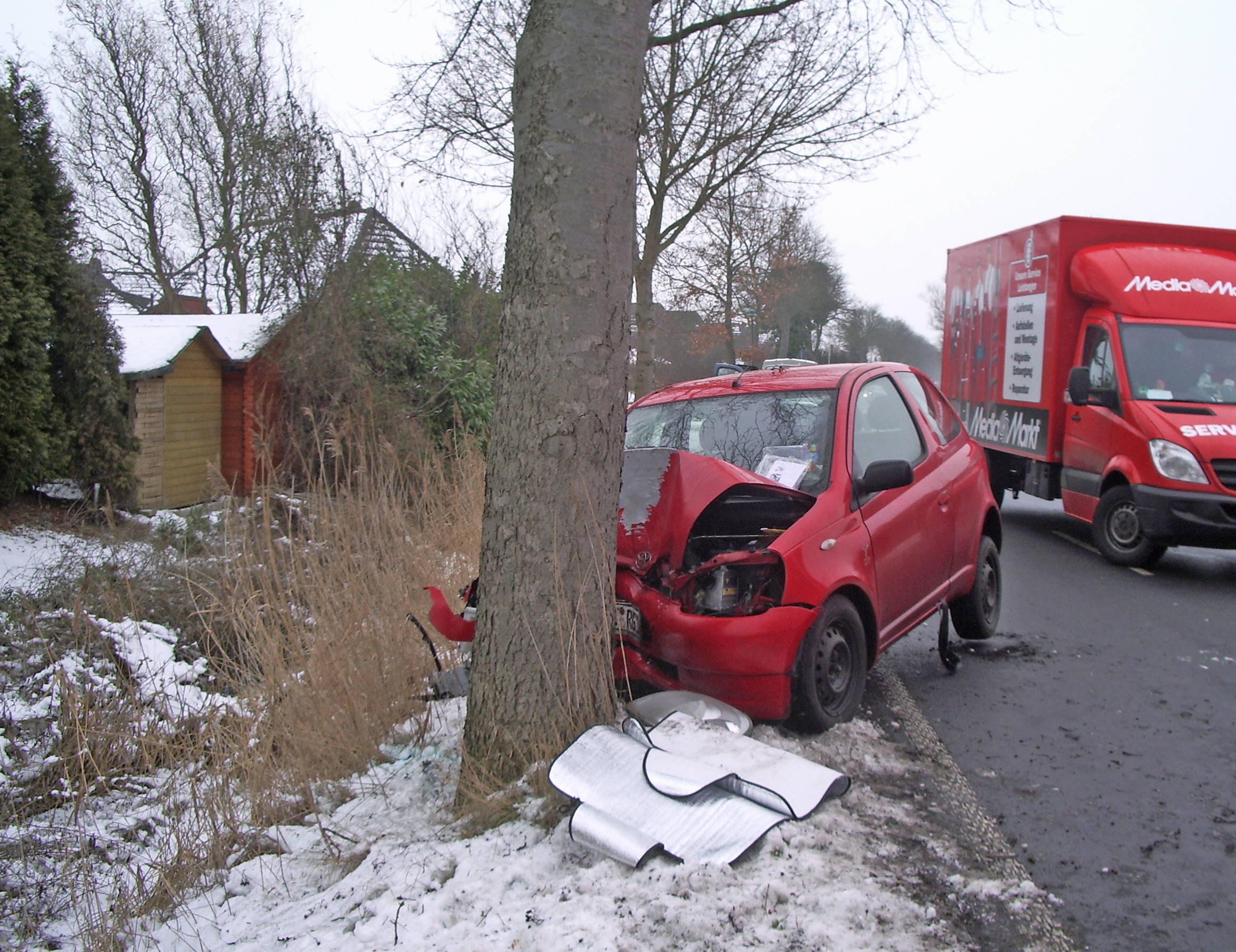
To understand liability, we must first understand the wrongs that create it. A tort is a civil wrong or injury committed against an individual or property. Unlike criminal law, where the state seeks to imprison a wrongdoer, tort law exists so the injured party can seek financial restitution.
Torts are generally divided into intentional acts (like deliberate assault) and unintentional acts. From a professional standpoint, this distinction is critical because liability insurance policies primarily provide coverage for unintentional torts. If an insured intentionally burns down a competitor's business, they cannot simply pass the bill to their insurer.
An unintentional tort is the result of acting without proper care. In both the legal and insurance worlds, an unintentional tort is commonly referred to as negligence.
Negligence is the failure to use the ordinary or reasonable care that a prudent person would exercise under similar circumstances.
The Four Elements of Actionable Negligence
You cannot simply point at an accident and declare someone negligent. Negligence is a strict formula. Four specific elements must be present to establish actionable negligence. If even one element is missing, the liability claim collapses.
The four elements of negligence are legal duty, breach of duty, proximate cause, and actual loss or damage.
- Legal Duty: The foundational premise is that we owe each other a baseline of safety. Legal duty requires a person to act with reasonable care toward others to prevent harm. For example, a grocery store owner has a legal duty to keep the aisles free of slippery hazards.
- Breach of Duty: A breach of duty occurs when an individual fails to meet the standard of reasonable care owed to another party. If the store manager ignores a shattered jar of olive oil in aisle three for four hours, they have breached their duty to the shoppers.
- Proximate Cause: There must be a direct physical and temporal link between the breach and the injury. Proximate cause means there is an unbroken chain of events between the negligent act and the resulting damage. The ignored oil spill must be the direct reason the customer slipped.
- Actual Loss or Damage: You cannot sue for what almost happened. Actual loss or damage means the injured party must have suffered a measurable injury or property loss. If the customer slips on the oil, catches their balance, and walks away unharmed, there is no actionable negligence because there is no actual loss.
Even when all four elements of negligence appear to be present, an insured party (and their insurance company) may invoke legal defenses to eliminate or reduce their liability.
- Contributory Negligence: This is a strict, traditional defense that denies recovery to an injured party who contributed in any way to their own injury. Under pure contributory negligence, if an injured pedestrian was even 1% at fault for stepping off the curb improperly, they receive absolutely nothing.
- Comparative Negligence: Because contributory negligence is often viewed as overly harsh, most jurisdictions use comparative negligence. Comparative negligence reduces the injured party's damages in proportion to their degree of fault in the accident. If a jury decides the pedestrian was 20% at fault and their total damages are $100,000, they will only recover $80,000.
- Assumption of Risk: This is a defense asserting the injured party knowingly and voluntarily exposed themselves to a known danger. If you attend a baseball game and are hit by a foul ball, you generally cannot sue the stadium. You assumed the inherent, obvious risk of the activity.
- Intervening Cause: Sometimes, the universe interferes. An intervening cause is a separate, unrelated event that interrupts the unbroken chain of causation. Crucially, an intervening cause relieves the original negligent party of liability for the resulting injury. For example, if a driver lightly bumps a pedestrian's leg, and while the pedestrian is sitting on the curb waiting for a bandage, a rogue construction crane collapses on them, the crane is an intervening cause. The driver is not liable for the crane's damage.
- Statute of Limitations: Time is a defense. A statute of limitations restricts the time frame within which an injured party can file a liability lawsuit. If the law requires filing within two years of the injury, a lawsuit filed on year three will be dismissed, regardless of the facts.

Normally, a claimant must prove negligence. However, the law recognizes that certain activities and relationships bypass the standard four-part test of negligence entirely.
Absolute and Strict Liability
In some scenarios, the sheer nature of the activity generates liability, regardless of how careful the insured was.
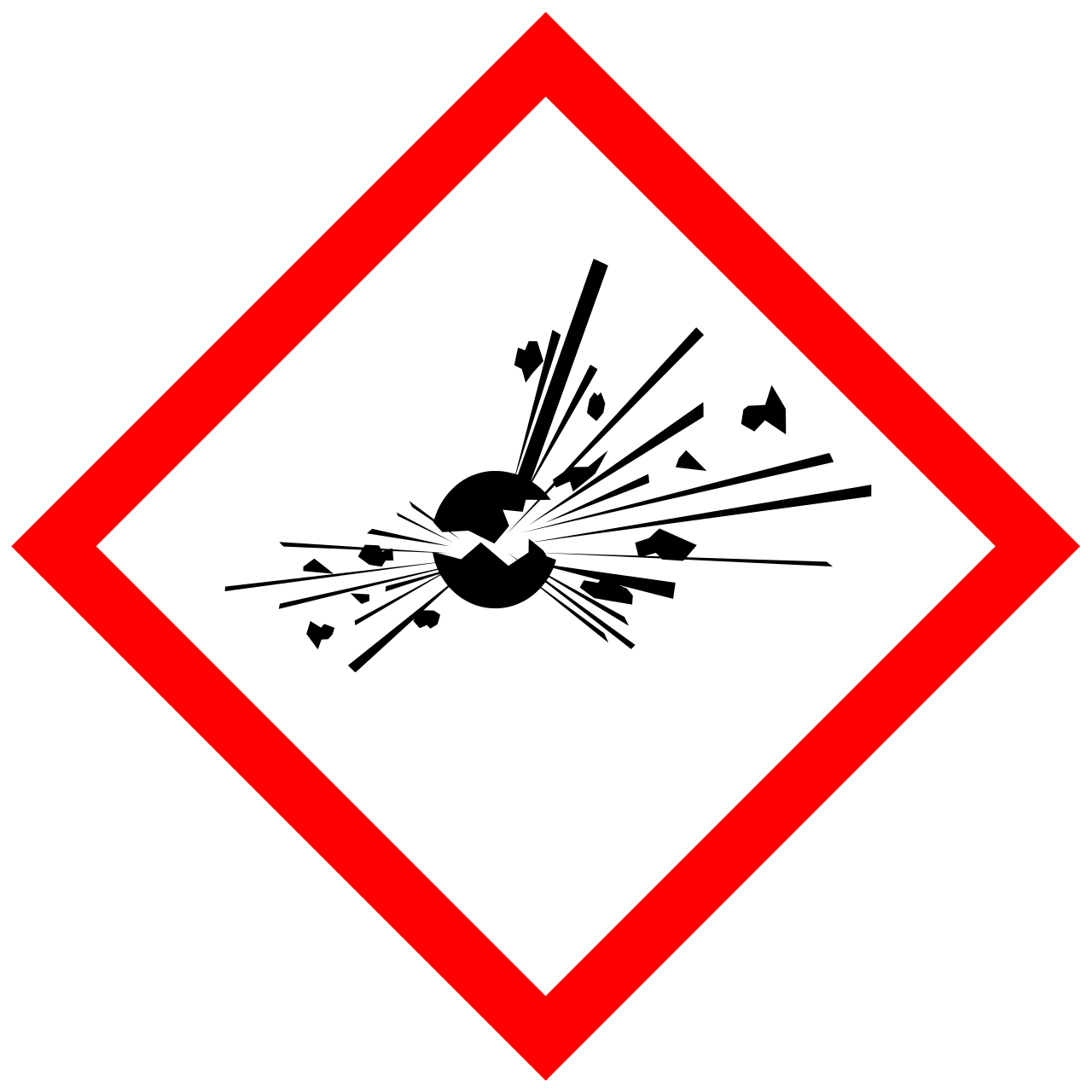
- Absolute Liability: This is imposed without regard to fault or negligence for extra-hazardous activities. You do not need to prove the defendant breached a duty of care. Keeping wild animals and using explosives are common examples of activities subject to absolute liability. If an insured's demolition company uses explosives, and a stray shockwave shatters a neighbor's foundation, the insured is absolutely liable—even if they exercised perfect, state-of-the-art caution.
- Strict Liability: While similar to absolute liability, strict liability is commonly applied in product liability cases involving unreasonably dangerous or defective products. If a manufacturer produces a defective lawnmower blade that snaps and injures a consumer, under strict liability, the injured party does not need to prove negligence on the part of the manufacturer. They only need to prove the product was defective and caused the injury.
Vicarious (Imputed) Liability
Liability can also flow from one person to another through legal relationships.
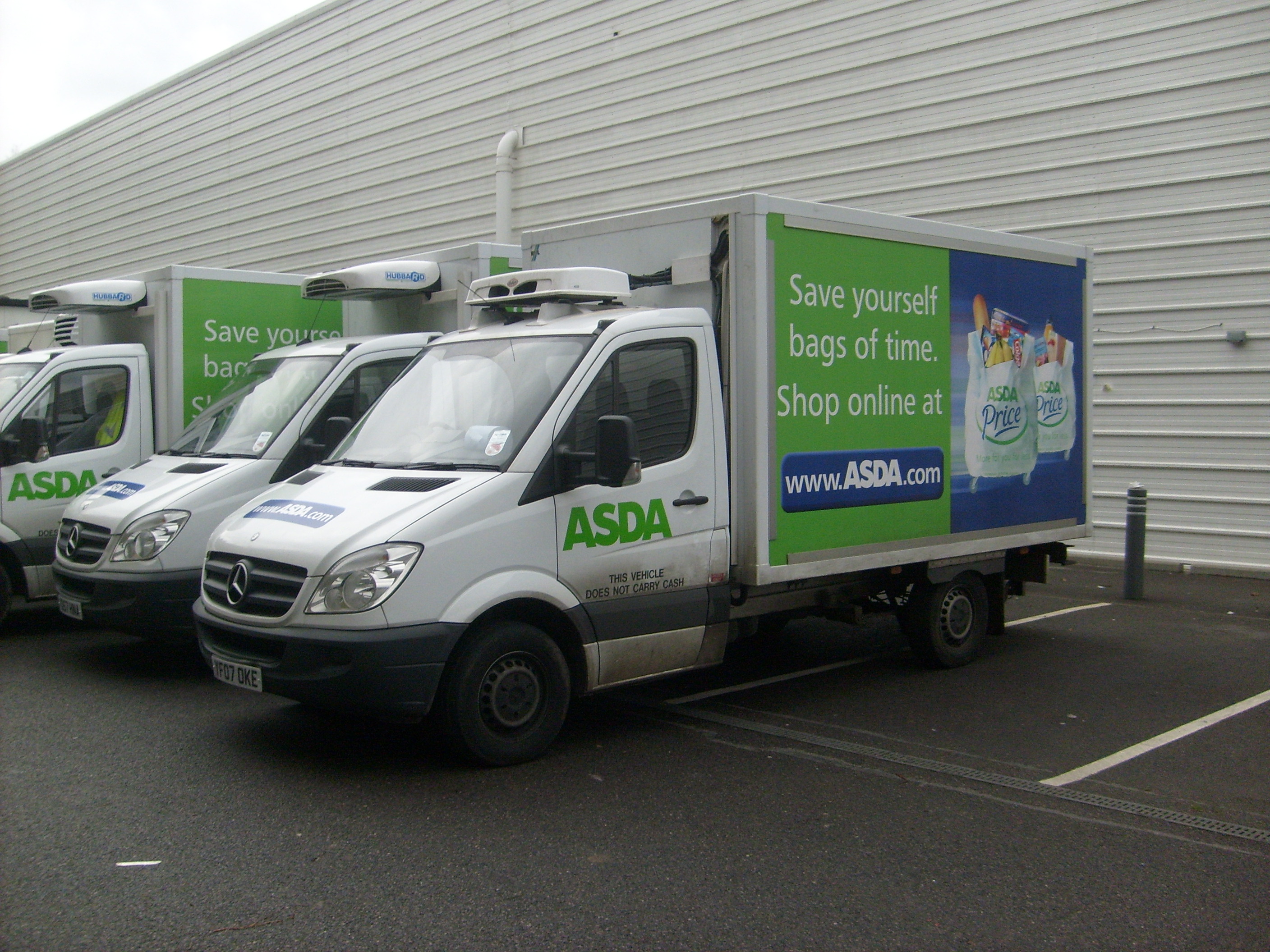
Vicarious liability transfers liability for an injury from the person who committed the negligent act to another person or entity. In legal texts, vicarious liability is also known as imputed liability, because the blame is "imputed" (assigned) to a superior party.
This is a massive concept in commercial and personal insurance:
- Employers are often held vicariously liable for the negligent actions of their employees committed during the course of employment. If a delivery driver runs a red light and strikes a pedestrian while on the clock, the injured party will sue the delivery company.
- Parents can sometimes be held vicariously liable for the negligent acts of their minor children. If a teenager vandalizes a neighbor's property, the parents may bear the legal obligation to pay for the damages.
When actionable negligence or strict/vicarious liability is established, the legal remedy is financial. Damages are monetary compensation awarded to an injured party for loss or injury.
Broadly, damages are split into two philosophical categories: making the victim whole (Compensatory), and punishing the wrongdoer (Punitive).
Compensatory Damages
Compensatory damages reimburse the injured party only for losses that were actually sustained. They do not exist to enrich the victim; they exist to restore them to the financial state they were in milliseconds before the accident occurred.
Compensatory damages are divided into two categories known as special damages and general damages.
| Damage Type | Alternative Name | Definition | Common Examples |
|---|---|---|---|
| Special Damages | Economic Damages | Reimburse the injured party for specific, measurable out-of-pocket financial expenses. Think of these as damages you can prove with a receipt, an invoice, or a calculator. | Medical bills, loss of wages, and property repair costs are examples of special damages. |
| General Damages | Non-economic Damages | Compensate the injured party for subjective, non-financial losses. These are intangible harms that cannot be neatly calculated but severely impact human life. | Pain and suffering, mental anguish, and disfigurement are examples of general damages. |
Punitive Damages
If a defendant's behavior goes beyond mere carelessness and crosses into gross recklessness, the court may award a different kind of financial penalty.
Punitive damages are intended to punish the wrongdoer and deter others from committing similar acts. They are entirely separate from compensating the victim. Punitive damages are awarded in cases of gross negligence, intentional harm, or malicious conduct.
Important Underwriting Note: Because punitive damages are meant to be a direct punishment to the wrongdoer, society and the courts generally frown upon allowing individuals to simply buy an insurance policy to shield themselves from that punishment. Consequently, many insurance policies strictly exclude liability coverage for punitive damages. If a court awards $50,000 in compensatory damages and $1,000,000 in punitive damages against an insured, the insurance company will typically only pay the $50,000. The insured must bear the weight of their own punishment.