Proof of Loss, Notice of Claim, and Appraisal
Not sure you’re ready?
Take the ~3-minute readiness diagnostic and see where you stand.
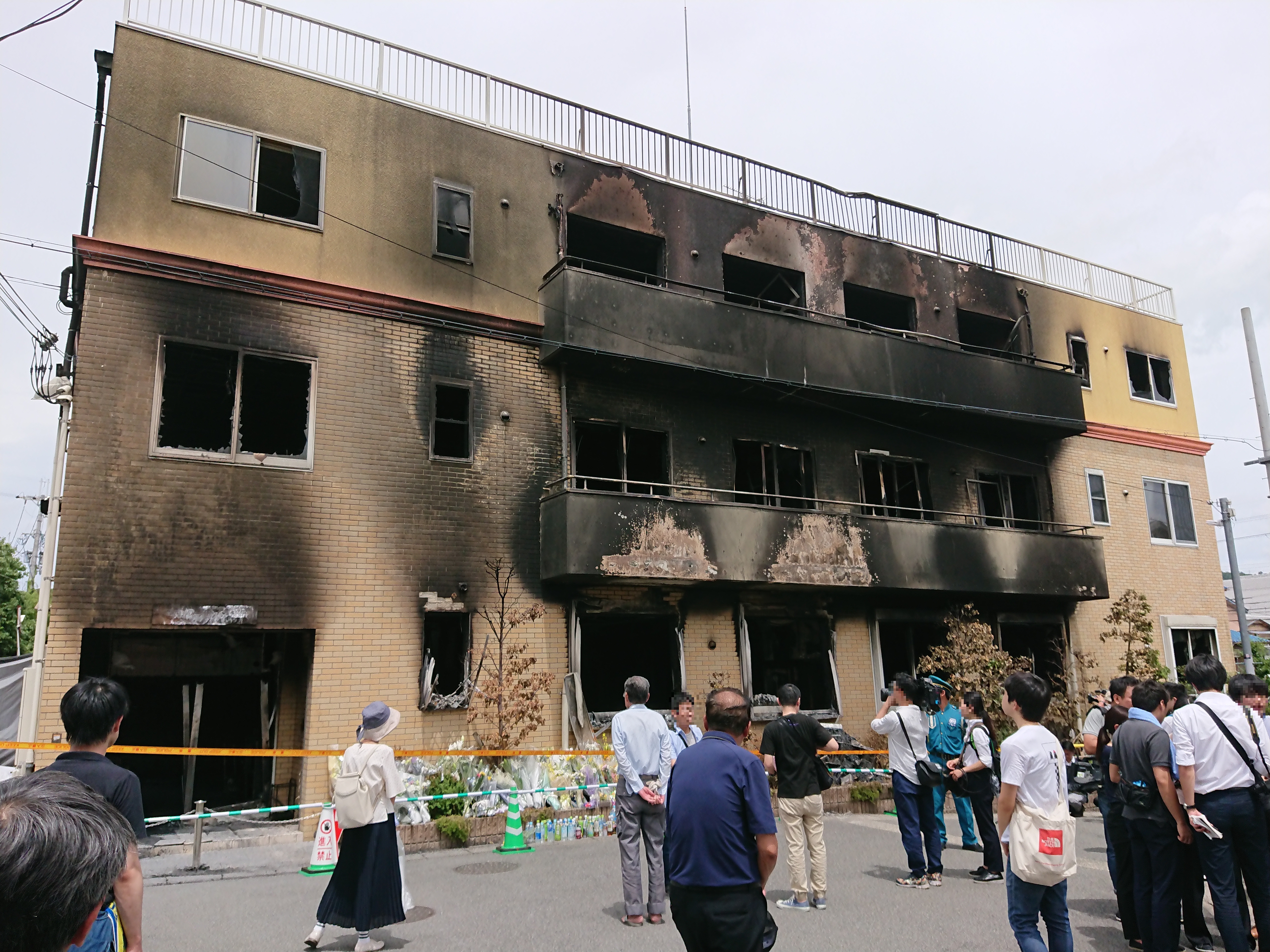
When a spark catches in a commercial kitchen and reduces a restaurant to ash, the physical evidence of the disaster begins degrading the moment the fire is extinguished. Water washes away chemical traces, wind scatters debris, and witnesses begin forgetting the exact sequence of events. In property and casualty insurance, time is the enemy of truth. The administrative requirements of a claim are not bureaucratic hurdles designed to frustrate policyholders; they are the essential mechanisms that freeze time, quantify chaos, and provide a rational framework for making the insured whole again.
As a future property and casualty producer, mastering these procedural pillars ensures you can guide a frantic client through a disaster, translating their physical and financial ruin into a predictable contractual resolution. We will examine the three critical phases of formalizing and finalizing a casualty claim: the Notice of Claim, the Proof of Loss, and the Appraisal Provision.
The moment a loss occurs, the clock starts ticking. The notice of claim is a policyholder's initial communication to the insurer that a loss-causing event has occurred. Think of this as the alarm bell. It does not need to be exhaustive, but it must be prompt.
Standard casualty insurance policies require the insured to provide a notice of claim as soon as practical after a loss. But what does "as soon as practical" mean in the real world? If your client's roof is torn off by a tornado, calling the insurer the next morning is highly practical. Waiting six months until the interior rots from subsequent rainstorms is not.
Prompt notice of claim allows the insurer to investigate a loss while the evidence is still fresh. Skid marks fade, injured third parties hire aggressive plaintiff attorneys, and physical damage worsens. To facilitate this rapid response, an insured must include basic details like the date, time, and a brief description of the loss in the notice of claim. "A tree fell on my garage at 4:00 PM yesterday" is often sufficient to start the machinery.

The Triggering of Duties
In the casualty and liability realm, this initial notice is incredibly powerful because it activates the insurance company's core contractual obligations.
- The Duty to Investigate: A notice of claim in casualty insurance triggers the insurer's duty to investigate the liability claim. The insurer must deploy adjusters to determine what happened, who is at fault, and the scope of the damage.
- The Duty to Defend: If the loss involves a third-party liability issue—such as a customer slipping on an icy sidewalk outside your client’s store—a notice of claim in casualty insurance triggers the insurer's duty to defend the insured against covered lawsuits.
Crucial Warning: Prejudice to the Insurer What happens if a client ignores a lawsuit for a year and only notifies the insurer a week before trial? An insurer can deny coverage if an unreasonable delay in providing a notice of claim significantly prejudices the insurer's ability to investigate. "Prejudice" in this legal context means the delay actively harmed the insurer's ability to mount a proper defense or accurately assess the damage.
If the notice of claim is the frantic 911 call, the proof of loss is the meticulous autopsy report.
A proof of loss is a formal, sworn statement submitted by the insured to the insurer detailing the specific facts of a claim. While the initial notice just lets the insurer know something happened, an insurer uses the formal proof of loss document to determine the exact extent of its liability for a specific claim. It transforms a vague disaster into a specific, quantifiable dollar amount.
Standard property and casualty policies typically require the insured to submit a formal proof of loss within 60 days of the insurer's request. Because this is a legally binding document used to issue major payouts, it carries strict anatomical requirements.
Essential Elements of a Proof of Loss
To prevent fraud and ensure absolute clarity, the document must be exhaustive. A formal proof of loss document must include the time and origin of the loss, providing the definitive narrative of how the damage occurred. Furthermore, to prevent "double dipping," a formal proof of loss must list any other insurance policies that potentially cover the damaged property or liability.
Because insurance payouts must go to the rightful owners and lienholders, a formal proof of loss must identify the financial interest of all parties in the damaged property. If a bank holds a mortgage on a burned-down commercial warehouse, their financial interest must be explicitly listed so the insurer knows to include them on the settlement check.
The insured cannot simply guess at these figures. The insured must sign the formal proof of loss document under oath, opening themselves up to perjury and insurance fraud charges if they lie. Finally, to substantiate their financial demands, an insured must attach supporting documents like repair estimates and purchase receipts to the formal proof of loss.
Notice of Claim vs. Proof of Loss
| Feature | Notice of Claim | Proof of Loss |
|---|---|---|
| Purpose | Alerts the insurer that a loss occurred. | Proves the exact dollar amount of the loss. |
| Timing | "As soon as practical" after the event. | Within 60 days of the insurer's request. |
| Formality | Informal (phone call, app submission). | Highly formal, standardized document. |
| Level of Detail | Basic (Date, time, brief description). | Exhaustive (Receipts, financial interests, origins). |
| Oath Required? | No. | Yes, signed under a sworn oath. |
Let us imagine a scenario: Your client's home suffers a severe kitchen fire. The insurer investigates (triggered by the prompt notice of claim) and accepts that the fire is a covered peril. The client submits a sworn proof of loss claiming the custom cabinets will cost $45,000 to replace. The insurer's adjuster counters, stating that standard replacement materials can achieve the same result for $20,000.
Both parties agree the loss is covered, but they are trapped in a $25,000 stalemate. Do they have to go to court? No. They turn to the appraisal provision.
The appraisal provision is a dispute resolution process used when the insured and the insurer disagree on the exact dollar amount of a loss.
The Golden Rule of Appraisal The appraisal provision cannot be used to resolve disputes over whether a specific loss is actually covered by the insurance policy. It is strictly a mechanism for valuing a covered loss. If the insurer believes the fire was intentional arson, appraisal is useless; that is a coverage dispute for the courts.
Mechanics of the Appraisal Panel
The process is designed to take the emotion out of the valuation and place it in the hands of objective professionals. Here is how the machinery operates:
- Initiation: Either the insured or the insurer can initiate the appraisal process by making a written demand to the other party.
- Selecting Appraisers: During the appraisal process, the insured and the insurer must each hire a competent and impartial appraiser. These appraisers will independently evaluate the damage and estimate the exact cost to repair or replace the property.
- Selecting the Umpire: To break any ties between the two primary appraisers, the two appraisers selected by the insured and the insurer must jointly choose a neutral third party known as an umpire.
- Court Intervention: If the appraisers hit a roadblock, the policy provides a legal fail-safe. A judge at a court of record will appoint an umpire if the two appraisers cannot agree on an umpire within 15 days.
Once the three-person panel is assembled, the two appraisers submit their respective evaluations to the umpire. A written agreement on the loss amount by any two of the three appraisal panel members is binding on both the insured and the insurer. This "two-out-of-three" majority rule ensures finality.
The Allocation of Appraisal Costs
Appraisal is a private dispute resolution mechanism, and it is entirely self-funded by the parties involved. The costs are distributed symmetrically to ensure fairness:
- The insured is solely responsible for paying the cost of the appraiser selected by the insured.
- The insurer is solely responsible for paying the cost of the appraiser selected by the insurer.
- Because the umpire serves both sides neutrally, the insured and the insurer must split the cost of the umpire equally.
- Similarly, the insured and the insurer must split the administrative expenses of the appraisal process equally.
Preservation of Rights
Finally, it is paramount to understand that an insurer agreeing to determine the value of a loss does not force them to blindly pay it if evidence of fraud or exclusion surfaces later. Participating in the appraisal process does not waive the insurer's legal right to deny the claim entirely based on coverage issues.
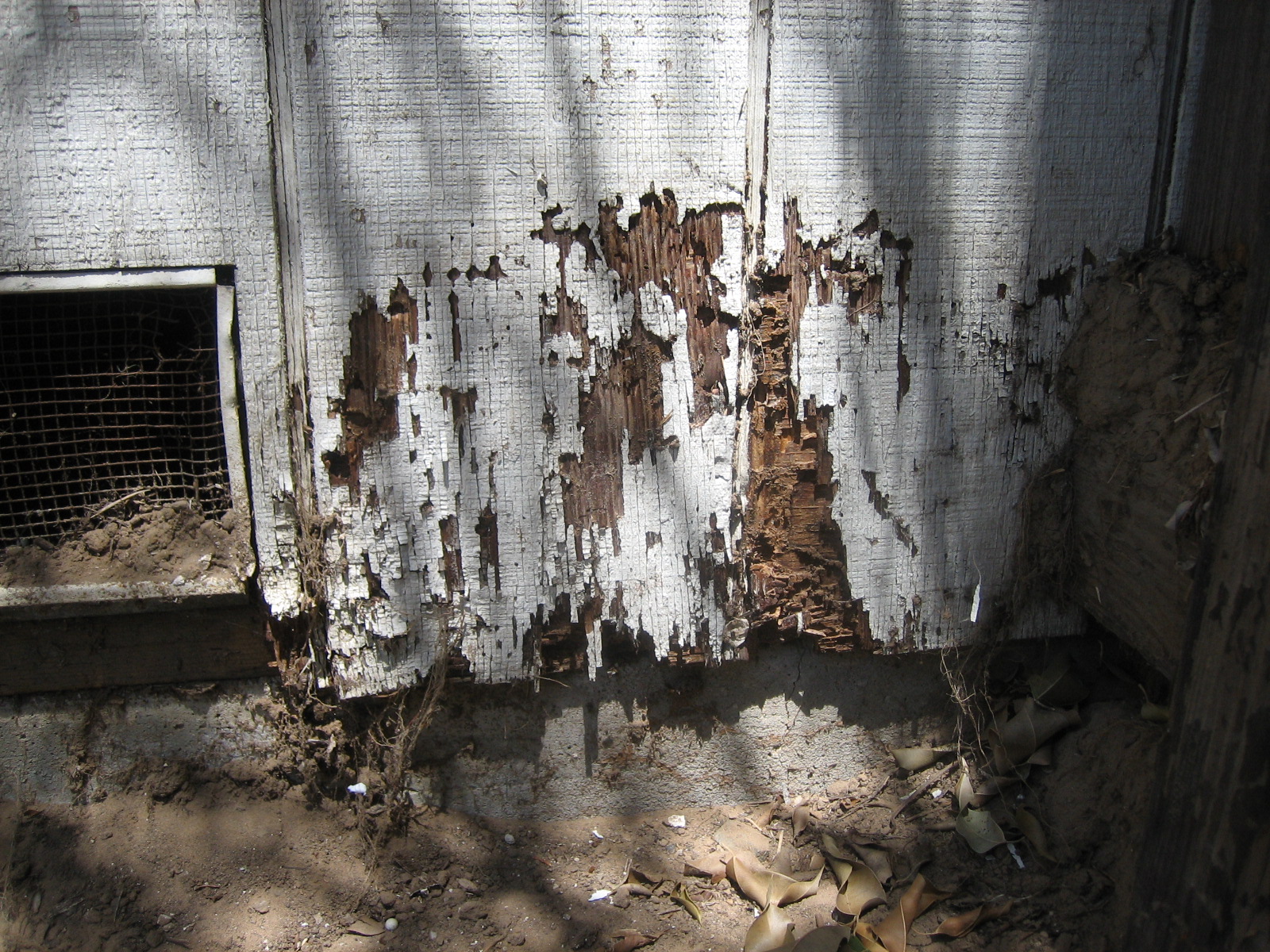
For example, an insurer might agree to appraise a collapsed roof to determine it costs $30,000 to replace. However, if they later discover the roof collapsed because of an excluded peril (like long-term termite damage rather than the claimed windstorm), the insurer still retains the full legal right to deny the $30,000 claim. Appraisal merely locks in the math; the policy language still dictates the coverage.
By understanding this progression—from the rapid alert of the Notice of Claim, to the sworn accounting of the Proof of Loss, and finally to the objective valuation of the Appraisal Provision—you are equipped to manage the vital, unseen architecture of the claims process.