Proximate Cause, Deductibles, and Indemnity
Not sure you’re ready?
Take the ~3-minute readiness diagnostic and see where you stand.
A spark in a commercial kitchen’s exhaust hood does not merely burn grease; it triggers a sprinkler system, ruins custom cabinetry, shuts down operations for a month, and forces the business to bleed payroll without revenue. To the untrained observer, this is a chaotic sequence of bad luck. To a property and casualty insurance producer, it is a highly structured physical and financial equation. The mechanisms that translate this chaos into a predictable financial payout—or a justified denial—are governed by three absolute laws of insurance physics: proximate cause, deductibles, and the principle of indemnity. Understanding these concepts is not merely an exercise in passing a licensing exam; it is the daily operational reality of determining exactly what a policy covers, who bears the initial financial burden, and precisely how much it takes to make the insured whole again.
Insurance policies do not cover "bad things happening." They cover specific perils. But property damage rarely occurs in isolation; it usually unfolds as a sequence of events. To determine if coverage applies, we must identify the true source of the damage.
Proximate cause is the initial event that sets off an unbroken chain of events resulting in a loss.
Think of proximate cause as the first domino in a meticulously arranged line. If that first domino is a covered peril, all the subsequent dominoes that fall as a direct result are also covered. Therefore, an insurance loss is considered covered if the proximate cause is a covered peril under the property policy.

An unbroken chain of events implies that no independent intervening cause interrupted the sequence between the initial peril and the final damage. An intervening cause is a separate, independent event that breaks the chain of causation between the initial peril and the final loss. If a thief steals a television from a home three days after a fire burned the back door off, the fire did not cause the theft—the thief is an independent intervening cause.
However, when the chain remains unbroken, the results can be expansive. Consider these standard scenarios:
- The Rain Scenario: If a covered fire damages a roof and rain subsequently ruins the interior furniture, the fire is the proximate cause of the water damage. The policy covers the ruined furniture because the fire set the sequence in motion.
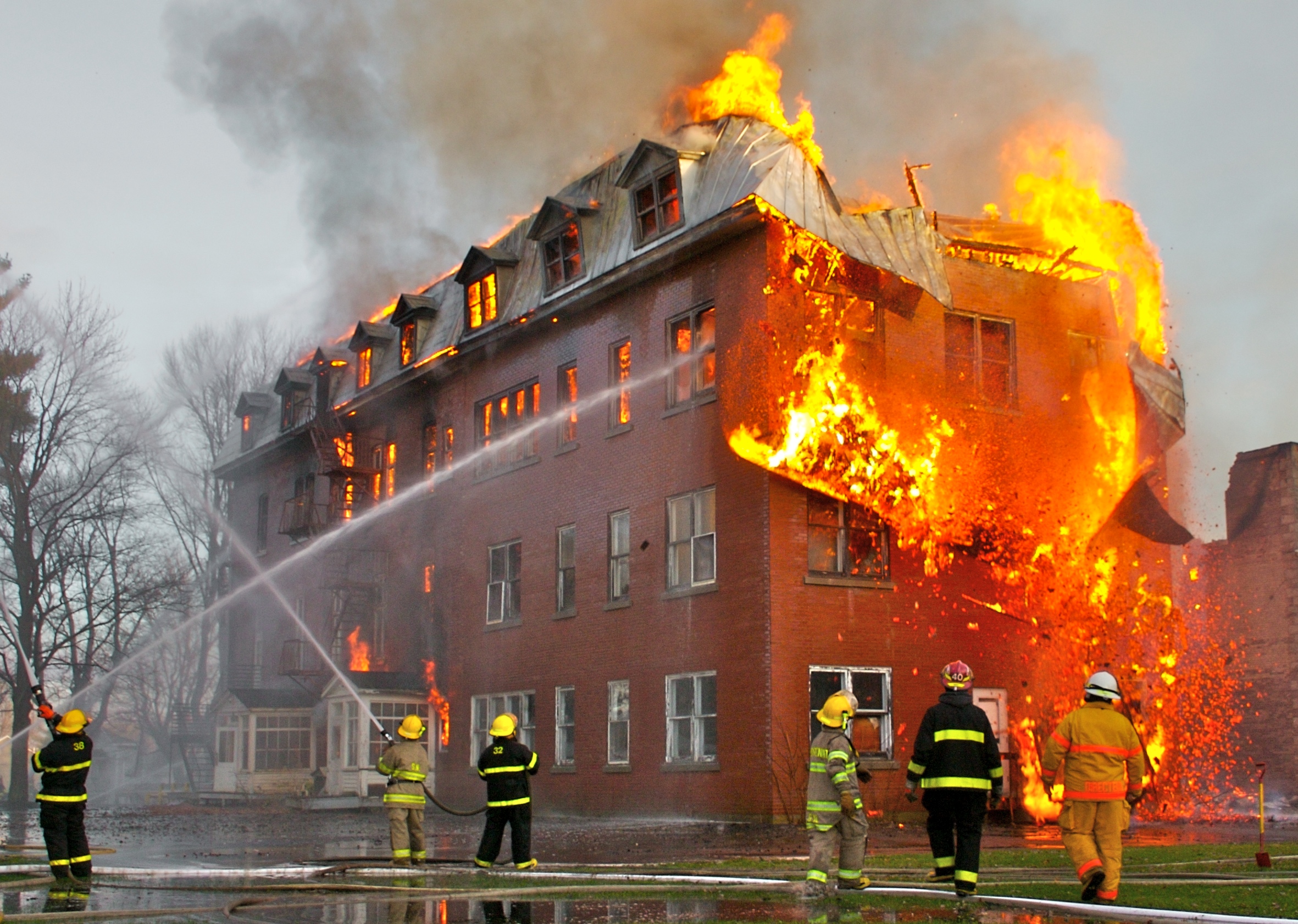
- The Firefighter Scenario: If a covered fire causes firefighters to use water to extinguish the flames, the fire is the proximate cause of the resulting water damage. The fire caused the response; therefore, the fire caused the water damage.
Direct vs. Indirect Losses
Proximate cause does not just cover the physical ashes and wet floorboards. It stretches into the financial fallout.
- A direct loss is physical damage or destruction to property caused immediately by a covered peril. (The burnt roof).
- An indirect loss is a secondary financial consequence that arises strictly because of a direct physical loss. (The loss of rental income while the roof is being rebuilt).
Proximate cause dictates coverage applicability for both direct physical property losses and the resulting indirect financial losses. If the first domino is covered, the physical destruction and the subsequent financial bleeding are both addressable under the policy.
The Clash of Perils: Concurrent Causation
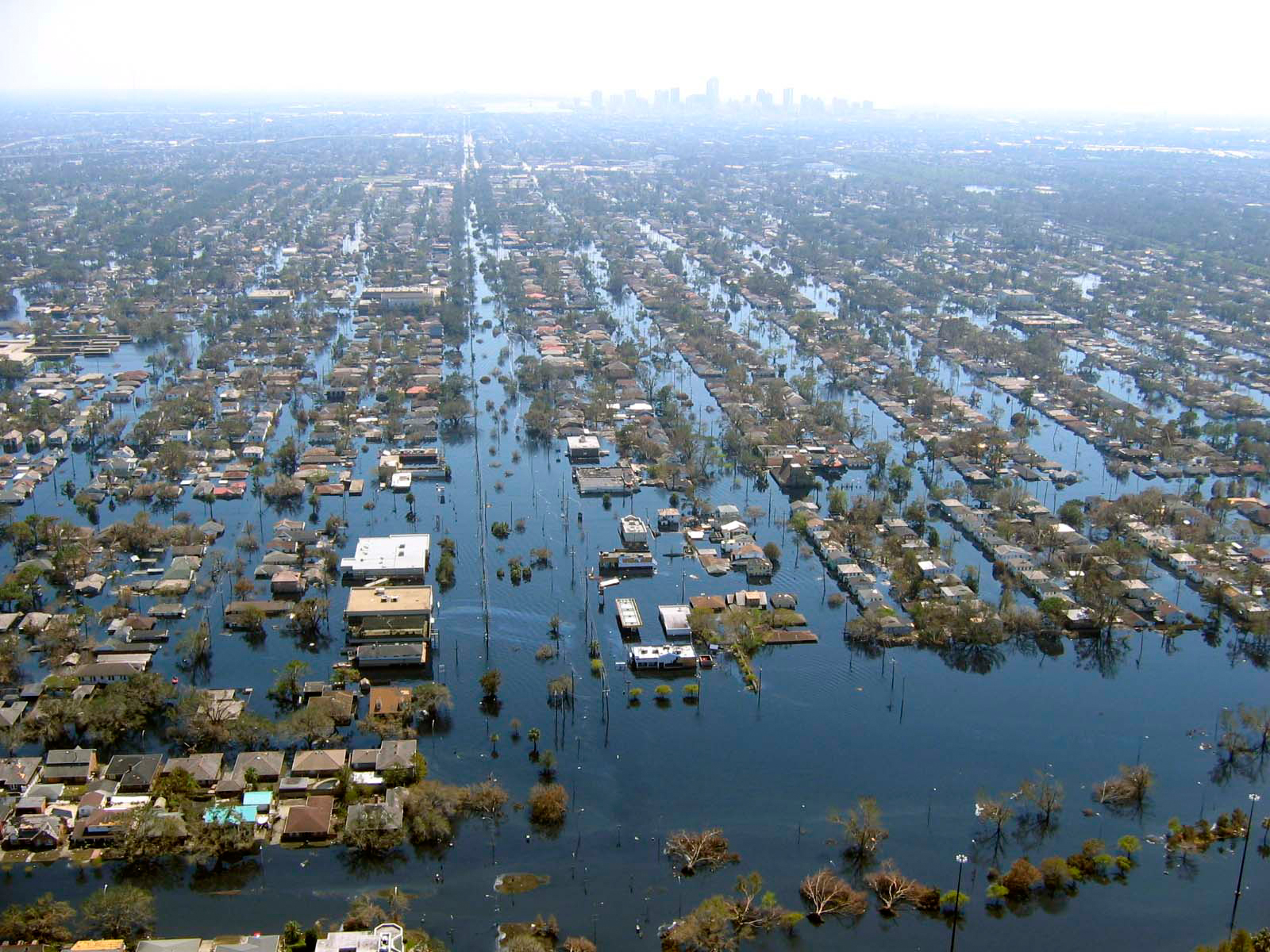
Nature does not read insurance contracts. Frequently, a property is struck by multiple forces at once—such as a hurricane driving both wind (typically covered) and floodwaters (typically excluded) into a structure.
Concurrent causation occurs when two distinct perils simultaneously contribute to a single property loss. When this happens, a profound legal problem arises: do you pay the claim because wind was involved, or deny it because flood was involved? Historically, courts generally mandate insurance coverage during concurrent causation events if one peril is covered and the other peril is excluded.
Because insurers cannot accurately price policies if they are forced to pay for excluded perils via court mandates, they drafted a defense mechanism. Anti-concurrent causation clauses specifically deny property coverage when an excluded peril contributes to a loss alongside a covered peril. If an anti-concurrent causation clause for flooding exists in the policy, the presence of floodwater voids the coverage for that specific combined damage, regardless of the wind's simultaneous contribution.
Once proximate cause establishes that a claim is valid, the next step is determining who pays the first dollar.
A deductible is the specific dollar amount of a covered loss that the insured must bear before the insurer provides compensation. Deductibles are essentially shock absorbers for risk, designed to protect the insurance mechanism from collapsing under its own weight.
Why do deductibles exist? They serve three critical functions in the insurance market:
- Eliminating Nuisance Claims: Deductibles serve to eliminate the administrative costs associated with processing small, frequent nuisance claims. It costs an insurance company hundreds of dollars in administrative overhead just to open a file. They cannot deploy an adjuster for a $50 broken window.
- Mitigating Moral Hazard: Deductibles reduce moral hazard by encouraging the insured to implement property loss prevention measures. If a homeowner knows they must pay the first $1,000 out of pocket, they are far more likely to fix a slow leak before the ceiling collapses.
- Controlling Premium Pricing: Assuming a portion of the risk through a deductible helps reduce the overall cost of insurance premiums for the policyholder.
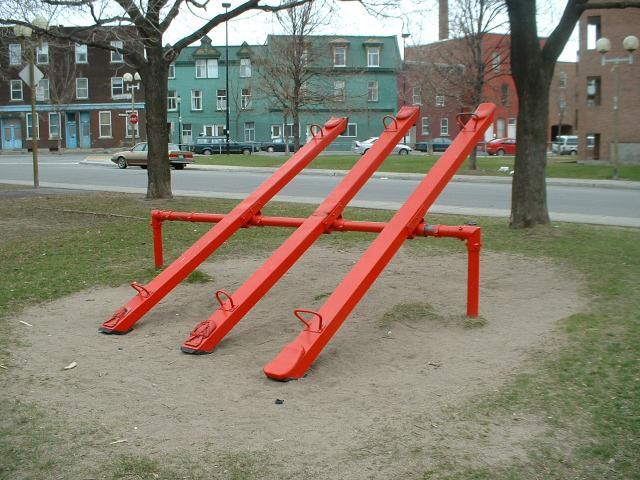
The relationship between deductibles and premiums is a strict inverse seesaw:
- Selecting a higher policy deductible results in a lower insurance premium. (The insured takes on more risk, so the insurer charges less).
- Selecting a lower policy deductible results in a higher insurance premium. (The insurer takes on more risk, so they charge more).
How Deductibles are Applied
Unlike health insurance, which often groups out-of-pocket costs into a yearly bucket, property insurance works on a per-event basis. In property insurance, a deductible is typically applied on a per-occurrence basis rather than an annual aggregate basis. Every time a new fire or new storm hits, a new deductible applies.
The math is strictly subtractive from the total loss:
Claim Payout Formula: Total Covered Loss Amount − Deductible = Payout. Example: If a covered property loss totals $5,000 and the policy features a $1,000 deductible, the insurer will pay $4,000 to the insured.
Structural Variations of Deductibles
| Deductible Type | Mechanism | Real-World Application |
|---|---|---|
| Flat Deductible | Stated as a specific, fixed dollar amount applied to each covered loss. | Standard homeowners and auto policies (e.g., a standard $500 or $1,000 deductible). |
| Percentage Deductible | Requires the insured to pay a specified percentage of the total property policy limit (not the loss amount) before the insurer pays for a loss. | Commonly utilized in property insurance policies for catastrophic perils like earthquakes and hurricanes. If a home is insured for $500,000 with a 2% hurricane deductible, the insured pays the first $10,000 of any hurricane loss. |
| Franchise Deductible | Requires the insurer to pay the entire loss in full without deduction once the loss exceeds a specified threshold. | Common in ocean marine insurance. If the threshold is $5,000, a $4,000 loss receives $0. But a $6,000 loss receives the full $6,000. |
After proximate cause proves the loss is covered, and the deductible dictates the insured's out-of-pocket share, the final question is: How much does the insurer actually owe? The answer is governed by the absolute bedrock of insurance theory.
The principle of indemnity states that insurance should restore the insured to the exact financial condition that existed immediately prior to the loss.
The primary purpose of the principle of indemnity is to prevent the insured from profiting from a covered loss. Insurance is a shield, not a lottery ticket. Because of this governing rule, over-insuring property does not allow the insured to collect a payout greater than the actual loss amount due to the principle of indemnity. You can buy $1,000,000 in coverage for a $100,000 house, but if it burns to the ground, you will only ever receive $100,000.
Valuation Methods and Indemnity
To enforce the principle of indemnity, insurers use specific valuation methods.
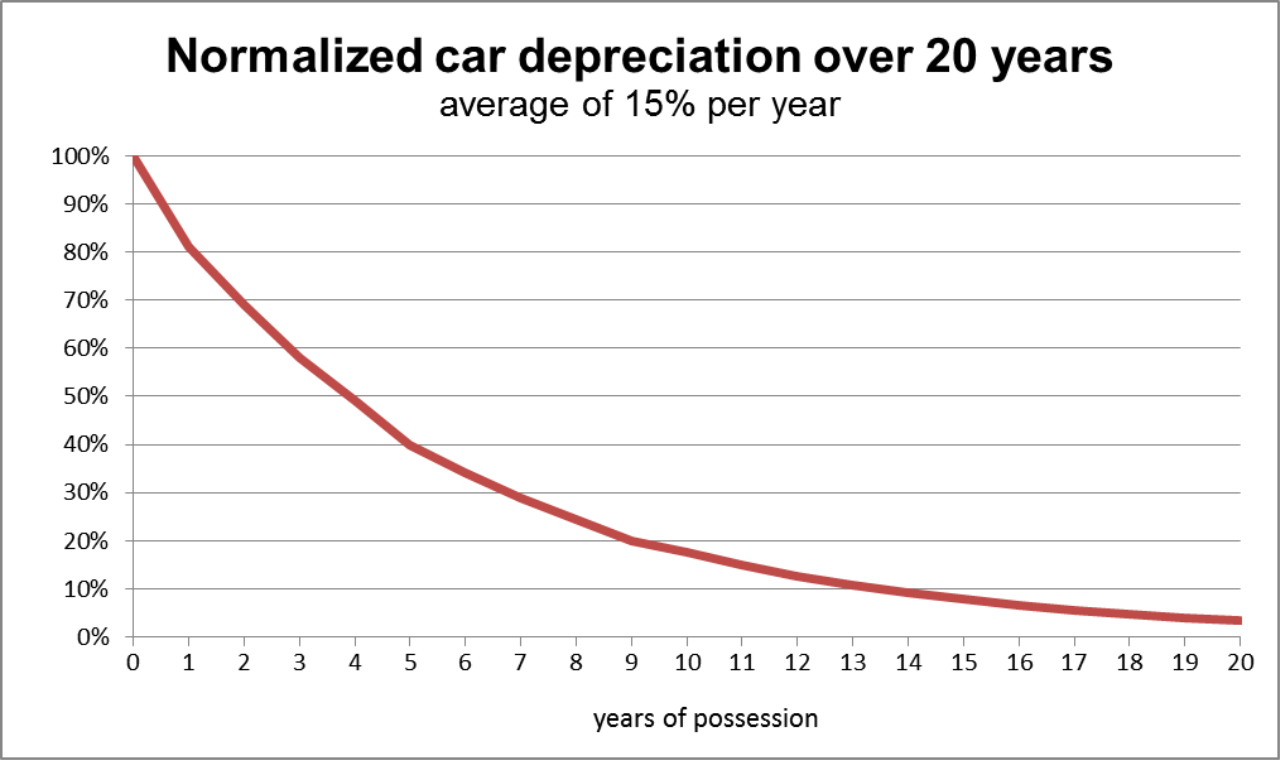
Actual Cash Value (ACV) is a property valuation method strictly aligned with the principle of indemnity. It accounts for the fact that property loses value over time through wear and tear.
ACV Formula: Actual Cash Value = Current Replacement Cost − Physical Depreciation
If a tree crushes a five-year-old roof, the insured is not entitled to a brand-new roof under an ACV policy. They are entitled to the value of a five-year-old roof.
Because consumers fundamentally dislike receiving less money than it costs to actually rebuild their home, the market adapted. Replacement Cost valuation pays the cost to replace damaged property with new property of like kind and quality without any deduction for depreciation.
It is vital to recognize that Replacement Cost valuation represents a departure from the strict principle of indemnity because the insured receives new property for old property. They end up in a slightly better physical position than they were a moment before the loss, though this is deemed acceptable in the modern market to prevent catastrophic out-of-pocket rebuilding burdens on homeowners.
Another critical departure occurs in fine arts, antiques, and custom collections. Valued policies pay a predetermined face amount in the event of a total loss regardless of the actual cash value of the property at the time of loss. Because the value of a Picasso painting cannot easily be debated after it has turned to ash, the insurer and insured agree on the value upfront. Consequently, valued policies represent an exception to the strict principle of indemnity.

Defending Indemnity: The Power of Subrogation
The principle of indemnity strictly dictates that an insured can only be made whole once. But what happens if a neighbor negligently drives their truck into the insured's living room? The insured could theoretically file a claim with their own property insurer, and then sue the neighbor for the same damage, thereby getting paid twice.
To prevent this, property policies contain a subrogation clause. Subrogation allows an insurer to recover the amount paid for a property claim from a negligent third party.
If the insured's living room is destroyed by the neighbor, the insurer pays the insured immediately to fix the home. Then, the insurer "steps into the shoes" of the insured and sues the neighbor (or the neighbor's auto insurer) to recover the funds.
Subrogation is not just a mechanism for insurance companies to recoup cash. Subrogation upholds the principle of indemnity by preventing the insured from collecting twice for the exact same loss. If the insured attempts to double-dip, it is a breach of contract. Collecting settlement funds from both the insurer and a negligent third party violates the principle of indemnity.
Summary for the Producer
When evaluating a scenario on your licensing exam—or in the field with a distressed client—trace the path systematically. First, find the unbroken chain of the Proximate Cause to secure coverage. Second, apply the correct Deductible to assign the initial risk. Finally, calculate the final payout through the lens of Indemnity, ensuring the client is made whole, but never enriched. Mastery of this sequence is the hallmark of an elite insurance professional.