Unfair Trade Practices and Unfair Claims Settlement Practices
Not sure you’re ready?
Take the ~3-minute readiness diagnostic and see where you stand.
Insurance is fundamentally the commercialization of trust. An applicant hands over capital today based entirely on a promise that an institution will be there to rebuild their life tomorrow. Because the product is intangible—a mere contract—the consumer cannot "test drive" a homeowner’s policy before a fire, nor can they inspect a liability limit for manufacturing defects before a lawsuit. To ensure this mechanism of trust does not break down, the National Association of Insurance Commissioners (NAIC) created the Unfair Trade Practices Act to protect consumers from deceptive insurance practices.
If trust is the foundation of the insurance mechanism, deceptive practices are the structural cracks that threaten to bring the entire system down. Regulators do not wait for the building to collapse; they aggressively police the perimeter. For the aspiring property and casualty producer, mastering these rules is not merely about passing a licensing exam. It is about understanding the strict ethical geometry that governs every interaction you will have with clients, underwriters, and claims adjusters.
The moment you interact with the public, you are bound by strict guidelines concerning what you can say, how you can sell, and who you can bind. The NAIC Unfair Trade Practices Act establishes the boundary line between aggressive salesmanship and illegal deception.
The Deception Suite
Deception in insurance usually involves manipulating a client's understanding of a contract to secure a sale. Regulators categorize these manipulations into specific, legally defined offenses:
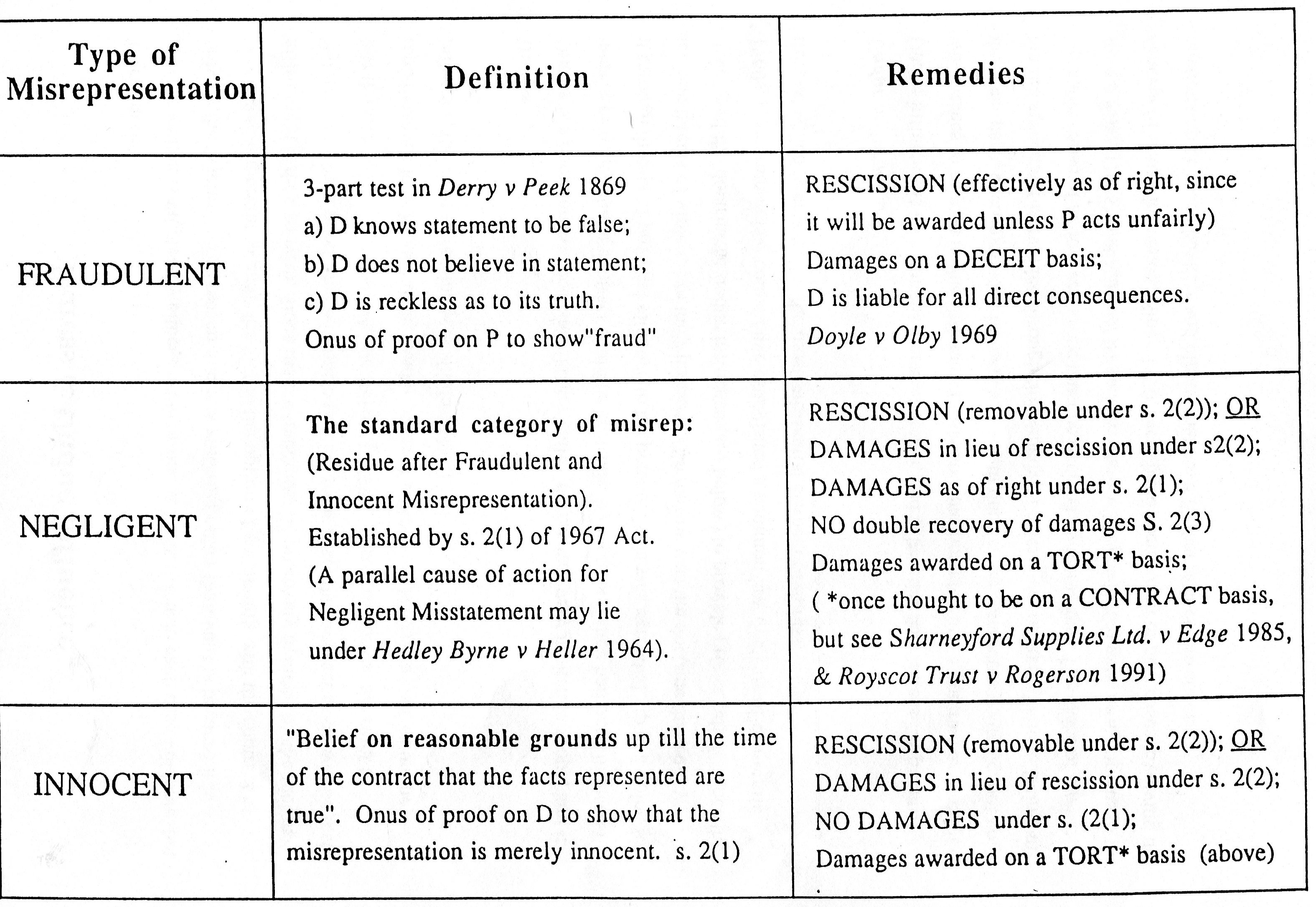
- Misrepresentation: This occurs when a producer makes false statements about the terms of an insurance policy or misleading statements about the benefits of an insurance policy. If you tell a client their standard homeowner's policy covers flood damage when it does not, you have fundamentally altered their understanding of their own financial safety net.
- False Advertising: While misrepresentation often occurs one-on-one, false advertising occurs when an insurance producer circulates untrue information about an insurance product in public media (such as print, television, or online).
- Defamation: This is an attack on a competitor rather than a deception of a client. Defamation is the act of making false statements designed to injure the financial reputation of an insurance company. Spreading unfounded rumors that a competing carrier is insolvent to win their book of business is a prime example.
The Commission-Driven Offenses
Sometimes, the structure of compensation tempts producers to manipulate policies for personal gain rather than the client's benefit.
| Practice | Definition | The Reality |
|---|---|---|
| Twisting | The unfair trade practice of using misrepresentation to induce a policyholder to terminate an existing policy to buy a new one from a different company. | Often resets waiting periods or strips the insured of accumulated benefits just so the producer earns a new-business commission. |
| Churning | The illegal practice of replacing insurance policies within the same company solely to generate additional commissions for the producer. | The client gains no new benefit; their existing coverage is essentially "recycled" at their expense to pay the agent. |
| Sliding | The illegal practice of including additional unrequested insurance coverages in a policy without the informed consent of the applicant. | "Sliding" an unwanted identity theft endorsement into a homeowner's quote to pad the premium and commission. |
Inducements and Bribes
Insurance must be sold on the merit of the contract, not through side deals. Rebating is the illegal practice of offering something of value to an applicant as an inducement to purchase an insurance policy. If the incentive is not explicitly written into the policy contract, it is an illegal rebate.
Crucial Example: An insurance producer splitting a commission with an unlicensed buyer constitutes illegal rebating. You cannot offer to give a client half your commission check if they agree to buy a commercial auto fleet policy from you.
Market Manipulation and Restraint of Trade
The insurance marketplace relies on fair competition and statistically sound underwriting. When these principles are violated, the market fails.
- Unfair Discrimination: Actuarial science demands that premiums reflect risk. Unfair discrimination involves charging different premiums to individuals belonging to the exact same actuarial risk class. Furthermore, refusing to issue a policy solely based on the applicant's geographic location without a valid business reason (historically known as redlining) constitutes unfair discrimination.
- Boycotting: This is an unfair trade practice involving an agreement to avoid doing business with a specific insurance company to restrict fair trade. Producers colluding to starve a new carrier of business is illegal.
- Coercion: This involves the use of force to induce an applicant to purchase an insurance policy. A classic, highly tested example: A lender requiring a borrower to purchase insurance from a specific insurer as a condition of a loan constitutes illegal coercion. (The lender can require insurance, but they cannot dictate which producer or company the borrower must use).
- Intimidation: An unfair trade practice involving the use of threats to force a consumer into an insurance transaction.
If the Unfair Trade Practices Act governs the promise made to the consumer, the NAIC Unfair Claims Settlement Practices Act governs the execution of that promise. When a client suffers a loss, they are uniquely vulnerable. The law establishes minimum legal standards for insurance companies handling both first-party claims (your client's own property) and third-party claims (liability claims brought against your client).
To ensure these standards are met, the Act requires insurers to maintain complete claim files accessible to state insurance regulators. If a complaint is filed, the regulator must be able to reconstruct the entire timeline of the claim.
The Duty of Prompt Investigation and Communication
Time is the enemy of a victim recovering from a disaster. Therefore, insurers are legally bound to strict timelines. It is an unfair claims settlement practice to:
- Fail to promptly acknowledge communications regarding an insurance claim.
- Fail to adopt reasonable standards for the prompt investigation of insurance claims.
- Delay the investigation of claims by requiring both a formal proof of loss form and a subsequent verification duplicating the exact same information.
An insurer cannot deny a payout purely on instinct. Refusing to pay claims without conducting a reasonable investigation based upon all available information is an explicit violation of unfair claims practices.

The Duty of Good Faith in Settlements
Once the facts are established, the insurer must act decisively. According to claims settlement laws, it is a violation to fail to affirm coverage of claims within a reasonable time after receiving proof of loss forms. Equally, it is a violation to fail to deny coverage within that same reasonable time. The insured has a right to know where they stand.
When the facts show the insurer owes the money, they must pay. Period. It is an unfair claims practice to fail to attempt in good faith to effectuate prompt claim settlements when liability is reasonably clear.
Regulators severely punish insurers who attempt to leverage their massive financial weight against a distressed claimant. Examples of illegal bad-faith leverage include:
- Compelling insureds to institute litigation to recover amounts due by offering substantially less than the recovered amounts. (Lowballing so aggressively that the client is forced to hire a lawyer).
- Informing insureds of a policy to appeal arbitration awards to compel the acceptance of a lower settlement. (Using the threat of endless legal delays to starve the claimant into taking pennies on the dollar).
- Attempting to settle a claim for less than the amount a reasonable person would expect based on advertising material.
- Attempting to settle claims based on an application altered without notice to the insured.
The Duty of Transparency
Transparency is not optional; it is a legal mandate. An adjuster cannot simply hand a client a check or a rejection letter without laying out the exact contractual math.
Rule of Clarity: Making claims payments without providing a statement explaining the specific coverage being used for the payment is an unfair claims practice.
Conversely, if a claim is rejected, the insurer cannot simply say "No." Failing to promptly provide a reasonable explanation of the policy basis for a claim denial is an unfair claims settlement practice. The claimant must be shown precisely which policy exclusion or condition dictated the denial. Furthermore, misrepresenting pertinent coverage facts or misrepresenting insurance policy provisions to claimants at any point in the process constitutes a severe violation.
Laws without enforcement are merely suggestions. The state insurance departments hold immense authority to protect the public from bad actors.
State insurance commissioners possess the legal authority to investigate insurance producers for suspected violations of unfair trade practices laws. When the commissioner uncovers a violation, the regulatory machinery moves swiftly through a hierarchy of consequences.
Cease and Desist Orders
If an investigation bears fruit, a state insurance commissioner may issue a cease and desist order upon finding an insurance producer guilty of an unfair trade practice.
A cease and desist order is not a polite request; it legally requires an insurance producer to immediately stop committing a specific unfair trade practice. It is the regulatory equivalent of hitting the emergency stop button on a machine.
Fines and License Actions
The financial and professional consequences for violating these model acts are severe. State insurance departments hold the authority to impose monetary fines on insurance producers who violate the Unfair Trade Practices Act. Crucially, intent matters. Monetary penalties for unfair trade practice violations are typically assessed at a higher amount for willful violations—meaning the producer knew what they were doing was illegal and did it anyway.
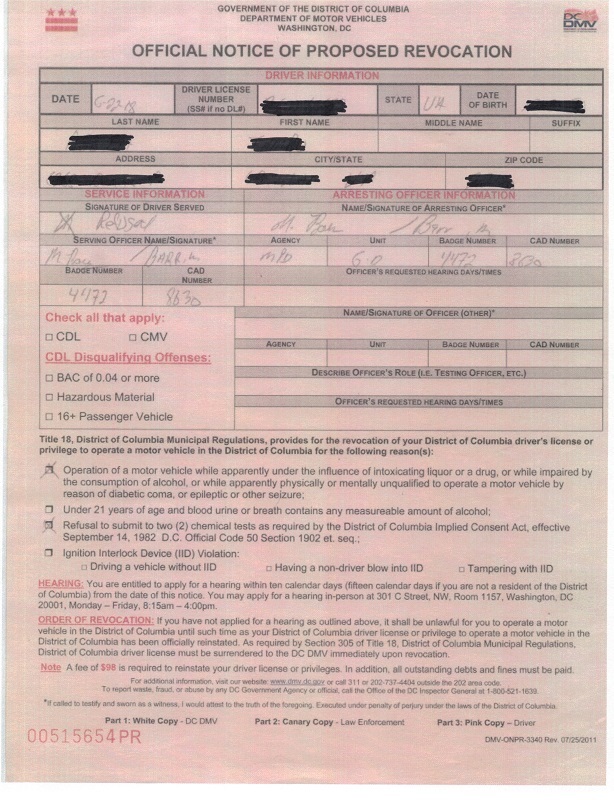
If the breach of public trust is profound enough, fines are only the beginning. State insurance commissioners hold the authority to suspend or even permanently revoke the insurance license of a producer found guilty of an unfair trade practice.
Defying the Regulator
If a producer decides to ignore the commissioner's directives, the hammer falls instantly. Violating a cease and desist order can result in the immediate suspension or immediate revocation of an insurance producer's license.
For the property and casualty professional, these regulations are the guardrails of a lucrative and honorable career. Understand them not just as test questions, but as the fundamental operating code of the industry you are about to enter.