Georgia Insurance Code & Department of Insurance
Not sure you’re ready?
Take the ~3-minute readiness diagnostic and see where you stand.
Imagine a city’s building code. The city council writes the zoning rules, structural requirements, and safety standards, but a municipal building inspector is the one who steps onto the construction site to ensure every beam and bolt actually meets those standards so the roof does not collapse on the residents. In the Georgia insurance marketplace, the Georgia General Assembly acts as the city council, while the Georgia Office of Commissioner of Insurance and Safety Fire acts as the inspector on the ground. Understanding this separation of powers is the foundational key to mastering Georgia insurance regulation.
The Commissioner is the chief regulator of the state's insurance industry, but they are an enforcer, not a legislator. By examining the precise limits of the Commissioner’s authority, the strict financial standards imposed on producers, and the mechanisms of administrative justice, we can understand exactly how Georgia maintains a solvent, reliable insurance market.
To understand the regulatory framework of Georgia insurance, we must draw a sharp line between creating the law and enforcing it.
The Georgia General Assembly is exclusively responsible for enacting the state's insurance laws. The Georgia Commissioner of Insurance lacks the authority to write new insurance laws or enact them. If a new type of insurance product emerges and requires a wholly new legal framework, only the legislature can pass that law.

So, what does the Commissioner actually do? The primary purpose of the Georgia Office of Commissioner of Insurance and Safety Fire is to enforce state insurance laws. Ultimately, this office exists to protect insurance consumers, ensuring that when a citizen pays for a policy, the promises made in that contract are kept.
Because the Commissioner is accountable to the public, the Georgia Commissioner of Insurance and Safety Fire is elected by the voting public and serves a four-year term in office.
While the Commissioner cannot write the laws, the Georgia Commissioner of Insurance has the power to issue administrative rules and regulations. These administrative rules are used to implement the Georgia Insurance Code. If the General Assembly passes a broad law requiring insurers to "maintain adequate cyber-security measures," the Commissioner will issue the specific administrative regulations defining exactly what those measures look like in practice.
Regulation without verification is just a suggestion. To ensure compliance, the Georgia Commissioner of Insurance has the authority to examine the financial condition of any licensed insurance entity in the state, as well as the authority to examine the business records of any licensed insurance producer.
These examinations are not funded by the taxpayers. By law, the expenses for a regulatory examination are paid by the insurance company being examined, or by the insurance producer being examined.
Frequency of Examinations
The timeline for these examinations depends on the entity in question:
- Domestic Insurers: The Georgia Commissioner of Insurance must examine every domestic insurer (an insurance company headquartered and chartered in Georgia) at least once every five years.
- Producers: The Commissioner can examine an insurance producer's records as often as the Commissioner deems necessary. If there is a spike in consumer complaints about a specific agency, the Commissioner will not wait five years to audit their books.
Record Retention
An examination is useless if the paper trail has vanished. Because insurance claims and disputes often arise long after a policy is sold, Georgia imposes strict recordkeeping rules.
The Five-Year Rule
- Agents: Georgia insurance agents must retain records of insurance transactions for a minimum of five years. This five-year record retention requirement applies after the completion of an insurance transaction or after the expiration of an insurance policy.
- Adjusters: Georgia insurance adjusters must retain records of each investigation or adjustment for a minimum of five years.
If you sell a one-year auto policy that expires on December 31, 2026, you must keep the records for that specific term until December 31, 2031.
When a client hands you a check to bind a property and casualty policy, that money does not belong to you. It belongs to the insurer, and until it reaches them, you are merely a financial guardian.
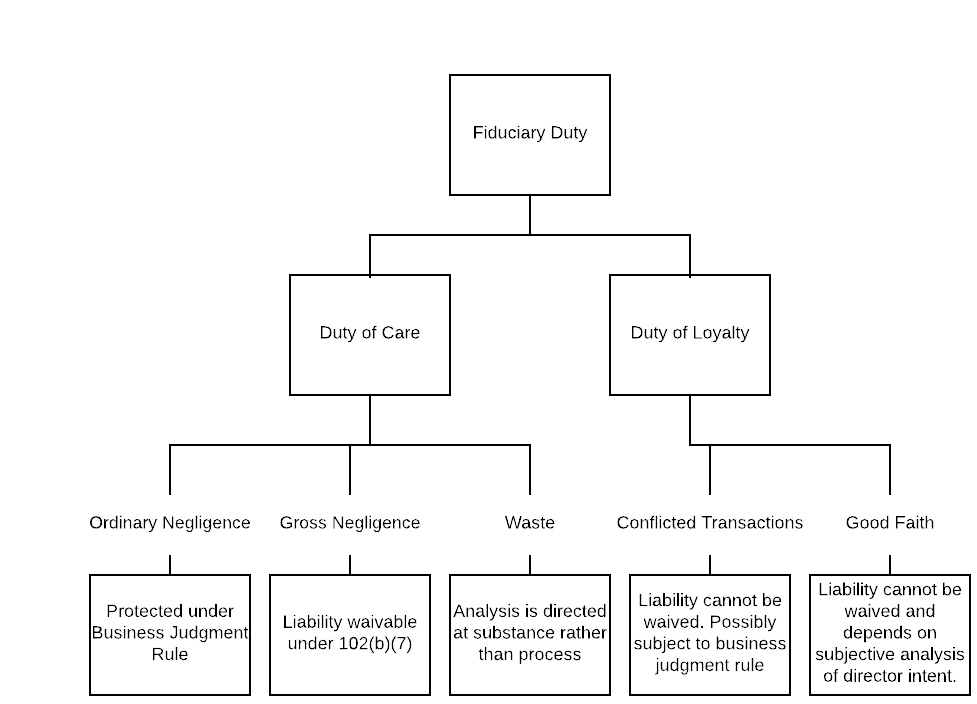
Under Georgia law, an insurance agent acts in a fiduciary capacity when receiving and handling premium funds. A fiduciary is someone entrusted to act for the benefit of another, requiring the highest standard of care and honesty.
Because of this profound legal responsibility, Georgia insurance agents are strictly prohibited from commingling premium funds collected from insureds with either their personal funds or their operating business funds.
Consider a real-world scenario: An independent agency has a slow month and struggles to pay its office rent. The agent takes $2,000 in customer premiums sitting in a drawer and deposits it into the agency’s operating account to pay the landlord, intending to "pay it back" next week when commissions clear. This is commingling. It is illegal, regardless of the agent's intent to replace the money.
Penalties for Premium Fund Violations
Georgia treats the violation of this fiduciary trust as theft, and the penalties scale strictly with the amount of money mishandled:
| Amount Mishandled | Criminal Classification |
|---|---|
| $1,000 or less | Willful violation of premium fund accounting rules constitutes a misdemeanor. |
| Greater than $1,000 | Willful violation of premium fund accounting rules constitutes a felony. |
When the Commissioner suspects that a producer or insurer is operating outside the bounds of the law, they do not simply revoke a license overnight. Due process is a cornerstone of the Georgia Insurance Code.
The Georgia Commissioner of Insurance has the authority to conduct investigations regarding potential violations of the Insurance Code. If an investigation yields evidence of wrongdoing, the Commissioner has the authority to hold administrative hearings. Conversely, an insurance producer suspected of violating the Georgia Insurance Code is entitled to an administrative hearing to defend their livelihood.
Notice of Hearing
To ensure a fair process, the Commissioner cannot ambush a licensee. The Georgia Commissioner of Insurance must provide at least 10 days of advance written notice before holding a disciplinary hearing.
This hearing notice must explicitly state three things:
- The time of the hearing.
- The place of the hearing.
- The specific matters to be considered at the hearing.
Cease and Desist Orders
If a producer is engaged in an activity causing immediate, severe harm to the public—such as selling fraudulent, non-existent policies—the state cannot wait 10 days for a hearing to stop the bleeding.
In these scenarios, the Georgia Commissioner of Insurance can issue a cease and desist order before holding a formal administrative hearing. A cease and desist order requires an insurance entity to immediately stop a suspected prohibited activity. It essentially freezes the harmful behavior while the legal process catches up.
Administrative Penalties
If a licensee is found guilty of violating state insurance regulations, the Commissioner possesses a broad arsenal of disciplinary actions. The Commissioner has the power to:
- Suspend an insurance license.
- Revoke an insurance license.
- Refuse to renew an insurance license.
- Place on probation an insurance license.
- Impose a monetary fine against the licensee.
Violating a Cease and Desist Order
Ignoring a cease and desist order is treated as a direct assault on the regulatory authority of the state. If an agent receives an order to stop marketing a specific unapproved product and continues to do so anyway, the consequences escalate dramatically.
Violating a cease and desist order exposes an insurance licensee to enhanced monetary penalties. Specifically, violating a cease and desist order in Georgia can result in a monetary penalty of up to $10,000 for each violation. Furthermore, the Georgia Commissioner of Insurance has the discretion to suspend or revoke an insurance license if a cease and desist order is violated.
In the eyes of the law, making an honest mistake may result in a fine or probation. Willfully ignoring a direct command from the Commissioner to stop an illegal activity proves that a producer cannot be trusted in the marketplace, swiftly triggering maximum financial penalties and the permanent loss of one's career.