Insurance is fundamentally a promise sold across time. A homeowner pays a premium today, trusting the insurer will rebuild their life tomorrow if catastrophe strikes. But what happens when the foundation of that promise shifts—when a premium check bounces, a hidden hazard spirals out of control, or an insurer decides a geographic market is simply too risky to maintain? The law cannot force an insurer to blindly hold a burning match, nor can it allow a family to lose their financial safety net overnight. Georgiaproperty insurance law establishes a highly calibrated mechanism to manage how and when these contracts are altered or terminated. It mandates precise timelines, enforces strict financial penalties for holding onto unearned money, and guarantees a market of last resort for those who fall through the cracks of standard underwriting. Understanding these statutes is not about memorizing isolated numbers; it is about grasping the mechanics of how the state balances a free market against the public interest of keeping Georgians sheltered.
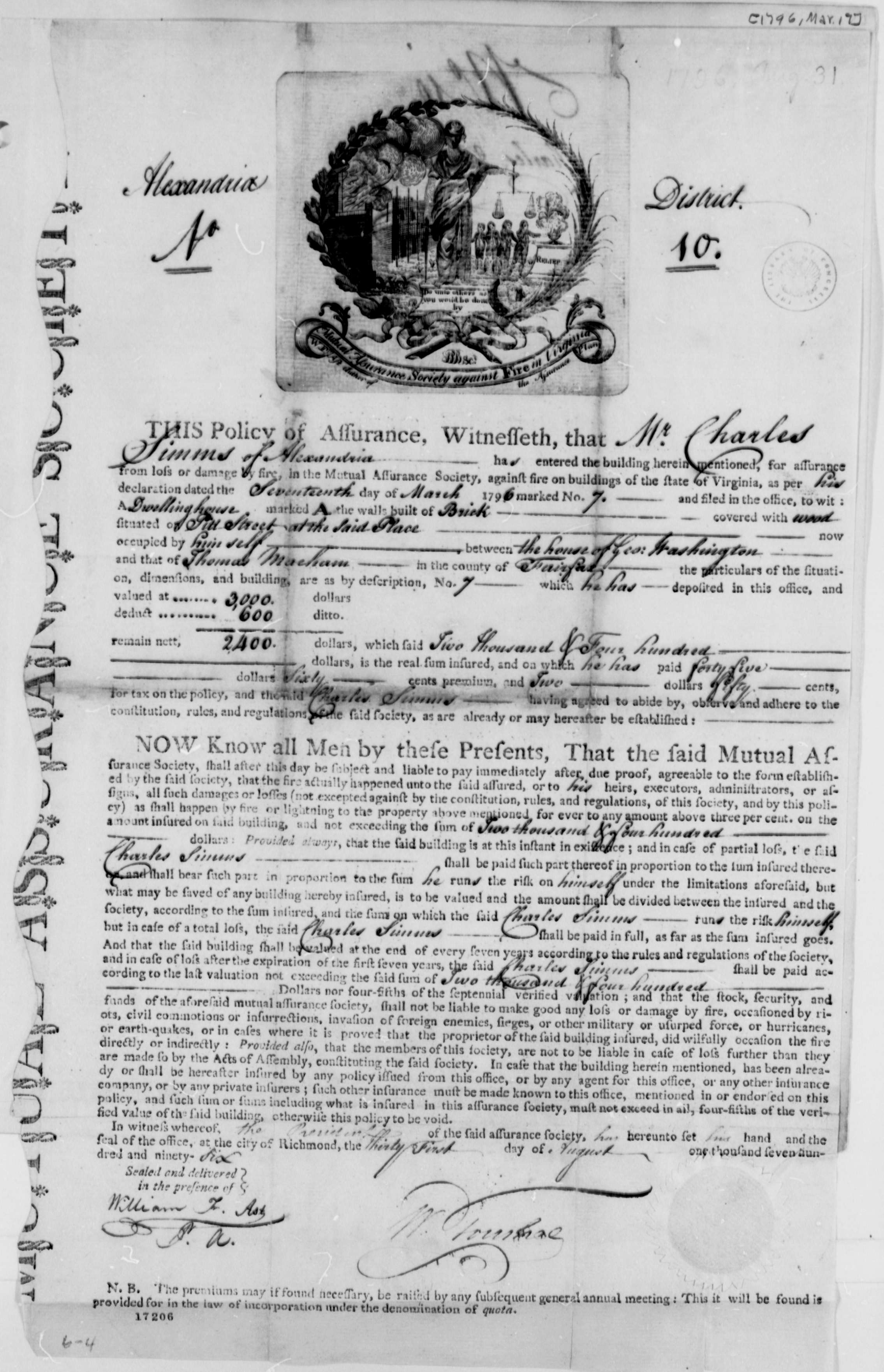
Early property insurance contracts, like this 18th-century fire policy, established the foundational legal promises between policyholders and insurers that modern state statutes now heavily regulate.
To understand policy cancellation, you must distinguish between two phases in the life of an insurance contract: the "probationary" period and the "locked-in" period.
When a brand-new residential property policy is issued, the insurer is relying heavily on the application. They need time to verify that the property actually matches the paperwork—to ensure there isn't an aggressive pit bull in the yard or a roof collapsing under pine needles that wasn't disclosed.
During a new policy's first 60 days, insurers verify the application against actual property conditions to ensure there are no undisclosed liability hazards, such as restricted breeds of dogs.
Therefore, if a policy is a new policy (not a renewal) and has been in effect for 60 days or less, an insurer may cancel it for absolutely any reason. Because the risk is still being actively evaluated, the state requires a relatively short notice period: the insurer must provide at least 10 days' written notice to the insured.
The "Locked-In" Period
Once a Georgia property insurance policy has been in effect for more than 60 days, the legal landscape shifts dramatically. The insurer has had ample time to inspect the risk. The insured now has a strong reliance interest in the policy. The insurer can no longer cancel on a whim; mid-term cancellation is now restricted to specific statutory reasons.
These permissible reasons center on the policyholder altering the nature of the deal. They include:
An insured's violation of any material terms or conditions of the insurance contract.
A substantial increase in the hazard insured against (e.g., the homeowner begins manufacturing fireworks in their attached garage).
If the insurer discovers one of these statutory breaches and decides to cancel after the 60-day mark, they must provide at least 30 days' written notice to the insured.
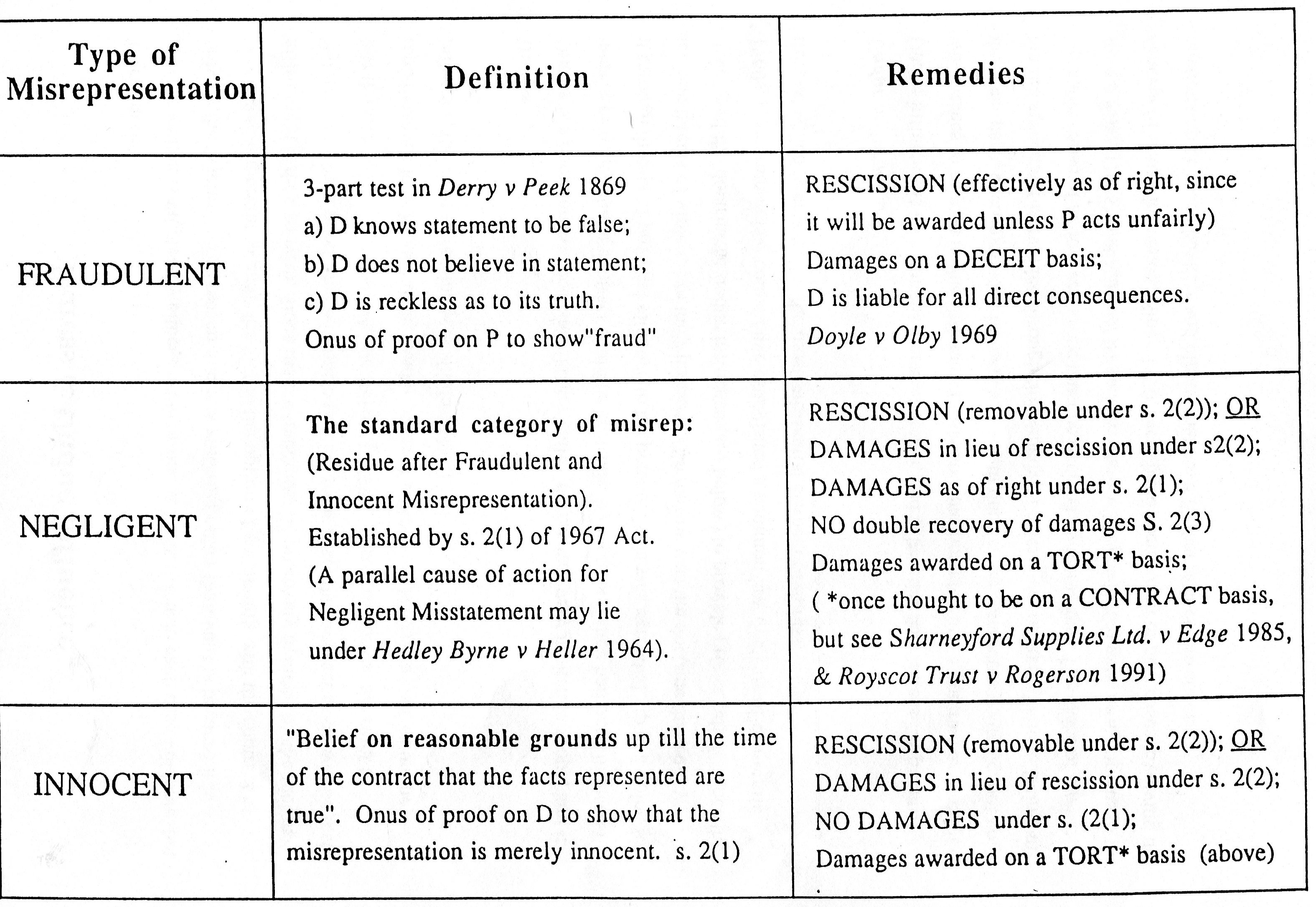
Material misrepresentation, whether fraudulent or unintentional, alters the fundamental risk assumed by the insurer and serves as one of the few statutory grounds for canceling a policy after the 60-day locked-in period begins.
The Universal Exception: Nonpayment of Premium
The rules change when the policyholder fails to pay for the coverage. An insurer must provide at least 10 days' written notice when canceling a Georgia property insurance policy for nonpayment of premium, regardless of how long the policy has been in effect. You cannot demand 30 days of free insurance when you have stopped paying for it.
Cancellation Timeline Summary
Time in Force
Allowable Reasons for Cancellation
Required Notice Period
60 Days or Less (New)
Any reason
10 days
More than 60 Days
Specific statutory reasons (fraud, increased hazard, violation of terms)
Cancellation is the act of severing a contract mid-stream. Nonrenewal is the decision to let the current contract naturally expire and refusing to offer a new one. Because nonrenewal leaves the homeowner looking for a new carrier at the end of their term, the state demands a longer runway.
In Georgia, an insurer must provide at least 60 days' written notice to the policyholder before the effective date of a nonrenewal of a residential property insurance policy. Furthermore, a valid nonrenewal notice cannot be vague. It must state the specific reason for the insurer's decision not to renew the coverage.
Reductions in Coverage
Sometimes an insurer wants to renew a policy but alter the terms to reduce their exposure—for example, excluding windstorm coverage or lowering a dwelling limit.
An insurer must provide at least 30 days' written notice to the named insured before the effective date of any proposed reduction in property insurance coverage. To ensure this reduction isn't buried in fine print, Georgia law demands it be visually unmistakable. A notice of reduction must be delivered in a separate document featuring the words "NOTICE OF REDUCTION IN COVERAGE" printed in all capital letters.
When an insurer cancels a Georgia property insurance policy mid-term, the insurer is effectively holding money for days of coverage it will no longer provide. This money—the unearned premium—still belongs to the insured.
When an insurer cancels, they must calculate and refund any unearned premium on a pro rata basis. (If exactly half the policy term remains, exactly half the premium is returned. No penalties or "short rate" formulas are permitted when the insurer initiates the cancellation).
The state of Georgia treats the prompt return of this money as a critical duty. If a refund of unearned premium does not accompany the notice of cancellation itself, the insurer must return the funds to the insured (or the insured's agent of record) on or before the cancellation date.
The Producer's Responsibility and The Penalties
As an aspiring producer, this directly impacts your agency operations. If you, the Georgia insurance agent, receive a returned unearned premium from the insurer, you must return those funds to the insured within 10 working days of receipt.
The state does not tolerate slow-walking these refunds. Failure to timely return an unearned premium triggers severe financial consequences:
The Penalty: The offending insurer or agent is subjected to a penalty equal to 25 percent of the unearned premium amount.
The Interest: The offending party must pay interest at a rate of 18 percent per year on the unearned premium amount until it is finally paid.
Exam Trap Warning: A logical assumption is that if an insurer illegally holds onto the unearned premium, the cancellation notice must be void. This is false. A failure by the insurer or agent to return an unearned premium within the required timeframe does not invalidate a legally issued notice of cancellation. The policy remains cancelled; the insurer is simply on the hook for massive financial penalties.
If an insurer cancels or nonrenews a residential property policy for any reason other than nonpayment of premium, Georgia law mandates that they must notify the insured of their possible eligibility for the Georgia FAIR Plan.
What is the FAIR Plan?
FAIR stands for Fair Access to Insurance Requirements. No matter how cleanly the standard insurance market operates, some properties will inevitably fall outside standard underwriting guidelines. Perhaps the home is in a high-crime area, has suffered multiple severe claims, or sits too close to a brushfire zone.
The FAIR Plan functions as a residual market mechanism. It provides basic property insurance to applicants who are unable to obtain coverage in the standard insurance market.
To be eligible for the Georgia FAIR Plan, an applicant cannot simply prefer its rates. They generally must provide proof that standard insurance companies have declined to offer coverage for the property.
How It Operates
The FAIR plan is not a government handout; it is an industry-funded safety valve. In Georgia, the FAIR Plan is operated and administered by the Georgia Underwriting Association (GUA).
Because taking on high-risk properties is inherently unprofitable, the GUA prevents any single company from bearing the brunt of this burden. The Georgia Underwriting Association assesses and shares all FAIR Plan expenses, income, and losses equitably among all licensed property insurers operating in the state. If you want to sell lucrative standard property insurance in Georgia, you must pay your share to keep the residual market afloat.
The Limits of the Safety Net
It is crucial to explain to clients that the FAIR Plan is a shelter of last resort, not a luxury hotel. Because it serves the residual market, it offers basic coverage—such as Dwelling Fire or basic Commercial Property policies. It does not offer the comprehensive multi-peril coverage (like broad liability protections or theft of personal property) found in a standard Homeowners (HO-3) policy. It exists simply to ensure that a property can be insured against catastrophic loss like fire, allowing the homeowner to satisfy mortgage requirements and protect their underlying physical asset.
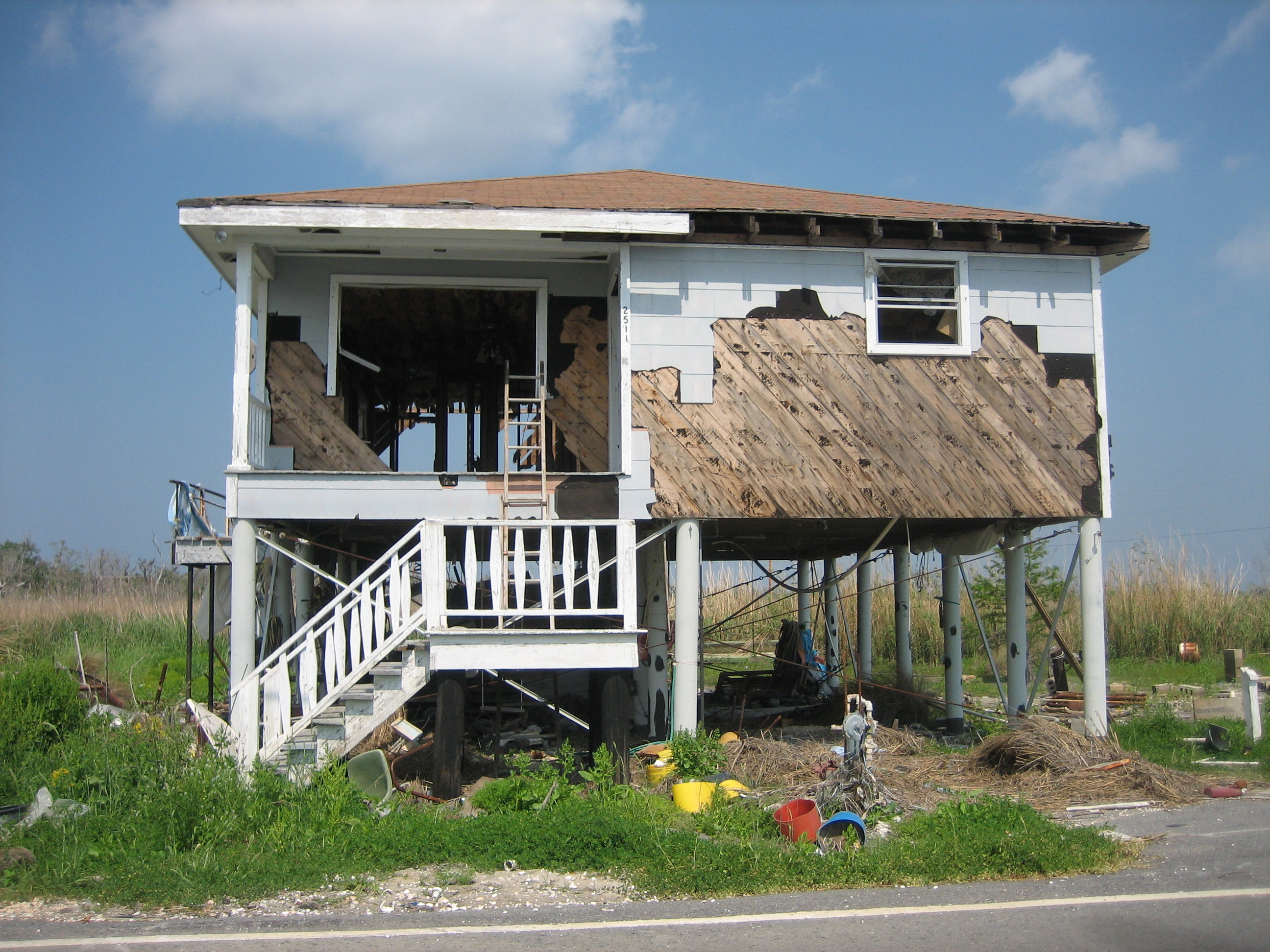
Residual market mechanisms like the FAIR Plan offer basic property protection against major catastrophic perils, ensuring homeowners can satisfy mortgage requirements and maintain their physical assets even when standard insurers decline coverage.