Definition of the Insured and Duties After a Loss
Not sure you’re ready?
Take the ~3-minute readiness diagnostic and see where you stand.
An insurance contract is not a passive, invincible shield; it is a highly conditional legal mechanism that demands specific behaviors from the very individuals it protects. When a liability claim strikes, the policy dictates precisely who is entitled to a defense and exactly what those individuals must do to maintain that protection. For an insurance producer, understanding the mechanics of a casualty contract means mastering two absolute fundamentals: defining the boundaries of who qualifies as an "insured," and enforcing the strict behavioral rules—the duties after a loss—that keep the coverage legally binding. If the wrong person attempts to alter the policy, or if the right person fails to forward a legal summons, the entire apparatus of financial protection can collapse.
A casualty insurance policy does not simply insure "a business" or "a family" as a vague, abstract concept. It grants rights and protections based on a strict legal hierarchy. Understanding this hierarchy is critical because different levels of "insureds" possess entirely different rights and responsibilities under the contract.
The Named Insured
At the top of the hierarchy is the Named Insured.
The Named Insured is the person or organization specifically designated by name on the declarations page of a casualty insurance policy.
Casualty policies grant primary coverage rights to the Named Insured listed on the declarations page. If a client's name is typed on that front page, the contract revolves around them. However, in commercial policies where multiple entities or partners might be listed, the contract narrows its administrative focus even further to a single point of contact.
The First Named Insured: The Controller of the Contract
When multiple names appear on a commercial declarations page, the order in which they appear is not merely cosmetic. The First Named Insured is the first person or organization listed on the declarations page.
In commercial casualty insurance, the First Named Insured acts as the sole manager of the contract. The insurer cannot take instructions from the second or third names on the list. The First Named Insured holds exclusive rights and shoulders specific administrative burdens:
- Cancellation Power: The First Named Insured holds exclusive rights to cancel a commercial casualty insurance policy.
- Financial Liability: The First Named Insured is solely responsible for paying premiums on a commercial casualty policy.
- Financial Return: If the policy is canceled early or audited, the First Named Insured is the sole authorized recipient of any return premium on a commercial casualty policy.
As a producer, if the second partner in a business calls you to cancel a policy or asks for the premium refund check to be routed to them, you must decline. The contract recognizes only the First Named Insured for these administrative functions.
Automatic Insureds
Not everyone protected by a policy needs to be explicitly typed onto the declarations page. Casualty policies are designed to accommodate the reality of families and businesses. Automatic insureds are individuals or entities granted coverage by the policy definitions without being specifically named.
The policy language itself creates an umbrella of protection based on the relationship to the Named Insured:
- Personal Lines: The spouse of a Named Insured is an automatic insured under a personal liability policy, provided they are residing in the same household. Furthermore, resident relatives of the Named Insured (such as children living at home) are also automatic insureds under personal liability policies.
- Commercial Lines: A business entity acts through its workers. Therefore, employees of a business are automatic insureds under a commercial general liability policy while acting within the scope of their employment. If an employee accidentally drops a heavy tool on a customer's foot while on the clock, the employee is personally protected by the policy's defense provisions, even though their specific name is nowhere on the declarations page.
Additional Insureds
Sometimes, an outside party requires protection under your client's policy as a condition of doing business.
An Additional Insured is a person or organization added to a casualty policy by a specific endorsement.
An Additional Insured receives liability protection under the policy despite not being the original purchaser. For example, if your client is a general contractor, the property owner will likely demand to be added to your client's Commercial General Liability policy as an Additional Insured. If the contractor's scaffolding collapses and injures a pedestrian, the injured party will sue both the contractor and the property owner. Because of the endorsement, your client's policy will extend defense and settlement protections to the property owner for that specific liability exposure.
| Classification | How They Are Identified | Primary Characteristic |
|---|---|---|
| First Named Insured | First name on the Declarations Page | Controls the policy (cancels, pays, receives refunds). |
| Named Insured | Any name on the Declarations Page | Holds primary coverage rights. |
| Automatic Insured | By definition in the policy text | Covered due to relationship (resident spouse/relative, employee). |
| Additional Insured | By explicit endorsement | Third party granted coverage despite not purchasing the policy. |
A fundamental principle of casualty insurance is that it is a conditional contract. The insurer's promise to pay and defend is intrinsically tied to the insured's behavior immediately following an incident. The duties after a loss represent strict conditions precedent to coverage under a casualty insurance policy.
"Conditions precedent" means that the insured must perform these duties before the insurer's obligation to cover the claim is triggered. If the insured fails to perform these duties, they effectively sabotage the insurer's ability to protect them.
The Duty of Prompt Notice
Time destroys evidence. A casualty insurance policy requires the insured to provide prompt notice of an occurrence that may result in a claim.
Why is promptness a strict requirement? Prompt notice gives the insurer the opportunity to investigate a claim while evidence is fresh. If a customer slips on a wet floor in your client's store, the insurer needs to interview witnesses before memories fade, review security footage before the system overwrites it, and document the physical condition of the floor. If a client waits six months to mention the slip-and-fall, the evidence is gone, and the insurer is left defending a ghost of an incident.

Forwarding Legal Documents
When a liability incident escalates, the insured will often receive legal demands or court summonses. The insured must immediately forward any demands to the insurer following a liability incident. Furthermore, if the situation escalates to litigation, the insured must immediately forward any legal summonses or lawsuits to the insurer.
The rationale here is rooted in the strict timelines of the judicial system. Forwarding legal documents allows the insurer to mount a timely defense against a liability lawsuit. In most jurisdictions, a defendant has a very narrow window (often 20 to 30 days) to file a formal response to a lawsuit. If the insured leaves a summons sitting in their desk drawer, that deadline will pass.
Full Cooperation in the Defense
An insurer cannot defend an insured who refuses to help. A casualty policy requires the insured to cooperate fully with the insurer in the investigation of a claim. This requirement extends through the entire life cycle of the dispute: a casualty policy requires the insured to cooperate fully with the insurer in the settlement of a claim, and requires the insured to cooperate fully with the insurer in the defense of a lawsuit.
What does "cooperation" actually look like in practice?
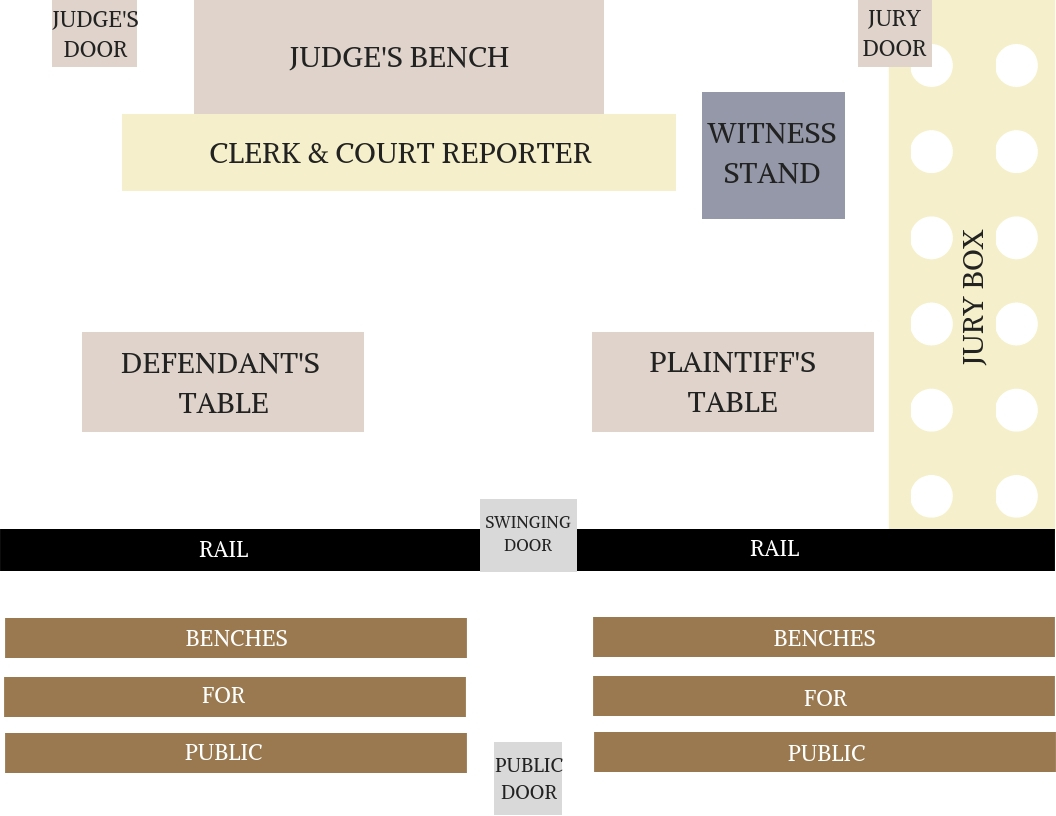
- Showing up: The insured must attend hearings and trials at the request of the insurer during a liability dispute.
- Providing facts: The insured must assist the insurer in securing and giving evidence for a liability defense.
- Gathering testimony: The insured must assist the insurer in obtaining the attendance of witnesses for a liability trial.
If an insured says, "I paid my premium, you handle the lawsuit, I'm too busy to go to court," they are breaching the contract. The insurer needs the insured on the witness stand to testify about what happened.
When humans cause an accident, their natural instinct is often to apologize and offer to make things right. In the realm of casualty insurance, this instinct is incredibly dangerous.
An insured is strictly prohibited from voluntarily assuming any liability related to a claim. Assuming liability without the explicit consent of the insurer violates the conditions of a casualty insurance policy.
If your client rear-ends someone and immediately writes out a written confession stating, "This was 100% my fault, I am legally responsible," they have essentially bypassed the legal system and destroyed the insurer's ability to negotiate or defend the claim in court. Therefore, the contract institutes strict financial prohibitions:
- An insured is prohibited from making any voluntary payments to a claimant out of pocket.
- An insured is prohibited from voluntarily settling a claim without the insurer's involvement.
If your client tries to pay a claimant $5,000 to "make it go away" without telling the insurer, the insurer will not reimburse that payment. The insurer has the exclusive right to investigate, determine legal liability, and negotiate settlements.
The First-Aid Exception
There is one critical, universally tested exception to the prohibition against voluntary payments. An exception to the voluntary payment prohibition allows the insured to incur reasonable expenses for immediate first aid to others at the time of an accident.
If your client accidentally injures a guest on their property, they are entirely allowed to call an ambulance and pay the paramedic's emergency fee or provide immediate physical first aid materials. The insurance policy will reimburse these specific, immediate medical expenses. The law and the insurance industry do not want policyholders withholding life-saving assistance out of fear of voiding their coverage.
What happens if an insured ignores these duties? Because these duties are conditions precedent, a breach of post-loss duties can result in the complete denial of a liability claim.
If a client refuses to provide documents or skips their own trial, failing to cooperate with the insurer's defense can legally relieve the insurer of its duty to defend the insured. The insurer can simply withdraw their legal counsel, leaving the insured to pay for their own lawyers.
The stakes are highest regarding legal paperwork. Failing to forward legal documents promptly can result in a default judgment against the insured. A default judgment occurs when a judge rules in favor of the plaintiff simply because the defendant failed to respond to the lawsuit in time. An insurer may completely deny coverage if a default judgment occurs due to the insured's failure to forward legal documents. From the insurer's perspective, they were robbed of their right to defend the case on its actual merits.
The Standard of Prejudice
However, the courts do not allow insurers to act capriciously. If an insured breaches a duty in a minor, harmless way, the insurer cannot automatically rip up the contract.
The insurer cannot usually deny coverage for a breach of post-loss duties unless the insurer can prove it was prejudiced by the insured's failure to comply.
"Prejudice" in this legal context means actual, tangible harm to the insurer's ability to manage the claim.
- No Prejudice: If the insured is required to report a claim "promptly," and they wait 48 hours instead of 24 hours, but all the evidence and witnesses are still perfectly intact, the insurer has not been prejudiced. They must still cover the claim.
- Prejudice Achieved: If the insured waits two years to report a lawsuit, and forwards the summons only after a $1 million default judgment has been entered against them, the insurer's legal position has been entirely destroyed. The insurer has been severely prejudiced and will successfully deny the claim.
As a producer, your role is to ensure your clients never test the boundaries of "prejudice." The moment a loss occurs, your instruction to the Named Insured must be immediate and unequivocal: notify the carrier, forward every scrap of paper, do not admit fault, and cooperate completely. The survival of their financial protection depends entirely on it.