The Insurance Regulatory System and NAIC Role
Not sure you’re ready?
Take the ~3-minute readiness diagnostic and see where you stand.
An insurance producer licensed in New York cannot legally sell a homeowners policy to a client sitting three miles away in Connecticut without passing a separate exam and securing a separate license. Unlike the banking or telecommunications industries, which answer to massive federal bureaucracies, the insurance industry operates under a fragmented, heavily localized system of rules. If you want to understand why you are required to master both a "National Core" of insurance principles and a separate section of state-specific laws to get your license, you must understand the strange, century-long legal tug-of-war that built the modern American insurance regulatory machine.
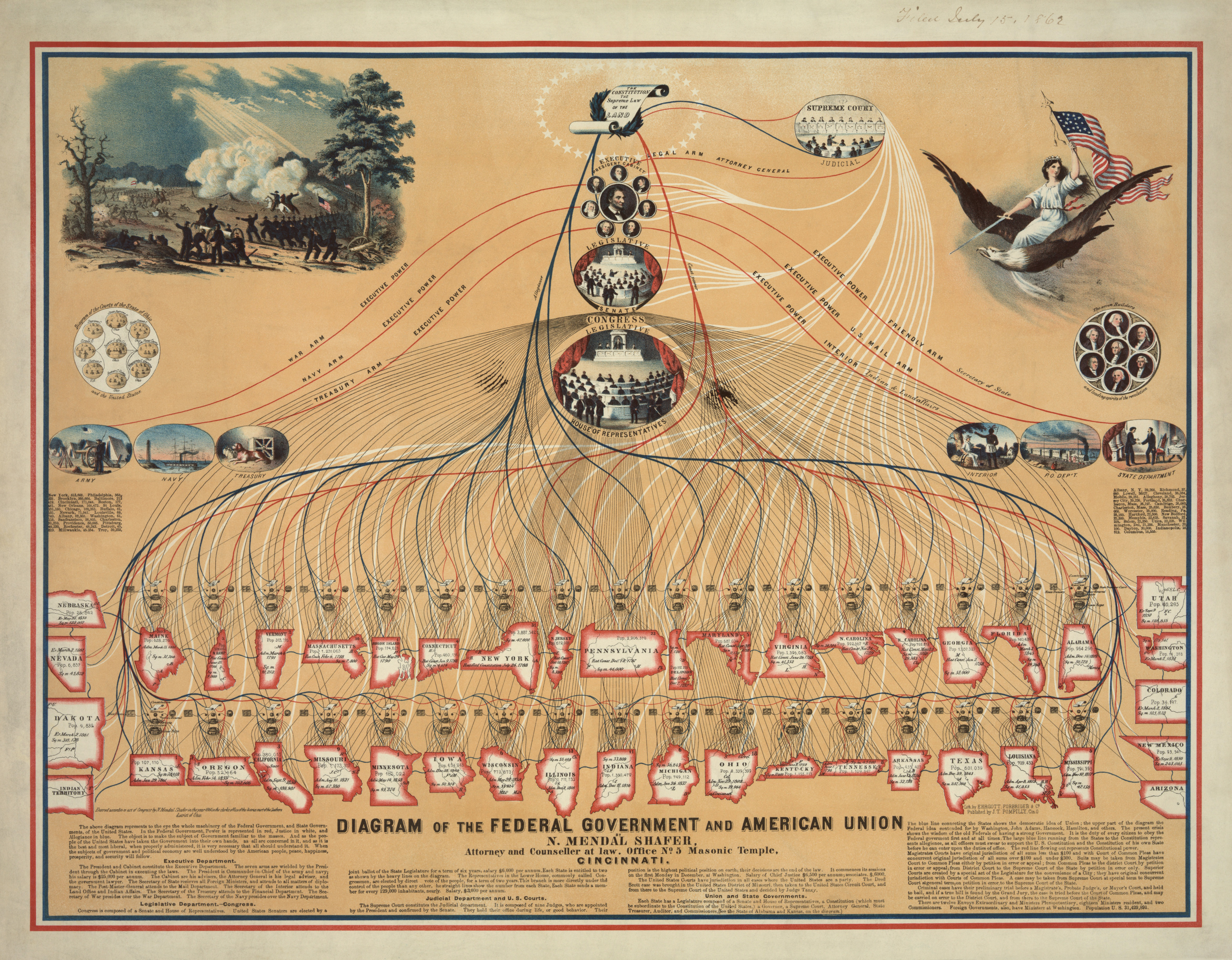
At its foundation, the United States insurance regulatory system is primarily a state-based system. There is no singular "Federal Department of Insurance" issuing licenses or approving policy rates for the entire country.
Instead, each individual state maintains its own Department of Insurance or equivalent regulatory body. The chief executive overseeing this massive bureaucratic apparatus is typically titled the Commissioner, Director, or Superintendent of Insurance, depending on the jurisdiction.
What does this official actually do? The state Commissioner of Insurance is responsible for enforcing the insurance laws of that specific state. They do not write the laws—that is the job of the state legislature—but they execute them. They are the ultimate authority when a consumer complains about a denied auto claim, when an insurance company wants to raise its premiums, or when an aspiring producer like yourself applies for a license.
But why did the system evolve this way? Why does an industry that generates trillions of dollars across state lines answer to local state capitols rather than Washington D.C.? The answer lies in a judicial ping-pong match that culminated in the 1940s.
To understand the legal architecture of your future profession, we must look at how the Supreme Court and the U.S. Congress argued over one central question: Is insurance interstate commerce?
According to the U.S. Constitution, the federal government has the power to regulate "interstate commerce" (business crossing state lines). For decades, the courts and the federal government disagreed on whether an insurance contract fit that definition.
Round 1: Paul v. Virginia (1868)
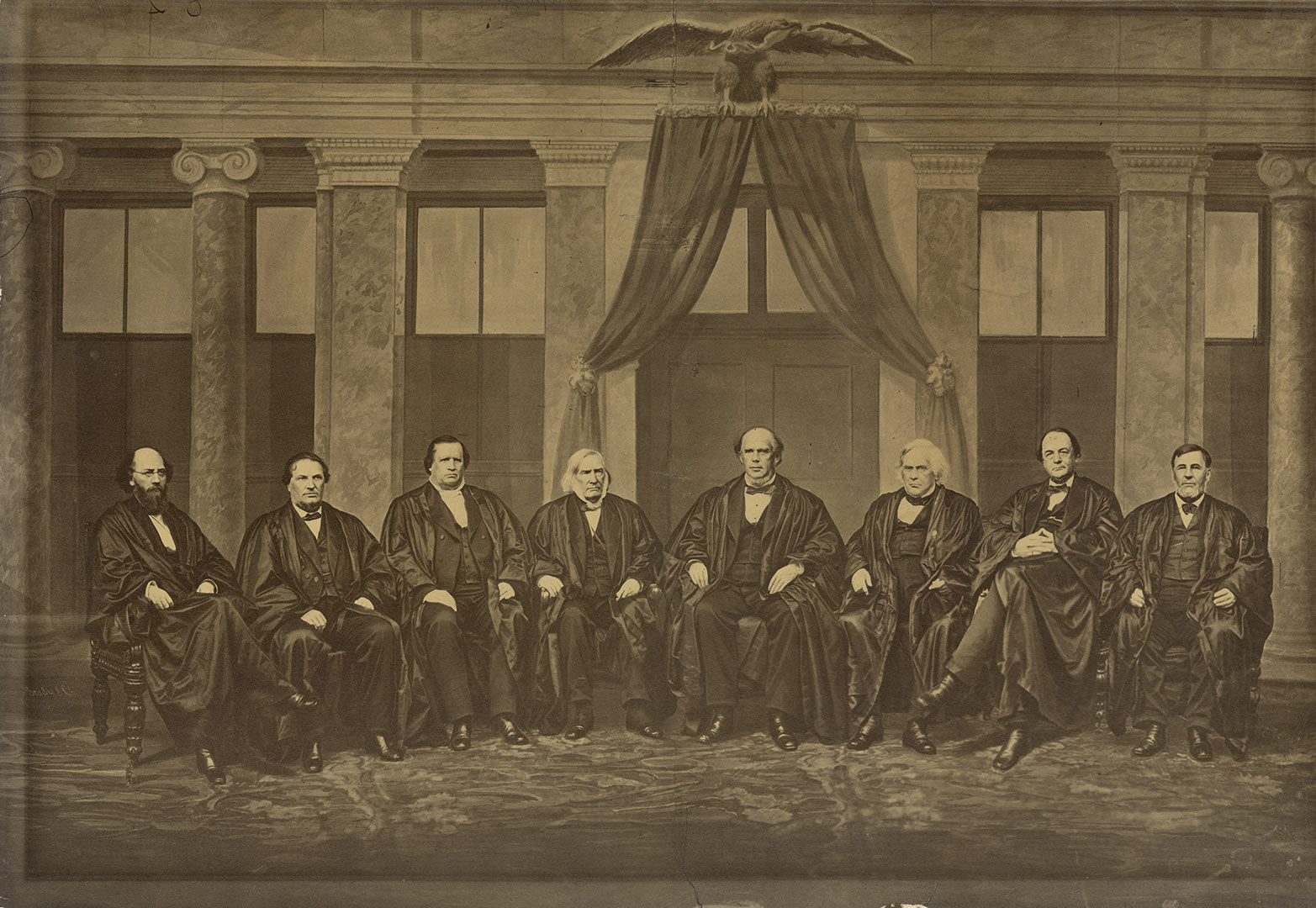
In 1868, a man named Samuel Paul tried to sell insurance in Virginia for New York-based companies without a Virginia license. The case went to the Supreme Court.
The Ruling: The Paul v. Virginia Supreme Court decision of 1868 ruled that insurance is not interstate commerce.
Because a policy is just a localized contract of indemnity, the Court decided it did not constitute commerce in the traditional sense of shipping physical goods across borders. The Paul v. Virginia decision established the initial legal precedent for individual states to regulate the insurance industry. For 75 years, states operated with total authority over the industry.
Round 2: United States v. South-Eastern Underwriters Association (1944)
By the 1940s, insurance companies were massive financial institutions routinely operating across multiple states. The federal government, trying to break up a price-fixing monopoly in the South, sued the South-Eastern Underwriters Association (SEUA).
The Ruling: The 1944 United States v. South-Eastern Underwriters Association Supreme Court decision overturned the Paul v. Virginia ruling.
The Court woke up to the modern economic reality and ruled that insurance transactions crossing state lines constitute interstate commerce.
This decision sent shockwaves through the industry. Overnight, the legal ground shifted. By classifying insurance as interstate commerce, the South-Eastern Underwriters Association decision made the insurance industry subject to federal regulation. The intricate web of state laws, taxes, and licensing systems was suddenly vulnerable to being wiped out by federal antitrust laws. The industry panicked.
Round 3: The McCarran-Ferguson Act (1945)
Realizing that abruptly dismantling state regulations would cause economic chaos, the United States Congress immediately stepped in to hit the "undo" button.
The McCarran-Ferguson Act was passed by the United States Congress in 1945. Also known as Public Law 15, this act represents the grand compromise that governs your career today.
The Core Declaration: The McCarran-Ferguson Act declares that the continued regulation and taxation of the insurance business by individual states is in the public interest.
Congress essentially said, "Yes, insurance is interstate commerce, but the states are doing a fine job regulating it, so we give them the authority to keep doing it."
However, Congress attached several critical conditions to this transfer of power:
- Antitrust Exemptions: The McCarran-Ferguson Act exempts the insurance industry from most federal antitrust laws. This allows insurance companies to pool historical loss data together to accurately price risk—something that would be illegal price-collusion in other industries.
- The "Failure to Regulate" Clause: Federal antitrust laws apply to the insurance industry only to the extent that state laws fail to regulate such activities. If a state falls asleep at the wheel, the federal government will step back in.
- The Absolute Federal Boundary: Under the McCarran-Ferguson Act, the federal government retains the right to regulate insurance in cases involving boycott, coercion, or intimidation. State regulators cannot authorize mob tactics.
- Future Federal Laws: Congress can pass federal laws that supersede state insurance regulations only if the federal law explicitly states it relates to the business of insurance.
| Historical Milestone | Year | Legal Determination | Impact on the Industry |
|---|---|---|---|
| Paul v. Virginia | 1868 | Insurance is NOT interstate commerce. | Established absolute State regulation. |
| U.S. v. SEUA | 1944 | Insurance IS interstate commerce. | Overturned Paul; subjected industry to Federal regulation. |
| McCarran-Ferguson Act | 1945 | State regulation is in the public interest. | Returned regulatory power to States, with specific federal caveats. |
If every state is entirely sovereign in how it regulates insurance, you might wonder how we avoid total chaos. How is it that a Commercial General Liability policy in Texas looks almost exactly like one in Ohio? How is it that you can study a "National Core" exam that applies universally across the country?
The answer is the National Association of Insurance Commissioners (NAIC).
The NAIC was established in 1871. It is uniquely positioned because it is not a government agency. The NAIC is a voluntary standard-setting and regulatory support organization.
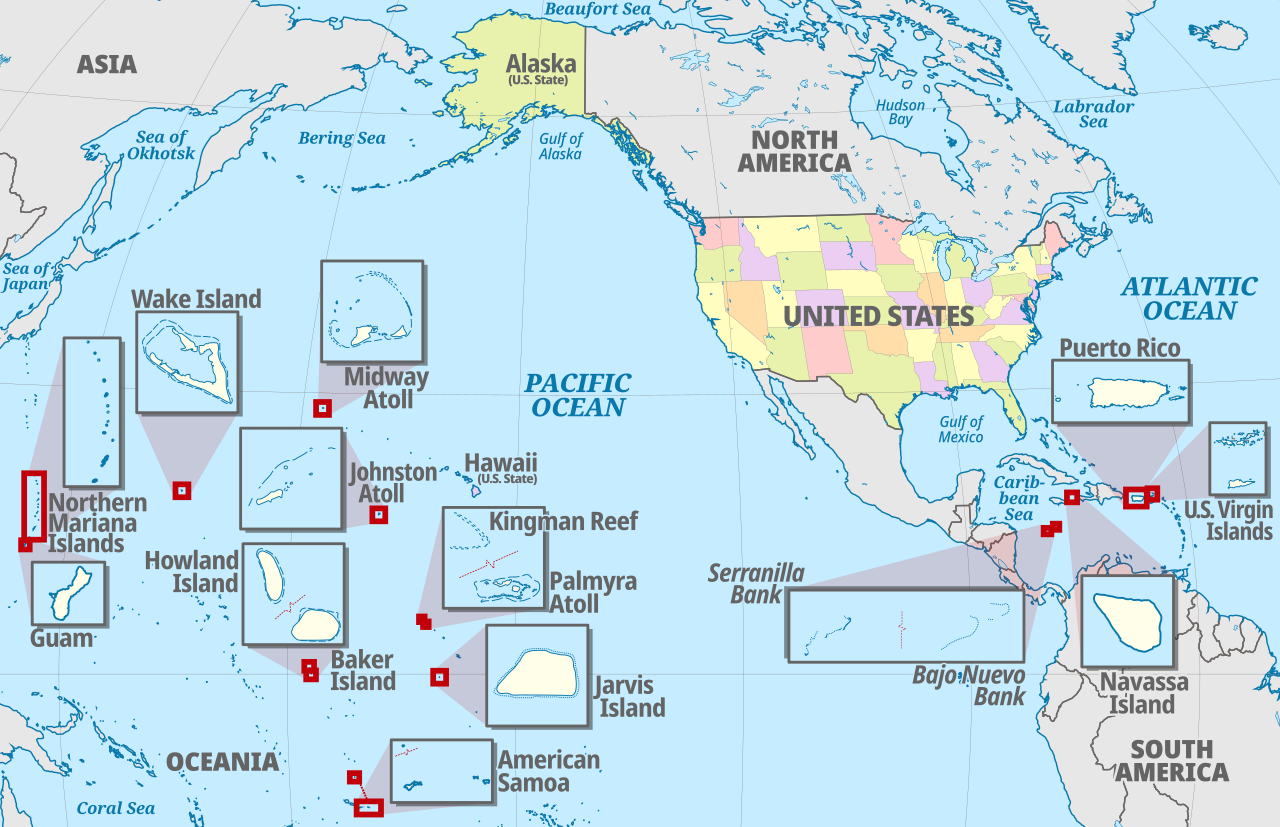
Its membership consists of the chief insurance regulatory officials from the 50 states, the District of Columbia, and five United States territories.
Think of the NAIC as a massive, centralized laboratory where the top regulators from every jurisdiction meet to solve common problems. They share a unified set of objectives:
- A primary objective of the NAIC is to protect insurance consumers.
- The NAIC works to promote competitive insurance markets.
- The NAIC assists state regulators in ensuring the financial solvency of insurance companies. (Making sure companies actually have the cash in reserve to pay out catastrophic claims).
- The NAIC promotes uniformity in insurance regulation across different jurisdictions.
- The NAIC provides a centralized forum for state insurance regulators to exchange information and coordinate regulatory strategies.
How the NAIC Influences Uniformity: Model Laws
To achieve uniformity without violating the state-based system required by the McCarran-Ferguson Act, the NAIC drafts model insurance laws and model insurance regulations.
You can think of the NAIC as a master chef writing a spectacular recipe book. The chef creates these recipes to ensure a high-quality meal, but the chef cannot force any restaurant to actually put the dish on their menu.
Because the NAIC is a voluntary organization, NAIC model laws hold no legal authority on their own. A producer cannot be fined for violating an NAIC model law.
An NAIC model law becomes binding only if a state legislature formally enacts the model law into state statute.
When the NAIC publishes a new model law, state legislatures look at the "recipe" and choose from three absolute authorities:
- State legislatures possess the authority to adopt NAIC model laws exactly as written by the NAIC. (Serving the exact recipe).
- State legislatures possess the authority to modify the text of NAIC model laws before passing them into state law. (Swapping ingredients to suit local tastes, such as changing a minimum auto liability limit).
- State legislatures possess the authority to completely reject NAIC model laws. (Throwing the recipe away).
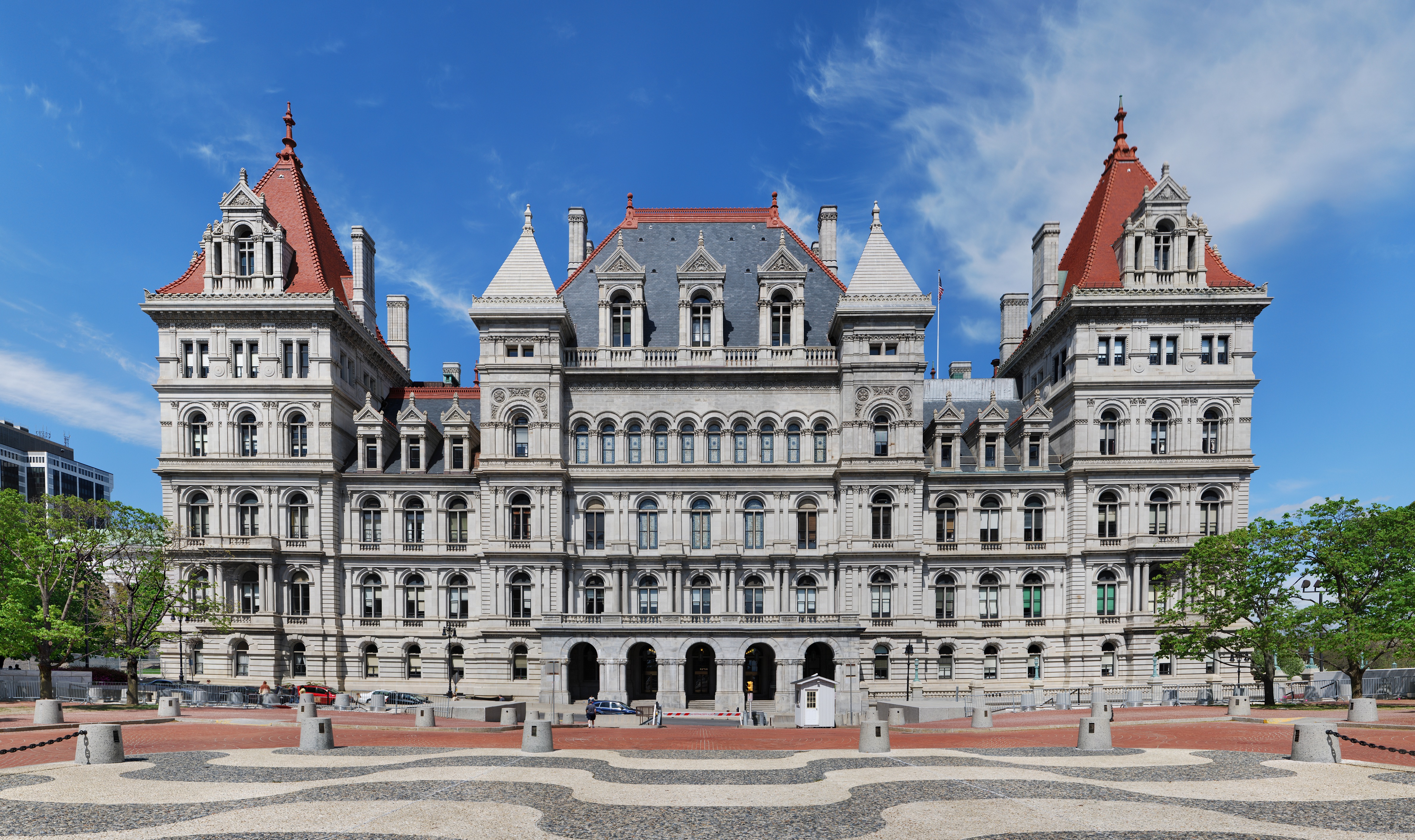
Because drafting complex insurance legislation from scratch is incredibly difficult, most states choose to adopt NAIC model laws either completely or with minor local modifications. This creates a beautifully synchronized system. It preserves the state-level authority demanded by history and law, while establishing the standardized, national framework of property and casualty concepts you are studying today.