Illinois Health Insurance Mandates & Continuation of Coverage
Not sure you’re ready?
Take the ~3-minute readiness diagnostic and see where you stand.
Insurance regulation operates as a dual-layered mechanical system. At the federal level, broad gravitational forces establish the baseline orbit of healthcare rights, but it is at the state level where the localized friction—the precise, day-to-day rules of engagement between citizen and insurer—takes its final shape. For an insurance producer in Illinois, mastering state mandates is not an exercise in memorizing trivia; it is an exercise in understanding the exact dimensions of the safety net you are selling. State law dictates precisely who can be covered, what diagnostic tools must be paid for, and what happens to a family’s coverage when the bedrock of their employment or marriage shatters. When you hand a client a policy, you are handing them a contract heavily pre-written by the Illinois legislature.

In the natural life cycle of a family, dependents eventually grow up, move out, and establish their own independence. However, the modern economy and the realities of military service and disability require a more elastic definition of "dependent" in health insurance. Illinois law mandates specific extensions for dependents that overwrite standard policy limiting ages.
The Age 26 Baseline
In Illinois, health insurance policies that offer dependent coverage must extend eligibility to unmarried dependents up to age 26.
What makes the Illinois standard distinct is its absolute indifference to the dependent's academic status. Historically, insurers required adult children to be full-time students to maintain coverage. Illinois law strips this requirement away: these dependent coverage rules apply regardless of the dependent's enrollment in an educational institution. Whether the 24-year-old is in medical school or taking a gap year to find themselves, the coverage holds.
The Military Veteran Extension
Consider the trajectory of a young adult who enlists in the armed forces out of high school, serves multiple tours, and returns home at age 25. They are just beginning their civilian transition precisely when standard dependent coverage ends. To protect this population, Illinois health insurance policies must extend dependent coverage up to age 30 for unmarried military veterans.
To activate this extension, two strict conditions must be met:
- Residency: The veteran must be an Illinois resident.
- Character of Service: The veteran must have received a release or discharge other than a dishonorable discharge.

The Disabled Dependent Exemption
Age limits assume a dependent will eventually achieve self-sufficiency. When biology dictates otherwise, the law steps in. Disabled dependents who are incapable of self-sustaining employment can remain covered under a parent's health policy indefinitely, far beyond the policy's standard limiting age. As long as the incapacity persists and the parent’s policy remains active, the dependent remains tethered to the family's coverage.
For hundreds of thousands of Illinois businesses, health insurance is the primary tool for attracting talent. The state regulates this ecosystem heavily to ensure fairness and access.
In Illinois insurance regulation, a small employer is defined mathematically as a business that employs between 1 and 50 employees. If a business fits this definition, its health plans must be offered on a guaranteed issue basis to all eligible employees. The insurer cannot look at the medical history of the small landscaping company's staff and decide the risk is too high; if the employer applies and pays the premium, the policy must be issued.
But who counts as an "eligible employee"?
Eligible Employee (Small Group): For Illinois small group health insurance, an eligible employee is defined as one who works a normal workweek of 30 or more hours.
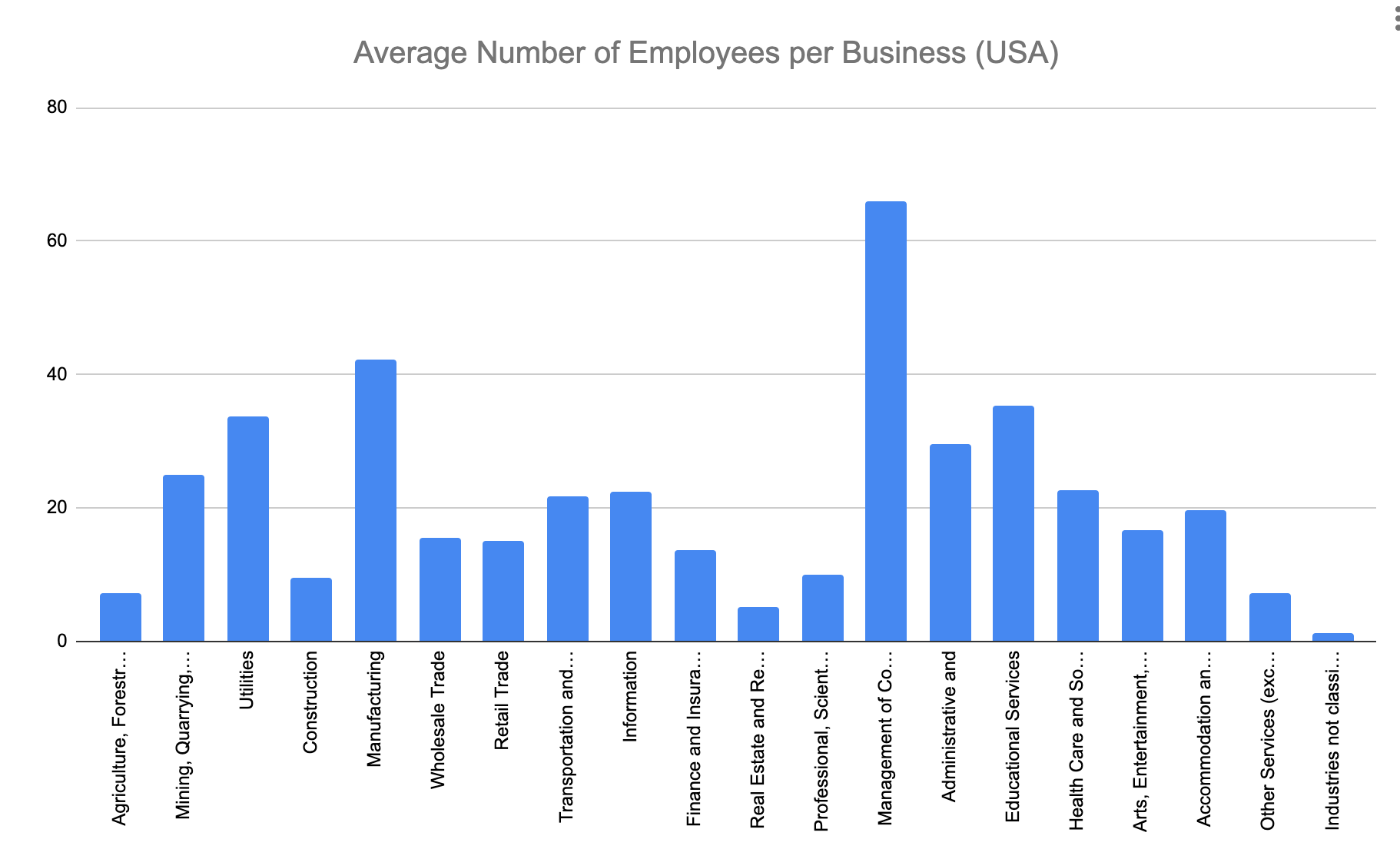
When an employee loses their job, gets divorced, or passes away, the immediate secondary crisis is the loss of health insurance. While federal COBRA law allows employees at large companies (20+ employees) to keep their coverage temporarily, COBRA is mathematically blind to the small businesses that dominate the American economy. Illinois fills this void with state-specific continuation laws.
Illinois State Continuation (Mini-COBRA)
Illinois State Continuation allows employees who lose group health coverage to maintain their insurance benefits for a limited time. Crucially, this applies specifically to small employer group health plans with fewer than 20 employees—exactly the population ignored by federal COBRA.
If an employee at a 12-person firm is laid off, they can invoke this right. However, the financial physics of the policy shift entirely:
- Duration: The maximum duration of coverage under Illinois State Continuation for a terminated employee is 12 months.
- Cost: The employee is now responsible for paying the entire insurance premium.
- The Math: This premium includes both the portion the employee used to pay plus the portion previously paid by the employer. If the premium was $1,000 a month (employer paid $800, employee paid $200), the terminated employee must now pay the full $1,000 to keep the policy active.
Illinois Spousal Continuation
What happens to a spouse when the primary breadwinner dies, or the marriage dissolves? The Illinois Spousal Continuation Coverage law allows a divorced or widowed spouse to maintain the group health insurance benefits they previously enjoyed. It also legally protects dependent children who lose group health insurance coverage due to that divorce or the covered employee's death, and these identical rights are legally extended to partners in an Illinois civil union.
The mechanics of this law hinge on strict timelines and the age of the surviving or divorced spouse:
- The Notification Window: An eligible spouse must notify the employer or insurance company within 30 days of a divorce or the employee's death to elect this coverage. Miss this window, and the right evaporates.
- The Under-55 Rule: If the spouse is under age 55 at the time of the qualifying event, coverage lasts for a maximum of 2 years. The assumption is that the spouse has time to re-enter the workforce or find alternative coverage.
- The 55+ Rule: If the spouse is age 55 or older at the time of the qualifying event, coverage extends until the spouse is eligible for Medicare. This is a profound protection. It acts as a deliberate bridge, ensuring a 58-year-old widow does not face a seven-year gap of uninsurability before turning 65.
Triggers for Early Termination: This continuation is not unconditional. Illinois Spousal Continuation coverage will terminate early if the covered spouse fails to pay the required premiums or if they become covered under another group health plan (for instance, by getting a new job with benefits or remarrying someone with a family plan).
Illinois does not allow health insurers to strip policies down to mere catastrophic coverage. The state mandates coverage for specific, scientifically validated preventive screenings. As a producer, you must understand that these are baked into the premium.
Women's Health and Contraception
The state heavily prioritizes the early detection of reproductive cancers and the autonomy of family planning.
- Breast Cancer: Illinois health insurance policies must cover a baseline mammogram for women between the ages of 35 and 39. Following that, they must provide coverage for an annual mammogram for women age 40 and older. If a mammogram reveals heterogeneous or dense breast tissue—which can hide tumors on standard x-rays—the policy must cover a comprehensive ultrasound or MRI screening.
- Ovarian Cancer: Policies must cover annual ovarian cancer screenings for female insureds who are determined to be at risk.
- Contraception: Illinois health insurance policies are required to cover FDA-approved contraceptive drugs and devices without any cost-sharing requirements (no copays, no deductibles) for the insured.

Men's Health
Prostate cancer is highly survivable if caught early, but screening efficacy relies on age and genetic risk.
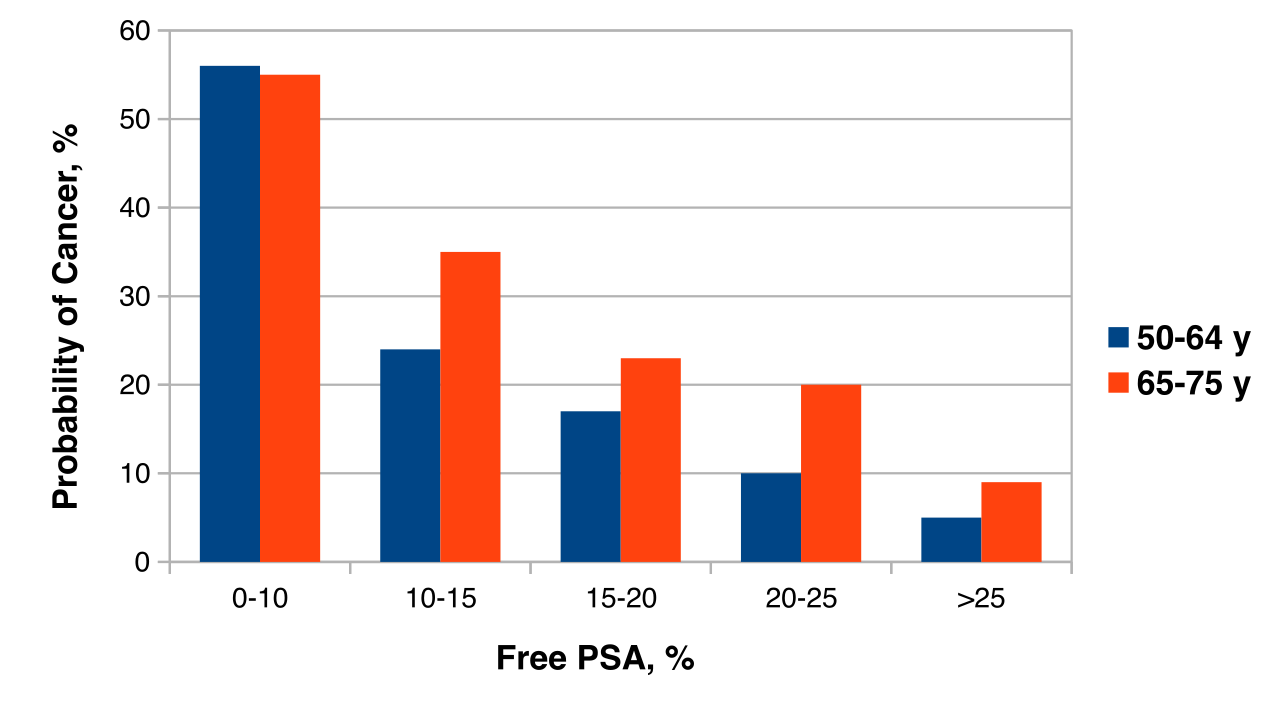
- Standard Risk: Health plans must provide coverage for an annual digital rectal examination and an annual prostate-specific antigen (PSA) test for asymptomatic men age 50 and older.
- High Risk: The mandate accelerates for high-risk demographics. Illinois mandates prostate cancer screening coverage beginning at age 40 for African-American men, and beginning at age 40 for any man with a family history of prostate cancer.
Autism Spectrum Disorders
Moving beyond oncology, Illinois recognizes the profound developmental and financial impact of neurodivergence. The state mandates that all individual and group health insurance plans provide coverage for the diagnosis and treatment of autism spectrum disorders. This ensures families are not left paying entirely out-of-pocket for vital early-intervention therapies.

Medicare Supplement (Medigap) policies are designed to pay the deductibles and coinsurance that Original Medicare leaves behind. Illinois has enacted stringent consumer protections for this specific market.
Under-65 Disability Parity
Generally, Medicare is for citizens aged 65 and older. However, individuals can qualify earlier due to severe disabilities. In Illinois, individuals under age 65 who qualify for Medicare due to a disability possess the exact same initial open enrollment rights for Medicare Supplement policies as those aged 65 and older. Insurers cannot penalize them for being young and disabled.
The 30-Day Free Look
Seniors are frequently targeted by aggressive marketing. To counter buyer's remorse, Illinois Medicare Supplement policies have a mandatory 30-day free look period. This period allows the policyholder to return the contract for a full refund of all premiums paid, no questions asked.
The Illinois Birthday Rule
This is perhaps the most unique and elegant consumer protection in the Illinois Medigap market.
Historically, if a 70-year-old wanted to switch their Medigap policy to secure a lower premium, they would have to pass medical underwriting. If they had developed a heart condition since age 65, they were trapped in their increasingly expensive plan.
The Illinois Medicare Supplement Birthday Rule breaks this trap. It grants beneficiaries aged 65 to 75 an annual 45-day open enrollment period starting on their birthday. During this 45-day window, the beneficiary is allowed to switch to a policy of equal or lesser benefits with their current insurer without undergoing medical underwriting.
Think of it as a guaranteed annual pressure-release valve. If Plan G becomes too expensive, the 72-year-old client can use their birthday window to downgrade to a Plan N with the same company, completely bypassing the medical questions that would otherwise trigger a denial.
By understanding these mandates—from the age a dependent child must secure their own policy, to the exact day a senior can restructure their Medicare Supplement—you transition from a salesperson to a structural engineer of your client's financial healthcare. You are selling them the exact protections the state of Illinois has deemed necessary for survival.