Illinois Insurance Code & Department of Insurance
Not sure you’re ready?
Take the ~3-minute readiness diagnostic and see where you stand.
The insurance industry operates on a fundamental asymmetry: everyday consumers exchange their present capital for future promises, trusting that complex financial institutions will remain both solvent and ethical when tragedy inevitably strikes. To bridge this gap of trust, the state acts as a powerful intermediary. In this jurisdiction, that intermediary is the Illinois Department of Insurance (IDOI). The IDOI is a state agency that regulates the insurance industry, protects consumers, and aggressively monitors the financial solvency of insurers operating within the state. Governing this immense mechanism is the Illinois Insurance Code. Understanding this Code, and the formidable powers of the regulatory body that enforces it, is not merely a legal hurdle for your licensure—it is the foundational rulebook defining the exact boundaries, obligations, and protections of your entire professional life.
To understand how insurance law works in Illinois, you must first understand the separation of powers. Imagine the state’s insurance market as a massive, complex engine.
Only the Illinois state legislature has the authority to write and enact the statutes that make up the Illinois Insurance Code. They are the design engineers; they draft the blueprints.
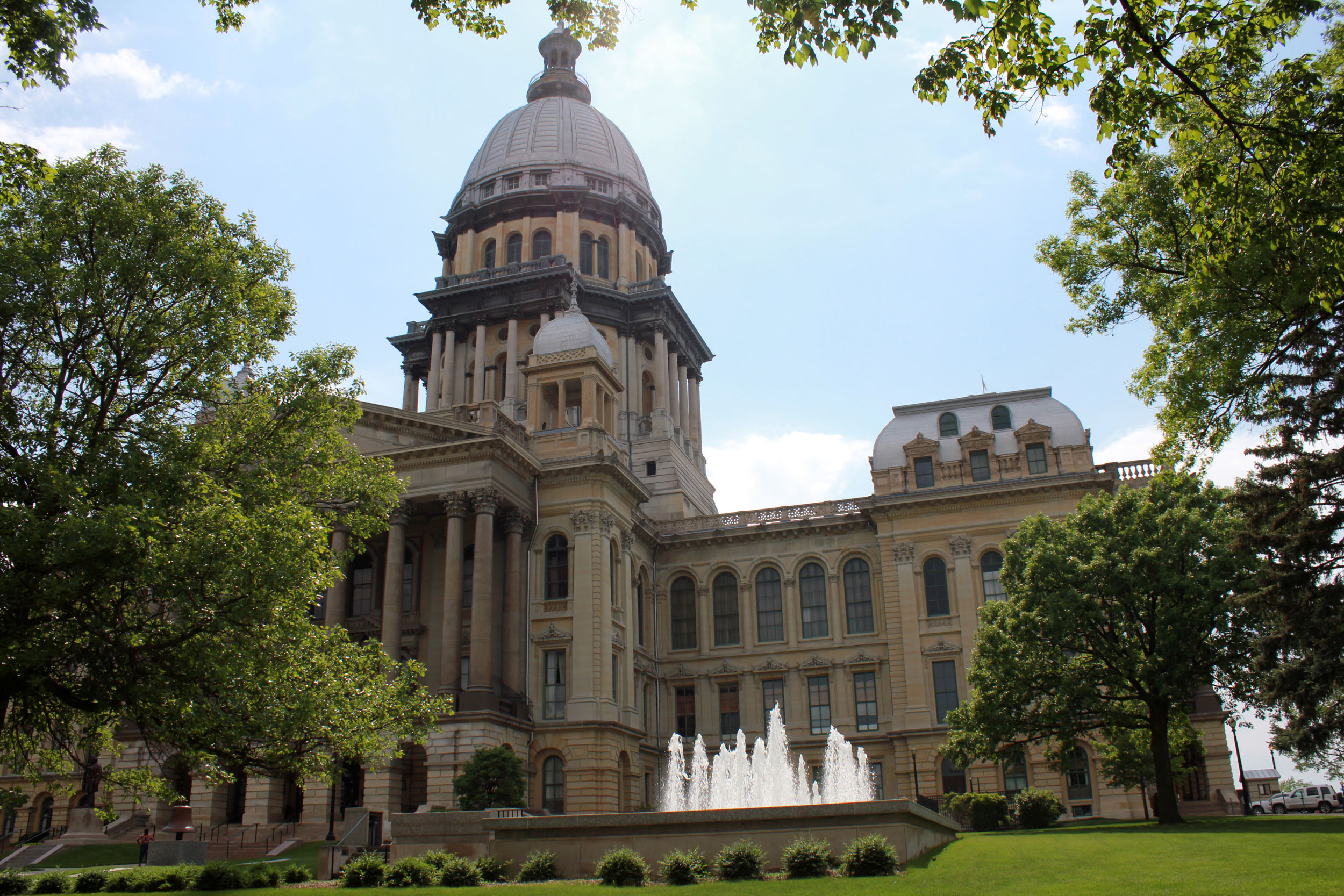
The Illinois Director of Insurance is the chief executive of the Department of Insurance and is appointed by the Governor of Illinois. The Director is the master mechanic. The Director possesses the legal authority to enforce and execute the insurance laws of the state, but crucially, the Illinois Director of Insurance lacks the legislative authority to write, enact, or permanently alter state insurance laws. You cannot change the blueprint just because you are the mechanic.
However, a blueprint cannot account for every single turn of a wrench. Therefore, the Director holds the administrative power to create reasonable rules and regulations necessary to enforce those state insurance laws. If the legislature says, "Producers must act ethically," the Director writes the specific administrative rules defining what "ethical" looks like in daily practice.
Powers of Enforcement
Because the Director is tasked with maintaining the integrity of the market, they possess formidable leverage over your career. The Illinois Director of Insurance has the authority to issue, suspend, revoke, and refuse to renew insurance producer licenses.
If the Director determines that legal action is necessary to enforce the provisions of the Illinois Insurance Code, they have the authority to institute lawful proceedings in state courts. Furthermore, the Attorney General of Illinois may proceed in state courts to enforce an order or decision made by the Director.
How does the Director know if a company is solvent or if a producer is playing by the rules? By looking closely.
The Illinois Director of Insurance can conduct investigations to determine whether an individual or company has violated any provision of state insurance law. The Director may examine the business affairs, records, and market conduct of any person or company transacting insurance business in Illinois.
When investigating felony, misdemeanor, or business offense violations of the Illinois Insurance Code, the Illinois Department of Insurance is officially deemed a criminal justice agency. Because they operate at this high level of law enforcement, the Director may share confidential investigative information with other state, federal, or local criminal justice agencies to prevent insurance crimes. To protect the integrity of these inquiries, documents and evidence gathered during an active investigation by the IDOI are generally exempt from public inspection until the investigation officially concludes.
The Examination Process
While the Director can investigate anytime a red flag is raised, there is also a mandatory rhythm to these audits.
- The Illinois Director of Insurance must conduct a financial and market-conduct examination of every domestic insurer (companies headquartered in Illinois) at least once every five years.
- The Director may examine an insurance company as often as deemed reasonably necessary to protect the public interest.
- For foreign or alien insurers (headquartered in another state or country), the Director may accept an examination report from the insurer's home state instead of conducting a new, redundant examination in Illinois.
The Cost of Scrutiny: Here is a reality check that frequently surprises new producers and executives alike: The insurance company or producer being examined by the IDOI is legally required to pay all costs and expenses associated with the examination. If they send auditors to your office for a week, you are paying their travel, lodging, and hourly audit fees.
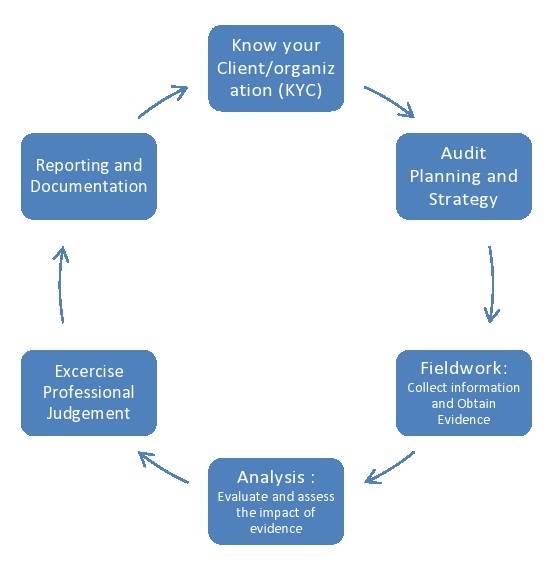
An examination or investigation is not an automatic guilty verdict. There is a rigid procedure that ensures due process.
When an examination is complete, the Director must provide a written examination report to the examinee detailing the findings of the investigation before making the report public. This gives you a chance to review the math and the accusations.
If you disagree with the findings, the clock starts ticking immediately:
- An insurance examinee has exactly 10 days after receiving a written examination report to request an administrative hearing from the Director.
- To secure this hearing regarding a disputed report, the examinee must submit a written request and a specific statement of objections to the Director.
- Once the examination report is formally filed, or once an examination hearing is concluded, the Director must issue a final written order within 90 days.
General Administrative Hearings
What if you are accused of a violation outside of a standard examination? Before taking action against your license, the Director must hold an administrative hearing.
To ensure fairness, the Director must provide at least 10 days of written notice to an accused party before holding an administrative hearing for a suspected violation. This hearing notice cannot be vague; it must explicitly state the date, time, location, subject of inquiry, and specific charges against the accused.
To prevent the state from financially exhausting a producer by making them travel endlessly, administrative hearings held by the IDOI are typically conducted in Springfield, Chicago, or the county where the accused party resides.
The Power to Compel
Administrative hearings are not casual conversations; they are quasi-judicial proceedings.
- The Director has the power to issue subpoenas to compel witnesses to testify at administrative hearings.
- The Director can compel individuals and companies to produce books, records, and documents during an official investigation.
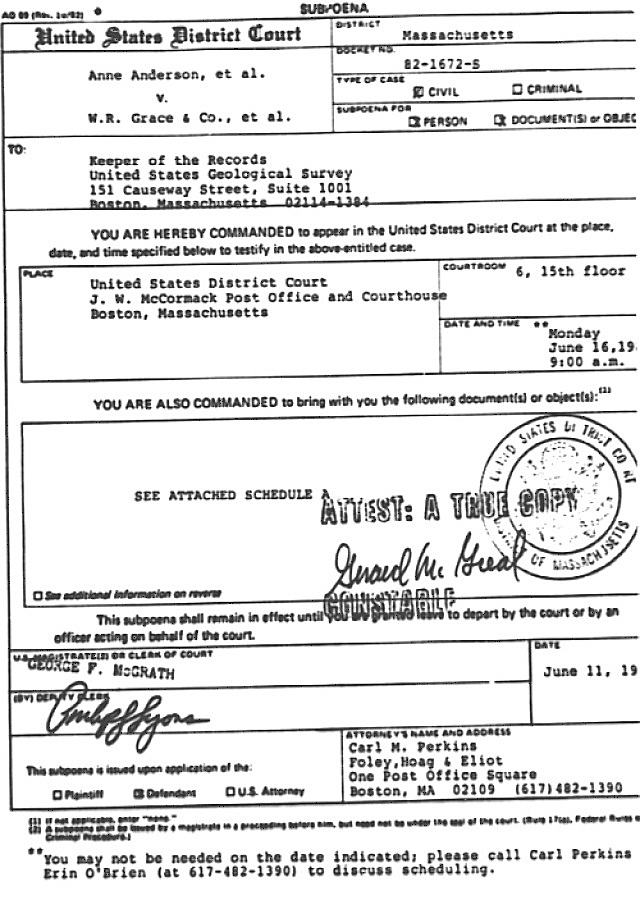
If you think you can simply ignore the Director’s subpoena, you are gravely mistaken. An individual who ignores a subpoena issued by the Director may be compelled by a court to comply or face civil contempt charges. From a licensing standpoint, the consequence is severe: the Director may outright revoke an insurance producer's license if the producer fails to comply with a valid subpoena or refuses to produce requested records.
Sometimes, an administrative hearing takes too long. If a producer is actively defrauding seniors, the Director cannot wait weeks to stop the bleeding.
The Director may issue a Cease and Desist Order requiring a person or company to immediately stop an unlawful insurance practice. Crucially, the Director may issue a Cease and Desist Order before conducting an administrative hearing if the targeted activity severely endangers the public.
Fines in the Illinois Insurance Code are calibrated to deter specific behaviors. Commit the following penalties to memory:
| Violation Type | Associated Penalty |
|---|---|
| Violating a Final Cease & Desist Order | Fine of up to $1,000 per violation. |
| Violating a Written Order (Issued following an examination) | Fine of up to $5,000. |
| Failure to File Annual Financial Statement (By an insurer, without just cause) | Penalized up to $1,000 for each day of delay. |
Notice the scaling here: a daily penalty for failing to report financial health (which threatens systemic solvency), a per-violation fine for ignoring a command to stop an immediate harm, and a massive single-instance fine for defying the formal conclusions of a state audit.
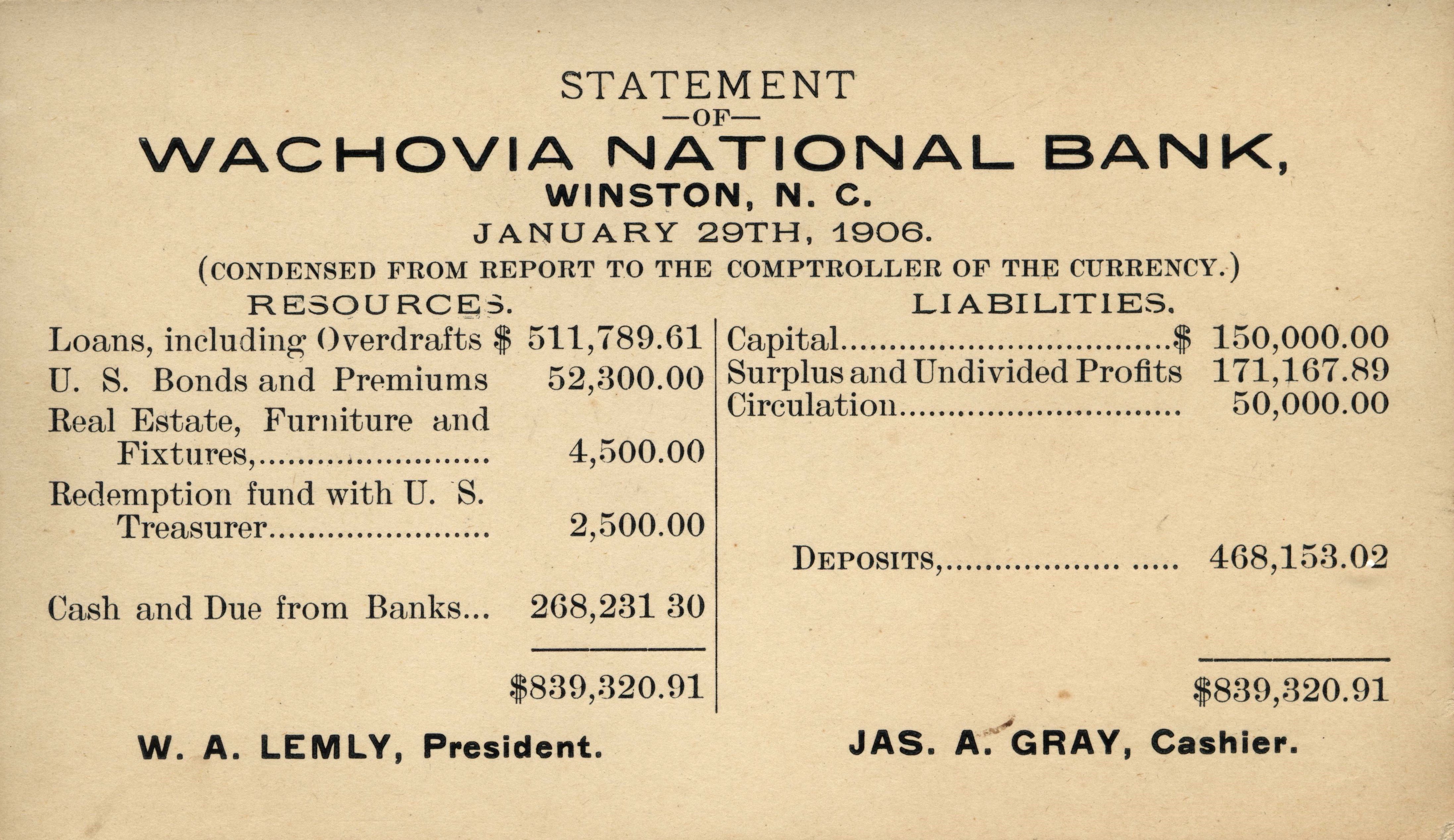
In the world of insurance, memory is fallible, but ink is persistent. If a consumer accuses you of misrepresentation three years after selling a policy, your only defense is your documentation. Because the Director can demand to see your books at any time, Illinois law establishes strict retention minimums.
- General Insurance Records: Illinois insurance licensees must retain copies of executed contracts, payment records, and consumer complaints for a minimum of five years.
- Annuity Recommendations: Because annuities are complex, long-term financial instruments, the scrutiny is higher. Illinois insurance producers must maintain records of the information used to make annuity recommendations for seven years after the insurance transaction is completed.
When you sit for the exam—and more importantly, when you sit across from a client—remember that the Illinois Insurance Code is not just a list of arbitrary punishments. It is the framework that allows the public to trust you with their life savings and their family's security. Keep your records pristine, respect the timeline of state inquiries, and remember that your license is a privilege granted, and meticulously monitored, by the state.