Hazards, Perils, and Losses
Not sure you’re ready?
Take the ~3-minute readiness diagnostic and see where you stand.
An insurance claim is the final collision of three distinct forces: a pre-existing vulnerability, an active agent of destruction, and a resulting deprivation of value. To an untrained observer, a house fire is simply a tragedy. To an insurance professional, it is the mechanical conclusion of a hazard facilitating a peril, which culminates in a loss. Understanding this architecture is not merely an exercise in vocabulary; it is the fundamental physics of the property and casualty universe. You cannot accurately price risk, underwrite a policy, or adjust a claim without isolating these three variables.
When you examine an insurance contract, you are essentially looking at a machine designed to transfer financial risk from an individual to an institution. To make this machine work, the contract must define precisely what is covered and under what circumstances. It does this by drawing strict boundaries around the concepts of perils, hazards, and losses.
The Peril: The Active Cause
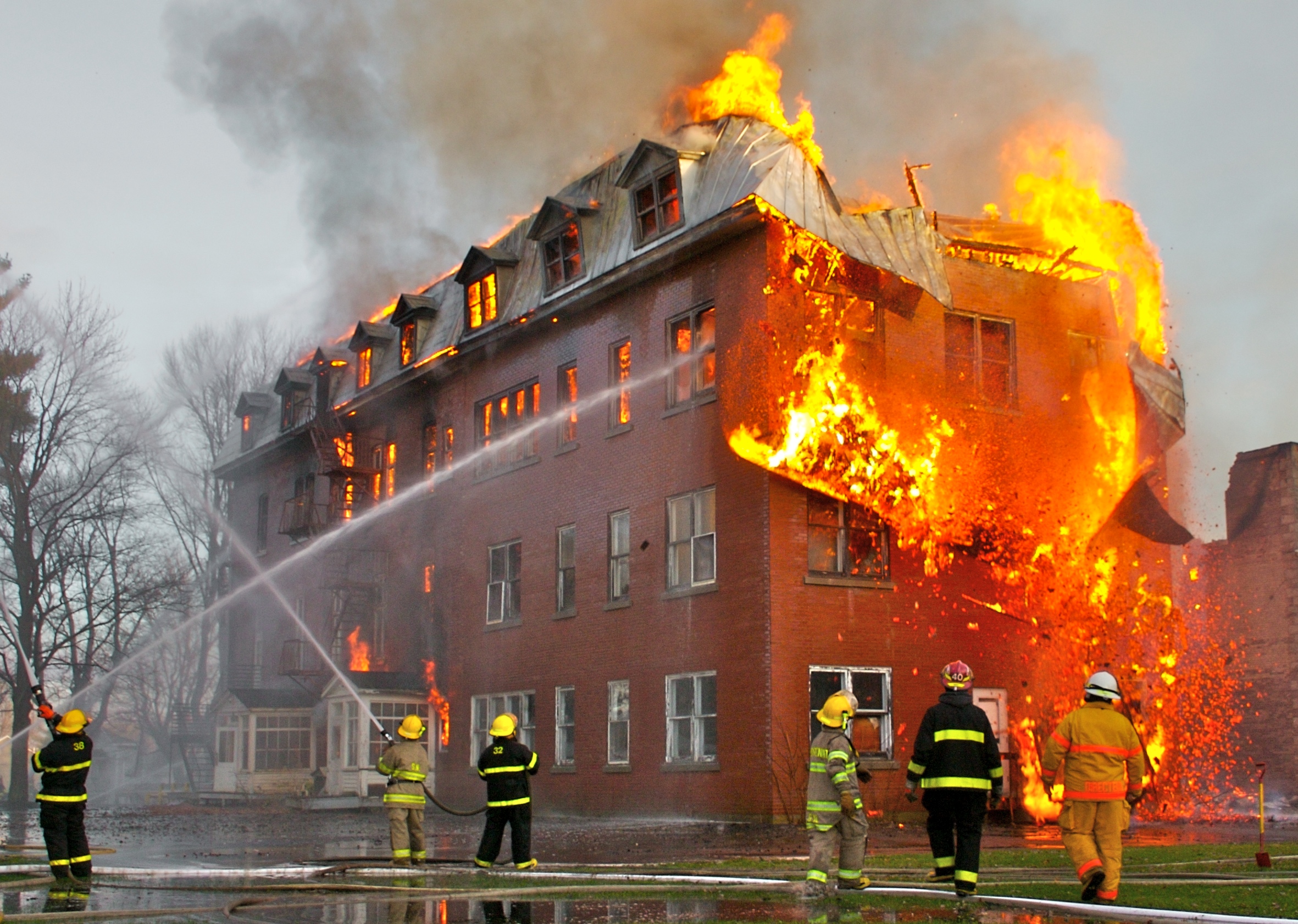
In the context of an insurance contract, a peril is the specific, active cause of a loss. If an insurance claim is a crime scene, the peril is the weapon.
An insurance policy is fundamentally designed to provide financial protection against specific perils. When you read an insuring agreement, it will either list the perils it does cover (Named Peril policy) or state that it covers all perils except those explicitly excluded (Open Peril policy).
Core Examples of Perils: Fire, windstorm, theft, and lightning are common examples of perils. They are the dynamic forces that act upon the insured property.
The Loss: The Economic Consequence
If the peril is the active cause, the loss is the aftermath. A loss is defined as the reduction, decrease, or disappearance of value of the person or property insured in a policy.
As a producer, your job is to make your client whole again after a loss occurs. But to do that, you must accurately quantify how much value has disappeared. A burning building is a visual spectacle; the resulting $250,000 reduction in the property's market value is the actual loss.
The Hazard: The Catalyst
If perils are the active forces of destruction, hazards are the conditions that invite them in. A hazard is any condition or situation that increases the probability of an insured loss occurring. Furthermore, a hazard is also any condition or situation that increases the severity of an insured loss once it happens.
Consider a pile of oily rags left in a poorly ventilated garage. The rags themselves are not a peril—they will not spontaneously destroy the house without a spark. However, they drastically increase the probability that a fire (the peril) will start, and they ensure that if a fire does start, it will spread rapidly, increasing the severity of the loss.
Understanding hazards is the essence of underwriting. Underwriters cannot control the weather, but they can control which hazards they are willing to insure against.
To properly underwrite a risk, we must classify the conditions that make a property dangerous. Hazards are classified into three main categories in property and casualty insurance. Distinguishing between these three is a cornerstone of the national licensing exam, because each requires a completely different risk management strategy.
1. Physical Hazards
A physical hazard is a tangible characteristic of property that increases the chance of a loss. These are the physical defects, structural issues, or environmental conditions that you can see, touch, or measure during a property inspection.
Underwriters use physical inspections to identify these risks before issuing a policy. If a physical hazard is too severe, the insurer will demand it be corrected before coverage is bound.
Real-World Examples of Physical Hazards:
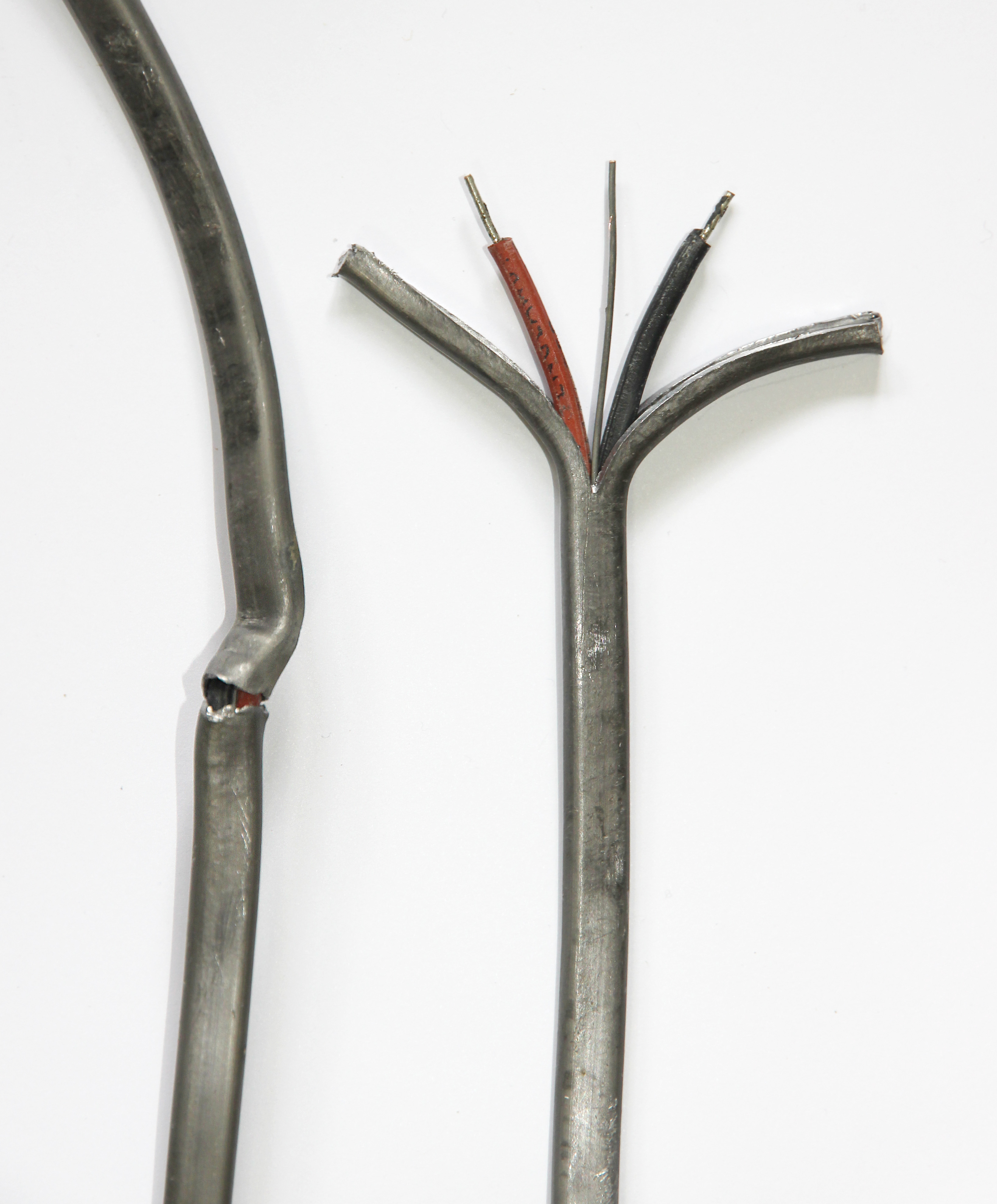
- Frayed electrical wiring in a building is an example of a physical hazard. It provides a direct, tangible pathway for a fire to ignite.
- Dead trees located near a house represent a physical hazard. They are a heavy, unstable mass waiting for a windstorm (the peril) to push them onto the roof.
2. Moral Hazards
While physical hazards reside in the property, moral hazards reside in the human mind. A moral hazard is a conscious tendency or character trait that increases the likelihood of a loss.
Moral hazards are fundamentally behavioral and are often associated with dishonesty or fraudulent intentions by an insured person. The insurance mechanism relies on the premise that losses are accidental. When an insured deliberately causes a loss to profit from their policy, the mathematics of insurance collapse.
The Classic Example of a Moral Hazard:
- An insured person intentionally setting fire to their own property to collect insurance money is an example of a moral hazard. Arson for profit is a deliberate, conscious act of fraud.
Because moral hazards involve deceit, they are incredibly difficult for underwriters to detect via a standard property inspection. Instead, insurers look for indirect indicators: a history of bankruptcy, extreme financial distress, or a suspicious frequency of past claims.
3. Morale Hazards
Do not confuse moral with morale. They are distinct concepts. A morale hazard arises from an attitude of carelessness or indifference to potential loss.
Unlike a moral hazard, there is no malice or intent to commit fraud here. The insured does not want a loss to occur, but they simply do not care enough to prevent it. Ironically, morale hazards frequently occur because an insured person feels protected by the existence of an insurance policy. The psychological safety net of insurance creates a subconscious indifference to risk.
The Classic Example of a Morale Hazard:
The driver is not trying to have their car stolen to collect an insurance check (which would be a moral hazard). However, their attitude of carelessness ("If it gets stolen, my auto policy will just buy me a new one") drastically increases the probability of a theft peril.
Summary: The Hazard Matrix
| Concept | Nature of the Hazard | Motivation | Classic Example |
|---|---|---|---|
| Physical | Tangible, structural, environmental. | N/A (Inanimate) | Frayed wiring; dead trees near the roof. |
| Moral | Conscious, intentional, fraudulent. | Financial gain (Dishonesty) | Arson for insurance money. |
| Morale | Careless, indifferent, negligent. | Apathy ("Insurance covers it") | Leaving keys in an unlocked car. |
When a peril strikes, the resulting damage ripples outward like a stone dropped in a pond. Losses in property insurance are categorized as either direct losses or indirect losses. Properly identifying which type of loss you are dealing with determines which part of the insurance policy will respond.
Direct Loss
A direct loss is physical harm or damage to tangible property directly caused by an insured peril. It is the immediate, physical consequence of the destructive force.
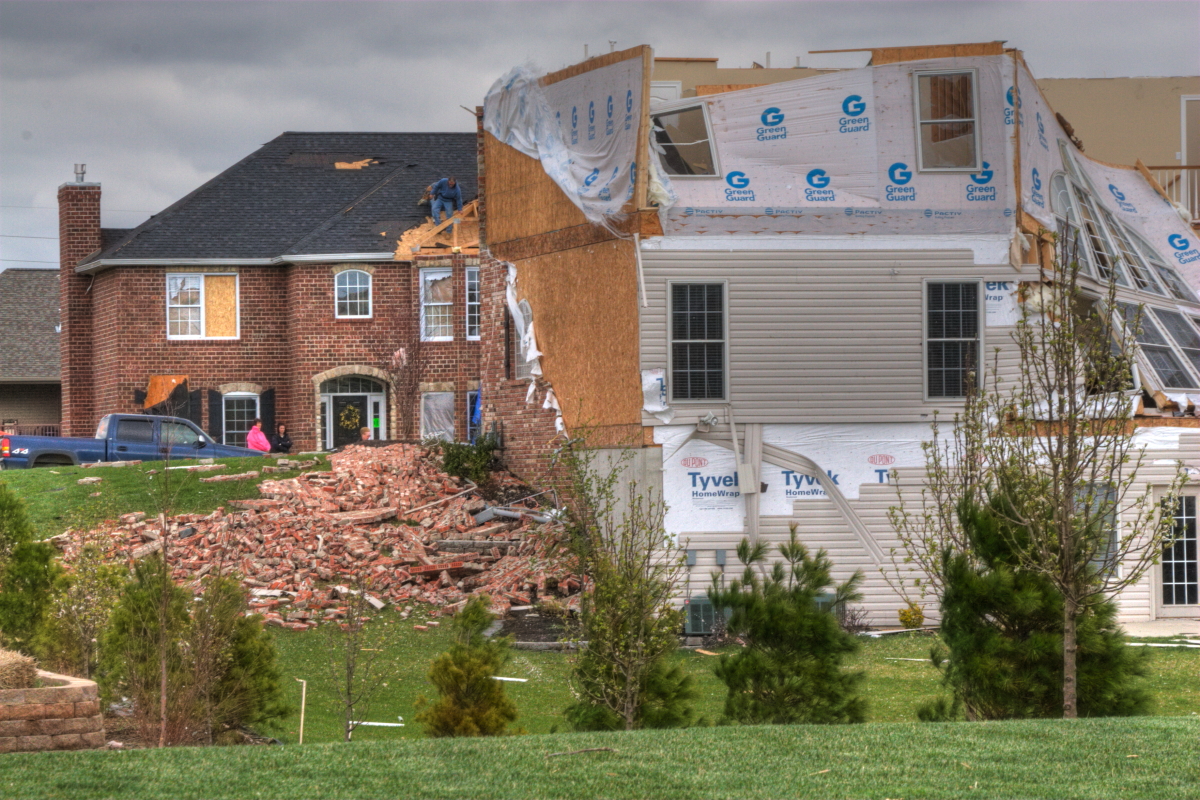
If a tornado tears through a neighborhood, the immediate physical destruction left in its wake is the direct loss. The destruction of a house's roof by a tornado is a textbook example of a direct loss.
The Doctrine of Proximate Cause
To fully grasp direct losses, you must understand the legal and physical chain of events. A direct loss does not mean the peril was the only thing to touch the property; it means the peril was the catalyst that set an unbroken sequence of destruction in motion.
This is governed by the principle of proximate cause, which is the unbroken chain of events that leads directly from a peril to a loss.
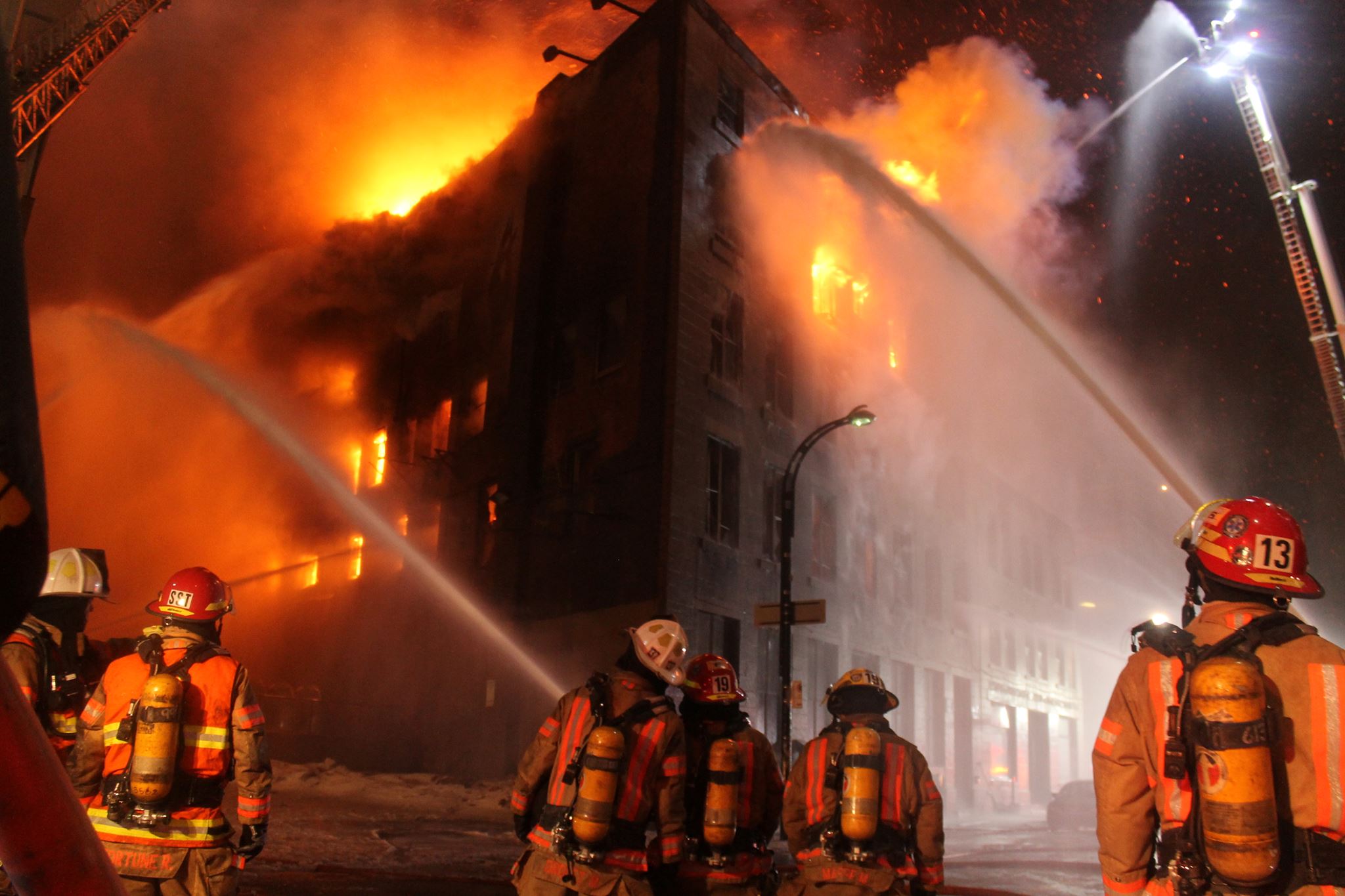
Let us look at a practical claims scenario. Imagine a fire breaks out in a kitchen. The fire department arrives and uses high-pressure water hoses to extinguish the flames. The water destroys the custom hardwood floors in the adjacent dining room.
- Did the fire burn the floors? No.
- Did the water destroy the floors? Yes.
Is the water damage covered under a fire policy? Absolutely. Under the proximate cause doctrine, the water damage resulting from firefighters extinguishing a covered fire is considered a direct loss. Without the fire, the firefighters would not have sprayed the water. The fire is the proximate cause of the water damage, making the water damage part of the direct loss.
Indirect (Consequential) Loss
Physical damage is rarely the end of the financial bleeding. An indirect loss is a financial loss that occurs as a secondary consequence of a direct loss. Because they occur as a consequence of the initial physical damage, indirect losses are also known as consequential losses in property insurance.
Think of it this way: A direct loss destroys the property. An indirect loss destroys the property's utility and your wallet while the property is being repaired.
Real-World Examples of Indirect Losses:
- Commercial Property: The loss of rental income resulting from an apartment building fire is an example of an indirect loss. The landlord suffers a direct loss (the burned building) and a massive indirect loss (six months of lost rent checks while the building is reconstructed).
- Personal Lines: Additional living expenses incurred while a damaged home is being repaired are examples of an indirect loss. If a family must spend $4,000 on a hotel and restaurant meals because a tree crushed their kitchen, those costs are an indirect, consequential loss.
The Cardinal Rule of Indirect Losses
As a producer designing coverage for your clients, there is one ironclad rule you must remember: A property insurance policy will only cover an indirect loss if the policy covers the underlying direct loss.
You cannot sever the consequence from the cause. If a flood (an excluded peril on standard homeowner policies) destroys a home, the direct loss is not covered. Because the direct loss is excluded, the insurer will absolutely not pay for the family's hotel stays (the indirect loss). The secondary financial protection is perfectly contingent upon the primary physical protection.
As you sit for your licensing exam, remember that every scenario boils down to a sequence of events.
- The insured allows a hazard (carelessness, bad wiring, fraudulent intent) to persist.
- This increases the chance of a peril (fire, wind, theft) occurring.
- When the peril strikes, it causes a direct loss (physical damage, traced back via proximate cause).
- The physical damage subsequently triggers an indirect loss (loss of use, lost income).
Mastering this chain of events elevates you from a mere salesperson to a true risk management professional.