Illinois Insurance Code & Department of Insurance
Not sure you’re ready?
Take the ~3-minute readiness diagnostic and see where you stand.
Insurance is an invisible product—a promise printed on paper. Because a policyholder cannot test-drive a commercial liability policy or inspect a homeowners contract the way one inspects a physical machine, the State of Illinois relies on a rigid regulatory framework to ensure that financial promises are kept. At the center of this framework sits the Illinois Department of Insurance (IDOI). To master Illinois insurance law, an aspiring producer must first understand the architecture of this regulation: who enforces it, how they investigate violations, how client funds are safeguarded, and the exact penalties for breaking the rules.
The Illinois insurance market is overseen by the Director of Insurance, an official who is appointed by the State Governor.
It is crucial to understand the exact boundaries of the Director’s power. The Illinois Director of Insurance enforces and executes state insurance laws, functioning much like the chief operating officer of the state's insurance marketplace. To do this effectively, the Director has the power to issue reasonable rules and regulations to implement state laws.
However, the Director is an executive, not a legislator. The Illinois Director of Insurance does not have the authority to create or rewrite insurance laws. If the insurance code is a blueprint drawn by the state legislature, the Director is the architect who ensures the building is constructed exactly to spec.
To ensure compliance, the IDOI must have the authority to look at the books. The Illinois Director of Insurance may conduct investigations to determine if any person has violated state insurance laws.
This investigative power is broad and applies to everyone operating in the market. The Director can examine the business affairs, records, and documents of any authorized insurance company, as well as any licensed insurance producer.
The Cost of Oversight When the IDOI arrives to audit your agency or an insurer, the state does not foot the bill. By law, an examinee must pay all costs associated with a financial or market conduct examination conducted by the Department of Insurance.
During an examination, transparency is mandatory. Any person being examined by the Department of Insurance must produce all requested records to facilitate the examination.
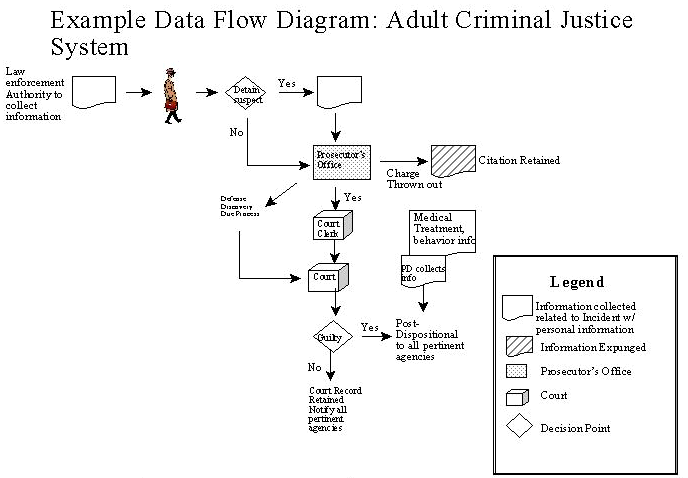
If the IDOI suspects severe misconduct, their authority scales up significantly. The Illinois Department of Insurance is deemed a criminal justice agency for the purpose of carrying out investigations of insurance law violations. Because of this designation, the Department has access to criminal history records to investigate potential felony or misdemeanor insurance violations. They are not merely an administrative board; they possess the legal machinery to uncover criminal fraud.
Normally, an individual or company is entitled to a hearing before the state takes punitive action. But what happens if a producer or company is actively defrauding the public?
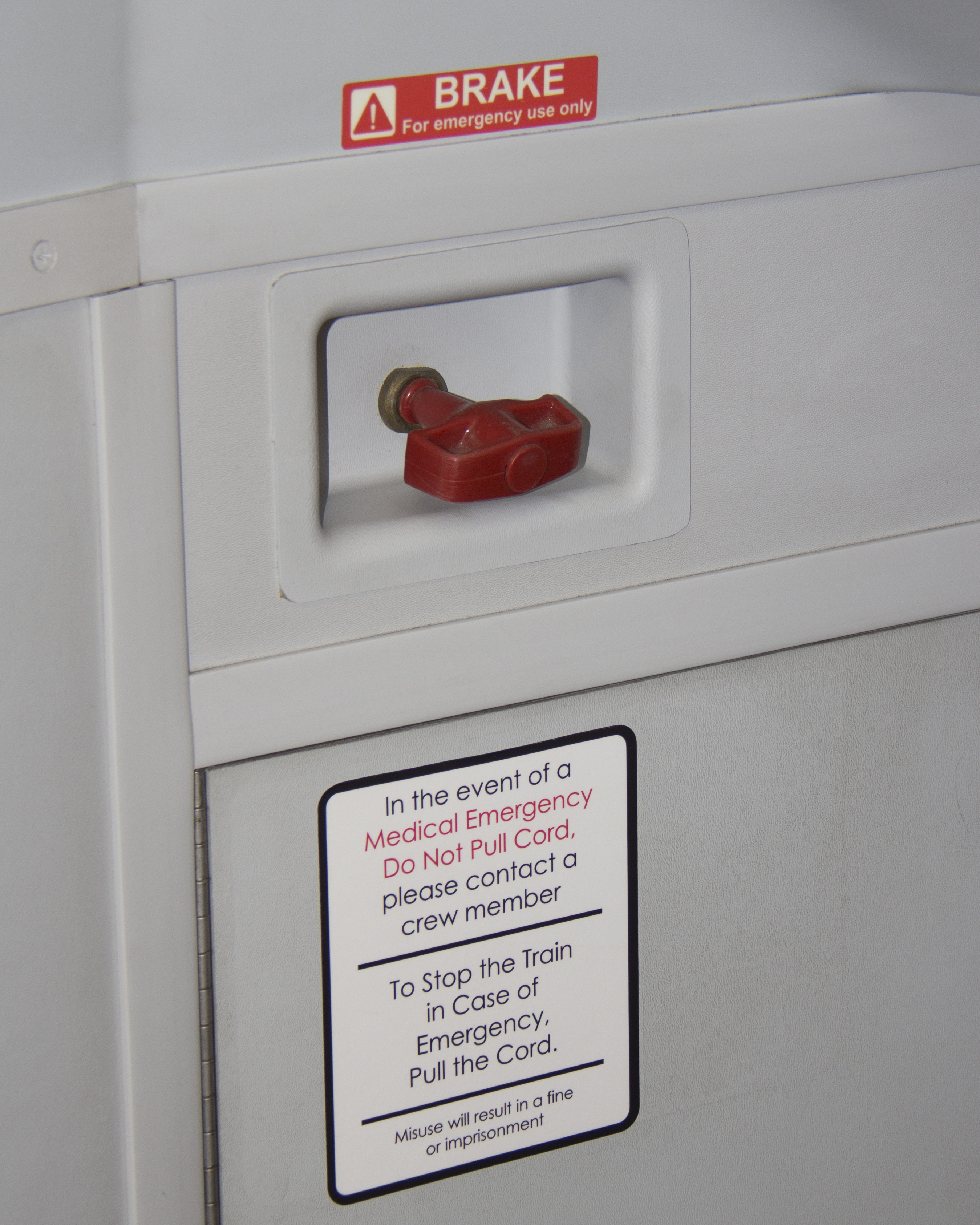
If an individual's conduct threatens the public, the Illinois Director of Insurance may issue a Cease and Desist (C&D) order before holding a hearing. This is the regulatory equivalent of pulling the emergency brake.
Due process still matters, however. When the Director takes this drastic step, they must simultaneously serve a notice of hearing when issuing the Cease and Desist order.
The timeline for this hearing is strictly defined to ensure a swift, fair resolution:
- The hearing must be scheduled not less than 20 days after the notice is served.
- The hearing must be scheduled not more than 30 days after the notice is served.
During these administrative hearings, the Director acts with quasi-judicial authority. The Illinois Director of Insurance has the power to issue subpoenas and administer oaths during administrative hearings, compelling witnesses to testify truthfully under penalty of perjury.
If a producer or company ignores the final ruling, the financial consequences are severe. An individual who violates a final Cease and Desist order regarding unfair competition is subject to a civil penalty of up to $1,000 per violation.
As an insurance producer, you are the front door to the insurance industry. The state demands that you leave an immaculate paper trail.
Illinois insurance producers must maintain complete and accurate transaction records at their place of business for a minimum of three years.
If an IDOI examiner walks into your agency, your records cannot merely be a stack of receipts. Illinois insurance transaction records must explicitly show:
- Every contract placed
- The named insured
- Any amendments to the policy
- All premiums received
When a client hands you a check for a premium, that money does not belong to you. It belongs to the insurer, and until you hand it over, you are holding it in a legally binding relationship of trust. Under Illinois law, insurance producers hold collected premiums in a fiduciary capacity.
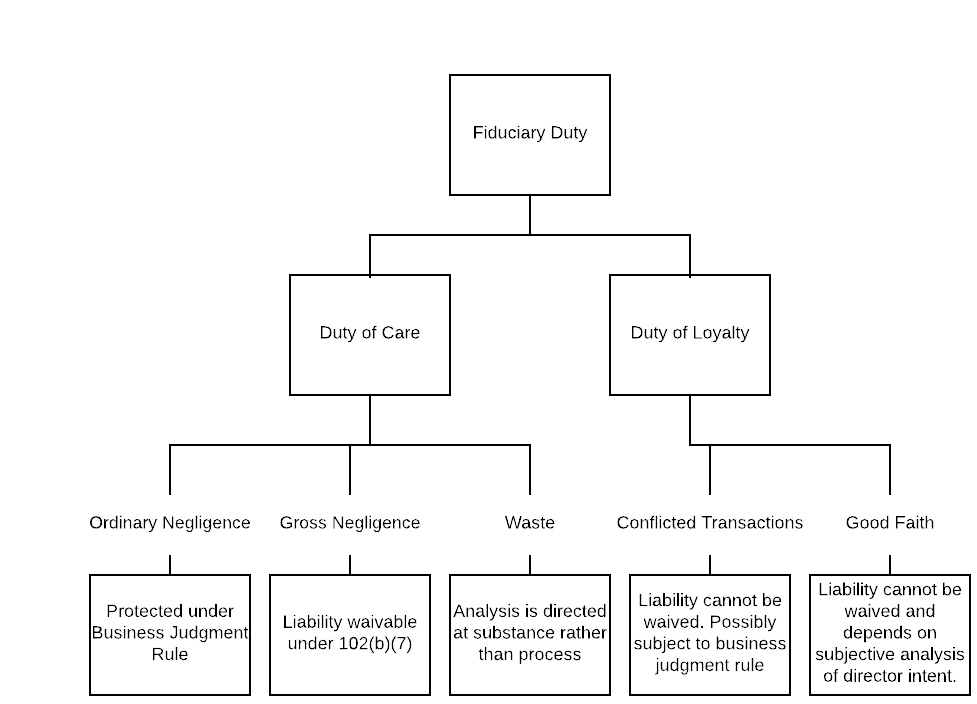
Because of this supreme level of trust, Illinois insurance producers must not misappropriate or illegally commingle premium funds with personal funds. Buying agency office supplies or paying personal rent with a client's premium check is a severe violation of the insurance code.
The Premium Fund Trust Account (PFTA)
If you immediately forward a client's premium to the insurer, standard accounting suffices. But if you hold onto the money, the state requires a specialized vault. An Illinois insurance producer must establish a Premium Fund Trust Account (PFTA) if holding collected premiums for 15 days or more before remitting them to the insurer.
The rules governing a PFTA are designed to ensure the state never loses legal access to the funds:
- Location: A Premium Fund Trust Account must be maintained in a financial institution located within the State of Illinois.
- Jurisdiction: The Illinois financial institutions holding a Premium Fund Trust Account must be subject to the jurisdiction of Illinois courts. If a producer attempts to misappropriate funds, the Director cannot afford to fight jurisdictional battles in offshore courts; the money must remain within the state's legal reach.
While you cannot mix your grocery money with premium funds, the state recognizes the reality of accounting logistics. Non-premium monies such as service fees or late charges may be deposited into an Illinois Premium Fund Trust Account alongside premium funds.
The Illinois Insurance Code applies strict penalties for those who violate its provisions. The penalties are scaled depending on whether the violator is an individual producer or a massive insurance corporation.

Company Penalties
Insurance companies operate under a "Certificate of Authority" granted by the state. If an insurer treats its policyholders poorly, the Director will intervene aggressively.
- Fines: The Illinois Director of Insurance may impose a civil penalty of up to $250,000 if an insurance company engages in improper claims practices.
- Suspension: Furthermore, the Director may suspend an insurance company's certificate of authority for up to six months for engaging in improper claims practices.
Producer Penalties
For individual producers, the penalties target your livelihood—your license to sell.
- Revocation: The Illinois Director of Insurance can permanently revoke an insurance producer's license for violating state insurance laws.
- Suspension: The Director can suspend an insurance producer's license specifically for misappropriating collected premium funds.
Summary of Key Administrative Actions
| Violation / Action | Disciplinary Consequence |
|---|---|
| Improper Claims Practices (Company) | Up to $250,000 civil penalty AND/OR up to 6 months suspension of Certificate of Authority. |
| Violating State Insurance Laws (Producer) | Revocation of producer license. |
| Misappropriating Premium Funds (Producer) | Suspension of producer license. |
| Violating Final C&D Order (Unfair Competition) | Civil penalty up to $1,000 per violation. |
Understanding these parameters is not just about passing an exam; it is about recognizing the gravity of the profession. When you accept a premium check, you are acting as a fiduciary within a highly regulated system, overseen by a Director with the power to investigate, subpoena, and penalize. Mastering these rules ensures your practice remains both legally compliant and ethically sound.