Liability Concepts and Negligence
Not sure you’re ready?
Take the ~3-minute readiness diagnostic and see where you stand.
Imagine a heavy brick slipping off scaffolding at a downtown construction site, plummeting three stories, and shattering the windshield of a parked car. The physical physics are straightforward, but the legal physics—the mechanisms that determine exactly whose bank account will pay for that glass—are what govern the world of Property & Casualty insurance. Liability is the legal framework that shifts the financial burden of an accident from the victim back to the responsible party. As an insurance producer, you are not merely selling pieces of paper; you are structuring financial shields against a legal system designed to make injured parties whole. Every liability policy you write serves as a specialized shock absorber for these legal impacts. To properly protect your clients, you must first master the exact legal triggers that force a policy to open its checkbook.
Most liability claims are rooted in a single, vital concept: negligence.
Negligence is the failure to use the care that a reasonable, prudent person would exercise under the same or similar circumstances. It is not about malice or intentional harm; it is about carelessness. To hold your client legally responsible for an accident, a claimant cannot simply say, "I was hurt on your property." They must prove negligence.
The Four Elements of Negligence Four elements must be present to establish negligence: legal duty, breach of duty, proximate cause, and actual damages. If even one element is missing, a claim of negligence collapses.
- Legal Duty: A legal duty is an obligation to conform to a certain standard of conduct for the protection of others against unreasonable risks. When your client gets behind the wheel of a car, they automatically assume a legal duty to obey traffic laws and watch for pedestrians.
- Breach of Legal Duty: A breach of legal duty occurs when a person fails to meet the required standard of care. If that driver looks down at a text message, they have breached their duty.
- Proximate Cause: This is the physical domino effect of an accident. Proximate cause is an unbroken chain of cause and effect between an occurrence and resulting damage. The driver texting caused the car to swerve, which caused it to hop the curb, which caused it to strike a mailbox.
- Actual Damages: Finally, actual loss or damage must occur for a party to be held liable for negligence. If the texting driver swerves onto a lawn but harms no property and injures no one, they may get a traffic ticket, but they cannot be sued for negligence because no actual damage resulted.

Navigating Special Negligence Doctrines
In courtrooms, proving negligence is not always a straightforward mapping of the four elements. The law recognizes specific doctrines that alter how liability is assigned.
Sometimes, a defendant acts with a recklessness that goes far beyond simple carelessness. This is known as gross negligence, which is defined as a reckless disregard for the safety or lives of others. For example, driving five miles over the speed limit is standard negligence; driving eighty miles per hour through a crowded school zone is gross negligence.
In certain scenarios, a plaintiff cannot prove exactly how a defendant was negligent, but the circumstances make it obvious that negligence occurred. Here, the legal doctrine of res ipsa loquitur (Latin for "the thing speaks for itself") shifts the burden of proof to the defendant because the accident would not have occurred without negligence. If a surgical sponge is found inside a patient's abdomen post-operation, the patient doesn't need to prove exactly which nurse or surgeon dropped it; res ipsa loquitur demands the medical team prove they were not negligent.
Property owners also face unique burdens, particularly regarding children. The attractive nuisance doctrine imposes a higher degree of care on property owners who have items that might draw children onto the property. Because children cannot comprehend risk like adults, you cannot simply say a child was "trespassing." An unfenced swimming pool is a common example of an attractive nuisance, legally obligating the homeowner to take proactive steps (like erecting a locked fence) to prevent a tragic accident.

Finally, when multiple parties are at fault, the legal system heavily favors the injured victim through joint and several liability. This doctrine allows an injured party to recover full damages from any one of multiple negligent parties regardless of individual fault share. If three contractors contributed to a building collapse, the injured party can extract 100% of the damages from the single contractor with the deepest insurance pockets, leaving that contractor's insurer to chase the other two for reimbursement.
When your client is sued, their liability insurance company steps in to defend them. Defense attorneys utilize several established legal arguments to defeat or minimize a negligence claim.
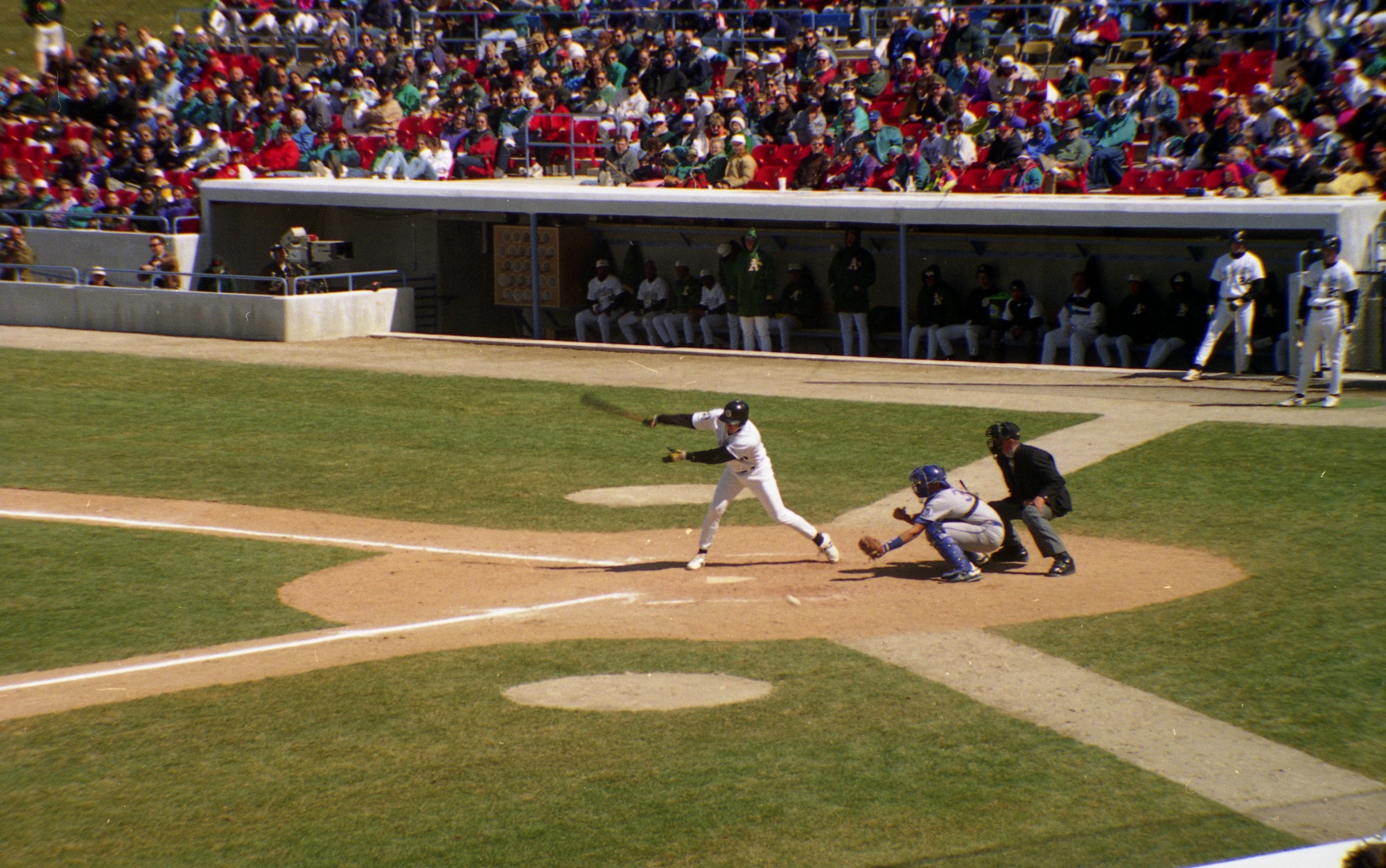
- Assumption of Risk: This is a defense claiming the injured party knowingly and voluntarily exposed themselves to a known danger. If a spectator attends a baseball game and is struck by a foul ball, the stadium will argue the fan assumed the risk of flying baseballs simply by sitting in the bleachers.
- Intervening Cause: An intervening cause is an independent event that breaks the chain of causation between a negligent act and the resulting injury. If a driver lightly bumps a pedestrian, but a sudden hurricane knocks a tree onto the pedestrian before the ambulance arrives, the hurricane is an intervening cause. The driver is not liable for the tree-related injuries.
- Statute of Limitations: Time is a defense. A statute of limitations sets a specific time limit within which an injured party must file a legal action. If a state sets a two-year limit for bodily injury claims, a lawsuit filed on year three will be dismissed, regardless of the facts.
Comparative vs. Contributory Negligence
What happens if the injured party was also acting carelessly? States generally adopt one of two doctrines to handle shared fault:
| Doctrine | How It Works | Impact on the Injured Party |
|---|---|---|
| Contributory Negligence | A harsh, traditional rule. | Under contributory negligence, an injured party cannot recover any damages if the injured party is found to be even partially (e.g., 1%) at fault. |
| Comparative Negligence | The modern, mathematically fair rule used by most states. | Under comparative negligence, an injured party's damages are reduced in proportion to the injured party's degree of fault. If awarded $100,000 but found 20% at fault, they receive $80,000. |
Up until now, we have discussed liability rooted in fault. But the law recognizes situations where public policy demands that a party be held liable regardless of whether they were careful or not. Understanding these distinctions is critical for proper underwriting.
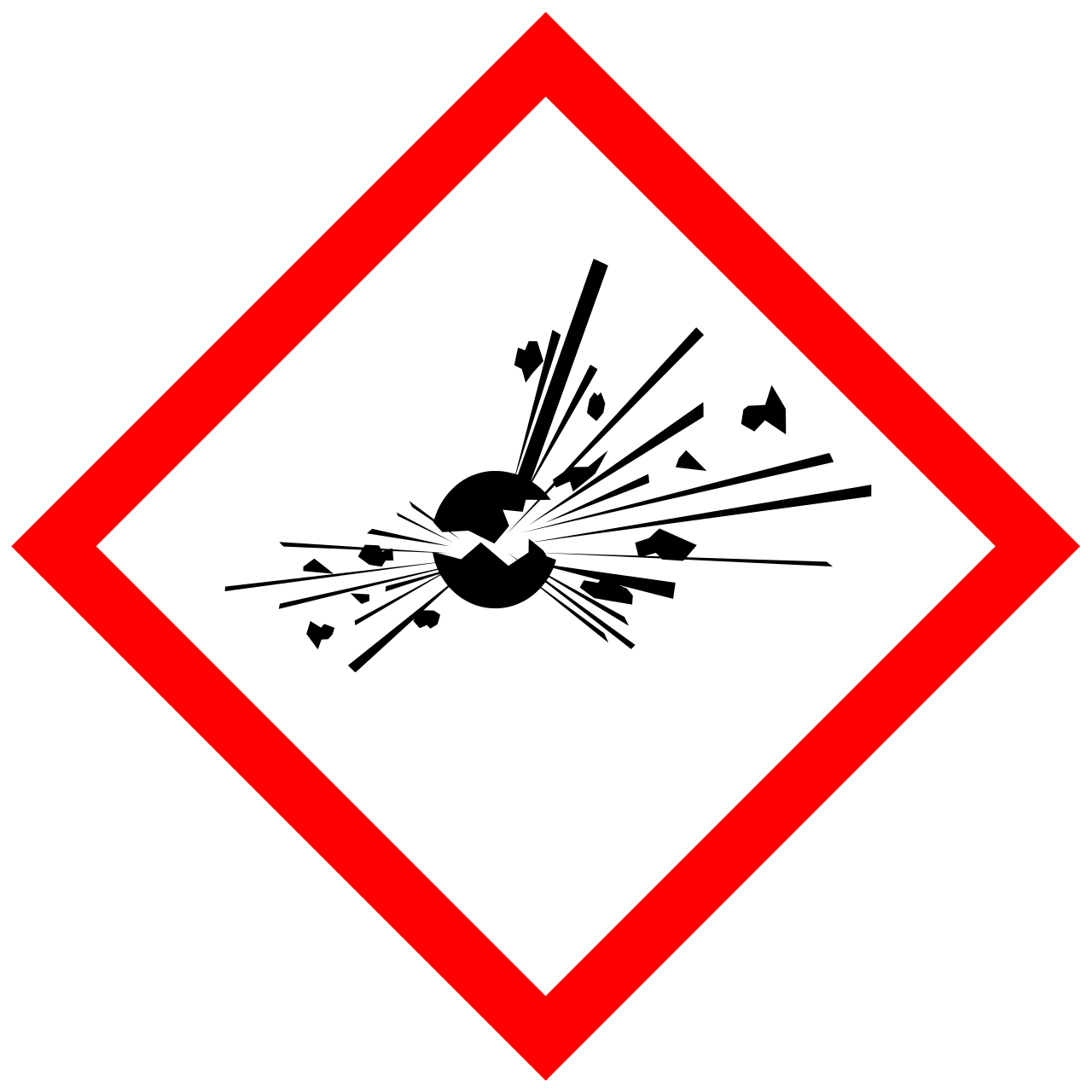
Absolute liability is imposed on defendants engaged in hazardous activities regardless of fault or negligence. If your client engages in an inherently dangerous enterprise, they pay for the resulting damages, period. No amount of safety precautions will excuse them. Using explosives is a common activity subject to absolute liability, as is owning wild animals. If a commercially owned tiger escapes and destroys property, the owner cannot argue they used a heavy-duty padlock. The hazard itself creates absolute financial responsibility.
Often confused with absolute liability is strict liability, which applies specifically to products. Strict liability applies to manufacturers or sellers of defective and unreasonably dangerous products without requiring proof of negligence. If a toaster spontaneously combusts and burns down a kitchen, the homeowner does not have to prove the factory workers were careless. They simply prove the product was defective and caused the harm.
Finally, liability can flow from one entity to another. Vicarious liability is the transfer of liability from the person who committed the negligent act to another person or entity. The law recognizes that those who control the actions of others should bear the financial risk of those actions. An employer being held liable for the negligent acts of an employee during work hours is a prime example of vicarious liability. When a pizza delivery driver runs a red light, the injured party will immediately sue the pizza restaurant under this doctrine.
When negligence or absolute/strict/vicarious liability is proven, the court awards damages. "Damages" is simply the legal term for money paid to compensate for harm.
Compensatory damages are intended to compensate an injured party for actual losses sustained. The goal is to return the victim to their pre-accident financial state. Compensatory damages are split into two precise categories:
- Special damages: These are highly objective and easily calculated. Special damages are a type of compensatory damage awarded for specific, out-of-pocket financial expenses like medical bills and lost wages. If you have a receipt for it, it is a special damage.
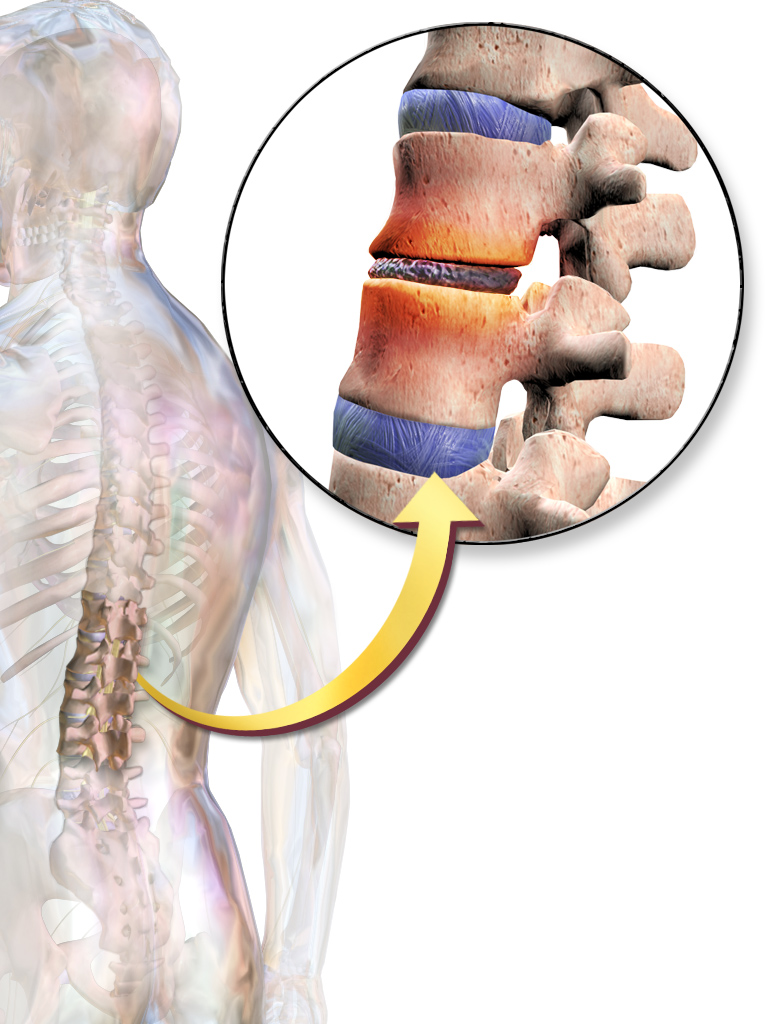
- General damages: These are subjective. General damages are a type of compensatory damage awarded for subjective, non-monetary losses like pain and suffering, mental anguish, or loss of consortium. You cannot put a precise receipt on living with chronic back pain, so courts and insurers estimate this value.
In stark contrast to compensatory damages are punitive damages. These are not designed to compensate the victim at all. Instead, punitive damages are awarded by a court to punish a wrongdoer for extreme or gross negligence and to deter society from repeating the behavior.
How does all of this legal theory manifest in a P&C policy?
First, recognize that liability insurance is considered third-party coverage because liability insurance pays claims to an injured third party on behalf of the insured. (First-party coverage pays the insured directly, like a homeowner's policy paying to rebuild the homeowner's burned roof).
When evaluating a liability policy, the insuring agreement will typically divide coverage into three distinct "buckets":
- Bodily injury liability: This covers medical expenses, lost wages, and pain and suffering resulting from a covered physical injury to a third party. (This pays for the claimant's Special and General damages).
- Property damage liability: This covers the cost to repair or replace a third party's property that was damaged by the insured.
- Personal injury liability: Do not confuse this with bodily injury! In insurance terminology, personal injury liability covers claims of non-physical harm such as libel, slander, false arrest, and invasion of privacy.
The Duty to Defend
Perhaps the most valuable feature of any liability policy is not the payout limit, but the legal representation. Liability policies include a duty to defend the insured against covered claims regardless of whether the claims are groundless or false. If someone frivolously sues your client, the insurance company must hire attorneys to defend them.
However, this protection is not infinite. The insurer's duty to defend ends once the liability policy limits have been exhausted by payment of judgments or settlements. If a policy has a $100,000 limit, and the insurer pays out $100,000 to settle the bodily injury claims, the insurer's lawyers will pack up their briefcases. Any remaining legal defense costs or further judgments must be paid out of the insured's own pocket.
The Ultimate Boundary: Intentional Acts
While liability insurance acts as a broad shield for negligence and certain strict liability exposures, it is strictly designed for accidents. To preserve the fundamental concept of risk and prevent moral hazard, liability insurance policies explicitly exclude coverage for intentional acts committed by the insured. If your client negligently backs their car into a neighbor's fence, the policy responds. If your client gets angry at their neighbor and purposefully rams their car into the fence, the policy will slam shut. You cannot buy insurance to fund intentional malice.