New York Health Insurance Mandates & Continuation of Coverage
Not sure you’re ready?
Take the ~3-minute readiness diagnostic and see where you stand.
Insurance is, at its core, a mechanism for socializing risk within bounded populations. While federal legislation sets the absolute minimum floor for health insurance standards across the United States, individual states are the architects of their own consumer protections. New York State has constructed one of the most rigorously regulated, consumer-protective health insurance environments in the country.
As a licensed producer in New York, you are not merely selling financial products; you are navigating a strictly defined legal framework designed to prevent discrimination, ensure continuity of care, and mandate specific medical benefits. Understanding the mechanics of New York's insurance code is not just about passing an exam—it is the fundamental toolset you will use to protect businesses, families, and individuals from catastrophic financial ruin.
Here is the definitive guide to the mandates, market rules, and continuation laws that govern health insurance in the Empire State.
To accurately advise a business owner, you must first understand how New York defines and prices small-group coverage.
A small group for New York health insurance purposes is defined as an employer with 1 to 100 eligible employees. However, a business cannot simply be a married couple acting as a sole proprietorship. To qualify as a small group, New York requires that the plan have at least one active full-time equivalent employee who is not the business owner's spouse.
If a business meets this definition, they enter a market governed by highly specific pricing laws.
Pure Community Rating
In many states, underwriters price small group policies based on the age, gender, and overall health of the employees. New York strictly prohibits this. The New York small-group health insurance market utilizes pure community rating.
Pure Community Rating Under a pure community-rated system, the insurer pools all risks across the entire market. In a New York small group plan, premiums cannot be based on the age, gender, or health status of the enrollees.
If you have a 25-year-old tech startup with zero health issues and a 62-year-old accounting firm with a history of heart disease, they are quoted the exact same base rate.
So, what can you base premiums on? New York small-group health insurance premiums may vary based only on two factors:
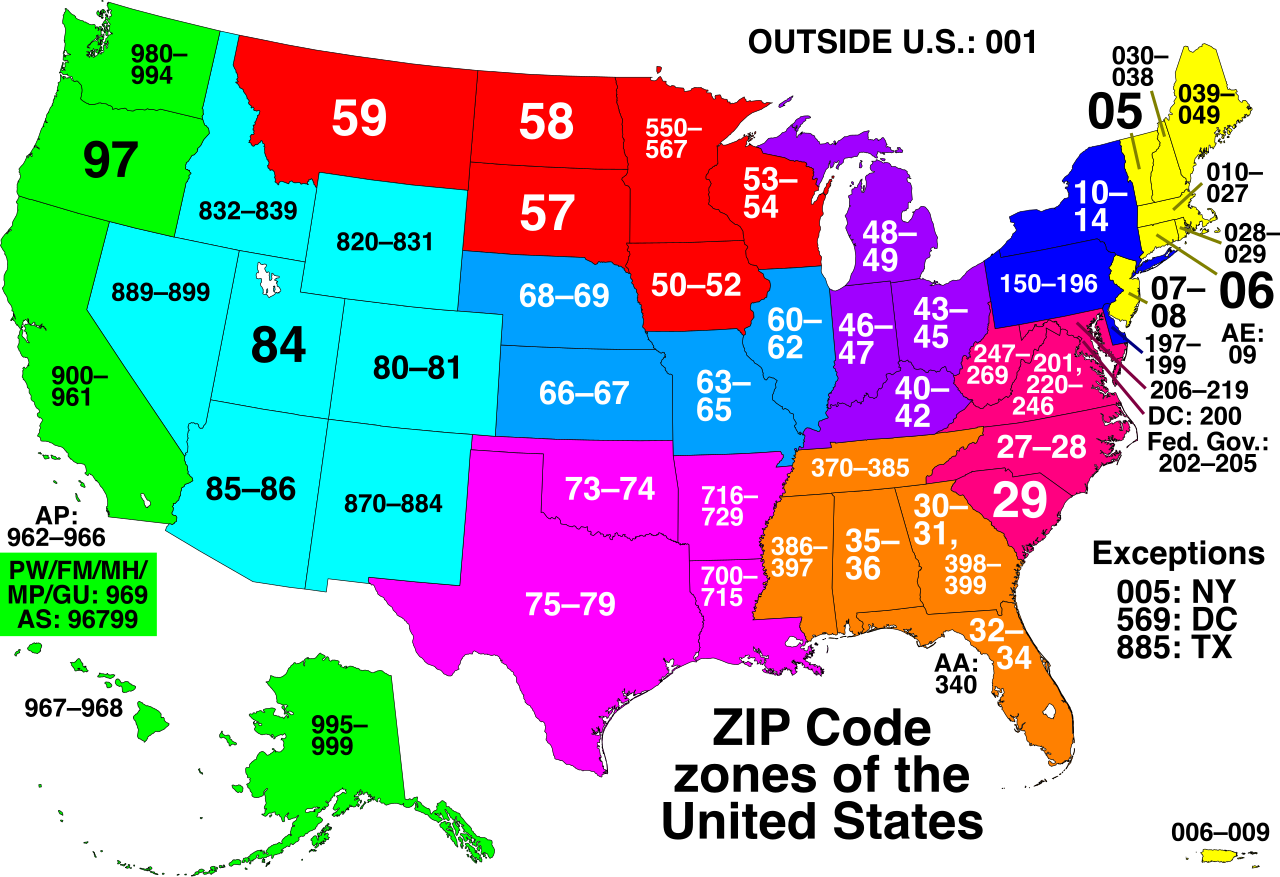
- The employer's geographic ZIP code (healthcare costs more in Manhattan than in Syracuse).
- The chosen metallic tier of the plan (Bronze, Silver, Gold, Platinum).
Furthermore, this market is heavily protected. All New York small-group health insurance plans are offered on a guaranteed issue basis (an insurer cannot deny a group coverage) and must be guaranteed renewable (they cannot drop the group, provided premiums are paid).
The philosophy of pure community rating does not stop at the commercial small-group market; it extends directly to seniors purchasing Medicare Supplement (Medigap) policies.
Just like small group plans, New York Medicare Supplement policies are subject to pure community rating. Under these rules, an insurer cannot vary premiums based on an applicant's age, gender, or health history. A newly eligible 65-year-old pays the exact same monthly premium as a 90-year-old.
Additionally, New York breaks away from federal standard enrollment periods. New York requires insurers to offer Medicare Supplement policies on a continuous open enrollment basis throughout the entire year. A senior can apply for Medigap at any time.
The Pre-Existing Condition Defense
Because anyone can enroll at any time regardless of their health, insurers face immense "adverse selection" risk—people waiting until they get sick to buy a policy. To balance the scales, New York allows a defense mechanism.

New York Medicare Supplement insurers can impose a waiting period of up to six months for pre-existing conditions if the applicant lacks prior "creditable coverage." However, this pre-existing condition waiting period is entirely waived if the applicant replaces old creditable health coverage within 63 days of that coverage terminating.
Federal COBRA allows employees to keep their employer-sponsored health insurance after leaving a job, but it only applies to employers with 20 or more employees. What happens to an employee who gets laid off from a bakery with only 12 workers?
New York steps in to bridge this gap. New York State continuation coverage rules apply to employer groups with fewer than twenty employees.
This law gives both eligible employees AND eligible dependents the right to continue their group health insurance after a qualifying event.
The 36-Month Rule
Federal COBRA is a maze of timelines: 18 months for termination, 29 for disability, 36 for dependents. New York State sweeps this complexity away with a single, unified standard.
New York law extends the maximum state continuation period to 36 months for ALL qualifying events. The 36-month continuation period in New York applies to a loss of coverage due to:
- An employment termination
- A reduction in working hours
- An employee's death
- An employee's divorce
New York's generosity even extends to those covered by federal COBRA. The New York State continuation law grants up to 36 months of total continuation coverage to individuals eligible for federal COBRA (essentially bumping an 18-month federal extension up to a total of 36 months).
The Cost: This coverage is not subsidized by the employer. Individuals electing New York State continuation coverage may be required to pay up to 102% of the premium cost (the 100% actual premium plus a 2% administrative fee).
Under the federal Affordable Care Act, children can stay on their parents' health insurance until age 26. New York pushes this boundary further. The New York Age 29 law requires insurers to offer an option (a rider) to extend health insurance coverage for unmarried young adult children through age 29.
To qualify for the New York Age 29 rider, the young adult child must meet highly specific criteria. They do not have to live under the same roof as their parents—the rider does not require the young adult to live with their parents, nor does it require them to be financially dependent upon their parents.
Instead, the young adult establishes eligibility if they:
- Are unmarried.
- Can establish eligibility by living in New York State OR by working in New York State.
- Are not eligible for comprehensive health insurance through their own employer. (If they can get a solid plan at their own job, they cannot use their parents' plan).
Who pays for this? The employer is protected here. Employers are not required to pay the premium for the New York Age 29 dependent coverage rider; the employee (the parent) or the young adult must foot the bill.
Historically, health insurance policies placed harsh limits on mental health care while granting limitless physical health coverage. New York corrected this with a landmark mandate known as Timothy's Law.
Timothy's Law is a New York mandate requiring parity in mental health insurance benefits. It dictates that fully insured large-group plans must provide mental health coverage with terms comparable to medical care and comparable to surgical care.
The law sets strict mathematical minimums. It requires:
- A minimum annual benefit of 30 inpatient days for mental health disorders.
- A minimum annual benefit of 20 outpatient visits for mental health disorders.
Furthermore, Timothy's Law mandates full health insurance parity (no arbitrary limits beyond standard medical limits) for biologically-based mental illnesses (such as schizophrenia or bipolar disorder) and for serious emotional disturbances in children.
Autism Spectrum Disorder
In a similar vein of protecting vulnerable populations, New York mandates health insurance coverage for the screening, diagnosis, and treatment of autism spectrum disorder in children.
New York law recognizes that the creation and preservation of life requires robust medical backing, leading to strict mandates regarding maternity stays and fertility treatments.
Maternity Minimums
Insurance companies cannot force a mother and newborn out of the hospital prematurely to save money. New York mandates that health insurance policies cover:
- A minimum of 48 hours of inpatient care following a vaginal delivery.
- A minimum of 96 hours of inpatient care following a cesarean section delivery.
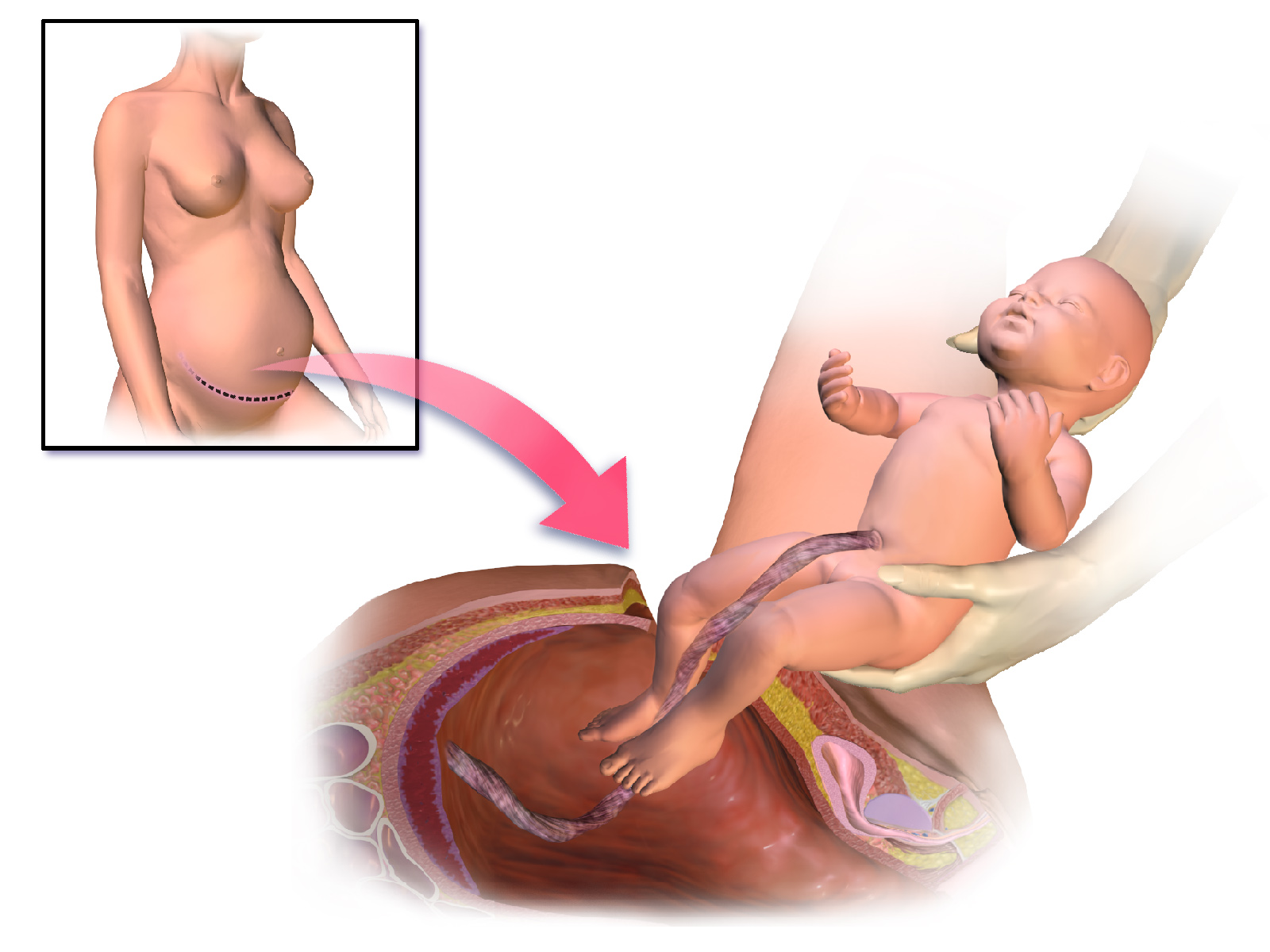
If a mother consults with her physician and decides to leave the hospital earlier than these state-mandated maternity stay minimums, New York law requires coverage for one home health care visit to ensure the health of both mother and infant.
In-Vitro Fertilization (IVF)
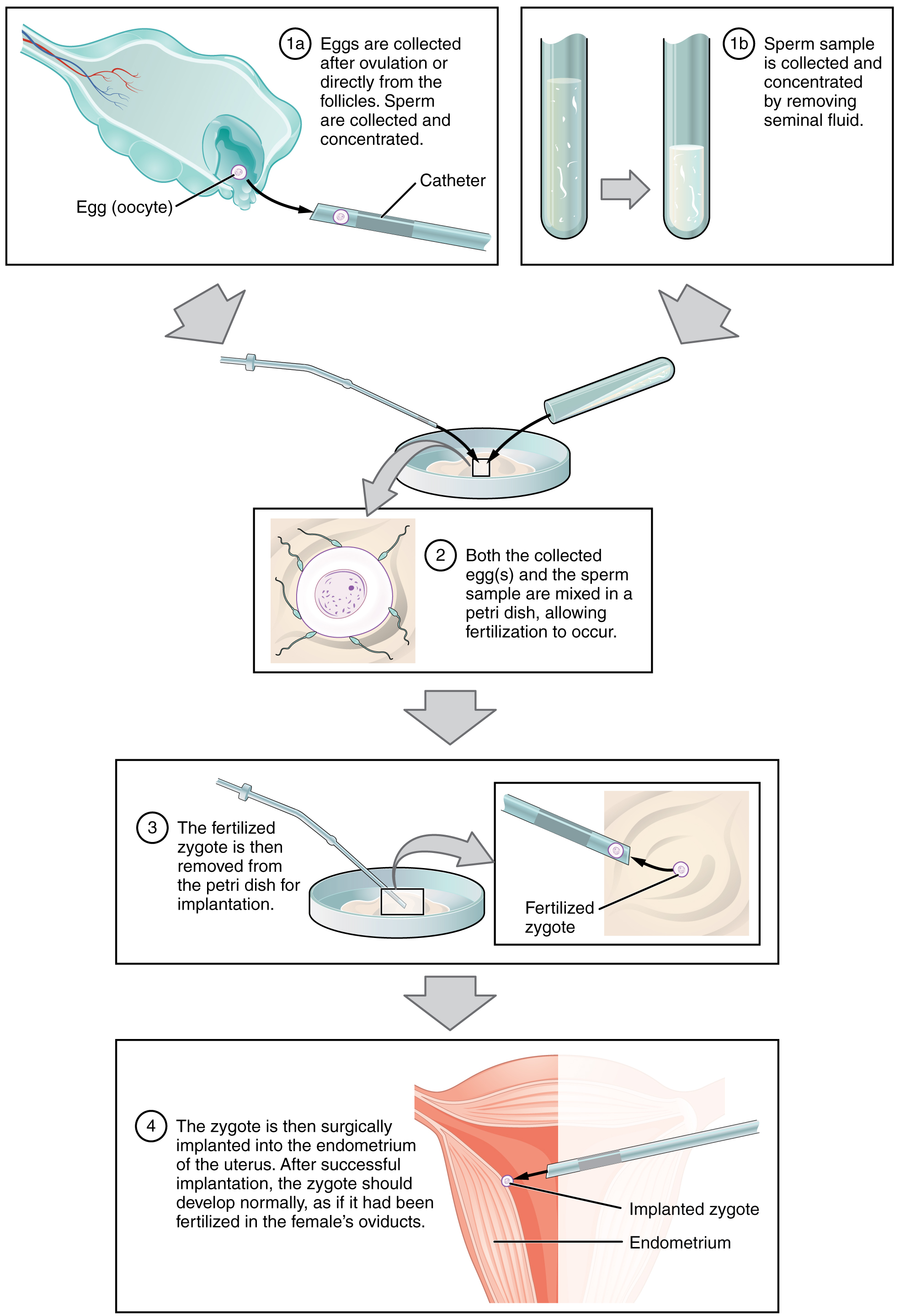
New York treats the treatment of infertility differently based on the size of the risk pool. New York mandates that health insurance policies cover up to three cycles of in-vitro fertilization (IVF) per lifetime. However, you must know exactly who this applies to: This mandate applies only to fully insured large-group plans.
New York in-vitro fertilization coverage mandates do not apply to:
- Small group health insurance plans.
- Individual health insurance plans.
- Self-funded employer health plans (which are governed by federal ERISA law, not state law).
Fertility Preservation
Do not confuse IVF coverage with fertility preservation. If a patient is about to undergo a medical treatment that could permanently destroy their reproductive capacity—such as aggressive chemotherapy or radiation for cancer—the rules change.
New York commercial insurance plans must cover medically necessary fertility preservation treatments. This mandate explicitly includes egg freezing and sperm freezing prior to medical interventions.
A central tenet of modern health insurance is catching diseases early and managing chronic conditions effectively to prevent massive future claims. New York strictly enforces preventive mandates.
Chronic Disease Management
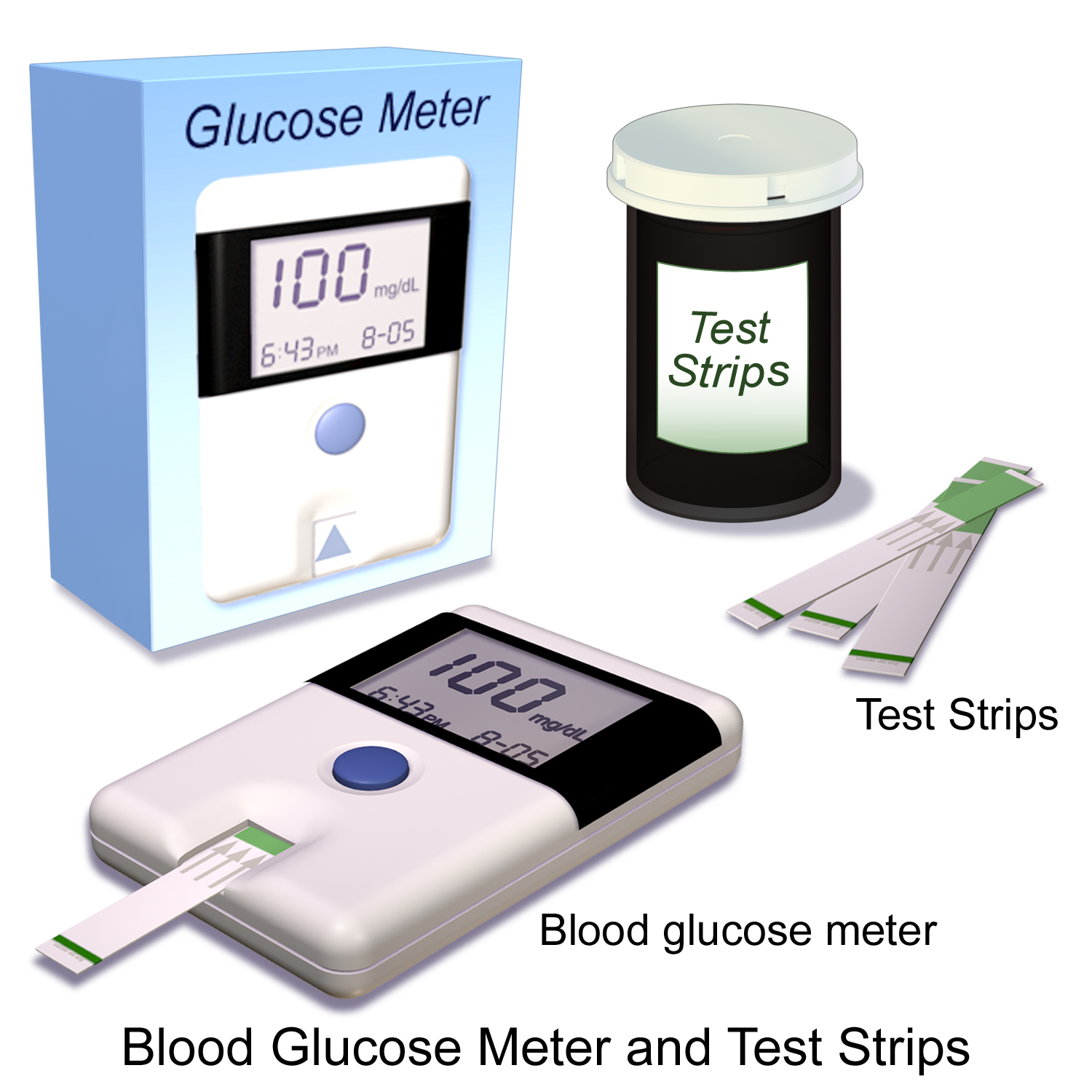
Millions of New Yorkers live with diabetes. New York health insurance policies must provide coverage for diabetes equipment, diabetes supplies, and diabetes self-management education. You cannot sell a policy in this state that leaves a diabetic patient to pay for insulin pumps or testing strips entirely out of pocket.
Preventive Screenings
New York establishes strict age thresholds for required, covered medical screenings. You must memorize these timelines:
- Cervical Cytology: New York mandates coverage for annual cervical cytology screenings (Pap smears) for women aged 18 and older.
- Mammograms: New York mandates coverage for annual mammogram screenings for women aged 40 and older.
- Prostate Screenings: New York mandates coverage for prostate cancer screenings for men aged 50 and older.
- Bone Mineral Density: Health insurance policies must cover bone mineral density measurements, but only for individuals meeting specific risk criteria (rather than a blanket age requirement).

Summary for the Professional Producer
When you sit for your New York Life & Health Exam, view these regulations not as disconnected rules, but as a cohesive consumer safety net. Small groups (1-100) and Medigap enrollees are protected by pure community rating. Employees of tiny companies (<20) are protected by a unified 36-month state continuation law. Young adults are shielded by the Age 29 law. And fundamental human needs—from mental health parity under Timothy's Law, to the 48/96 hour maternity rule, to diabetes management—are legally required benefits. Master this architecture, and you will be fully equipped to pass your exam and serve your future clients.