Standard Policy Provisions
Not sure you’re ready?
Take the ~3-minute readiness diagnostic and see where you stand.
An insurance contract is fundamentally an asymmetric arrangement: a client trades a fraction of their wealth and an honest application for an institution’s binding promise to deliver a financial fortress when catastrophe strikes. Because the stakes are so high—often determining whether a grieving family keeps their home or a business survives the loss of a founder—the rules governing these agreements cannot be left to informal understandings. They must be rigidly engineered and universally understood. For an insurance producer, mastering the Standard Policy Provisions is not merely an exercise in legal trivia. It is learning the structural mechanics of the promise you are selling. You must know precisely what documents constitute the agreement, how the contract protects the consumer from sudden forfeiture, and who holds the levers of control when a policy is in force for decades.
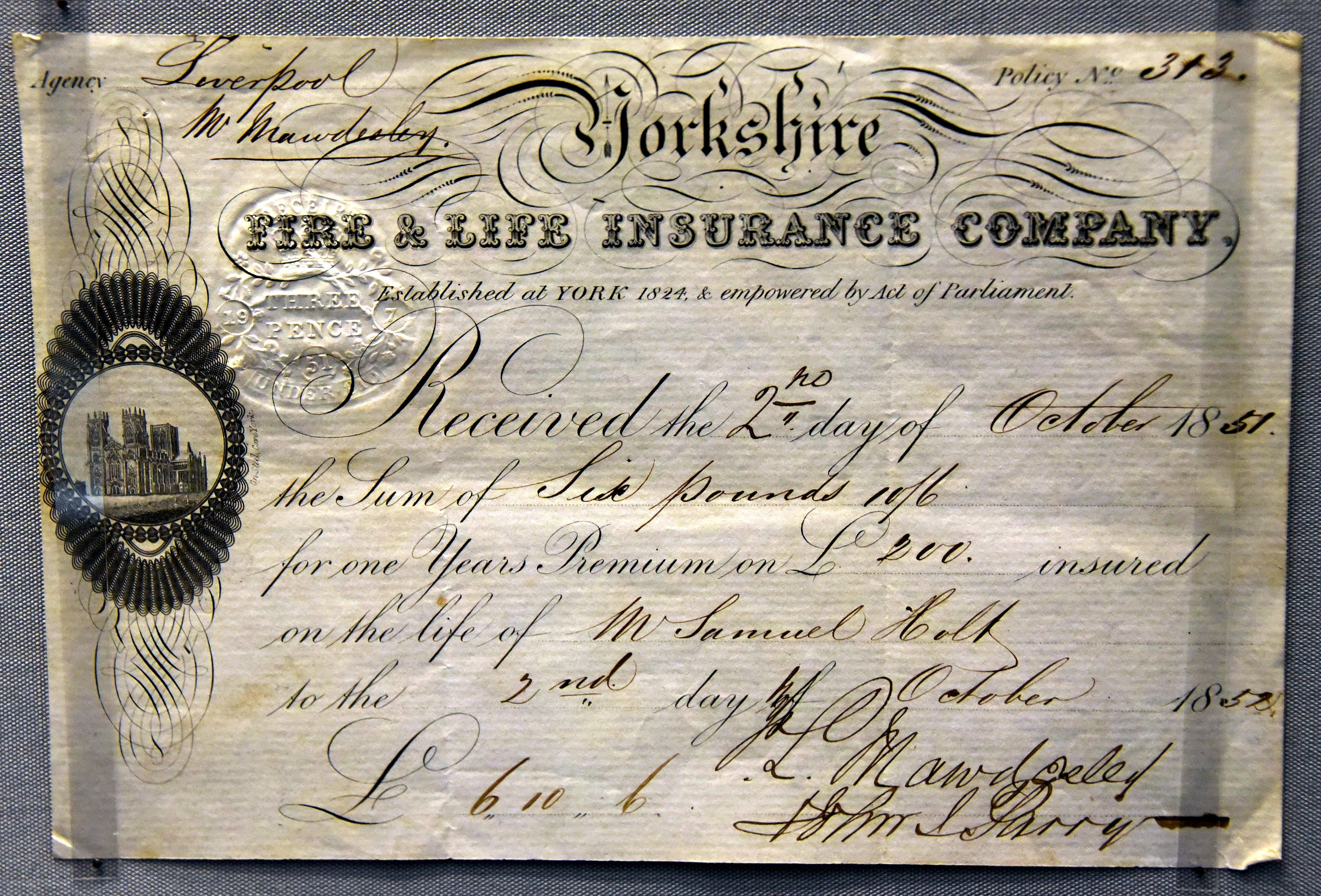
Before we can discuss how a policy operates, we must define what the policy actually is. Where does the agreement begin and end? This is governed by two foundational elements: the Entire Contract provision and the Insuring Clause.
The Entire Contract Provision
Imagine you purchase a piece of complex machinery, only to be told later that a separate, secret manual dictates how it works—a manual you have never seen. In contract law, allowing outside, unseen documents to alter an agreement is disastrous for the consumer.
The Entire Contract Provision limits the legally binding insurance agreement exclusively to the physical contract itself. It establishes a "four corners" rule: if a condition, exclusion, or rule is not physically contained within the boundaries of the delivered document, it does not exist in the eyes of the law.
To achieve this, the entire contract includes three specific components:
- The main policy document.
- A physical copy of the original insurance application.
- Any formally attached riders or endorsements.
By bundling these together, the entire contract provision prevents the insurance company from referencing outside documents, unwritten bylaws, or internal memos to deny a claim. It is a profound consumer protection. Furthermore, it prohibits the insurer from altering the policy terms without the policyowner's written consent.
As a producer, you must understand your place in this mechanism. An insurance agent lacks the authority to alter the terms of an entire insurance contract. You cannot cross out a line on a policy, initial it, and make it legally binding. Only an executive officer of the insurance company can legally approve changes to the insurance policy.
The Insuring Clause
If the Entire Contract provision builds the fortress, the Insuring Clause is its heartbeat.
The Insuring Clause represents the insurance company's basic legally binding promise to pay benefits.
Typically located on the first page or face page of the insurance policy, this clause acts as the definitive summary of the agreement. When you open a policy, this is the very first thing you see. It clearly identifies the specific parties bound by the insurance contract, defines the scope and limits of the provided insurance coverage, and specifies the exact peril or risk covered by the insurance policy (e.g., death, disability, or out-of-pocket medical expenses).
Contracts are not gifts; they are exchanges of value. In the eyes of the law, a contract is only valid if both sides bring something to the table. This exchange is outlined in the Consideration Clause, which dictates the specific value exchanged between each party in an insurance contract.
- The Applicant's Consideration: The client brings two distinct things of value. First, the payment of the initial premium (the money). Second, the truthful completion of the application (the information). If the applicant lies, they have failed to provide valid consideration.
- The Insurer's Consideration: The insurance company does not give the client physical money on day one. Instead, the insurance company's consideration is the formal promise to pay valid claims according to the policy terms.
Insurance policies are complex financial instruments. Recognizing this, state insurance laws mandate two vital temporal "safety nets" to protect the policyholder from coercion and innocent mistakes.
The Free Look Period
Buyer's remorse is a natural psychological phenomenon, particularly when committing to decades of premium payments. The free look period allows a new policyholder to review the insurance policy without financial penalty.
During this window, a policyholder can cancel the insurance policy for a full premium refund, no questions asked.
- When does it start? The free look period officially begins on the date the policy is physically or electronically delivered to the policyowner. It does not begin on the date the application is signed or the date the policy is approved.
- How long does it last? The standard free look period generally lasts 10 to 30 days depending on state laws and specific policy types. However, highly regulated products aimed at vulnerable populations—specifically Medicare Supplement and Long-Term Care insurance policies—typically mandate a strict 30-day free look period.
The Grace Period
Life happens. A client might change bank accounts, travel out of the country, or simply forget to mail a check. If an insurance policy lapsed the exact second a premium was late, families would routinely lose their life savings over clerical errors.
The grace period provides a specified timeframe after a premium due date to pay an overdue premium. Its fundamental purpose is to protect the policyholder against unintentional policy lapse.
Critically, the insurance policy remains fully in force throughout the duration of the grace period. If your client's premium is due on June 1st, and they die in a car accident on June 15th without having paid, they are fully covered. However, logic dictates that the insurer should not provide that coverage for free: any unpaid premium is automatically deducted from the final death benefit payout if the insured dies during the grace period.
If the overdue premium remains unpaid at the conclusion of the grace period, an insurance policy will permanently lapse.
The length of the grace period is heavily tested on the national exam and depends entirely on the type of policy and the frequency of premium payments:
| Policy Type & Premium Frequency | Standard Grace Period |
|---|---|
| Individual Life Insurance | Typically 30 or 31 days |
| Health Insurance (Weekly Premium) | Strictly 7 days |
| Health Insurance (Monthly Premium) | Strictly 10 days |
| Health Insurance (Less often than monthly) | 31 days (Quarterly, Semi-Annual, Annual) |
An insurance policy is a piece of property. Like a deed to a house, someone holds the title. The ownership provision explicitly outlines the rights of the policyowner in an insurance contract.
It is vital to distinguish between the insured (the person whose life or health is covered) and the policyowner (the person who controls the contract). Often they are the same person, but when they are not, all power resides with the policyowner.
The policyowner possesses the legal right to:
- Assign or transfer ownership of the insurance policy to another party (such as selling it to a life settlement company or assigning it to a bank as collateral).
- Borrow against the accumulated cash value of a permanent life insurance policy.
- Dictate the selection of settlement options for the ultimate distribution of policy proceeds (e.g., choosing whether the beneficiary receives a lump sum or a lifetime stream of income).
- Change a revocable beneficiary designation exclusively at their own discretion.
Ultimately, a life insurance policy exists to deliver capital to a specific destination at the exact moment of need. The entity receiving that capital is the beneficiary—the designated person or entity legally entitled to receive the death benefit upon the insured's death.
The Hierarchy of Claimants
Capital flows through a strict hierarchy.
- Primary Beneficiary: A primary beneficiary represents the first individual or entity in line to receive the insurance policy death benefit. A policyowner can designate multiple primary beneficiaries to share the death benefit in specified percentage allocations (e.g., 50% to a spouse, 25% to a son, 25% to a daughter).
- Contingent Beneficiary: What if the primary beneficiary dies before the insured? The funds flow to the next tier. A contingent beneficiary receives the death benefit only in the event that the primary beneficiary dies before the insured.
If tragedy strikes and all named beneficiaries (primary and contingent) predecease the insured, the insurance policy proceeds are paid directly to the insured's estate, where they will be subject to the potentially lengthy and public probate process.
Revocable vs. Irrevocable Designations
The policyowner controls the beneficiary designation, but they can choose exactly how much control they wish to retain.
A revocable beneficiary designation allows the policyowner to alter the named beneficiary at any time without outside consent. This is the standard, everyday arrangement.
However, in certain legal situations (such as a divorce decree), a judge may require an irrevocable beneficiary designation. This dramatically limits the policyowner's power. An irrevocable designation legally requires the named beneficiary's consent for any major policy changes. Because the cash value is tied to the ultimate death benefit, an irrevocable beneficiary designation even requires the named beneficiary's consent before the policyowner can borrow against the cash value.
Distribution Methods: Per Stirpes vs. Per Capita
When a policyowner names their children as beneficiaries, they must account for the generational flow of time. What happens if one of those children dies before the insured, but that deceased child has children of their own?
Insurance utilizes two ancient legal doctrines to solve this:
- Per Capita ("By the Head"): A per capita beneficiary designation distributes the death benefit equally among only the surviving named beneficiaries. If a client has three children, and one dies, the two surviving children simply split the money 50/50. The deceased child's family receives nothing.
- Per Stirpes ("By the Branch"): A per stirpes beneficiary designation directs the death benefit to the heirs of a deceased beneficiary. If a client has three children, and one dies, the surviving children each get their one-third, and the final one-third flows down to the deceased child's children.
As a producer, understanding the distinction between per capita and per stirpes allows you to ensure a client's wealth flows exactly where they intend, leaving no one unintentionally disinherited. Master these mechanics, and you master the very foundation of the products you provide.