Declarations, Insuring Agreement, Conditions, and Exclusions
Not sure you’re ready?
Take the ~3-minute readiness diagnostic and see where you stand.
An insurance policy is not merely a static piece of paper; it is a legally binding mechanism—a highly specialized engine designed to transfer risk from an individual to an institution. When you, as a producer, deliver a policy to a client, you are not handing them a generic receipt. You are handing them a complex contract composed of four universally standard interlocking parts. To master property and casualty insurance, you must first master the architecture of this contract.

This architectural framework is known by the acronym DICE, which stands for Declarations, Insuring Agreement, Conditions, and Exclusions. DICE represents the four fundamental parts found in nearly all property and casualty insurance policies. By dissecting these four components, we can understand exactly how an insurance company assesses a risk, promises to cover it, establishes the rules of the relationship, and draws the boundary lines around what it absolutely will not pay for.
Let us dismantle the engine and examine each part.
If you open any property and casualty policy, the very first thing you see is the Declarations page. Commonly referred to simply as the "Dec page" by insurance professionals, this is the section that customizes the standard insurance contract for the specific insured.
While the rest of the policy consists of standardized legal boilerplate, the Declarations page is the personalized dashboard. Conceptually, the Declarations page identifies who is insured, what is covered, where the coverage applies, and how much coverage is provided.
When you read a Dec page, you will find the following critical facts explicitly stated:
- The Parties: The legal name and mailing address of the first named insured.
- The Timeframe: The exact policy period, which includes the specific inception and expiration dates. If a fire starts at 11:59 PM the day before inception, there is no coverage.
- The Maximums: The Declarations page explicitly states the maximum limits of liability coverage provided by the policy. If the Dec page lists $300,000 for personal liability, that is the absolute ceiling for indemnification.
- The Cost: It states the exact premium amount charged for the insurance coverage.
- The Identifier: It identifies the unique policy number assigned to the insurance contract, essential for tracking and claims.
Once we know who and how much from the Dec page, we turn to the Insuring Agreement. This section is the beating heart of the policy. The Insuring Agreement contains the insurance company's core promise to protect the insured. It is the section of the policy that outlines the broad scope of covered liability events before any exclusions are applied.
In a casualty (liability) policy, the Insuring Agreement specifically contains the insurer's promise to pay damages on behalf of the insured. But this promise is actually twofold. It is divided into two distinct legal obligations: the duty to defend, and the duty to indemnify. Understanding the profound difference between these two duties is arguably the most important concept in casualty insurance.
Duty to Defend vs. Duty to Indemnify
| Feature | Duty to Defend (The Shield) | Duty to Indemnify (The Checkbook) |
|---|---|---|
| Definition | The insurer's obligation to provide legal counsel and pay legal expenses if the insured is sued in a civil lawsuit. | The insurer's obligation to pay for the actual monetary damages for which the insured is legally liable. |
| Scope | Extremely Broad. Applies if any single allegation in a lawsuit could potentially be covered. | Narrower. Applies only to actual damages proven in court or agreed upon in settlement. |
| Groundless Claims | Applies even if the lawsuit against the insured is groundless, false, or entirely fraudulent. | Does not apply if the insured is found not legally liable. |
| Financial Limit | Legal defense costs are typically paid in addition to the policy's stated limit of liability. | Capped strictly by the maximum limit of liability stated on the Declarations page. |
Let's look at a practical scenario. Suppose your client is sued by a neighbor for $500,000 over a completely fabricated bodily injury claim. The neighbor tripped over their own shoelaces, but blames your client. Because the lawsuit alleges bodily injury—a peril conceptually covered by the Insuring Agreement—the insurer must step in.
The insurer's duty to defend applies even if the lawsuit against the insured is groundless, false, or entirely fraudulent. An insurer must provide a legal defense if any single allegation in a lawsuit could potentially be covered by the policy. Because of this, the insurer's duty to defend is legally considered much broader than its duty to indemnify.
Furthermore, the legal defense costs provided by the insurer are typically paid in addition to the policy's stated limit of liability. The lawyers' fees do not eat into the client's coverage limits. However, this duty is not infinite. The duty to defend typically ends immediately when the policy's limit of liability is exhausted by the payment of a judgment or settlement.
Authority to Settle: You must warn your clients that they do not get to dictate legal strategy. The Insuring Agreement grants the insurer the exclusive right to investigate any liability claim made against the insured. Furthermore, it grants the insurer the exclusive right to settle any liability claim without requiring the insured's consent. The insurer's money is on the line; therefore, the insurer holds the steering wheel.
If the Insuring Agreement is the insurer's promise to the client, the Conditions section dictates the client's obligations to the insurer. The Conditions section specifies the rules of conduct and the obligations of both the insured and the insurer. If the insured violates these conditions, the insurer may have the legal right to deny a claim.
The Insured's Duties After a Claim
When a liability event occurs, the client cannot simply bury their head in the sand. The Conditions section outlines the insured's specific duties following a liability claim or lawsuit:
- Prompt Notice: The insured is required to provide prompt notice to the insurer of any occurrence that might result in a claim.
- Forward Legal Papers: The insured must forward all legal papers and summonses to the insurer immediately upon receipt. (If they hide a lawsuit in a drawer until a default judgment is entered, the insurer is severely prejudiced and may deny coverage).
- Cooperation: The insured has a contractual duty to cooperate with the insurer in the investigation or defense of a claim. They must show up to hearings and provide requested documentation.
- No Voluntary Assumptions: The Conditions section strictly prohibits the insured from voluntarily assuming any liability without the insurer's prior written consent. (Never let a client say, "Don't worry, my insurance will pay for everything" at the scene of an accident).
- No Voluntary Settlements: Similarly, it strictly prohibits the insured from voluntarily settling a claim without the insurer's prior consent.
Administrative and Structural Conditions
The Conditions section also governs the structural lifespan of the contract:
- Cancellation and Nonrenewal: It contains the rules dictating how the policy can be canceled mid-term by either the insured or the insurer, and details the nonrenewal provisions outlining how the insurer can decline to renew the policy at the end of the term.
- Subrogation Clause: This is a standard provision located in the Conditions section of a casualty policy. If the insurer pays a claim on behalf of the insured because of a third party's negligence, subrogation allows the insurer to step into the insured's legal shoes and sue the negligent third party to recover the money.
- Assignment Condition: This strictly prohibits the insured from transferring policy rights to another party without the insurer's written consent. You underwrite the individual risk, not the property. If your client sells their business, they cannot simply "hand over" their liability policy to the new owner.
Physics tells us that an infinite amount of energy requires an infinite fuel source. Similarly, if an insurance policy covered absolutely every conceivable liability without restriction, the premium would be infinitely expensive.
To make insurance mathematically viable and affordable, we have the Exclusions section. This section restricts coverage by detailing specific perils, hazards, or situations that the policy will not cover.
Exclusions generally exist for two primary reasons:
- To eliminate coverage for fundamentally uninsurable risks (risks that are catastrophic or deliberate).
- To prevent the duplication of coverage that should logically be provided by other specific types of insurance policies.
1. Eliminating Uninsurable Risks
Insurance is designed to cover fortuitous, accidental events. It is not designed to fund deliberate harm or global catastrophes.
Intentional Acts Exclusion: A standard casualty exclusion eliminates coverage for bodily injury or property damage expected or intended from the standpoint of the insured. The intentional acts exclusion prevents an insured from receiving insurance protection after deliberately causing harm to others. If your client intentionally punches someone in the face, their liability policy will not defend or indemnify them.
However, there is a crucial exception. What if your client uses force in self-defense? To account for this, an intentional acts exclusion typically contains an exception preserving coverage for bodily injury resulting from the use of reasonable force to protect persons. Similarly, it typically contains an exception preserving coverage for property damage resulting from the use of reasonable force to protect property.
Catastrophic Perils: Certain risks are so massive that pooling them among standard policyholders would bankrupt an insurance company. Therefore, standard policies universally contain:
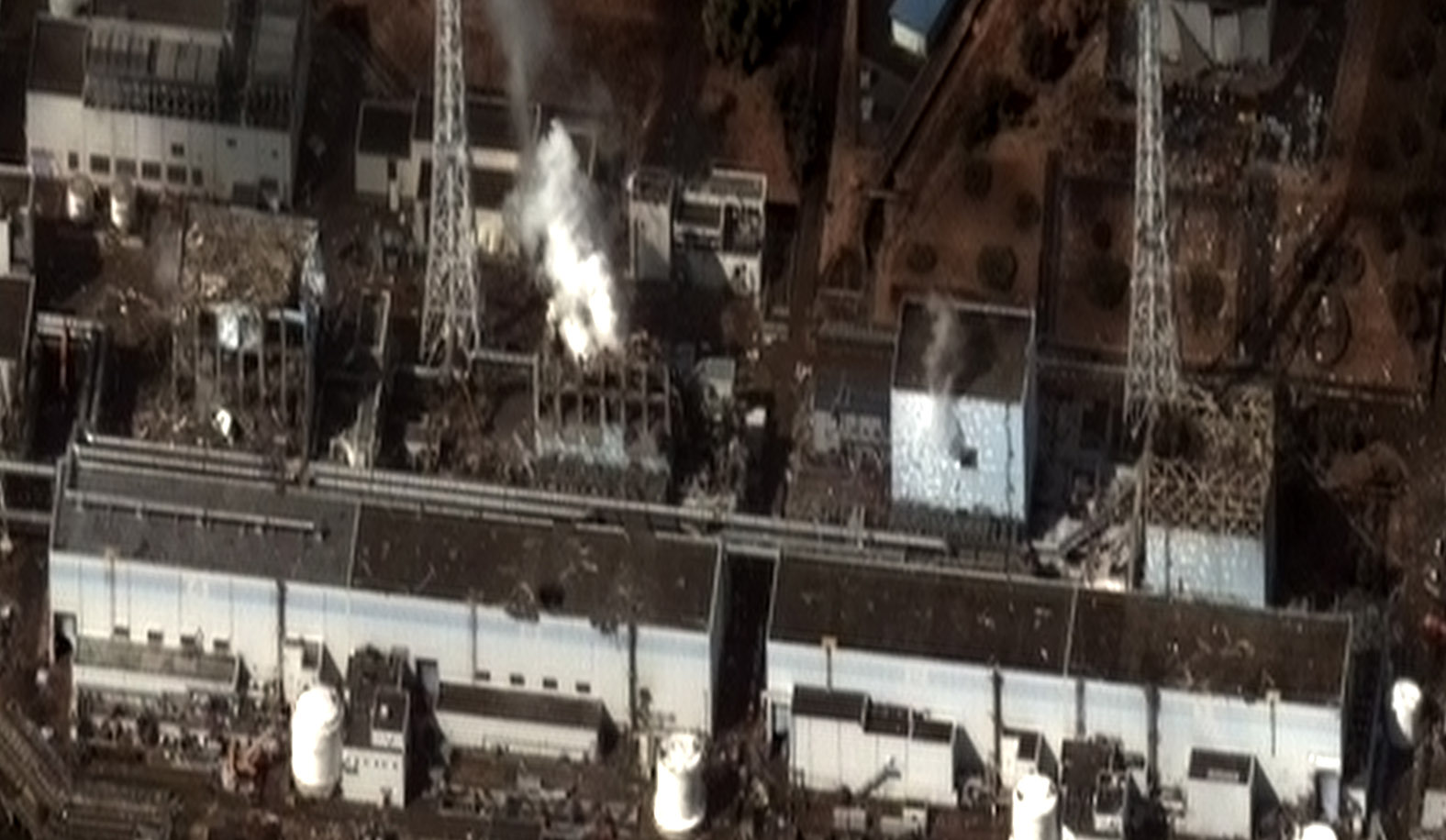
- The Nuclear Hazard Exclusion: Removes coverage for liability arising from nuclear reactions, radiation, or radioactive contamination.
- The War Exclusion: Eliminates coverage for liability arising out of declared war, undeclared war, civil war, or insurrection.
2. Preventing Duplication of Coverage
Many exclusions exist simply because a risk is so specialized that it belongs on a completely different piece of paper. Insurance companies compartmentalize risk to price it accurately.
- Business Pursuits: Personal liability policies (like Homeowners) universally exclude coverage for liability arising out of business or professional pursuits. Business pursuits exclusions exist in personal policies because commercial risks require specialized commercial liability insurance. If a client is running a welding business out of their residential garage, the hazards are wildly different than standard residential living.
- Workers' Compensation: General casualty policies strictly exclude injuries to the insured's employees that fall under the jurisdiction of Workers' Compensation laws. Workers' Comp is a specialized, statutory system; general liability is not meant to fund it.
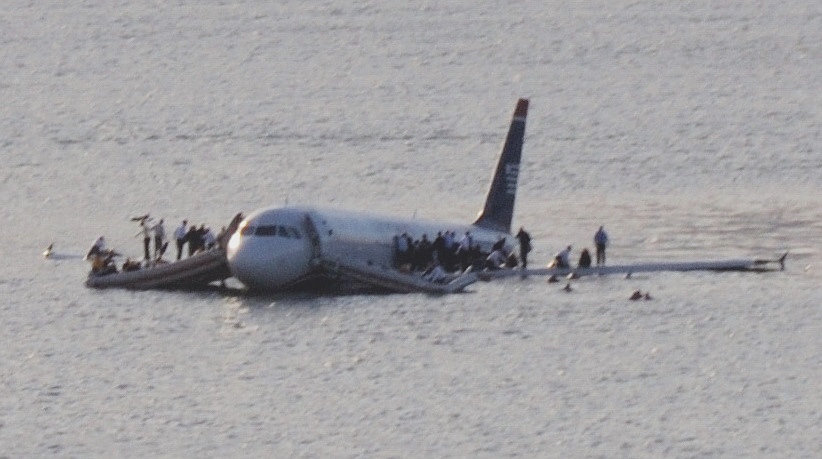
- Vehicles and Aircraft: Standard personal and general liability policies exclude liability arising from the ownership or operation of motor vehicles. They also exclude liability arising from the ownership or operation of aircraft. Liability exclusions for vehicles and aircraft exist because these significant risks require highly specialized separate insurance policies (like a Personal Auto Policy or an Aviation Policy).
As a professional producer, your job goes far beyond quoting premiums. You are translating the DICE framework into real-world protection for your clients.
When a client asks what is covered, you look at the Declarations to find their limits and the Insuring Agreement to see the broad promise to defend and indemnify. When they have a loss, you remind them of their duties under the Conditions to preserve their coverage. And when they ask if they are covered for everything, you guide them through the Exclusions, explaining how we keep their premiums fair by carving out intentional acts, catastrophic events, and risks better suited for specialized policies.