Commercial Package Policy and Commercial Property Forms
Not sure you’re ready?
Take the ~3-minute readiness diagnostic and see where you stand.
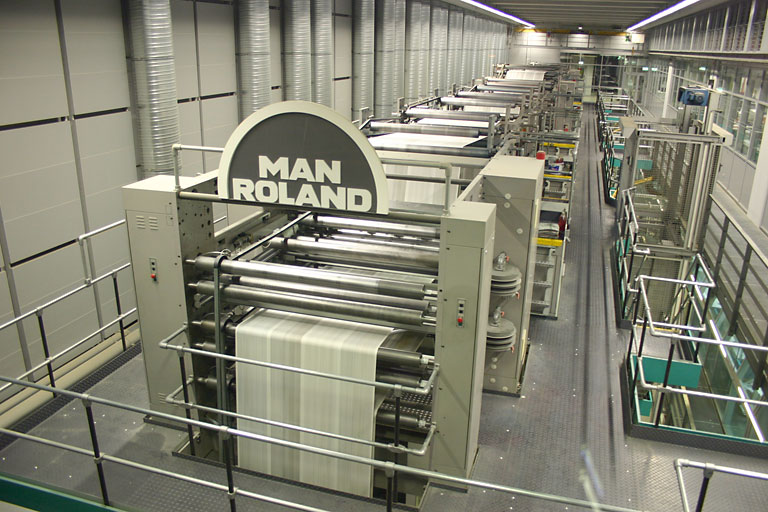
Imagine a sprawling commercial printing facility. If an electrical fire reduces the building to ash, replacing the structural walls is only a fraction of the survival equation. The business immediately loses its million-dollar lithographic presses, its massive inventory of specialized paper, its digital client archives, and the daily revenue required to fund employee payroll while the operation sits idle. To insure a modern enterprise, we cannot rely on fragmented, disjointed contracts. We must construct a comprehensive architecture of protection.
A Commercial Package Policy (CPP) is the structural engineering that keeps a catastrophe from becoming a terminal event for a business. A Commercial Package Policy allows an insured business to bundle distinct property and liability coverages into a single, cohesive contract.
A true package policy is defined by its multiplicity. By statutory design, a Commercial Package Policy must include at least two distinct coverage parts. This bundling reduces administrative friction and prevents critical gaps in a firm’s risk management strategy. However, the CPP is not a universal receptacle. Highly specialized risk domains are partitioned out. Workers' Compensation insurance is prohibited from being included in a Commercial Package Policy. Similarly, Ocean Marine insurance and Aviation insurance are prohibited from being included in a Commercial Package Policy because they operate under highly distinct international and federal regulatory frameworks.
To hold these distinct coverage parts together, every CPP relies on mandatory foundational documents.
First, the Common Policy Declarations are a mandatory component of every Commercial Package Policy. Think of this as the master directory. The Common Policy Declarations page lists the named insured, policy period, and premium for each included coverage part.
Second, the Common Policy Conditions are a mandatory component of every Commercial Package Policy. The Common Policy Conditions apply uniformly to all individual coverage parts bundled within the Commercial Package Policy. They act as the universal laws of physics for the contract, dictating the operational rules regardless of whether a claim involves a burned warehouse or a customer slipping on a wet floor.
The Power and Burden of the First Named Insured
In commercial insurance, a corporation may have dozens of executives, partners, or subsidiaries listed on a policy. The insurer cannot take conflicting orders from all of them. The legal remedy is the First Named Insured, who acts as the definitive captain of the ship.
The First Named Insured is the singular person or entity authorized to cancel a Commercial Package Policy. Consequently, the insurer sends formal notices of cancellation exclusively to the First Named Insured on a Commercial Package Policy. With this absolute control comes absolute financial liability: the First Named Insured is solely responsible for paying the premium on a Commercial Package Policy.
Insurer Rights and Conditions
Insurance requires symmetric information, and the Common Policy Conditions grant the insurance company robust tools to verify the risk they are assuming.

The insurer possesses the legal right to examine the insured's books and records at any time during the active policy period. Because premium audits frequently occur after a policy ends, the insurer possesses the right to examine the insured's books and records for up to three years after policy expiration.
Furthermore, the insurer holds the right to conduct unannounced physical inspections and surveys of the insured premises. However, these inspections carry strict legal boundaries. Insurer premises inspections are strictly intended for determining insurability and calculating accurate premium rates. Insurer premises inspections do not serve as a warranty that the insured workplace is safe or fully compliant with safety regulations. If a boiler explodes a week after an underwriter's survey, the insured cannot sue the insurer for failing to warn them of a safety hazard.
The Building and Personal Property Coverage Form is the primary commercial property form used to insure commercial structures. It categorizes commercial property into highly specific legal domains to clarify exactly what is—and is not—indemnified.
Defining Covered Building Property
The definition of a "building" extends far beyond its walls and roof. The Building and Personal Property Coverage Form insures completed additions to the described covered building. It covers permanently installed fixtures and permanent machinery. It also covers outdoor fixtures located on the described premises, such as light poles or signage.
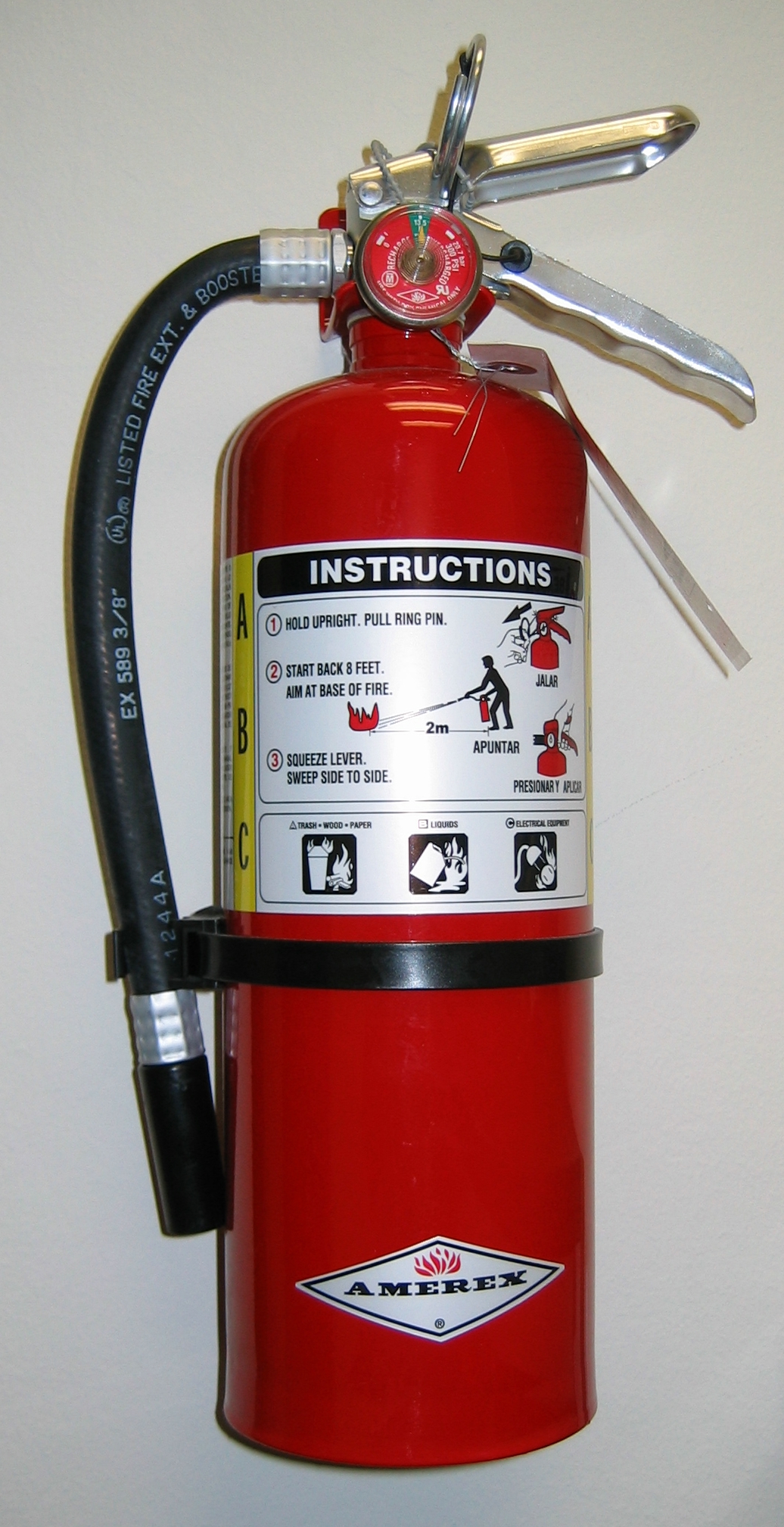
Most crucially, covered building property includes personal property used to permanently maintain or service the building or premises. Because they serve the structure itself, fire extinguishing equipment is legally classified as covered building property under the commercial property form. Similarly, outdoor furniture is legally classified as covered building property, as are floor coverings.
Defining Business Personal Property
If building property is the fixed infrastructure, Business Personal Property is the dynamic lifeblood of the enterprise. Business Personal Property coverage applies to eligible commercial property located in or on the described building. It extends outward, as Business Personal Property coverage applies to eligible property located in the open within 100 feet of the described premises, and applies to eligible property located in a vehicle within 100 feet of the described premises.
Under this umbrella, unattached furniture and office fixtures are covered under the Business Personal Property coverage category. Machinery and equipment not permanently installed are covered under the Business Personal Property coverage category.
Naturally, a business must protect the assets it sells. Business inventory and sales stock are covered under the Business Personal Property coverage category. In the language of commercial property insurance, the term stock legally includes merchandise held in storage for sale, raw materials, and finished goods.
What if a business does not own the building, but pays to upgrade its rented space? Business Personal Property coverage encompasses the insured's use interest in tenant's improvements and betterments. Tenant's improvements and betterments consist of structural fixtures or alterations made a part of the building by a tenant at their own expense (such as custom lighting or built-in cabinetry that cannot legally be removed upon lease termination).
Additionally, businesses routinely handle assets belonging to clients. Property of others in the insured's care, custody, or control can be optionally insured under the Building and Personal Property Coverage Form.
Absolute Exclusions from the Form
Certain assets are subjected to intense moral hazard or require specialized underwriting, and are therefore explicitly excluded from standard coverage under the Building and Personal Property Coverage Form.
- Money and securities are explicitly excluded (requiring specialized Commercial Crime policies).
- Vehicles licensed for use on public roads are explicitly excluded (requiring Commercial Auto policies).
- Live animals are explicitly excluded from the Building and Personal Property Coverage Form unless they are boarded for others or held for sale.
- Land, natural water, and growing crops are explicitly excluded from standard coverage.
- By foundational legal principle, contraband or property in the course of illegal trade is entirely excluded from coverage under all commercial property forms.
- Finally, electronic data is specifically excluded from the core definition of Covered Property under the Building and Personal Property Coverage Form, as data corruption requires distinct cyber liability parameters.

The Building and Personal Property Coverage Form bolsters its core protection through two distinct mechanisms: built-in Additional Coverages, and conditional Coverage Extensions.
Additional Coverages
Additional Coverages are automatically baked into the policy, responding to direct corollaries of a covered physical loss:
- Debris Removal: A destroyed building leaves behind massive rubble. The Building and Personal Property Coverage Form includes a Debris Removal additional coverage. The standard Debris Removal additional coverage limits reimbursement to 25 percent of the sum of the direct physical loss plus the deductible. However, if the wreckage is exceptionally severe, an additional $25,000 for Debris Removal is available if the actual debris removal expense exceeds the standard 25 percent limit.
- Preservation of Property: The law expects an insured to mitigate damages. The Preservation of Property additional coverage applies to insured property physically moved to prevent further damage from an approaching covered peril. To facilitate this emergency action, the Preservation of Property additional coverage protects moved property on an open-peril basis for up to 30 days at a new temporary location.
- Fire Department Service Charge: If rural fire departments bill for their response, the Fire Department Service Charge additional coverage provides up to $1,000 for mandatory municipal emergency service charges. Crucially, no policy deductible applies to payouts from the Fire Department Service Charge additional coverage.
- Pollutant Cleanup and Removal: This provides up to $10,000 for the extraction of pollutants from land or water at the described premises following a covered cause of loss.
- Electronic Data: Though excluded from the core definition of Covered Property, the Electronic Data additional coverage limits the cost to replace or restore electronic data destroyed by a covered peril to an annual aggregate limit of $2,500.
Coverage Extensions and Coinsurance
Coverage Extensions provide valuable sublimits for peripheral exposures, but they must be "unlocked." An 80 percent coinsurance clause is standardly required on the Building and Personal Property Coverage Form to activate the primary coverage extensions. Coinsurance demands that policyholders carry insurance adequately reflecting the total value of their property, discouraging underinsurance.
The Coinsurance Formula: The commercial coinsurance formula divides the amount of insurance carried by the amount of insurance required, then multiplies the result by the loss amount to determine the final claim payment. (Did / Should × Loss = Claim Payment)
Once the coinsurance requirement is satisfied, the Building and Personal Property Coverage Form specifies that coverage for newly acquired or constructed property is classified as a coverage extension. The newly acquired or constructed property extension provides a maximum of $250,000 of insurance coverage for each newly acquired building, and provides a maximum of $100,000 of insurance coverage for newly acquired business personal property.
Other notable extensions include:
- The Personal Effects and Property of Others coverage extension provides up to $2,500 of coverage for personal effects owned by the insured, officers, partners, or employees.
- The Valuable Papers and Records coverage extension provides up to $2,500 for the cost to replace or digitally restore lost information on vital business documents.
Identifying what is covered is only half the equation; we must also define how it was damaged. Commercial property policies attach a Cause of Loss Form to dictate the peril coverage.
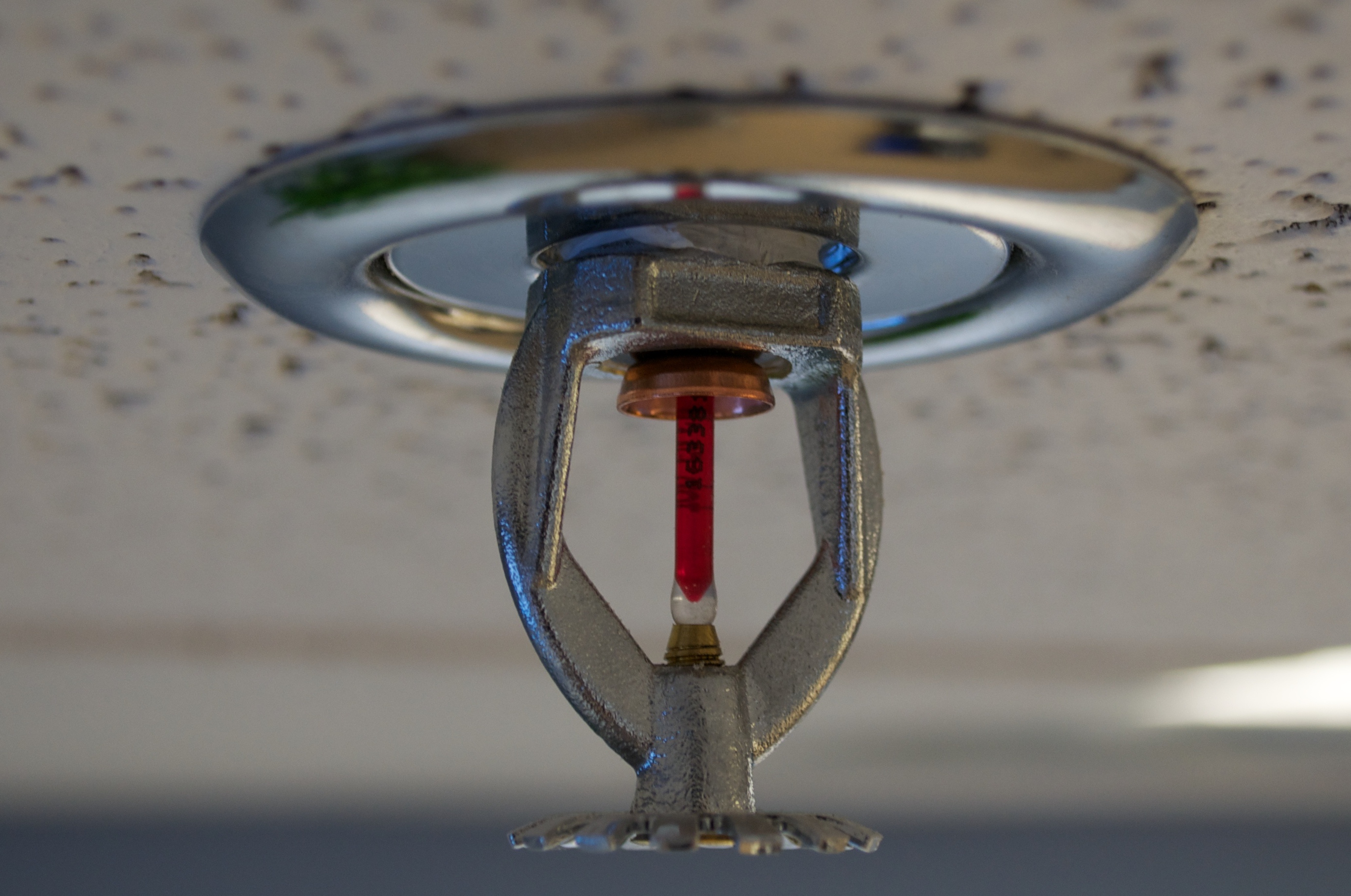
The Basic Form The Basic Causes of Loss Form functions exclusively as a named peril commercial property form. If a peril is not listed, it is not covered. The Basic Causes of Loss Form covers fire, lightning, explosion, windstorm, hail, smoke, aircraft, vehicles, riot, vandalism, sprinkler leakage, sinkhole collapse, and volcanic action.
The Broad Form The Broad Causes of Loss Form functions exclusively as a named peril commercial property form. The Broad Causes of Loss Form explicitly encompasses all perils legally covered in the Basic Form. It then adds explicit coverage for physical damage caused by falling objects, adds explicit coverage for physical damage caused by the weight of snow, ice, or sleet, and adds explicit coverage for water damage resulting from an accidental discharge from a plumbing system.

The Special Form The Special Causes of Loss Form functions exclusively as an open peril commercial property form. The Special Causes of Loss Form covers all direct physical losses to insured property unless the specific cause is explicitly excluded in the policy text.
Because it offers the broadest protection, it contains specific exclusionary guardrails. The Special Causes of Loss Form excludes damage resulting from ordinary wear and tear, rust, corrosion, decay, and gradual deterioration. The Special Causes of Loss Form explicitly excludes financial or physical damage caused by employee dishonesty (a crime exposure).
Crucially, the Special Form fundamentally alters the mechanics of a dispute. Under Basic or Broad forms, the insured must prove a named peril caused the loss. However, the Special Causes of Loss Form shifts the burden of proof from the insured individual to the insurance company when a claim is formally denied. The insurer must explicitly prove that an exclusion applies to deny the claim.
A property is not merely bricks and inventory; it is an economic engine. When that engine stops, the resulting financial asphyxiation frequently destroys businesses that survive the initial physical fire.
Business Income and the Period of Restoration
Business Income coverage reimburses the actual loss of business income sustained during a period of restoration due to a covered direct physical loss. Business income is mathematically defined as the net income that would have been earned plus any continuing normal operating expenses. Crucially, keeping a skilled workforce intact is vital; therefore, employee payroll is officially classified as a continuing normal operating expense under standard Business Income coverage.
This economic indemnification operates on a precise timeline. The period of restoration for Business Income coverage begins exactly 72 hours after the time of direct physical loss. This 72-hour temporal deductible prevents the insurance mechanism from being exhausted by trivial, fleeting power outages.
The period of restoration concludes on the exact date the damaged property should be repaired, rebuilt, or replaced with reasonable speed and similar quality. Importantly, the period of restoration does not automatically conclude or expire when the underlying commercial property policy expires. If a fire occurs on the final day of the policy term, the insurer must still honor the complete period of restoration required to rebuild the facility.
Even when the physical doors reopen, clients do not instantly return. The Extended Business Income additional coverage pays for the loss of business income after the physical property has been repaired and operations resumed. Extended Business Income coverage commences on the date property is repaired and ends when the insured's operations are fully restored to their pre-loss economic condition. The standard maximum duration for Extended Business Income coverage is exactly 60 days.
Keeping the Lights On: Extra Expense Coverage
Certain vital institutions—like commercial banks and local hospitals—cannot afford to simply pause and collect lost income; their suspension of services would be catastrophic to their client base or patients.
Extra Expense coverage pays for necessary emergency expenses incurred during the period of restoration that would not have been incurred without a direct physical loss. Extra Expense coverage is legally formulated to help a business avoid the suspension of operations and continue functioning during property repairs. Thus, Extra Expense coverage is commonly purchased by continuous-service businesses that cannot afford to halt operations.
Because maintaining uninterrupted service is the entire objective, no time-based waiting period applies to the activation of Extra Expense coverage following a covered direct physical loss. It is triggered immediately.
Civil Authority
Sometimes, the insured premises are completely undamaged, but an adjacent disaster forces a government lockdown. Civil Authority coverage functions as a standardized additional coverage provision under the Business Income coverage form. Civil Authority coverage pays for loss of business income when a government entity legally prohibits access to the described premises due to a covered peril causing damage at a nearby location.
Civil Authority coverage traditionally begins 72 hours after the time of the restrictive physical access action by the government entity. It traditionally lasts for a maximum period of up to four consecutive weeks.
Standard commercial property policies strictly exclude damage caused by the internal, mechanical explosion of complex machinery. To bridge this critical gap, businesses rely on distinct Equipment Breakdown coverage.
Equipment Breakdown coverage insures against direct physical loss to covered property caused by the sudden and accidental breakdown of covered equipment. Covered equipment under an Equipment Breakdown policy specifically includes pressure vessels, commercial boilers, electrical equipment, mechanical equipment, and air conditioning equipment.
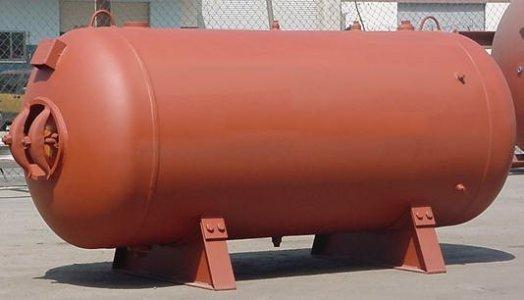
The operative standard here is drastic failure. A qualifying breakdown under Equipment Breakdown coverage necessitates a sudden and accidental failure that requires immediate repair or total replacement of the equipment. Therefore, Equipment Breakdown coverage strictly excludes machinery equipment failures caused by ordinary wear and tear, and strictly excludes machinery equipment failures caused by gradual deterioration or corrosion.
Boilers and pressure vessels carry immense kinetic danger. If an inspector identifies an imminent threat, the insurer retains the legal right to immediately suspend Equipment Breakdown coverage if the covered equipment is discovered to be operating in a dangerous or unsafe condition. To exercise this extreme remedy, the insurer must issue written notice to the named insured in order to legally suspend Equipment Breakdown coverage due to unsafe operating conditions.
When a breakdown occurs, minimizing downtime is paramount. Expediting expenses are covered under Equipment Breakdown insurance to fund the reasonable extra costs required to make temporary repairs and accelerate permanent repairs (such as overnighting massive replacement parts). The standard sublimit for expediting expenses in a standard Equipment Breakdown policy is $25,000.
By meticulously combining Building and Personal Property, intelligent Causes of Loss parameters, Time Element business income protections, and Equipment Breakdown parameters, the Commercial Package Policy translates devastating physical chaos into a calculated, recoverable financial equation.