Homeowners Policies (HO-2 through HO-8)
Not sure you’re ready?
Take the ~3-minute readiness diagnostic and see where you stand.
At its core, a Homeowners insurance policy is a meticulously engineered boundary line drawn around a specific physical and legal reality. When you bind coverage for a client, you are not merely handing them a stack of paper; you are applying a standardized mathematical and legal template to the exact contours of their risk. The insurance industry has codified these templates into a series of numbered forms—HO-2 through HO-8. Each form is specifically calibrated to address who owns the property, the structural nature of the dwelling, and the economic relationship between the building's replacement cost and its market value.
To master these forms, we must first understand the fundamental engine that drives property coverage: how a policy defines a covered cause of loss.
Before we can distinguish a tenant's policy from a comprehensive homeowner's policy, we must examine how policies trigger coverage. Every property loss hinges on a single question: Is this specific cause of damage covered? The industry answers this using two distinct philosophical approaches: named perils and open perils.
Named-Perils Coverage
Named-perils coverage protects only against causes of loss explicitly listed in the insurance policy. If a peril is not on the list, there is simply no coverage.
The Burden of Proof: Under a named-perils policy, the burden of proof is on the insured to show a listed peril caused the damage. If a homeowner's ceiling collapses, they must prove to the adjuster that the collapse was caused by a specific, listed event—such as windstorm damage to the roof—rather than unlisted wear and tear.
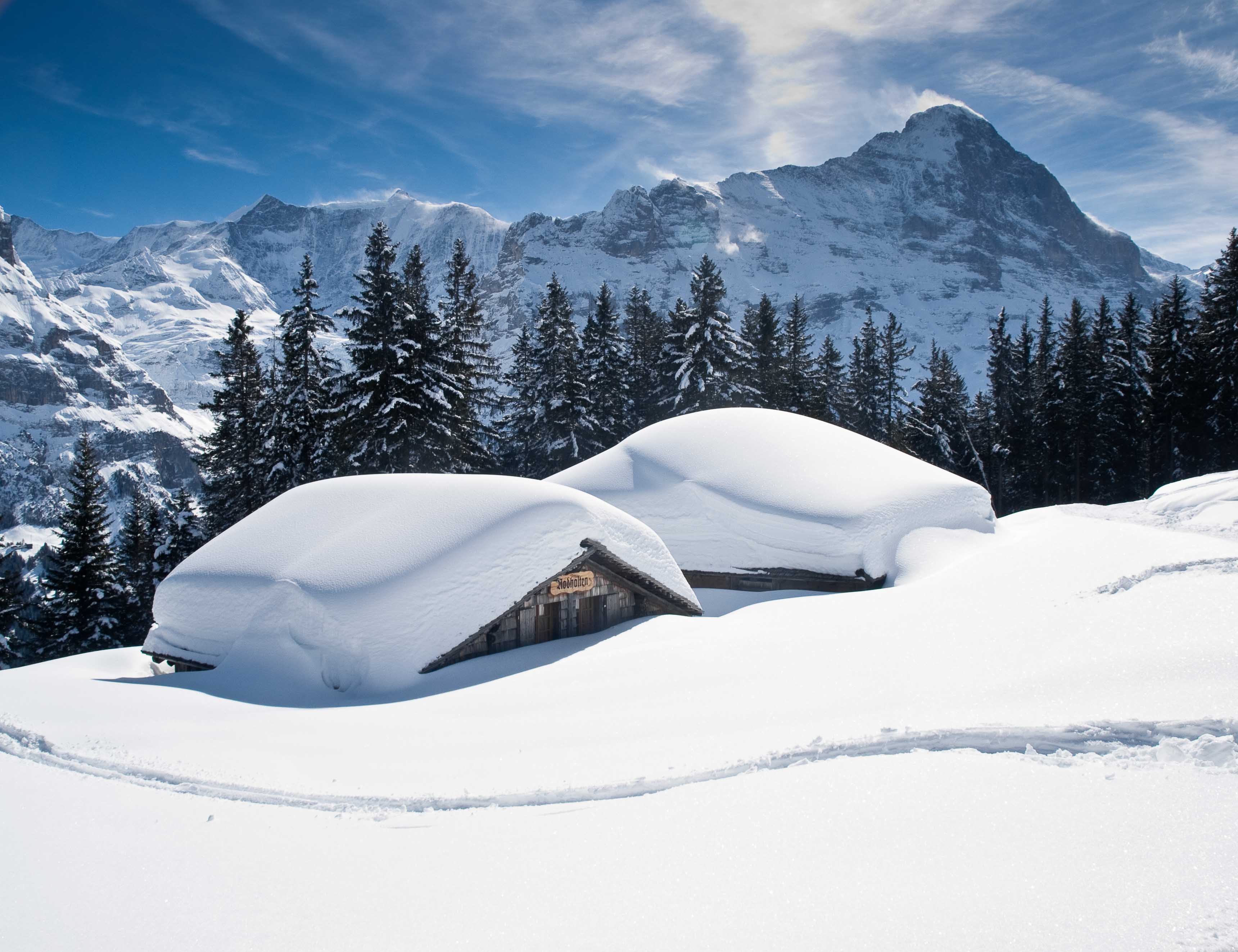
The most common named-perils framework you will encounter is the Broad Form perils list, which typically includes 16 specifically named causes of loss. Among these 16, two physical perils frequently tested—and frequently encountered in winter claim scenarios—are damage from falling objects (such as a tree branch crushing a roof) and damage from the weight of ice, snow, or sleet.
Open-Perils Coverage
Conversely, open-perils coverage protects against all causes of loss unless explicitly excluded in the insurance policy. You will often hear veteran producers and adjusters refer to this because open-perils coverage is also traditionally referred to as all-risk or special form coverage.
The Burden of Proof: Under an open-perils policy, the legal burden shifts. The burden of proof is on the insurer to show the cause of loss is excluded from coverage. If a mysterious fluid ruins a hardwood floor, the insurance company must pay the claim unless they can definitively point to an exclusion (like groundwater flooding or continuous seepage) to deny it.
Understanding this legal shift in the burden of proof is critical for an insurance producer. It is the primary reason open-perils policies are inherently more valuable—and command a higher premium—than named-perils policies.
When insuring a traditional, detached single-family home, you will generally choose from three primary forms. Think of these as a ladder of escalating protection.
The Homeowners 2 (HO-2): The Broad Form
The HO-2 policy is known as the Broad Form. It occupies the lowest rung of our standard single-family ladder.
The Mechanics: The HO-2 policy provides named-perils coverage for the dwelling (Coverage A), other structures (Coverage B), and personal property (Coverage C). If a loss occurs to the house or the client's belongings, the cause must precisely match one of the 16 Broad Form perils. Because the coverage is narrow and the burden of proof lies entirely on the insured, this form is rarely written today unless strict underwriting constraints require it.
The Homeowners 3 (HO-3): The Special Form
Step up one rung, and we reach the industry standard. The Homeowners 3 (HO-3) policy is known as the Special Form.
The Mechanics: The HO-3 splits its approach to property coverage:
- The HO-3 policy provides open-perils coverage for the dwelling and other structures.
- The HO-3 policy provides named-perils coverage for personal property.
Notice the elegance here. The physical buildings (the most expensive assets) receive the superior all-risk protection, shifting the burden of proof to the insurer. However, the client's couch, television, and clothing are covered only if damaged by a named peril. Importantly, both the HO-2 and the personal property section of the HO-3 use the same Broad Form named perils list.
Because it strikes a highly efficient balance between broad structural protection and affordable premium costs, the HO-3 policy is the most commonly purchased homeowners insurance policy in the United States.
The Homeowners 5 (HO-5): The Comprehensive Form
At the top of the ladder sits the Cadillac of property insurance. The Homeowners 5 (HO-5) policy is known as the Comprehensive Form.
The Mechanics: The HO-5 policy provides open-perils coverage for the dwelling, other structures, AND personal property.
If your client accidentally drops a can of paint on their expensive living room rug, an HO-3 policy would deny the claim (dropping paint is not one of the 16 named Broad Form perils). An HO-5 policy, however, covers the ruined rug because "dropping paint" is not explicitly excluded. Because it extends all-risk protection to both the building and the contents, the HO-5 policy provides the broadest property coverage of all the standardized homeowners forms.
Not everyone owns a detached house. When the legal reality of the client's ownership changes, the policy form must adapt to match.
The Homeowners 4 (HO-4): The Contents Broad Form
What if your client does not own the building they live in? The Homeowners 4 (HO-4) policy is known as the Contents Broad Form, though you likely know it colloquially as "Renter's Insurance."
The Mechanics: The HO-4 policy is designed specifically for tenants renting a residence. Because the tenant has no insurable interest in the physical building, the HO-4 policy does not provide Coverage A (Dwelling) or Coverage B (Other Structures). It exists solely to protect the tenant's belongings and liability. Consequently, the HO-4 policy provides named-perils coverage for a tenant's personal property, utilizing that same familiar 16-peril Broad Form list.
The Homeowners 6 (HO-6): The Unit-Owners Form
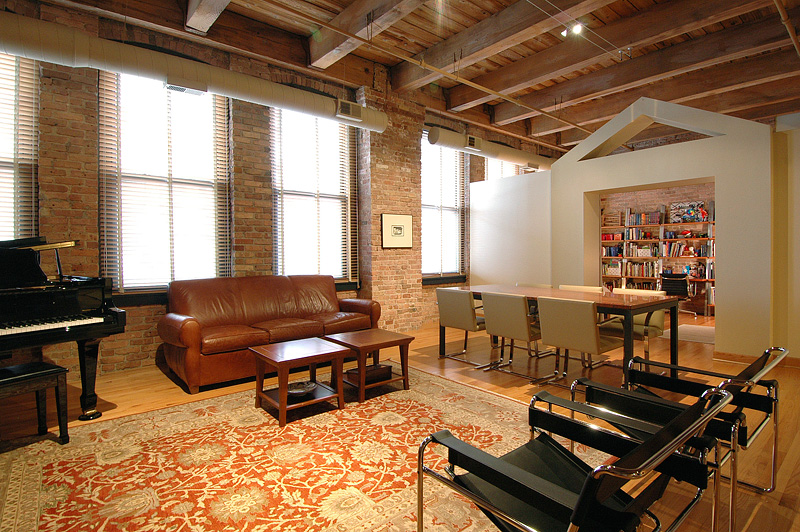
Condominiums present a unique geometric and legal puzzle. A condo owner does not own the entire building, nor do they own the land beneath it. They own a box of airspace and the interior fixtures.
To solve this, the industry created the Homeowners 6 (HO-6) policy, known as the Unit-Owners Form. The Mechanics: The HO-6 policy is designed specifically for condominium unit owners and cooperative owners. Unlike the renter's HO-4, a condo owner does have some structural ownership. Therefore, the HO-6 policy provides limited Coverage A (Dwelling) for interior alterations, appliances, and fixtures. This is often referred to in the field as "studs-in" coverage—protecting the drywall, custom cabinets, and hardwood floors the condo association's master policy will not cover.
Like the HO-4, the HO-6 policy provides named-perils coverage for a condo owner's personal property.
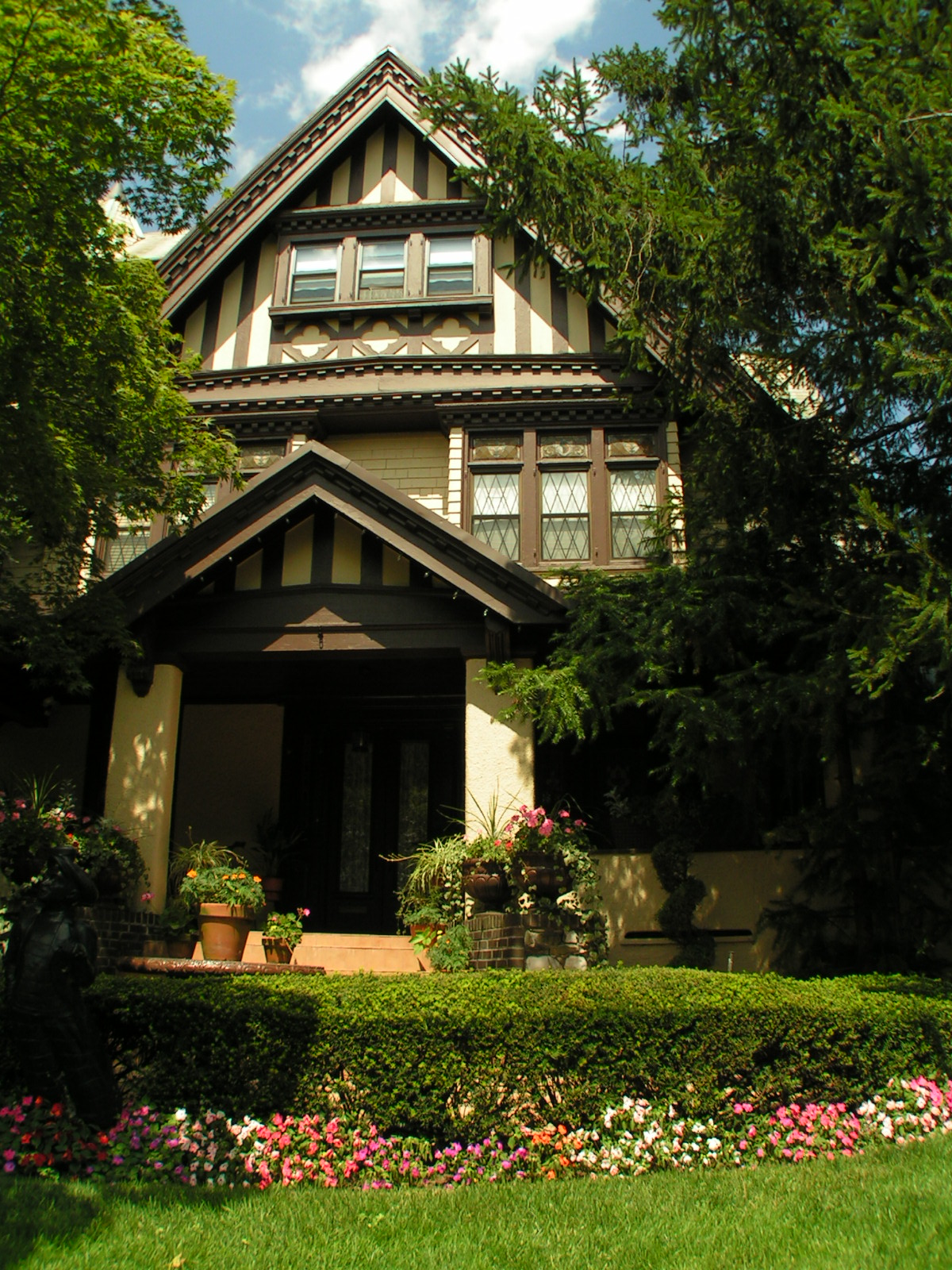
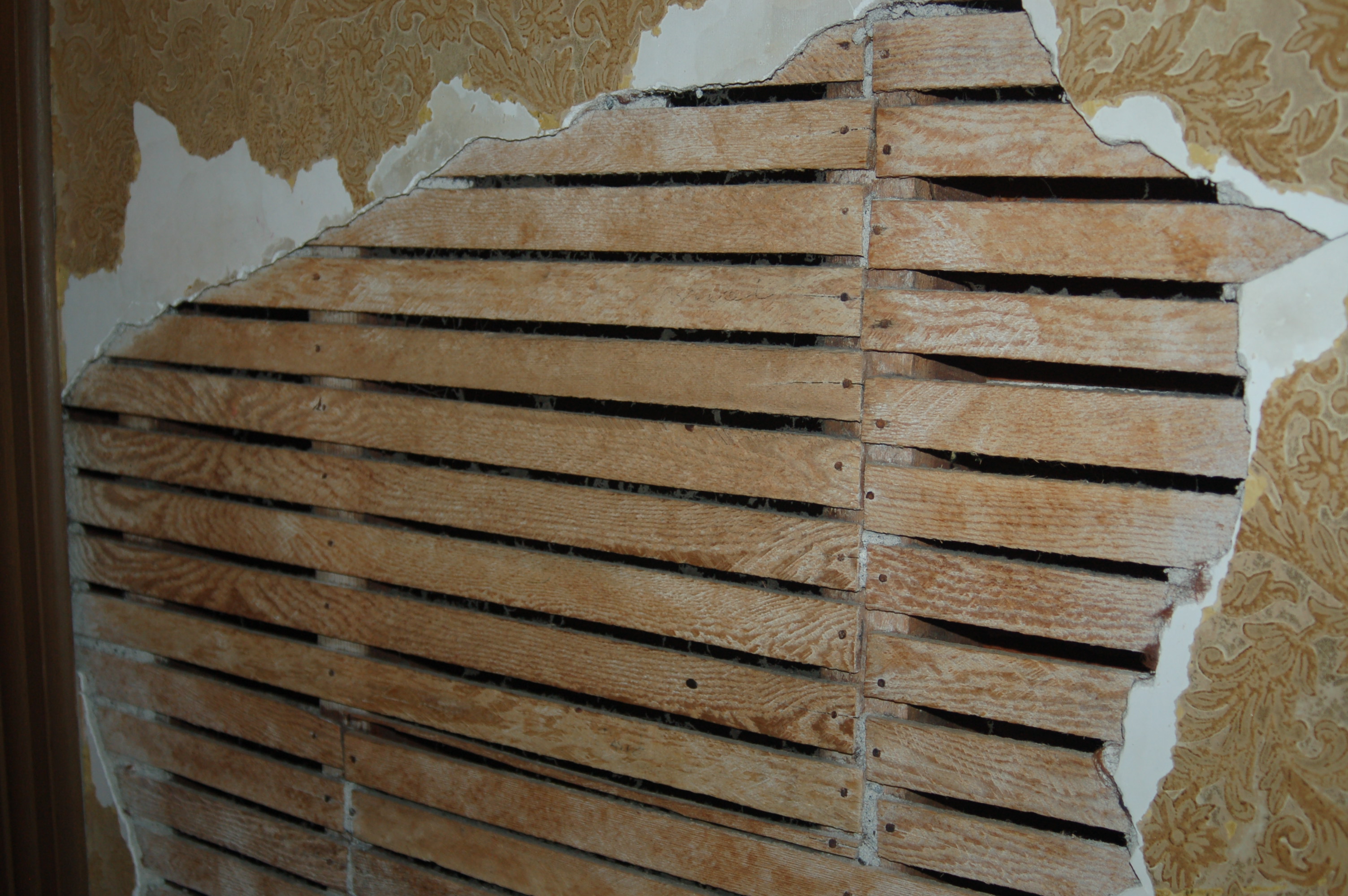
Our final form addresses a fascinating economic problem. Imagine a sprawling, ornate Victorian home built in 1890 in a neighborhood that has since suffered severe economic decline. The home features hand-carved mahogany staircases, plaster lath walls, and custom stained glass. The home might sell on the real estate market for $150,000. However, if it burns to the ground, paying specialized craftsmen to rebuild those historic features with modern materials might cost $800,000.
Writing an HO-3 replacement cost policy on this home creates massive moral hazard. The client could buy the house for $150,000, and if it accidentally burns down, the insurer is on the hook for $800,000.
The Homeowners 8 (HO-8): The Modified Coverage Form
To safely insure these unique risks, the industry uses the Homeowners 8 (HO-8) policy, known as the Modified Coverage Form.
The Mechanics: The HO-8 policy is designed for older homes whose replacement cost significantly exceeds the market value of the property. To mitigate the insurer's exposure, this form significantly scales back protection:
- The HO-8 policy restricts property protection to basic named perils, a much shorter and more restrictive list than the Broad Form.
- More importantly, the HO-8 policy typically settles dwelling losses on an actual cash value (ACV) or functional replacement cost basis.
Functional replacement cost means the insurer will pay to rebuild the home using modern, cheaper materials that serve the same function. Instead of hand-carved mahogany and horsehair plaster, the destroyed wall will be replaced with standard 2x4 framing and modern drywall. This aligns the insurance payout with the actual economic value of the property, preserving the integrity of the risk pool.
As you prepare for your licensing exam, visualize these forms not as arbitrary rules, but as specific tools designed for specific jobs. Master this matrix, and you will navigate property scenarios with the precision of a seasoned underwriter.
| Policy Form | Form Name | Ideal Client / Living Situation | Dwelling Coverage | Personal Property Coverage |
|---|---|---|---|---|
| HO-2 | Broad Form | Standard Homeowner | Named-Perils (Broad Form) | Named-Perils (Broad Form) |
| HO-3 | Special Form | Standard Homeowner (Most Common) | Open-Perils (Special Form) | Named-Perils (Broad Form) |
| HO-4 | Contents Broad Form | Renters / Tenants | None (No Coverage A or B) | Named-Perils (Broad Form) |
| HO-5 | Comprehensive Form | High-Value Homeowner | Open-Perils (Special Form) | Open-Perils (Special Form) |
| HO-6 | Unit-Owners Form | Condo / Co-Op Owners | Limited Coverage A (Studs-in) | Named-Perils (Broad Form) |
| HO-8 | Modified Coverage Form | Older Homes (Replacement > Market) | Basic Named Perils (ACV/Functional) | Basic Named Perils |